REVIEW · KATHMANDU
Kathmandu City Tour: TOP Highlights of the Kathmandu Valley
Book on GetYourGuide →Operated by Breakfree Adventures Pvt. Ltd. · Bookable on GetYourGuide
Kathmandu hits you first with sacred sights and daily rituals. I loved how this Kathmandu Valley tour strings together three UNESCO-grade landmarks—starting at the huge Boudhanath Stupa and ending in the medieval streets of Bhaktapur—so you see Nepal’s spiritual and artistic sides in one smooth day. The pace also felt human: you get guided context, but you’re not rushed.
I also really liked the way the tour handles Pashupatinath Temple. It’s not just a photo stop; it’s a living Hindu site on the Bagmati River, with ongoing ceremonies and the kind of architecture details you only catch when someone points them out. And in Bhaktapur, the Newari craftsmanship shows up everywhere, from temple roofs to carved palace details.
One consideration: there’s some walking and stairs, and the tour isn’t suitable for pregnant women. If you have mobility limits, talk to the operator before you book.
In This Review
- Key highlights worth your attention
- Kathmandu Valley in one day: how this tour strings it together
- Price and value: what you’re really paying for
- Getting picked up in Kathmandu without stress
- Boudhanath Stupa: a Buddhist landmark that changes your pace
- Pashupatinath Temple: Shiva worship on the Bagmati River
- Bhaktapur Durbar Square: Newari details you can actually enjoy
- Pace, walking, and what you should pack for
- Who this tour fits best (and who should skip it)
- The guide makes the day: what I’d look for
- Practical etiquette that keeps things smooth
- Should you book this Kathmandu Valley highlights tour?
- FAQ
- How long is the Kathmandu City Tour?
- What sites are included in the tour?
- Is the entrance fee included in the price?
- What’s included in the tour price?
- What should I bring?
- What should I wear for temple visits?
- Is the tour suitable for everyone?
Key highlights worth your attention
- Boudhanath Stupa’s calm “ring” walk: large enough to make you slow down and notice prayer rituals.
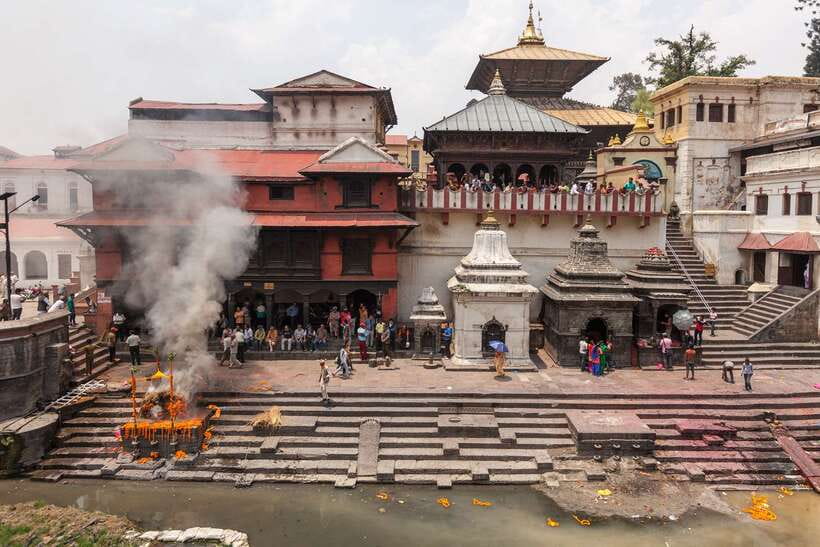
- Pashupatinath’s real-world Hindu rituals: you’ll see daily ceremony rhythm by the Bagmati River.
- Bhaktapur’s Newari architecture: highlights like the 55-Window Palace and the Nyatapola Temple.
- Nepal’s tallest pagoda visit: Nyatapola is a standout piece of Newari design.
- Neeraj-level guiding style: guests highlight a relaxed pace with lots of answers.
- Private group pacing: your transport and timing can flex to your group.
Kathmandu Valley in one day: how this tour strings it together
This is one of those Kathmandu tours that makes logical sense. You’re not trying to cram in ten stops that each last ten minutes. Instead, you focus on three big, recognizable places that each represent a different layer of Kathmandu Valley: Buddhist pilgrimage life at Boudhanath, Hindu sacred tradition at Pashupatinath, and Newari history in Bhaktapur.
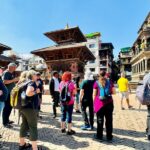
The tour runs about 6 hours (with typical total time ranging 5–7 hours depending on traffic), and it’s a private group format. That matters more than people expect. Kathmandu traffic can be unpredictable, and a private setup means you’re not fighting a group schedule that keeps you hurrying. The vehicle is picked based on your group size—car, van, jeep, Hiace, or bus—so you should feel like you’re traveling like a small local entourage rather than a cattle-queue.
You’ll also get a professional English-speaking guide. This is the difference between seeing temples as pretty backdrops and actually understanding what you’re looking at—why a stupa is shaped the way it is, why a temple complex is arranged the way it is, and how the communities around these sites use them.
You can also read our reviews of more city tours in Kathmandu
Price and value: what you’re really paying for
The tour is listed at $39 per person, which is a pretty fair price for a guided half-day with hotel pickup/drop-off and private transportation. The trade-off is that you’ll need to budget separately for monument entrance fees.
Entrance fees are not included and are listed at 3,400 Nepali Rupees per person. That means your true “day cost” is roughly: tour price plus that entry fee, plus whatever small extra you choose to spend on snacks or water (meals aren’t included).
So is it good value? For me, yes—if you care about context. If you can use a guide to interpret architecture and ritual (and you want the day to run smoothly), the fee makes sense. If you mainly want to wander and don’t care about explanations, a do-it-yourself approach can be cheaper. But in Kathmandu Valley, a guide saves you time and confusion, especially when photography rules and temple etiquette come into play.
Getting picked up in Kathmandu without stress
The tour starts with hotel pickup and drop-off in Kathmandu. Your pickup is included if your hotel is within the Ring Road. If your location is outside that area, an additional fee may apply.
That Ring Road detail is worth planning around. Kathmandu can be awkward to navigate, and starting outside the core pickup zone can add time. When you book, make sure your hotel is within the Ring Road if you want to keep things simple.
You’ll meet your guide at your hotel lobby at the scheduled pickup time. Since the tour includes driving between sites, you’ll get the benefit of avoiding the “now how do we get there” scramble.
Boudhanath Stupa: a Buddhist landmark that changes your pace
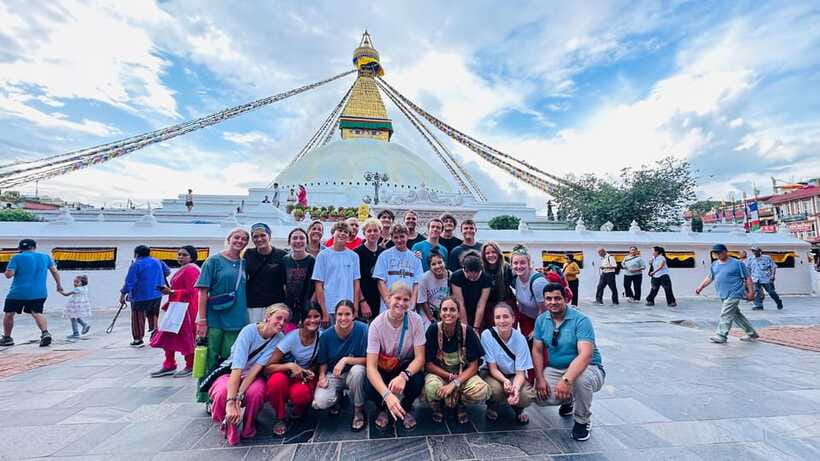
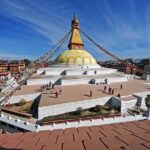
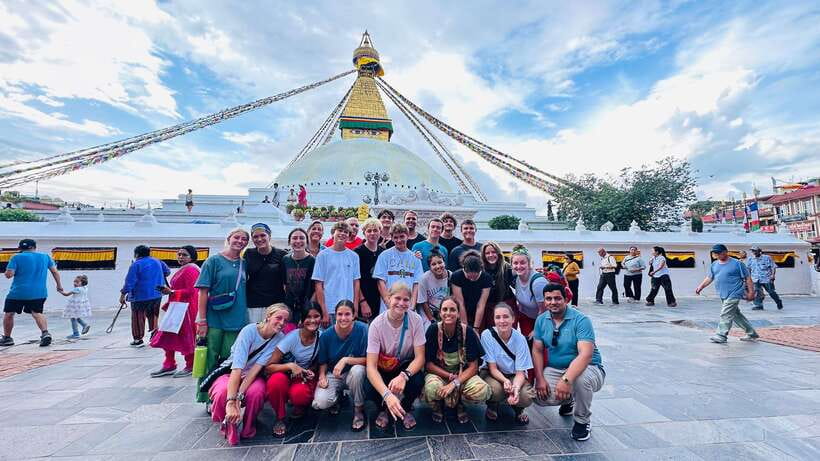
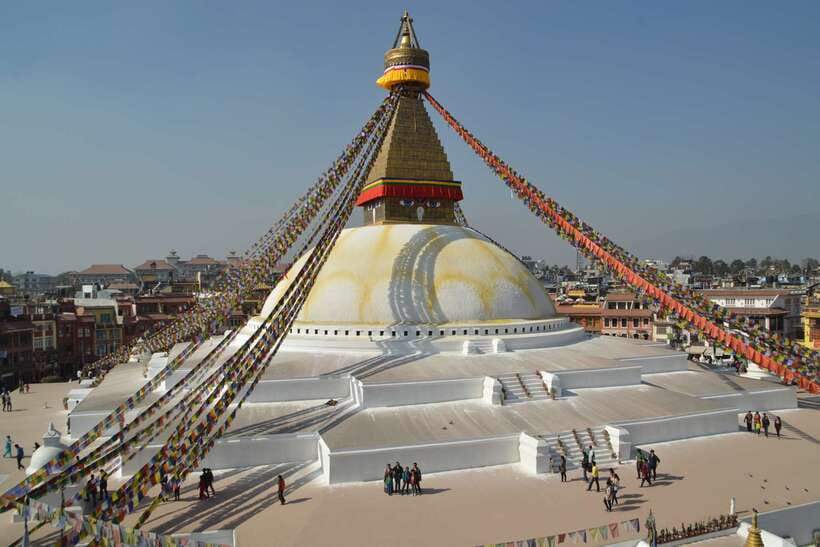
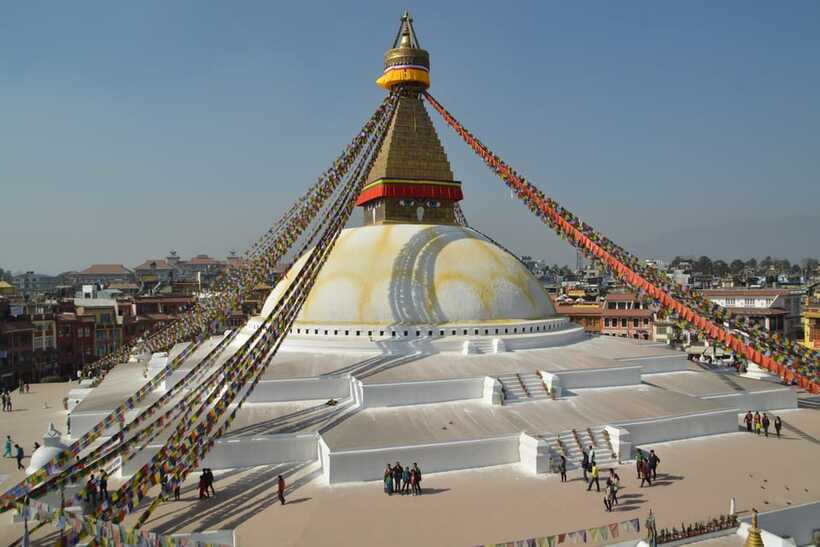
Boudhanath Stupa is one of the world’s largest Buddhist monuments, and it’s the kind of place that naturally slows you down. The stupa’s white dome and golden spire aren’t just pretty. They make sense when you understand the site as a living focal point for devotion.
Here’s what you can expect at Boudhanath:
- You’ll see monasteries around the stupa area.
- You’ll get a guided explanation of why visitors and pilgrims move around the stupa.
- You’ll notice prayer wheels, daily ritual rhythm, and constant human activity—not just sightseeing.
Walking around the stupa matters. It’s not a fast loop; it’s more like joining the tempo for a while. You’ll likely find yourself watching how people approach the stupa, how they position themselves, and how they treat the site like a place of ongoing practice.
Photography can be a little tricky in religious spaces. The general rule is: photos are often restricted inside temples, so ask your guide before taking pictures. That small habit keeps you from getting stopped by staff and also helps you understand where visitors are expected to keep things quiet.
Pashupatinath Temple: Shiva worship on the Bagmati River
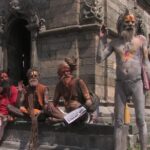
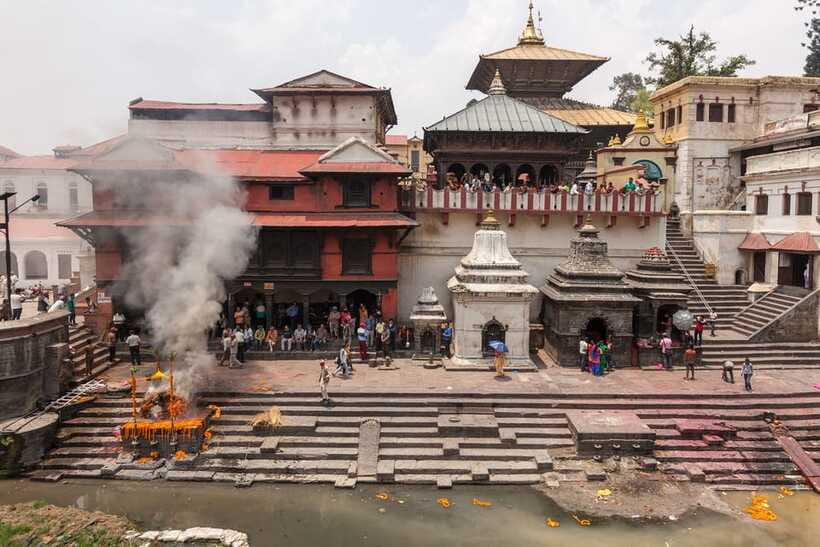
Next comes Pashupatinath Temple, dedicated to Lord Shiva. This is another UNESCO World Heritage site, and it’s sacred in a way that feels active—like the spiritual life here isn’t “on display,” it’s happening all the time.
The location on the Bagmati River is central to the experience. The riverbanks are where daily spiritual routines and major cremation ceremonies unfold. That can be confronting if you’re not used to seeing ritual practices connected to death, but the atmosphere is also deeply respectful.
What I like about this stop is that it’s described clearly as both:
- a major temple complex with distinct pagoda-style architecture (including intricate wood carvings and golden roofs), and
- a cultural hub where spirituality and daily life overlap.
So, it’s not just architecture. It’s people. And because it’s a working religious site, you’ll see ceremonies and rituals that don’t feel staged.
Dress code matters here. You’ll want modest clothing, especially at Pashupatinath: cover your shoulders and knees. If you forget, you might end up improvising or being limited in where you can go. It’s one of those “easy to follow, annoying to ignore” rules.
Also remember that photography restrictions can apply in temple areas. If you want photos, do it with your guide’s guidance.
Bhaktapur Durbar Square: Newari details you can actually enjoy
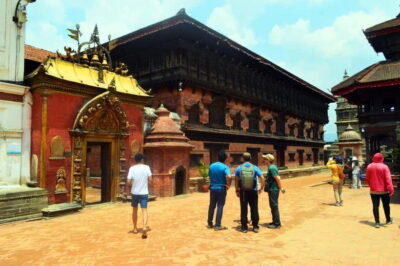
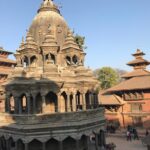
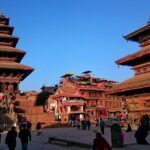
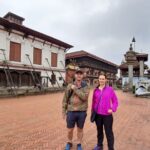
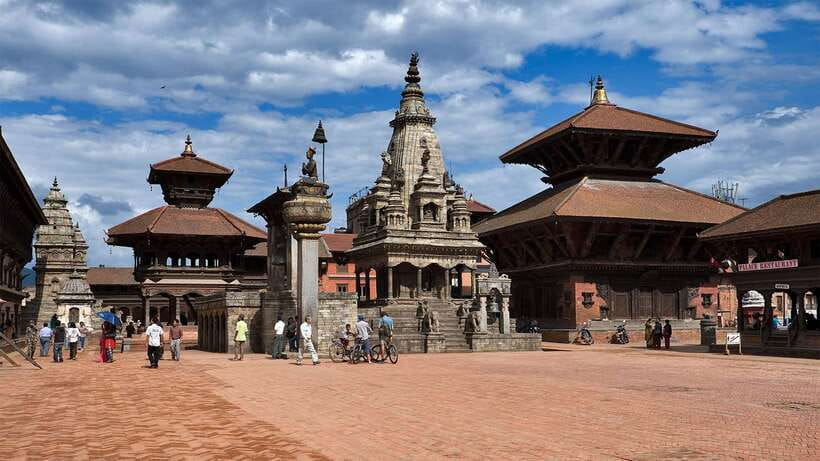
Then you move to Bhaktapur Durbar Square, a well-preserved medieval city and another UNESCO World Heritage site. Bhaktapur is famous for Newari architecture, and the guide’s job here is important: once you know what to look for, the details stop feeling random.
Bhaktapur’s appeal is that it feels like a living museum. You’ll walk cobblestone lanes and see traditional markets and artisans rather than only empty historic buildings. That’s a big difference from many “heritage” places where the old stones become a theme park.
Expect highlights such as:
- The 55-Window Palace (an instantly recognizable feature when you’re standing in front of it)
- Vatsala Temple
- Nyatapola Temple, noted as Nepal’s tallest pagoda
Nyatapola is the kind of structure you can’t really appreciate from a distance. The pagoda layers, design proportions, and craftsmanship reward slow looking. This is a good place for comfortable shoes, because you’ll be walking and you’ll likely tackle some stairs.
Also, if you’re interested in art and architecture, Newari craftsmanship is the theme. Even small decorative elements can tell you a lot once you’ve got a guide explaining them.
Pace, walking, and what you should pack for
This is a half-day tour, but it isn’t a sit-and-watch ride. You should plan for some walking and stairs. One review even called out the importance of having running shoes, and that tracks with the reality of temple steps and old-city streets.
What to bring (these are practical, not fancy):
- Comfortable walking shoes
- Umbrella
- Rain gear
- Camera
- Sunscreen and a hat
- Water
- Modest clothing that fits the temple dress rules
Weather: the tour runs in all weather conditions, and you’ll be informed of changes if conditions get extreme. Kathmandu can shift quickly, so umbrella + rain gear is a smart combo.
Who this tour fits best (and who should skip it)
This works well if you want a guided introduction to Kathmandu Valley’s major spiritual and historic sites in one go. It’s especially good for:
- first-time visitors who want the “big three” without guessing
- travelers who care about architecture and ritual context
- anyone who prefers a private group pace instead of a rushed group schedule
It’s not suitable for pregnant women, based on the tour’s stated limits. If you have mobility concerns, it’s worth asking about step levels and walking time before you commit.
The guide makes the day: what I’d look for
The tour includes a professional guide, and the best clue is how people describe the experience: informative, relaxed, and not rushed. One guide name that comes up is Neeraj—highlighted for being amazing, answering questions, and keeping movement at the group’s pace.
That kind of guiding matters because these sites are full of symbols and rules. Without a guide, you can still enjoy them, but you’re more likely to miss the meaning behind what you’re seeing. With a good guide, you learn why certain things matter, why certain angles feel “right,” and how to behave respectfully so you don’t slow the day down.
Practical etiquette that keeps things smooth
Religious sites run on unwritten rules. Here’s the version you can follow without overthinking:
- Dress modestly at Pashupatinath (shoulders and knees covered).
- Keep your voice low and move calmly, especially around ceremony zones.
- Ask your guide before taking photos in temple areas.
- Use your time wisely: the stupa loop and Bhaktapur walking reward slow attention.
If you do just those few things, you’ll feel like you belong more than you’d expect.
Should you book this Kathmandu Valley highlights tour?
Book it if you want a straightforward, guided “greatest hits” day that covers Boudhanath Stupa, Pashupatinath Temple, and Bhaktapur Durbar Square. The value is strongest when you’ll actually use the guide for context, and when you’re comfortable with some walking and stairs.
Skip or choose a different format if:
- you can’t handle stairs or extended walking
- you need a very mobility-friendly route
- you’re hoping for a purely casual photo tour with zero etiquette and entrance planning
And one last tip: set aside extra mental space for Pashupatinath. It’s powerful. Whether it moves you quietly or shocks you at first, it’s a central part of why Kathmandu Valley feels like more than postcards.
FAQ
How long is the Kathmandu City Tour?
The tour lasts about 5–7 hours, starting with hotel pickup. It’s listed as 6 hours on the basic overview, but traffic can affect the timing.
What sites are included in the tour?
You’ll visit Boudhanath Stupa, Pashupatinath Temple, and Bhaktapur Durbar Square.
Is the entrance fee included in the price?
No. Monument entrance fees are not included and are listed as 3,400 Nepali Rupees per person.
What’s included in the tour price?
It includes hotel pickup and drop-off, private transportation (car/van/jeep/Hiace/bus depending on group size), a professional tour guide, and taxes and service charges.
What should I bring?
Bring an umbrella, camera, and rain gear. It’s also recommended to wear comfortable walking shoes and bring sunscreen, a hat, and water.
What should I wear for temple visits?
Wear modest clothing, especially at Pashupatinath Temple. Cover your shoulders and knees.
Is the tour suitable for everyone?
It is not suitable for pregnant women. The tour involves walking and stairs, so consider your comfort level before booking.