REVIEW · KATHMANDU
4 UNESCO City Sightseeing in Kathmandu
Book on Viator →Operated by Epic Adventures Pvt. Ltd. · Bookable on Viator
Four UNESCO stops, one smooth day.
This Kathmandu small-group tour strings together the valley’s top heritage sites in a single run, with hotel pickup, a guided route, and comfortable private transportation. If you land in Kathmandu with limited time, you get a clean overview of what makes the city sacred and historical without spending your day solving logistics.
I especially like the way the day is structured around four signature stops: Kathmandu Durbar Square, Swayambhunath, Pashupatinath, and Boudhanath. The guide part is a big deal too; many reviews highlight Saru, a caring guide who knows how to explain what you’re seeing in plain language, not just facts on a sign.
One thing to plan for: admission tickets aren’t included, and lunch is not included either. Also, this is a 6–7 hour day, so you’ll want to be comfortable walking through temple areas and viewpoints.
In This Review
- Key points that make this tour worth your time
- Why a 4-site Kathmandu circuit makes sense
- Price and value: what $50.50 gets you (and what it doesn’t)
- How the day flows: pacing, timing, and group size
- Stop 1: Kathmandu Durbar Square and the royal core
- Stop 2: Swayambhunath hilltop stupa and the view-making climb
- Stop 3: Pashupatinath Temple and Shiva at the center
- Stop 4: Boudhanath Stupa and Tibetan Buddhism’s landmark
- The guide quality: where Saru’s storytelling really matters
- Practical tips so the day feels smooth
- Who this tour is best for
- Should you book this UNESCO Kathmandu sightseeing tour?
- FAQ
- What locations are included on the tour?
- How long is the tour?
- Is hotel pickup and drop-off included?
- Is admission to the sites included in the price?
- Is lunch included?
- How large is the group?
- Do I get a mobile ticket?
- Is transportation provided?
- What is the cancellation policy?
Key points that make this tour worth your time
- Four major UNESCO heritage sites in one day across Kathmandu Valley
- Hotel pickup and drop-off plus a private, air-conditioned vehicle
- Maximum 15 travelers, so the pace stays friendly
- A guide-led visit with cultural context that helps you read the sites
- Mobile ticket for easier entry coordination
- Admission tickets and lunch are extra, but you control what you spend
Why a 4-site Kathmandu circuit makes sense
Kathmandu Valley is packed with world-famous sites, but they don’t sit next to each other like museum buildings in a single district. Trying to hop around independently usually turns into a mix of traffic, waiting, and last-minute route changes.
This tour solves the main headache: you move between the sites in a private vehicle with hotel pickup and return. That means you spend your energy looking at the places you came for, not diagramming how to get there.
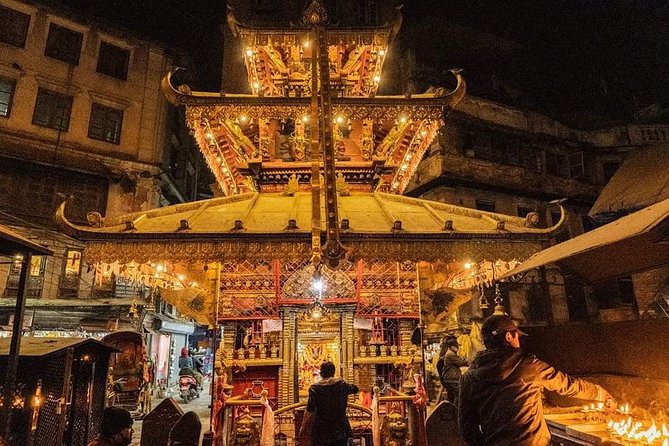
Also, the format is ideal if you’re seeing Kathmandu for the first time. Instead of picking one or two stops and feeling like you missed the rest, you leave with a connected sense of the city: royal power in the Durbar Square complex, hilltop spirituality at Swayambhunath, Hindu devotion at Pashupatinath, and Tibetan Buddhism at Boudhanath.
You can also read our reviews of more city tours in Kathmandu
Price and value: what $50.50 gets you (and what it doesn’t)
At $50.50 per person, this isn’t just a ticket to attractions. You’re paying for four things that add up fast in Kathmandu: a professional guide, private air-conditioned transport, and round-trip hotel transfers, all rolled into one day.
Where the math gets slightly less tidy is what’s not included. Admission tickets are not included, and lunch isn’t included. That’s common for city tours, but it changes how you budget your day. If you prefer to eat where locals eat, you’ll like the flexibility. If you want everything set in advance with zero extras, you’ll need to add lunch cost separately.
The time value also matters. With roughly 6 to 7 hours on the schedule, this tour is built for momentum. You won’t have to spend your limited vacation hours negotiating transit between four distant heritage areas.
How the day flows: pacing, timing, and group size
The tour keeps a practical rhythm: short guided windows at each stop, plus driving time between them. The visiting time per site is listed as about 2 hours for Kathmandu Durbar Square, and around 1 hour each for Swayambhunath, Pashupatinath, and Boudhanath.
That pacing is smart for most people. You’re not trapped for half a day at any one location, and you still get enough time to walk, absorb, and ask questions. Plus, with a maximum of 15 travelers, you’re more likely to get real conversation with the guide instead of feeling lost in a crowd.
I also like that confirmation happens at booking, and you’ll have a mobile ticket. In a place where logistics can feel more complex than you expect, simple ticket handling reduces friction.
Stop 1: Kathmandu Durbar Square and the royal core
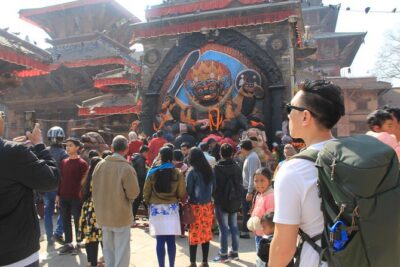
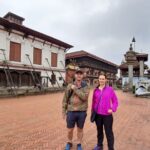
Kathmandu Durbar Square is where the city’s power and pageantry used to live. This complex served as the seat of the Malla kings, and later the Shah dynasty, with origins going back to the 12th century. Even if you don’t read every stone, the setting helps you understand how Kathmandu became a capital of both politics and sacred tradition.
In a guided visit, the real win is context. Durbar Square can look like a cluster of monuments at first glance, but your guide’s job is to connect them to the story of rulership, ceremonies, and architectural identity across eras.
Potential drawback: it takes real attention and steady walking. If you’re sensitive to crowds or want slow, quiet roaming, you may need to remind yourself that this is a scheduled circuit. Still, the 2-hour window is generous enough to slow down and linger at the details that catch your eye.
Stop 2: Swayambhunath hilltop stupa and the view-making climb
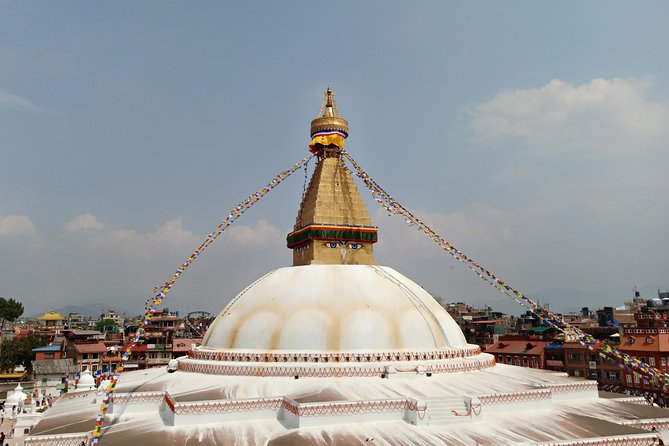
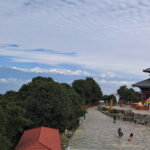
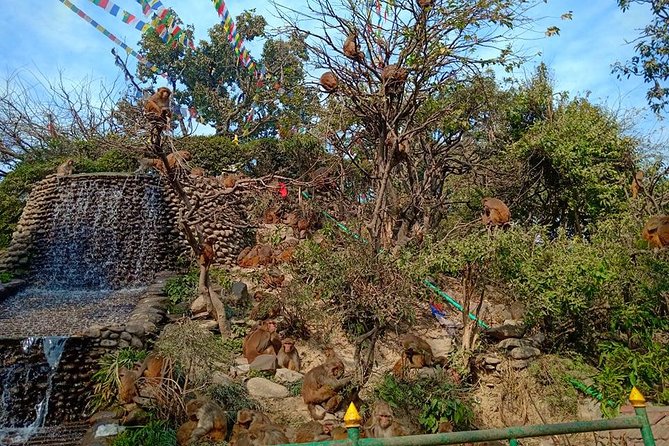
Swayambhunath is one of the oldest religious sites in Nepal, with a founding legend that stretches back over 2,000 years. The stupa is tied to a story of emerging from a lotus flower, which adds a mythic layer to what you’ll see when you arrive.
Why this stop works in a one-day itinerary: it changes the tone. After Durbar Square’s royal and urban feel, Swayambhunath brings a hilltop, spiritual viewpoint. It’s the kind of place where you’ll naturally slow down and look outward, not just at carvings.
Consideration: being on a hilltop means you’ll likely have some uphill walking and uneven ground. Plan your footwear accordingly, and don’t let the climb distract you from enjoying the panorama when you reach the stupa area.


Stop 3: Pashupatinath Temple and Shiva at the center
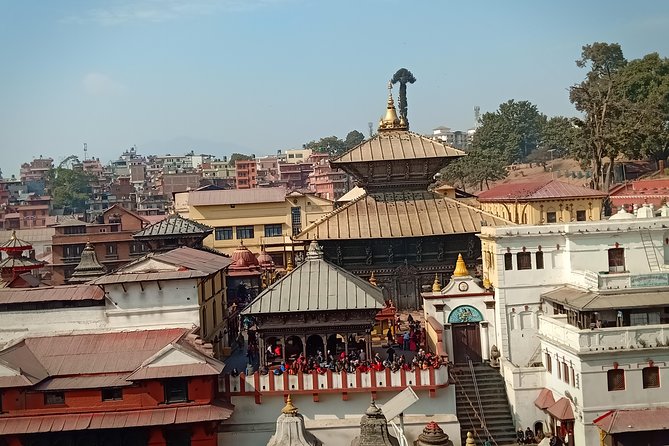
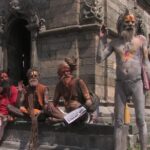
Pashupatinath Temple is dedicated to Lord Shiva and dates back to 400 A.D., making it one of the oldest and most sacred Hindu temples in the world. It was rebuilt by King Bhupatindra Malla in the 17th century after damage, so the site carries layers—devotion, rebuilding, and continuity.
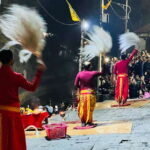
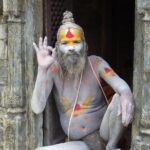
This is the stop that usually feels the most alive. It’s not just architecture; it’s a living religious landscape that draws worshippers, ceremonies, and daily rituals. With a guide, you’re more likely to understand what you’re seeing rather than just photographing surfaces.
Potential drawback: like many active temples, you may have areas where movement is restricted and rules are enforced. If your instinct is to stand wherever you want for pictures, you may need to adjust quickly. Keep your expectations flexible, follow guidance from your host, and you’ll have a smoother experience.
Stop 4: Boudhanath Stupa and Tibetan Buddhism’s landmark
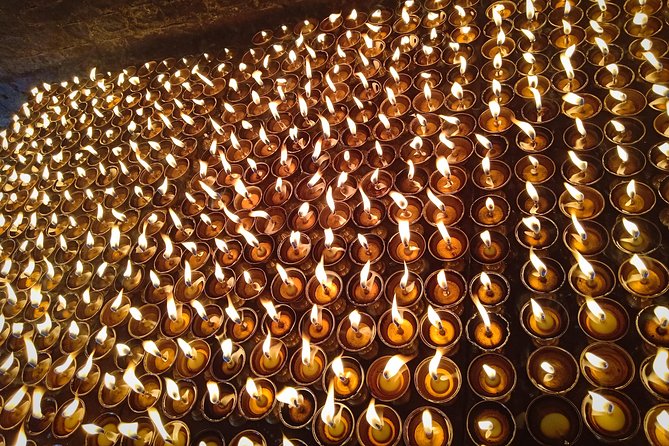
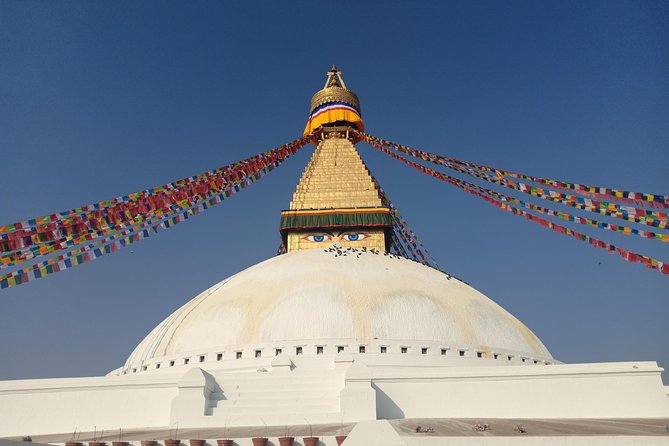
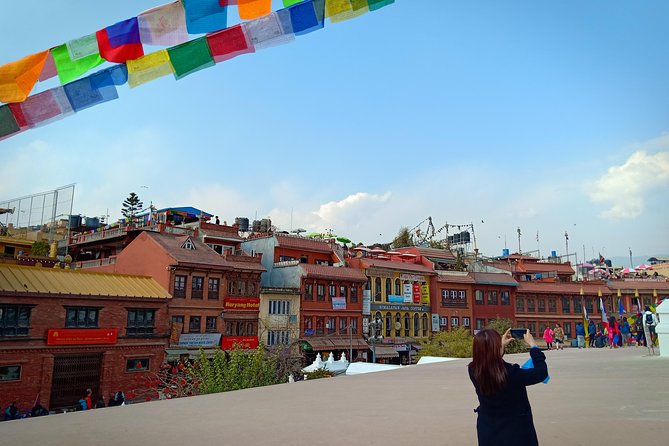
Boudhanath Stupa has a different origin story than the Hindu sites. It was built in the 5th century, and later became a major center for Tibetan Buddhism after refugees fled to Nepal. It’s also described as one of the largest stupas in the world, and a key pilgrimage center.
This stop is valuable because it rounds out Kathmandu’s spiritual map. If you’ve only seen one religious tradition in your travels, Boudhanath helps you understand how Kathmandu became a crossroads for multiple faiths, languages, and communities.
With your guided hour here, the goal is not to rush. Instead, it’s a chance to slow your senses and observe how the space is used for devotion. Look for the details that show how Tibetan Buddhist culture expresses reverence through the stupa’s scale and the way people move around it.
Consideration: larger iconic sites can mean more foot traffic at certain moments. If you want calm, aim to keep your attention on your guide’s timing and don’t fight the flow.
The guide quality: where Saru’s storytelling really matters
Your guide can make or break a heritage day. Here, the guide component is a core part of the experience, and it shows in the strongest reviews. Saru, a female guide mentioned in feedback, gets praised for being friendly and compassionate, with an ability to explain what you’re looking at in a way that actually sticks.
That kind of guiding matters because Kathmandu’s monuments are not straightforward. Even when you know the basics, the deeper meaning—what a site represents, how it evolved, why certain spaces matter—only comes alive when someone narrates it clearly.
If you want to get the most out of this tour, come with two or three questions in your head. Ask things like how each site’s tradition connects to Kathmandu Valley’s larger story, or what changes when you move from Hindu temples to Buddhist landmarks. A good guide like Saru can usually point you toward what to notice in the moment.
Practical tips so the day feels smooth
This is a straightforward itinerary: four sites, private vehicle, guide-led time at each stop. But Kathmandu can be unpredictable, so your best prep is simple and real-world.
- Wear comfortable shoes and plan for walking on uneven ground at temple sites.
- Bring something for sun or light rain since your time outdoors can vary.
- Think about what you’ll do for lunch since it’s not included; decide if you want a quick local meal or a sit-down break.
Also, keep your camera work respectful. At active religious locations, the best photos often come from watching where people are focused—then aligning your shots to the same calm energy.
Who this tour is best for
This is a strong match if you:
- Are a first-time visitor and want an efficient introduction to UNESCO-listed Kathmandu
- Are short on time but still want the context that makes monuments meaningful
- Prefer small-group pacing over big-bus tours
- Like a structured day with hotel pickup and drop-off to remove stress
It’s also a good option if you’re the type who doesn’t want to spend your day building a transportation plan across four separate neighborhoods.
Should you book this UNESCO Kathmandu sightseeing tour?
I’d book it if you want a day that does the heavy lifting for you: four key UNESCO heritage sites, guided interpretation, and private transport that keeps you moving without the constant transit brainwork. The price is reasonable for a guided, transfer-based day, especially with the small group size.
I’d hesitate only if you strongly prefer fully self-paced exploring, or if you hate any add-ons like admission tickets and choosing your own lunch. If that’s you, you can still DIY, but you’ll be trading convenience for control.
FAQ
What locations are included on the tour?
The tour covers Kathmandu Durbar Square, Swayambhunath Stupa, Pashupatinath Temple, and Boudhanath Stupa.
How long is the tour?
It runs for about 6 to 7 hours.
Is hotel pickup and drop-off included?
Yes. The tour includes round-trip transfer from your hotel and back.
Is admission to the sites included in the price?
No. Admission tickets are not included.
Is lunch included?
No. Lunch is not included.
How large is the group?
The tour has a maximum of 15 travelers.
Do I get a mobile ticket?
Yes. The tour includes a mobile ticket.
Is transportation provided?
Yes. You’ll travel in a private air-conditioned vehicle.
What is the cancellation policy?
You can cancel for a full refund up to 24 hours in advance of the experience start time. Canceling less than 24 hours before the start time does not get a refund.