REVIEW · KATHMANDU
Kathmandu Full Day Tour
Book on Viator →Operated by Outfitter Nepal · Bookable on Viator
Four UNESCO stops, one smooth Kathmandu day.
This is a great way to get your bearings fast while learning how Hinduism and Nepalese and Tibetan Buddhism show up in real places. I especially like the hotel pickup and drop-off, because it saves you from the usual Kathmandu meeting-point stress. I also like the guide’s clear English, with stories that make the sites feel more than postcard scenery (Birodh Burlakoti is one name that comes up a lot). One drawback to plan for: UNESCO entrance fees are not included, and they add up (about 2,600 NPR per person).
You’ll spend about 6 hours on a small-group loop, typically with roughly an hour at each major stop, moving from one sacred site to the next. It’s a strong “first day in Kathmandu” choice—especially if you want the big names without spending your whole day figuring out logistics.
In This Review
- Key takeaways before you go
- A one-day route that hits Kathmandu’s loudest sacred landmarks
- Price and logistics: what $70 buys you in real life
- Swayambhunath Temple: your Buddhism introduction in the hills
- Kathmandu Durbar Square: Hanuman Dhoka Square in Basantapur
- Bouddhanath Stupa: the 36-meter center of prayer
- Pashupatinath Temple: Shiva devotion and deep time
- The guide is the real “plus” here
- How earthquake damage changes what you’ll see
- What to budget: entrance fees, lunch, and souvenirs
- Small risk notes: transport hiccups and pace
- Should you book this Kathmandu Full Day Tour?
- FAQ
- What’s included in the Kathmandu Full Day Tour price?
- Are UNESCO site entrance fees included?
- How long is the tour?
- Do I get hotel pickup and drop-off?
- Is this tour suitable for children?
- How many people are in the group?
- Can I get a full refund if I cancel?
Key takeaways before you go
- Pickup and drop-off keep the day from turning into a scavenger hunt.
- Interfaith context helps you understand what you’re seeing at each shrine.
- Small-group size (max 30) makes the stops feel organized, not chaotic.
- Multiple UNESCO sites in one day saves time in a city that’s busy.
- Boudhanath’s scale (a 36-meter stupa) is a real Kathmandu highlight.
- Plan for extra entrance fees since tickets are not included.
A one-day route that hits Kathmandu’s loudest sacred landmarks
Kathmandu can feel like sensory overload on day one. This tour cuts through that by stacking the key religious and UNESCO-listed landmarks into a single loop, with a local guide to connect the dots as you go. You’re not just moving from monument to monument—you’re getting the meaning behind why people come, how traditions overlap, and what to notice once you’re standing there.
The vibe is practical. You’ll be outdoors, moving between neighborhoods, and doing short visits rather than long stays. If you’re the type who wants to see the highlights and then wander on your own later, this format works well.
You can also read our reviews of more tours and experiences in Kathmandu

Price and logistics: what $70 buys you in real life
At $70 per person for a roughly 6-hour day with private transportation and hotel transfers, you’re paying for time-saving and organization. The best part is that you don’t have to coordinate transport between far-apart sites or hunt for the meeting location.
A few things to keep in mind so you don’t get surprised:
- Entrance tickets to UNESCO sites are not included. The tour lists an approximate cost of 2,600 NPR per person.
- Lunch is also not included, so you’ll want to bring cash or plan where you’ll eat.
- The day is designed for group efficiency, so the pace is geared toward seeing everything listed rather than linger-until-it-feels-like-forever.
One more practical note: the tour uses mobile tickets, which is handy once you’re in Kathmandu and just want everything digital. Reviews also point out that pickup can sometimes involve walking a short distance to meet the group, so don’t assume the car will wait at every exact hotel door.
Swayambhunath Temple: your Buddhism introduction in the hills
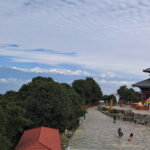
Your day starts with Swayambhunath Temple, a Tibetan Buddhist stupa site. It’s a smart opening move because it sets the tone for the day: you’re not starting with Hindu architecture, then switching your brain later.
What I like about beginning here is that the guide can explain the basics in plain terms before you head into the more Hindu-centered stops. That makes the rest of the tour easier to follow. You’ll get about an hour at this stop, which is enough time to walk around, look closely, and understand the spiritual role the site plays for worship.
Possible consideration: these are religious spaces, so expect crowds at peak times and plan for respectful behavior (quiet voices, modest clothing, and patience around shrine etiquette).
Kathmandu Durbar Square: Hanuman Dhoka Square in Basantapur
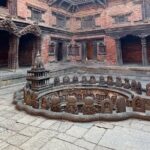
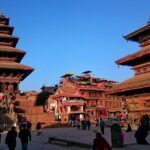
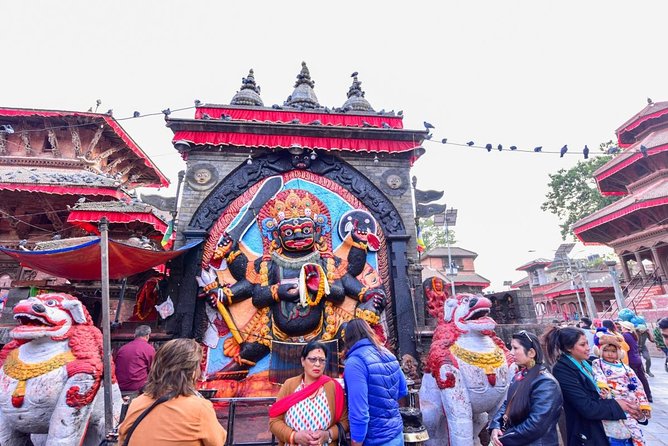
Next up is Kathmandu Durbar Square, also known as Hanuman Dhoka Square or Basantapur. This is a UNESCO World Heritage site and a natural bridge from Buddhism to Hindu themes. The name itself is a clue that this area is about royal Kathmandu—palaces, courtyards, and temples packed into a walkable core.
You’ll have about an hour here. For a first visit, that’s useful because it lets you see the major highlights without turning your whole day into one long stop. You’ll also learn how the site connects to Kathmandu’s earlier royal era and how the religious monuments sit inside everyday history.
Trade-off: Durbar Square is the kind of place where it’s easy to get caught up in details and run over time. If you’re the sort who wants to read every inscription and examine every doorway, keep an eye on the group clock. This tour is built for moving.
Bouddhanath Stupa: the 36-meter center of prayer
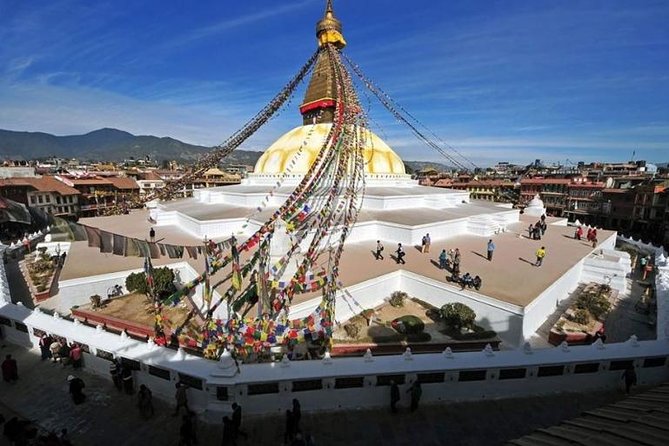
After the palace-and-royal vibe of Durbar Square, the day shifts to Bouddhanath Stupa, often described as one of the most imposing sites in the Kathmandu Valley. Here you get concrete scale: the stupa is listed as 36 meters high, and it’s described as among the biggest stupas in the valley.
You’re there for about an hour. This is a great stop to slow down a bit mentally, because stupa sites invite you to look at how people move, pray, and spend time. If your guide explains the symbolism while you’re there, it lands better than explanations you read later.
If you care about photography, this is also a strong place to take your time. Reviews mention guides, including Birodh Burlakoti, helping people find good angles and moments for photos.
Optional planning thought: lunch isn’t included, but Bouddhanath is the kind of area where you can usually find places to eat nearby. If you want your meal tied to the setting, ask your guide where they recommend around this stop.
Pashupatinath Temple: Shiva devotion and deep time
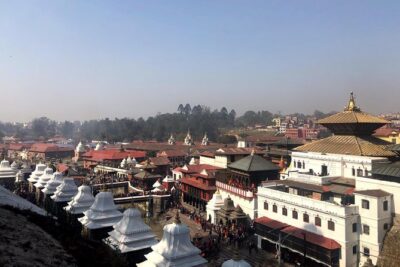
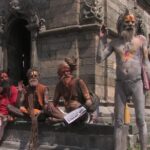
The tour then moves to Pashupatinath Temple, devoted to Lord Shiva. The listing describes it as one of the four most vital religious sites in Asia for Shiva devotees, and it notes the temple was built in the fifth century and later redesigned by Malla rulers.
That long timeline is exactly why this stop matters. In one day you’ll see how sacred sites keep evolving while staying tied to spiritual identity. It’s not just architecture; it’s continuity.
You’ll get about an hour. That’s enough time to understand what you’re looking at and to learn the Shiva-centered significance without having to stay all day.
Respect note: this is a working religious site. Even with a guide, it’s worth keeping your expectations flexible. If there’s a ceremony or heavier foot traffic, your best move is to pause, watch from a respectful distance, and let your guide guide the route around the busiest moments.
The guide is the real “plus” here
The most consistently praised part of this tour is the guide experience. Reviews highlight excellent English and explanations that make the sites feel alive, not repetitive. Names that show up include Birodh Burlakoti and his easygoing style, with comments about how he made the talks come to life and even helped people with photo opportunities.
This matters for you because Kathmandu’s religious geography can feel confusing fast. Hindu temples, Buddhist stupas, and the local mix of traditions can blur together unless someone gives you the “what am I looking at and why it matters” framework.
A practical tip that comes out of the good-guides pattern: if you’re unsure about pronunciation of place names, ask your guide to repeat key names slowly. That way you won’t miss chance to shop for small crafts tied to the area you’re already standing in.
How earthquake damage changes what you’ll see
One important context point: the tour notes significant damage to some of the sites due to the earthquakes in April and May 2015. That means your visit might include areas that look repaired, partially closed, or different from what you might expect from older photos.
I like that this tour doesn’t hide the reality. It helps you treat the sights as living places shaped by history and rebuilding, not museum sets.
What you can do: wear comfortable shoes, keep your expectations flexible, and let your guide tell you what’s affected in the areas you’ll walk through.
What to budget: entrance fees, lunch, and souvenirs
Even with the tour price set at $70, your final day cost will depend on the optional expenses you choose. Here’s what’s explicitly listed:
- Entrance fees are not included (about 2,600 NPR per person).
- Lunch is not included.
- Shopping isn’t included.
Value-wise, the entrance fee is part of what you’re paying to access UNESCO-listed sites properly. The key is to treat it as a planned add-on, not a surprise.
For a smoother day, do this before you’re out the door:
- Bring cash for entrance and snacks.
- Have a plan for lunch timing around the last big stop.
- Decide how much you want to spend on souvenirs. These neighborhoods tend to have lots of small items that tempt you, especially around shrine areas.
Small risk notes: transport hiccups and pace
Most days will run smoothly with private transportation and a small-group setup. Still, there’s at least one review that points to a car issue halfway through, with the group asked to walk in dusty traffic under strong sun, and a complaint about lack of air conditioning.
That’s not something you can fully control, but you can protect yourself:
- Carry water.
- Wear sun protection.
- Don’t assume every minute will be in comfort if something mechanical happens.
Pace is another practical factor. One positive review also hints that keeping up can be tough for very young or less fit group members. This tour is built for movement between four major sites, so if you want a slow, lingering experience at every stop, you might feel rushed.
Should you book this Kathmandu Full Day Tour?
If your goal is a confident first day with Kathmandu’s biggest religious names—and you want someone to explain the meaning as you walk—you should book it. The combination of hotel transfers, small-group structure, and the praised English explanations makes it feel like a smart shortcut.
I’d think twice if you hate any extra cost (because UNESCO entrances are not included) or if you need a very slow pace with lots of downtime. Also, if you’re very sensitive to walking in heat, come prepared. A single transport hiccup can turn into a dusty slog, even if it’s not the norm.
My call: book this if you want to see the core of Kathmandu fast and leave with questions you actually know how to ask the next day.
FAQ
What’s included in the Kathmandu Full Day Tour price?
The tour includes hotel pickup and drop-off, a local tourist guide, a small-group departure, and private transportation.
Are UNESCO site entrance fees included?
No. Entrance fees are not included and are listed as approximately 2,600 NPR per person.
How long is the tour?
The tour runs for about 6 hours (approx.).
Do I get hotel pickup and drop-off?
Yes. Pickup from your hotel and drop back to your hotel after the tour are included.
Is this tour suitable for children?
Children must be accompanied by an adult.
How many people are in the group?
The maximum group size is 30 travelers.
Can I get a full refund if I cancel?
Yes. You can cancel up to 24 hours in advance for a full refund. If you cancel less than 24 hours before the experience starts, it is not refunded.
If you’d like, tell me your travel dates and whether you prefer Hindu sites or Buddhist sites more, and I’ll suggest what to prioritize during the day so it feels tailored to you.