REVIEW · POKHARA
Entire Day Pokhara Complete Tour
Book on Viator →Operated by Peak to Peak Tours and Treks Pvt Ltd · Bookable on Viator
Pokhara rewards early starts, and this tour is built around that payoff. I like the way a licensed guide (often Gobinda) keeps things moving while adding history and culture, and I love that you hit both top viewpoints and local stops without bouncing between buses all day. One drawback: on a cloudy morning, sunrise views from Sarangkot can be disappointing.
You’ll also appreciate the practical setup: an air-conditioned vehicle, included entrance fees for several major sights, and a route that strings together Pokhara’s key landmarks in roughly 6–7 hours. It runs as a private group, so it feels smoother than squeezing into a crowd, even though you’ll still see plenty of people at the popular spots. Food and drinks aren’t included, so plan ahead unless you enjoy hunting between stops.
In This Review
- What makes this Pokhara day tour tick
- Key things I’d highlight
- A Road Trip Through Pokhara’s Big Views and Everyday Faith
- Sarangkot Sunrise: High-Energy Views (Even When Weather Has Other Plans)
- Phewa Tal and Barahi Temple: A Sacred Lake Stop You Can Feel
- Devi’s Fall and Gupteswar Gupha Caves: Water, Rock, and Unexpected Views
- Devi’s Fall
- Gupteswar Gupha
- International Mountain Museum and Gorkha Museum: Learning That Doesn’t Feel Like Homework
- International Mountain Museum
- Gorkha Museum
- Seti River Gorge and Seti Gandaki: Understanding Pokhara’s Water-Formed Terrain
- Seti River Gorge
- Seti Gandaki (Seti River) viewing from a hanging bridge
- Peace Pagoda Sunset, Bindhyabasini Rituals, and Tibetan Refugee Camp Culture
- World Peace Stupa access road: Peace Pagoda views
- Bindhyabasini: Sacred feminine temple on the hilltop
- Tibetan Refugee Camp: Exiled community and lived culture
- Price and Logistics: What You’re Really Paying For
- Who This Tour Fits Best (and Who Might Prefer Something Else)
- Should You Book This Pokhara Complete Tour?
- FAQ
- How long is the Entire Day Pokhara Complete Tour?
- Is pickup included?
- Are entrance tickets included?
- Is food included in the price?
- Is this tour private?
- What’s the cancellation policy?
What makes this Pokhara day tour tick
Sarangkot sunrise and Peace Pagoda sunset give you two big sky-and-mountain moments. International Mountain Museum is a standout if you like learning how the Himalaya shapes people and stories. The itinerary is packed, so the day works best if you’re comfortable with lots of short walks and quick photo stops.
Key things I’d highlight
- Sarangkot (sunrise) + city panorama sets the tone for the whole day
- Phewa Tal + Barahi Temple pairs a lake viewpoint with a sacred stop
- Devi’s Fall and Gupteswar Gupha show how Pokhara’s water and caves work together
- International Mountain Museum turns Himalayan awe into real context
- Seti River Gorge and the hanging bridge viewpoint help you understand the terrain
- Peace Pagoda at sunset closes the loop with valley and lakeside views
You can also read our reviews of more tours and experiences in Pokhara

A Road Trip Through Pokhara’s Big Views and Everyday Faith
This tour is simple in concept: you ride around Pokhara in an air-conditioned private car while a licensed guide fills in the meaning behind what you see. That matters in Pokhara, because many of the most famous places are not just scenery. They’re religious sites, cultural meeting points, and local story places.
You’ll get about a half-day’s worth of highlights, but the pace is still manageable because the stops are mostly timed and close enough together to keep the day from dragging. You can also relax knowing entrance fees are included for several stops, so you’re not constantly wondering what costs extra.
And yes, the day is focused on viewpoints. You’ll be chasing morning light, then switching to cave-and-museum time, then aiming for evening color near the Peace Pagoda.
Sarangkot Sunrise: High-Energy Views (Even When Weather Has Other Plans)
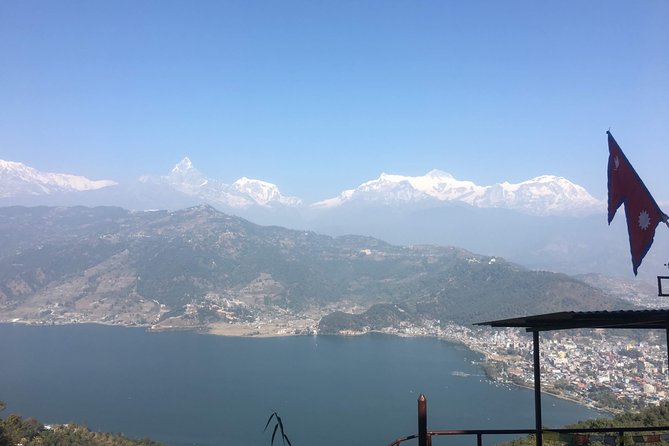
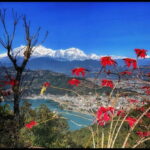
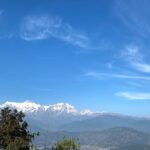
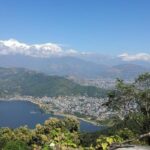
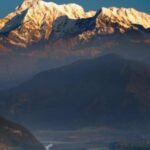
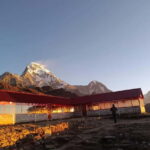
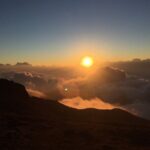
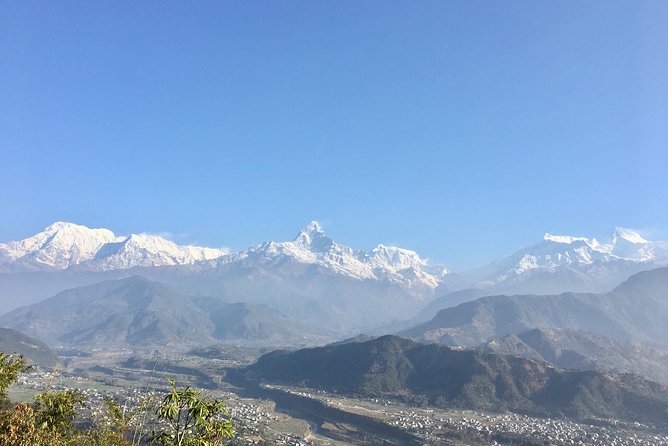
Sarangkot is the early-morning anchor. The drive up is part of the experience, because you’re climbing toward the kind of viewpoint where clouds can either cooperate or steal your show. The goal is sunrise over the Annapurna Himalayan range, plus a broad panorama of Pokhara city.
I like this stop for two reasons. First, the timing is intentional. Second, it’s one of the few chances in Pokhara to take in a wide composition: city, hills, and mountains in the same frame.
Here’s the practical note that can make or break your morning: if it’s cloudy, sunrise can be hard to see. One guide-led day I heard about had enough cloud cover that sunrise visibility didn’t happen the way people hoped. That doesn’t ruin the trip, but it changes what you can capture and what you can feel in the moment.
Tip: bring a light layer for the early hours. Even when Pokhara’s warmer later, mornings at viewpoints can feel chilly.
Phewa Tal and Barahi Temple: A Sacred Lake Stop You Can Feel
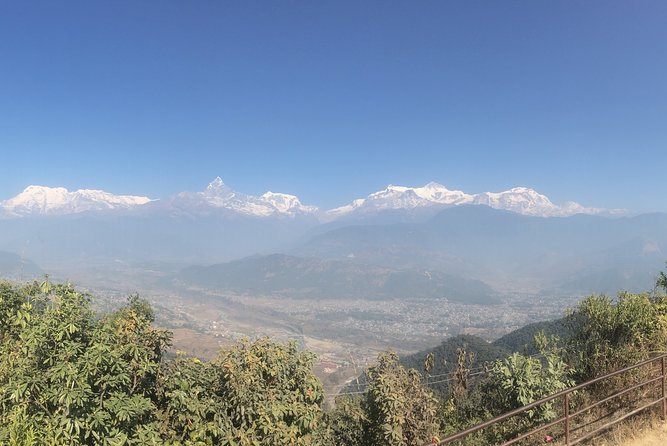
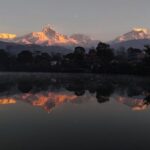
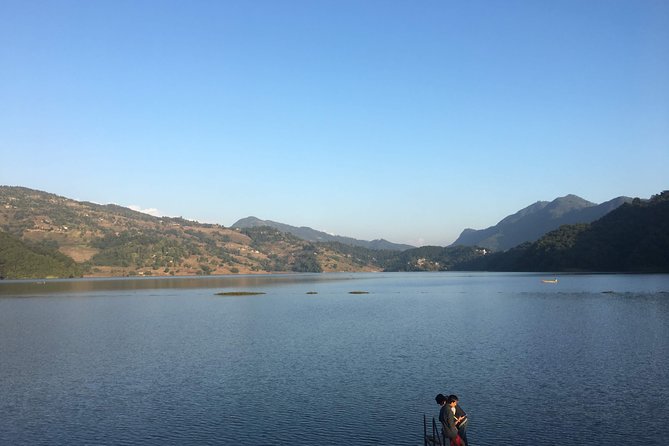
After the viewpoint rush, the tour shifts to calmer energy at Phewa Tal. You’ll visit the Barahi temple on the lake and then explore the surrounding area along the outskirts.
What I like here is the contrast. Sarangkot is big sky and mountain drama; Phewa Tal is water-level life. You’ll see how the lake sits right inside local routine, not off in some separate world.
Barahi Temple is the kind of place where you notice details: how visitors approach, how people treat the site with respect, and how the setting makes faith feel grounded. The stop is short, so you’re not trying to “do everything,” but you do get enough time to take in the temple and the lake atmosphere.
Entrance tickets are included for this stop, which keeps things easy. And because the day’s already built around a steady cadence, you won’t feel rushed in the way you can at poorly planned tours.
Devi’s Fall and Gupteswar Gupha Caves: Water, Rock, and Unexpected Views
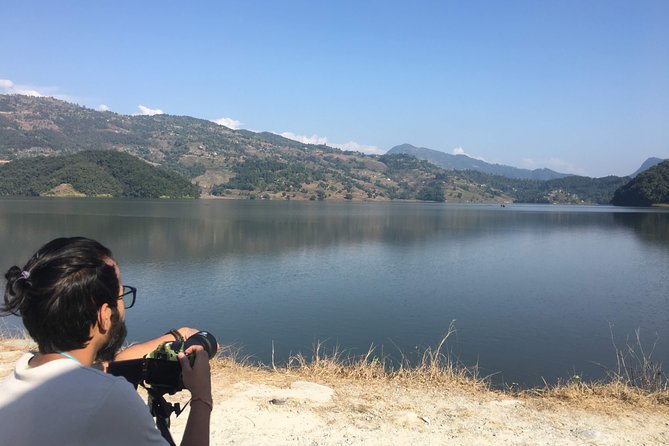
Pokhara’s famous water stories show up here in a big way.

Devi’s Fall
You’ll visit Devi’s Fall, a place known for water that disappears into the underground cave system beneath the city. The effect is eerie in a good way: you’re standing above a natural mechanism that feels bigger than it looks from the street.
The time here is brief, but it’s built for quick wonder and photo time. Entrance tickets are included, so you can focus on the experience instead of ticket lines and prices.
Gupteswar Gupha
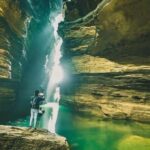
Next comes Gupteswar Gupha, where you explore caves and an ancient Shiva temple. This is known for rock formations that naturally form stalagmites. There’s also a special element in how water behaves seasonally—during the fall, you can go deeper and see the waterfall from inside the cave as it flows into the river system.
That inside view is the standout concept. Even if you’re not a hardcore cave person, it’s a rare chance to watch how the same natural force—water—can be both scenic from outside and startling when you’re closer to the source.
Both cave stops are excellent for photography, but they’re also the best places to slow down for a minute and watch how others move. If you take your time, you’ll spot the flow of people, the areas with the best sightlines, and the quiet corners where you can just listen.
International Mountain Museum and Gorkha Museum: Learning That Doesn’t Feel Like Homework
After the cave intensity, the day turns toward stories—big ones.
International Mountain Museum
This is where I’d bet you’ll feel the strongest payoff if you enjoy context. The museum covers the Himalayas—the history, the people, and how the mountains inspire and connect to the wider world. It’s a short stop, but it’s paced like a highlight section, not a deep, exhausting museum marathon.
The reason I think it works is that it gives shape to the awe you’re already seeing outside. When you’ve just chased sunrise over the Annapurnas, you’re primed to care about how the Himalaya changes lives and imaginations. That’s also why it’s often the favorite part: it turns scenery into meaning fast.
Entrance is included, so again, you won’t lose time figuring out costs.
Gorkha Museum
Then you’ll stop at the Gorkha Museum to learn about the Gorkhas and their reputation for bravery. It’s a shorter visit, but it’s useful if you want at least a starting point for understanding Nepal’s martial history and national identity.
If you tend to skip museums, this still may be worth it because it connects to the bigger Nepal story you’re surrounded by in everyday life—flags, monuments, and the way locals talk about heritage.
Seti River Gorge and Seti Gandaki: Understanding Pokhara’s Water-Formed Terrain
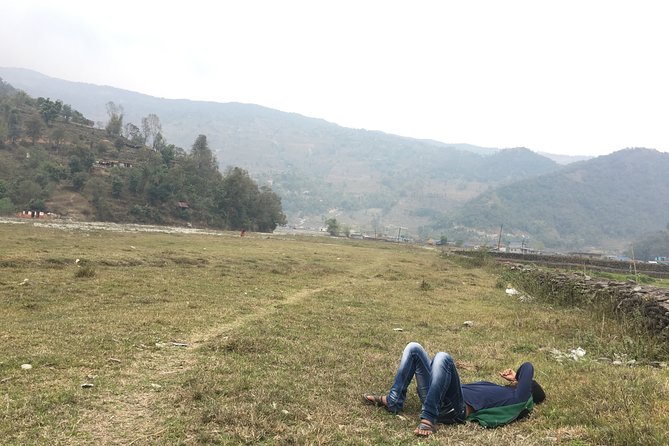
Now you start seeing how the river system shapes what you’re standing on.
Seti River Gorge
You’ll get a glimpse of Seti River Gorge, where the Seti river cuts through deep areas and helps form the terrain. The stop is short, but it gives you a visual explanation for why Pokhara looks the way it does: not just hills and lakes, but a landscape carved by water over time.
Seti Gandaki (Seti River) viewing from a hanging bridge
Then comes a more dramatic viewpoint at Seti Gandaki, where you’ll look from a high hanging bridge—one of the common bridge styles used around Nepal. That detail matters. It isn’t only a photo moment; it gives you a sense of how everyday infrastructure adapts to rivers and terrain.
Safety-wise, you’ll want to follow the guide’s cues and take it at a comfortable pace. If you’re nervous around heights, this is the stop where you’ll feel it most.
For most people, though, it’s a memorable switch: from caves and museums to a direct look at how water and ground meet.
Peace Pagoda Sunset, Bindhyabasini Rituals, and Tibetan Refugee Camp Culture
The late-day stops bring Pokhara’s spiritual and cultural side into sharper focus.
World Peace Stupa access road: Peace Pagoda views
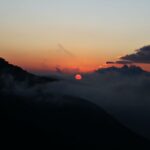
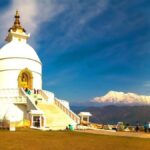
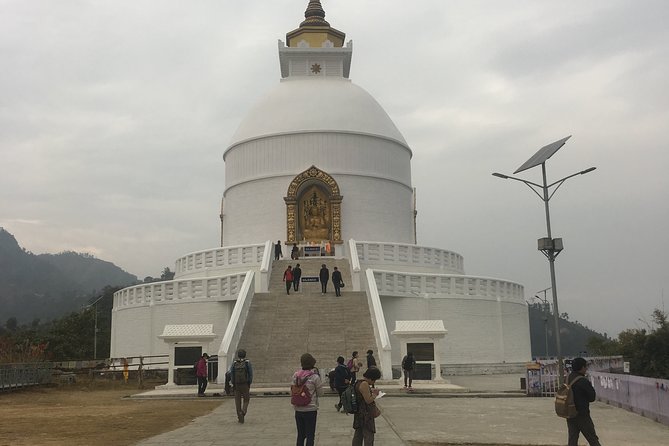
You’ll go up to the World Peace Stupa access road, a spot that offers views of the Pokhara valley and Phewa Lake from the Peace Pagoda area. This is where you aim for sunset. Even when the horizon isn’t perfect, the viewpoint gives a strong sense of place: city lights-to-lake curves-to-mountain distance, all in one sweep.
Admission here is listed as free, and the stop is longer (about 45 minutes), which gives you breathing room. You’re not just snapping one photo and leaving—you can take a moment, watch the sky change, and let the day’s earlier stops make more sense.
Bindhyabasini: Sacred feminine temple on the hilltop
Next is Bindhyabasini, a hilltop temple connected to Hindu tradition and sacred feminine symbolism. You’ll experience customs and sacred rituals here.
This is a meaningful cultural stop. The temple gives you a window into how worship works in daily rhythm—not a staged tourist performance, but something people treat seriously.
Because it’s a shorter stop, the goal is respectful observation and a bit of understanding, not a full religious deep-dive.
Tibetan Refugee Camp: Exiled community and lived culture
Finally, you’ll visit the Tibetan Refugee Camp area. This is about the Tibetan people exiled from their country and how they formed a community in Pokhara. The focus is cultural experience—seeing how identity, traditions, and daily life continue in a new place.
This stop is free and about 30 minutes, so it’s designed for a brief cultural introduction. If you enjoy meeting people through places rather than just through sights, you’ll likely find this one of the most human segments of the day.
Price and Logistics: What You’re Really Paying For
At $114.53 per person, this isn’t the cheapest way to tour Pokhara—but it also isn’t inflated for what you get.
You’re paying for:
- An air-conditioned vehicle
- A licensed guide
- Pickup offered
- All fees and taxes (with tickets included at several stops)
- A route that covers major Pokhara highlights in one day
The tour is about 6–7 hours, which is a big part of the value math. If you were to piece together rides, entry fees, and a guide yourself, costs can climb fast—especially in a place where “just one more stop” turns into a lot more time on the road.
Two more practical points that affect your money:
- Food and drinks are not included, so you’ll add a meal or snacks.
- The day is busy, so it’s best if you’re okay with a packed itinerary rather than a slow, sit-and-stare approach.
Also, this is private—only your group participates. Private tours are often priced higher, but they also cut out the awkward “everyone waits, no one knows why” feeling that can happen on group departures.
If you’re deciding between this and a do-it-yourself day, think about your travel style. If you like efficiency, story, and fewer logistics headaches, this price can feel fair.
Who This Tour Fits Best (and Who Might Prefer Something Else)
This tour suits you if:
- You want maximum Pokhara highlights in one day without coordinating multiple tickets and rides
- You like a guided explanation of history and culture, not just photo stops
- You’re comfortable moving between viewpoints and indoor sites back-to-back
It’s also a good fit for people who like “earned variety”: sunrise viewpoint, sacred sites, caves, museums, river viewpoints, then a sunset finish.
You might want a different option if:
- You prefer a slow day with minimal walking and lots of free time
- You’re traveling when cloud cover is likely and sunrise viewing is your one must-have (because weather can change what you see from Sarangkot)
- You’re hoping for long, unstructured time at one place rather than quick high-impact stops
Should You Book This Pokhara Complete Tour?
I’d book it if you want a guided day that covers Pokhara’s signature mix of views, caves, museums, and spiritual sites—all with entrance fees handled and an air-conditioned car doing the driving. The biggest strengths are the guide energy (Gobinda is a name to look for) and the way the day lands the International Mountain Museum as more than just a stop—it gives you context that makes the mountain scenery feel real.
Skip it only if you hate packed schedules or you’re chasing sunrise so hard that any cloud cover would ruin your mood. If you’re flexible and enjoy learning while you go, this tour offers strong value for a one-day Pokhara hit.
FAQ
How long is the Entire Day Pokhara Complete Tour?
It runs for about 6 to 7 hours.
Is pickup included?
Yes, pickup is offered.
Are entrance tickets included?
Yes. Admission tickets are included for several stops, while some others are listed as free.
Is food included in the price?
No. All food and drinks are not included.
Is this tour private?
Yes, it’s private—only your group will participate.
What’s the cancellation policy?
You can cancel for a full refund up to 24 hours in advance of the start time. If you cancel less than 24 hours before, the amount paid is not refunded.