REVIEW · POKHARA
Half Day Tibetan Cultural tour Pokhara
Book on Viator →Operated by The Tibetan Encounter Day Tours P. Ltd · Bookable on Viator
Tibetan culture in Pokhara feels close-up. On this Half Day Tibetan Cultural Tour you walk through a Tibetan refugee settlement, visit a Buddhist monastery, and meet people who keep traditions alive, led by Mr. Thupten Gyatso. I especially like the mix of hands-on crafts and real-life context, with Tibetan doctor pulse reading standing out as the kind of visit you won’t get from a typical sightseeing loop.
One possible consideration: the day is discussion-heavy, so if your English is limited, you may need extra patience or help translating at times.
In This Review
- Key Points You’ll Actually Care About
- Why This Half-Day Tibetan Cultural Tour Works So Well in Pokhara
- Mr. Thupten Gyatso: The Guide Factor
- Start Time, Pickup, and the Small-Group Pace
- Walking a Tibetan Refugee Settlement: Daily Life, On Foot
- Monastery Stop: Prayer Wheels, Flags, and Stupas That Make Sense
- Tibetan Carpets by Hand: From Workshop Floor to Showroom
- Tibetan Schools and the Story Behind Refugee Life
- Meeting a Tibetan Doctor and Trying Pulse Reading
- Lunch of Momos and Thukpa: What You’ll Eat and How It Fits
- Price and Value: Is $63.52 Worth 4.5 Hours?
- Who Should Book This Tour (and Who Might Skip It)
- Should You Book This Half-Day Tibetan Cultural Tour in Pokhara?
- FAQ
- What time does the Half Day Tibetan Cultural Tour in Pokhara start?
- How much does the tour cost?
- Is pickup included?
- What will I see during the tour?
- Is food included, and can you handle dietary needs?
- How big is the group?
- Can I cancel and get a refund?
Key Points You’ll Actually Care About
- Small-group feel with a stated cap of max 8, while the activity notes a maximum of 15.
- Hands-on Tibetan craft time: you’ll watch hand weaving and then browse a carpet showroom.
- Buddhist symbols made practical at the monastery, from prayer wheels to prayer flags.
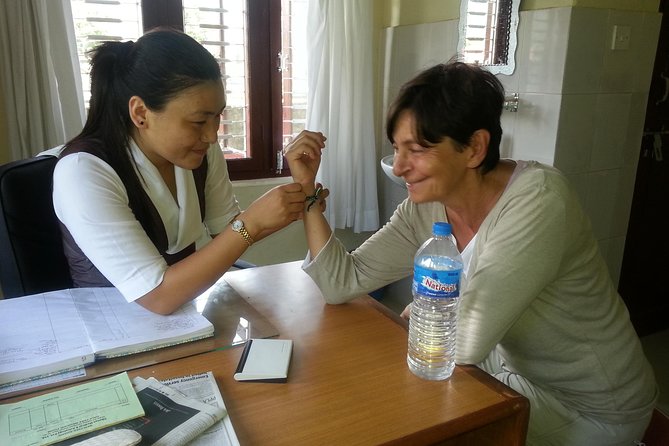
- Medicine you can see up close through a meeting with a Tibetan doctor and pulse reading experience.
- A proper meal included featuring Tibetan staples like momos and thukpa, plus vegetarian and gluten-free options.
Why This Half-Day Tibetan Cultural Tour Works So Well in Pokhara
Pokhara is full of half-day options, but this one feels purposeful. You’re not just collecting photos. You’re getting a guided look at how Tibetan Buddhism, daily village life, crafts, and refugee history connect in Nepal.
The timing also helps. With a start around 9:00 am and a return around 2:00 pm, you get a full cultural day without squeezing your evening. If you’re staying near Lakeside, the included hotel transfers make it easier to roll with the schedule instead of hunting transport.
This tour also has a strong “talk to real people” shape. You visit places where religion is practiced, crafts are made, and community knowledge is shared. That’s what makes it different from a basic visit that feels like a checklist.
You can also read our reviews of more historical tours in Pokhara

Mr. Thupten Gyatso: The Guide Factor
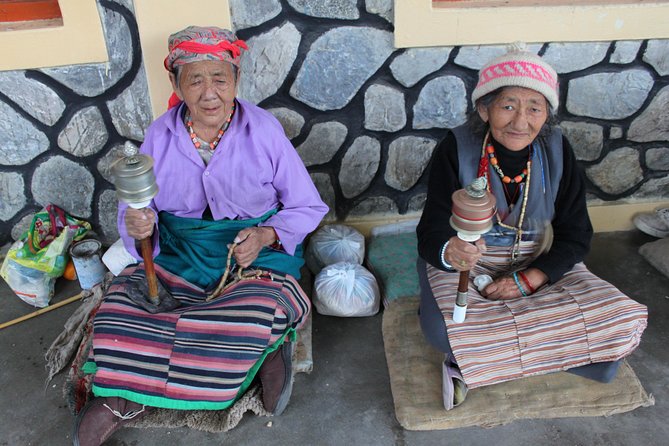
The big reason this tour feels coherent is the guidance from Mr. Thupten Gyatso, described as a Tibetan community guide with a passion for sharing Tibetan heritage. That matters because so much of the day is about meaning: what certain monastery signs represent, how education works in Tibetan schools, and what Tibetan medicine aims to understand.
You’ll also notice the day is guided through explanations tied to everyday life. Instead of treating symbols like museum objects, you learn how items like prayer wheels, prayer flags, and stupas show up in people’s routine practice.
One more practical note: the reviews you shared include examples of participants asking questions and chatting at length. So if you’re the kind of person who likes to ask why things are done a certain way, you’ll likely enjoy the back-and-forth nature of the tour.
Start Time, Pickup, and the Small-Group Pace
The day runs about 4 hours 30 minutes. You meet at 9:00 am, and you’re back around 2:00 pm. Pickup is offered, and hotel transfers are included, which cuts down on stress in Pokhara where traffic and timing can be unpredictable.
Group size is small by design. One part of the info says a small group with a max of 8, while the activity cap lists up to 15. Either way, it’s not a bus tour. You’ll move through stops with time to ask questions and get explanations without feeling rushed every few minutes.
If you’re traveling solo, you might find yourself with only a couple of people in your group. That can be a nice way to make the conversations less generic and more personal.
Walking a Tibetan Refugee Settlement: Daily Life, On Foot
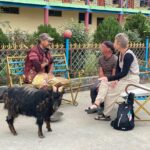
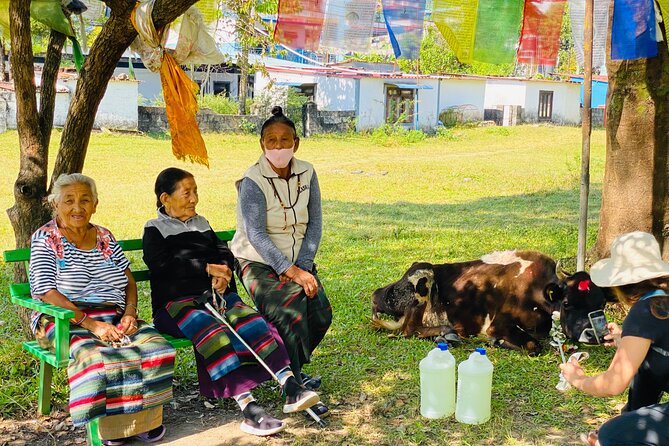
Your first major “real-life” block is a visit to a Tibetan refugee settlement. You’ll walk around the village and see daily routines from the outside and, with the guide’s help, understand what you’re looking at.
This is where the tour turns from “cultural sites” into “living community.” You get context about Tibetan refugee life in Nepal, including what brought people here and what has changed over time. You also learn that the community is not frozen in the past. It adapts through education, religion, crafts, and healthcare practices.
Practical tip: wear comfortable shoes. The day is built around walking and moving between workshop spaces and community areas. Even if it’s not a long hike, you’ll still want soles that don’t complain by midday.
Monastery Stop: Prayer Wheels, Flags, and Stupas That Make Sense
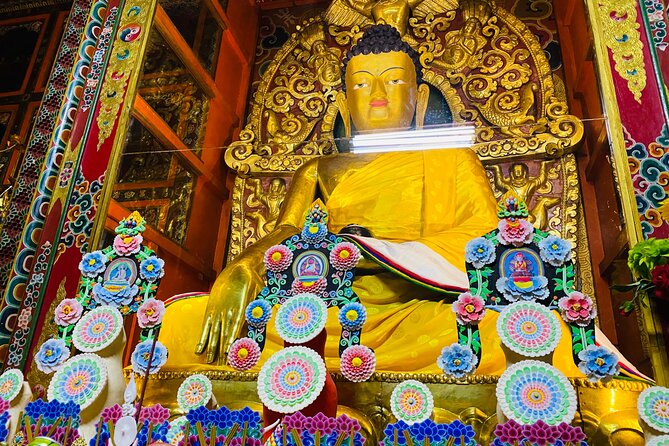
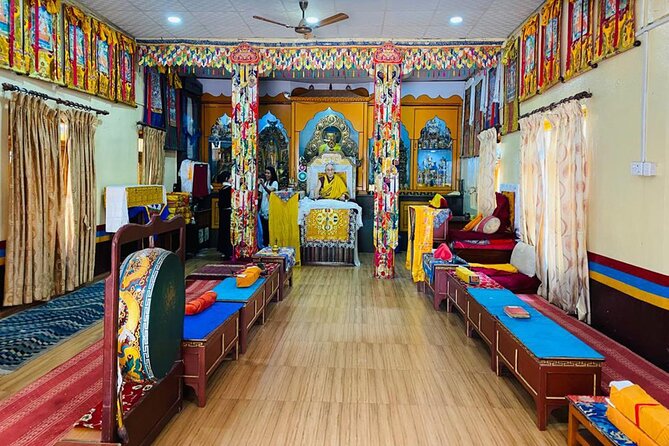
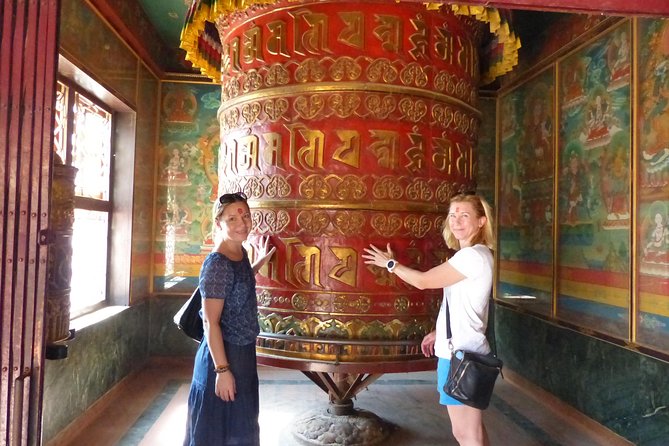
At the Buddhist monastery, you don’t just look around. You learn the meanings of common Buddhist signs and symbols used in day-to-day practice. The key ones mentioned include prayer wheels, prayer flags, and stupas.
For many visitors, this is the first time the symbols click. Prayer wheels aren’t just decorative objects when someone explains how they’re used and why they matter. Prayer flags also make more sense when you understand how they function as part of spiritual life.
You may also get a chance to speak with monks or ask questions during your visit, depending on how the timing fits with the monastery rhythm. If you want to ask something personal—how teachings are explained, how daily practice works—this is the stop where questions can feel especially welcome.
What to watch for: monastery settings often mean quieter moments. Keep your voice respectful and follow your guide’s pace so you don’t disrupt the flow.



Tibetan Carpets by Hand: From Workshop Floor to Showroom
If you like crafts, this part is a highlight. You’ll visit a carpet workshop to see how Tibetan carpets are made by hand, with the guide explaining each step in the process. After that, you’ll see a carpet showroom with a variety of designs and colors.
There are two advantages to this structure. First, you learn how the product happens, not just what it looks like. Second, you get a chance to connect the weaving process to what you see afterward in the showroom.
This stop also helps you see economics and culture together. Carpets aren’t only art. They’re skilled work tied to community life and tradition. Your guide’s explanations help you understand why certain patterns and colors might carry meaning for buyers and makers.
Practical note: if you’re sensitive to shopping pressure, you can treat the showroom as inspiration rather than obligation. You’re there to learn the craft, and you’ll have time to look and ask questions at your own pace.
Tibetan Schools and the Story Behind Refugee Life
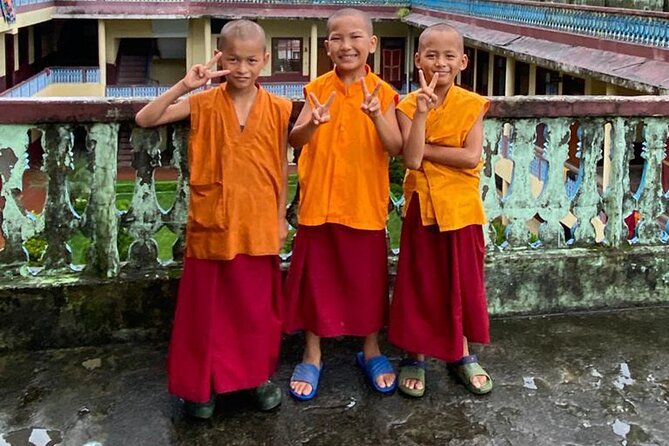
You’ll also learn about Tibetan schools and their educational system. In practice, this part of the tour links religion and identity to everyday future-making: how children learn, how teaching is structured, and how education supports cultural continuity.
Then the day shifts into historical context through a photo gallery focused on Tibetan refugees. This gives you a timeline feel—how people arrived, how life has evolved, and how community institutions developed after displacement.
Even if history isn’t your favorite topic, this is worth paying attention to because it explains why the monastery, schools, clinics, and crafts all matter. They’re connected responses to a life shaped by exile.
Meeting a Tibetan Doctor and Trying Pulse Reading
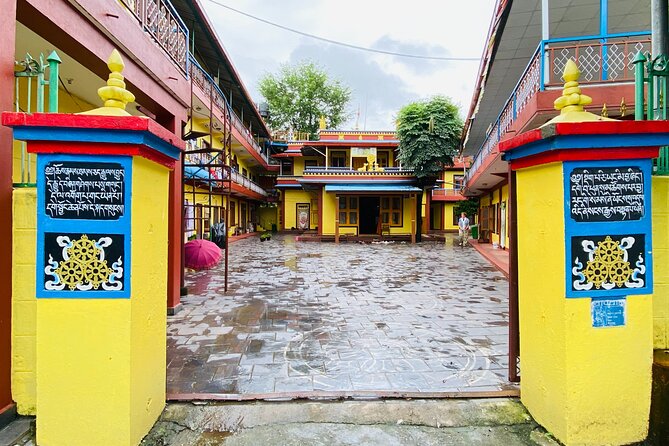
This is the most talked-about section in what you shared, and it makes sense. You’ll meet a Tibetan doctor to learn about Tibetan medicine, with firsthand experience of pulse reading.
Pulse reading can sound mysterious until you’re shown what to pay attention to and how the doctor interprets signals. The experience is less about you becoming a practitioner and more about understanding a different way of thinking about the body and wellness.
Why this stop feels valuable: it turns “medicine as concept” into “medicine as lived practice.” You’re not just hearing about beliefs in the abstract. You’re meeting someone who practices and explains them in a local context.
If you’re curious about health systems beyond the Western model, this is a rare chance in a short day. Come with respectful questions. Keep an open mind about how the doctor explains what’s going on.
Lunch of Momos and Thukpa: What You’ll Eat and How It Fits
Food is included, and it’s not just a token snack. You’ll enjoy an authentic Tibetan lunch at a local Tibetan restaurant, plus tasting Tibetan cuisine such as momos and thukpa.
This matters because the day is heavy on meaning and learning. A real meal helps you stay engaged instead of running on travel-day nerves.
Dietary options are part of the plan:
- vegetarian option is available if you request it at booking
- gluten-free food is also served, including plain rice and veg or non veg curry
Practical tip: tell your operator about dietary needs when you book so you don’t end up improvising in a restaurant setting. If you’re gluten-sensitive, ask specifically what gluten-free means for that meal.
Price and Value: Is $63.52 Worth 4.5 Hours?
At $63.52 per person, you’re paying for a lot more than a driver and a few stops. The price covers a guided day with multiple visits, plus hotel transfers, plus lunch, plus specialty access like the carpet workshop and the doctor/pulse-reading component.
The small-group format also supports value. With fewer people, you usually get more time for questions and explanations, and that’s when a cultural tour earns its keep.
If you’re budgeting in Pokhara, compare this not to a cheap temple ticket, but to the cost of replacing these pieces yourself: finding transport, arranging entrance times, booking a meaningful guide, and securing time with a doctor. In a half day, those parts add up quickly.
One caution on value: cultural learning isn’t the same as a ticket to big attractions. If you want towering sights and constant motion, this may feel slower and more conversational. If you want depth and context, the value often feels spot-on.
Who Should Book This Tour (and Who Might Skip It)
This tour is a great match if you:
- want Tibetan culture in Pokhara that focuses on community life, not just monuments
- like crafts and want to understand how carpets are made by hand
- are curious about Tibetan Buddhism and how symbols are used in daily practice
- want an unusual short-day experience through Tibetan medicine and pulse reading
You might skip it if:
- you prefer purely outdoors sightseeing and minimal talking
- you want zero discussion and very little structure
- you strongly dislike workshop-style stops where you may spend time looking at products (even if the focus is learning)
Should You Book This Half-Day Tibetan Cultural Tour in Pokhara?
If your goal is to understand Tibetan life in Nepal with a real community guide, I think this is an excellent choice for a first or second day in Pokhara. The day is short enough to fit your schedule, but packed with distinct experiences: settlement walking, monastery symbolism, carpet weaving, refugee history context, and the doctor/pulse-reading visit.
Book it if you want meaning, not just photos. If you like asking questions and learning how traditions work, you’ll likely leave with a clearer picture and a better sense of how Tibetan culture continues in Nepal.
FAQ
What time does the Half Day Tibetan Cultural Tour in Pokhara start?
It starts at 9:00 am and returns around 2:00 pm (about 4 hours 30 minutes).
How much does the tour cost?
The price is $63.52 per person.
Is pickup included?
Yes. The tour offers pickup and includes hotel transfers.
What will I see during the tour?
You’ll visit a Tibetan refugee settlement, a Buddhist monastery (with explanations of prayer wheels, prayer flags, and stupas), a carpet workshop and showroom, a photo gallery about refugee history, and you’ll meet a Tibetan doctor for pulse reading. Lunch and Tibetan food tastings are also included.
Is food included, and can you handle dietary needs?
Yes. Lunch is included, and there is a vegetarian option if you request it at booking. Gluten-free options are also available, including plain rice and veg or non veg curry.
How big is the group?
The info lists a small group with a max of 8, and it also notes a maximum of 15 travelers for the activity.
Can I cancel and get a refund?
Yes. You can cancel for a full refund if you cancel at least 24 hours before the experience starts.