REVIEW · KATHMANDU
Everest Base Camp Trek
Book on Viator →Operated by Adventure Glacier Treks & Expedition · Bookable on Viator
Everest feels real once you start walking. This 12-day Everest Base Camp trek from Kathmandu turns huge dreams into step-by-step hiking, with Namche Bazaar as a serious altitude checkpoint and Ama Dablam sightings that set the mood for the Khumbu region.
I like that the logistics are handled in a practical way: you get a domestic flight, the necessary permits, and a guide who’s supported with food, equipment help, and insurance on the trip.
One possible drawback: the trek expects a strong physical fitness level, and your personal accommodation and meals aren’t included in the guest cost—so you’ll need to budget for those on the trail.
In This Review
- Key takeaways before you go
- Kathmandu to Khumbu: how the trek starts (and why it matters)
- What your $990 really pays for: domestic flight, permits, and guide support
- Ama Dablam stop: mother’s necklace before the big altitude push
- Namche Bazaar: acclimatization at the gateway of Everest Base Camp
- Guides who handle the hard parts: Sau Bir Rai, Roshan, Dipak, Dil, Arjun
- The 12 days: pacing, altitude pressure, and what to train for
- Budget reality: accommodation, meals, drinks, and expected guide tips
- Is this trek good value for you? (Solo, groups, and fitness level)
- Should you book this Everest Base Camp trek with Adventure Glacier Treks & Expedition?
- FAQ
- How long is the Everest Base Camp trek?
- Where does the tour start and end?
- What’s included in the price?
- What’s not included?
- Is this a private tour?
- What’s the cancellation policy?
Key takeaways before you go
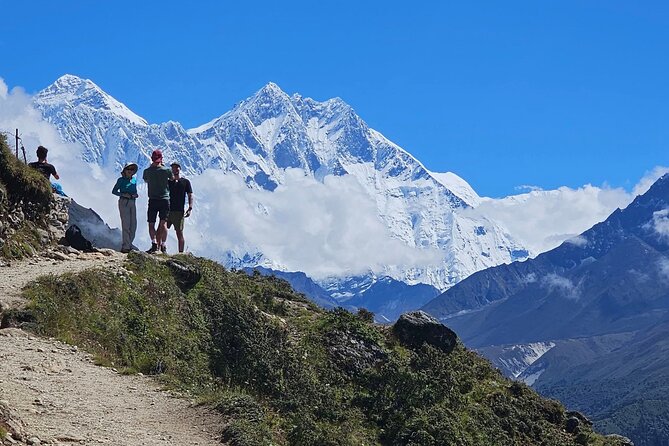
- Namche Bazaar acclimatization: you don’t just pass through. You use it as the high-altitude pause the route needs.
- Ama Dablam, mother’s necklace: you’ll get that iconic “most beautiful” type of mountain moment that climbers watch for.
- A guided, supported trek: guide salary, guide food, equipment, and guide insurance are included.
- Private group experience: it’s just your group, not a big shared scramble with strangers.
- $990 value depends on your spending style: your guest-side costs (lodging/food, drinks, tips) can change the real total.
- Mobile ticket: it’s one less thing to worry about before departure.
Kathmandu to Khumbu: how the trek starts (and why it matters)
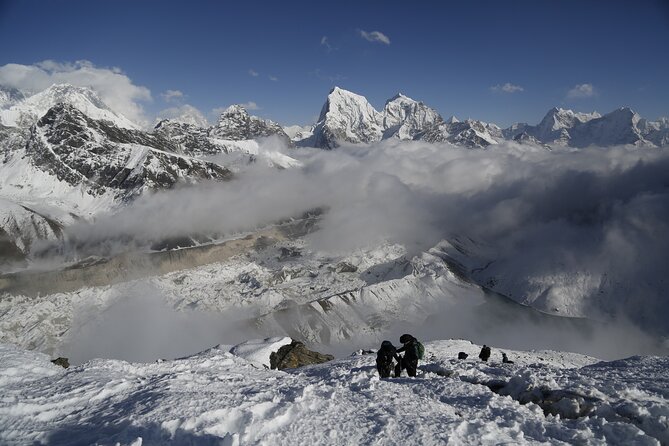
Your journey kicks off at Adventure Treks Nepal P. Ltd. on Thamel Marg in Kathmandu. That’s a useful detail because Kathmandu can feel chaotic, even when you’re excited. Having a fixed meeting point helps you get your bearings fast, especially if you’re arriving a day early to deal with jet lag.
The trip ends back at the meeting point. That sounds simple, but it matters on a trek like this. You’re planning for transportation, timing, and the last-day scramble that can happen when things aren’t clearly tied down.
Also, this is a private tour/activity. That’s a real quality-of-life upgrade. You’re more likely to get decisions made faster (like pacing on steep or icy sections), and your guide can tailor the day rhythm to your group instead of managing a larger mix of walkers.
The package runs about 12 days. Everest Base Camp treks live and die by the rhythm of altitude, rest, and effort. So think of those 12 days as a plan to keep you moving while not spending your entire budget of energy on rushing.
You can also read our reviews of more hiking tours in Kathmandu
What your $990 really pays for: domestic flight, permits, and guide support
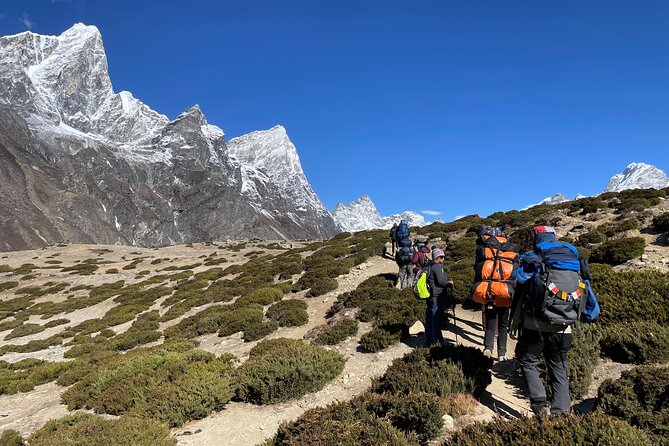
Let’s talk value, not just cost. At $990 per person, you’re not paying for a bare-bones “good luck out there” experience. The included items cover several of the most expensive and stressful parts of an Everest trek logistics chain.
Here’s what’s included:
- Domestic flight
- Necessary permits and entrance fees
- Guide salary
- Food of the guide, plus equipment and insurance for the guide as part of trip cost
- Airport transfer services arrival and departure, including the domestic flight
That’s a lot of “invisible” help. Permits and entrance fees can be a hassle to arrange correctly, and domestic flights often have timing that affects your first hiking day. By bundling those, you spend less time chasing paperwork and more time preparing your body.
What’s not included is where people can feel surprised later:
- Beverages, and personal/nature expenses
- Tips for the trekking guide (expected)
- Your travel insurance
- Accommodation and food for you during the trek
- International flights and the Nepal visa fee
- Any other guest costs not listed under included items
So for true value, ask yourself a simple question: do you tend to travel light and handle basic costs, or do you prefer more comfort on the ground? Your answer affects the final total.
Ama Dablam stop: mother’s necklace before the big altitude push
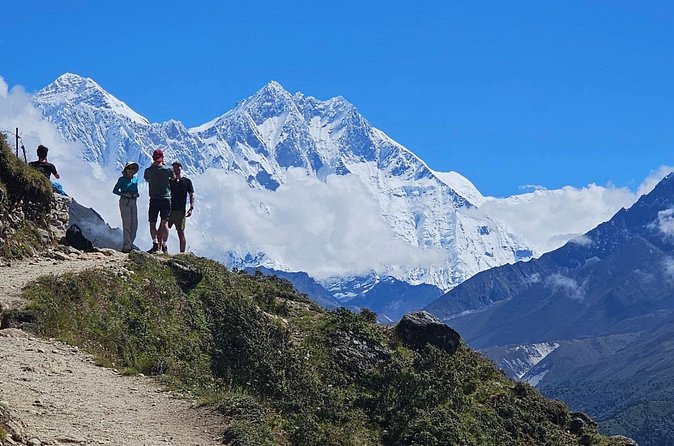
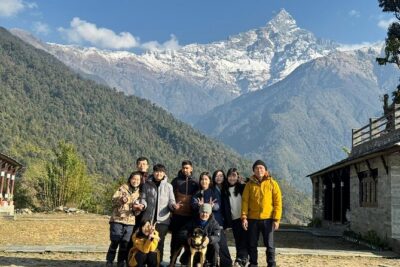
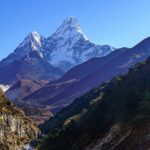
Ama Dablam is a defining peak in the Khumbu Valley, and the stop at Mt. Ama Dablam is more than sightseeing. It’s a mindset shift. Seeing that iconic shape in context helps you understand why people come to the Everest region even if they never climb a summit.
Ama Dablam is often described as the mother’s necklace for its distinctive profile, and it’s widely known as a peak with technical interest for climbers. For trekkers, you probably won’t be doing technical climbing yourself, but the point is the same: this is a place where the mountains look serious, and your route feels connected to real mountaineering history.
What I like about this stop is how it frames the trek early. You’re not just walking to check a box. You’re entering a landscape of big objectives, including peaks that climbers treat as major goals.
A practical consideration: this is still a mountain trek environment. Weather can change quickly, and early altitude discomfort can show up when you least expect it. Keep your layers ready and expect some cold, wind, or chill even if the day starts pleasantly.
Namche Bazaar: acclimatization at the gateway of Everest Base Camp
If there’s one place that earns its reputation, it’s Namche Bazaar. This is described as the gateway to the Everest Base Camp trek, and also the key acclimatization step. That combination is why Namche matters.
Altitude treks don’t forgive impatience. Your body needs time to adjust. Namche Bazaar is built for that reality—one part trail village, one part recovery checkpoint. It’s where you pause long enough to reduce the risk that comes from gaining altitude too fast.
What I like here is that the trek plan doesn’t treat acclimatization as optional. It’s placed at Namche, right where the Everest trek really becomes Everest trekking.
The drawback for some people is also simple: Namche can feel busy compared to quieter days on the trail. You’re near the center of the route, and that means more activity, more logistics, and more people passing through. If you’re the type who wants solitude, you’ll still have quiet moments later, but this is one of the hub sections.
Guides who handle the hard parts: Sau Bir Rai, Roshan, Dipak, Dil, Arjun
On a trek like this, a guide isn’t just someone to point at a trail. A good guide affects your stress level, your pacing, and your confidence when weather shifts or your energy dips.
The names attached to this trek experience stand out in a very practical way:
- Sau Bir Rai is credited with making everything feel easier, and with experienced decision-making during the Everest Base Camp trek.
- Roshan stood out for organizing accommodation, food, and transport even during busy season. That’s the kind of planning that saves you from hunting down basics while you’re tired.
- Dipak is described as friendly and attentive during an EBC + Gokyo private tour, and the overall logistics were well-organized with the flexibility to adapt the plan as you go.
- Dil provided strong support during the planning stage, helping people feel prepared before the trek even started.
- Arjun is noted for careful attention to a family with medical needs. That’s a reminder that the best guides don’t just keep you moving—they watch out for safety details.
So if you’re choosing this experience, pay attention to what matters most to you: do you want tight logistics, careful altitude pacing, and someone who can adapt? The way these guides are described suggests you’ll get that mix.
The 12 days: pacing, altitude pressure, and what to train for
The itinerary described here highlights major route moments—Ama Dablam and Namche Bazaar—so your day-to-day rhythm comes from the standard Everest Base Camp trekking logic: walking, resting, and adjusting for altitude.
You should assume:
- Some days will feel longer than the distance suggests because altitude changes your breathing and effort.
- Weather can shift quickly enough that you’ll want layers you can manage.
- Your best success comes from steady pacing, not pushing hard at the start.
A key note from the trip requirements: you should have strong physical fitness. That doesn’t mean you need to be a mountaineer. It means your legs, stamina, and breathing should handle repeated uphill walking and the slow grind that comes with higher elevations.
Here’s my practical advice: train for consistent hiking, not just a one-time big effort. If you can, add stair climbs, long walks with a daypack, and practice slowing down your pace so you finish feeling like you could do one more hour.
Altitude can turn “I’m fine” into “I need to sit for a moment.” Planning your energy and listening to your guide is the difference between a tough day and a dangerous one.
Budget reality: accommodation, meals, drinks, and expected guide tips
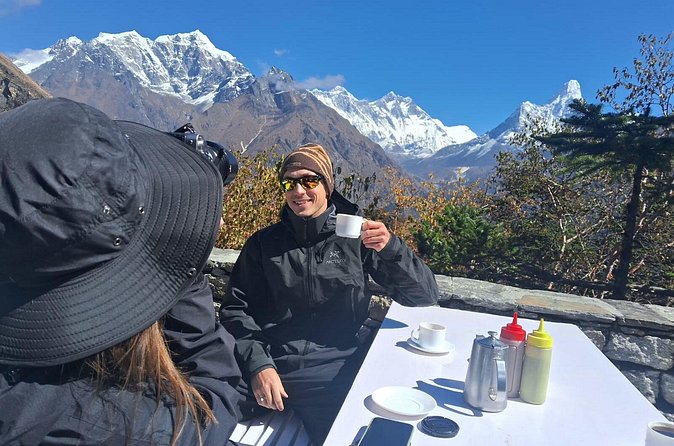
This is where you should do your homework. The included price covers a lot of the logistical spine of the trek, but your on-trail costs are not fully included.
Plan for:
- Your accommodation during the trek
- Your food during the trek
- Beverages (think tea/coffee/water and other drinks)
- Personal/nature expenses
- Travel insurance
- International flight and Nepal visa fee
- Tips for the trekking guide (expected)
I like being upfront about this because it changes how you judge the $990 figure. If you’re comfortable with basic teahouse-style trekking and you keep extra spending modest, the included value will feel strong. If you’re expecting meals and lodging to be covered like a resort package, you’ll need extra money beyond the base price.
Also, as the trek progresses, small costs can add up. The trick is to set a daily budget you can stick to and not make it a guessing game.
Is this trek good value for you? (Solo, groups, and fitness level)
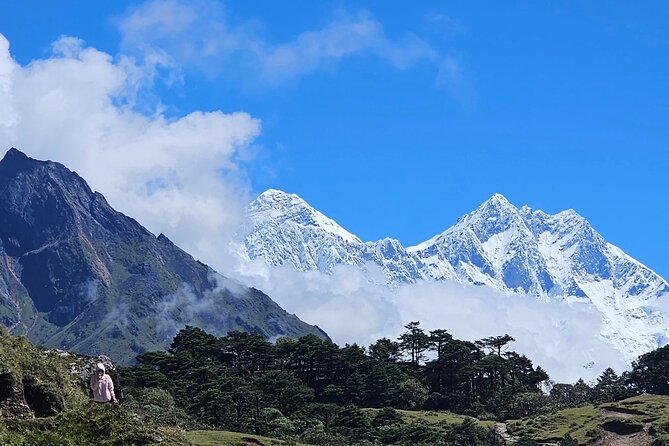
This Everest Base Camp trek is a strong fit if you want:
- A private group experience rather than a crowded join-and-go
- An organized start with domestic flights, transfers, and permit handling
- Experienced guidance, including guides who are known for careful planning and attentiveness
- A plan that includes acclimatization at Namche Bazaar
It’s probably not the best fit if:
- You want everything fully covered end-to-end with no guest-side budgeting
- You’re not ready for the fitness demands of a high-altitude trek
- You prefer highly flexible day-by-day sightseeing with no structured pacing needs
Price-wise, $990 can be fair because it includes permits, domestic transport, and a guide package (salary, food, equipment, insurance). The part that changes your final cost is what you do on the guest side: lodging, meals, drinks, and tips.
If you’re prepared for those realities, this trip reads like good value because it protects the core logistics and brings you into the Everest region with fewer administrative headaches.
Should you book this Everest Base Camp trek with Adventure Glacier Treks & Expedition?
I’d book if you want a guided Everest Base Camp journey with real altitude planning, plus a setup that handles permits and domestic flights. The names associated with the guides in these experiences—Sau Bir Rai, Roshan, Dipak, Dil, and Arjun—point toward practical, people-first support, not just someone walking beside you.
I wouldn’t book if you’re counting on the base price to cover all your trek-day living costs, or if your fitness level isn’t ready for sustained hiking at altitude. Also, if tips and budgeting details stress you out, read your budget sheet before you pay.
If you’re the kind of traveler who likes clear structure, values acclimatization stops, and wants someone experienced managing the moving pieces, this is a solid choice.
FAQ
How long is the Everest Base Camp trek?
It’s listed as 12 days (approx.).
Where does the tour start and end?
It starts at Adventure Treks Nepal P. Ltd., Thamel Marg, Kathmandu 44600, Nepal and ends back at the same meeting point.
What’s included in the price?
Included are a domestic flight, necessary permits and entrance fees, and support for the guide (guide salary, guide food, equipment, and insurance). Airport transfers for arrival/departure, including the domestic flight, are also included.
What’s not included?
Not included: beverages, tips, your travel insurance, personal/nature expenses, international flight tickets, Nepal visa fee, and your accommodation and food during the trek.
Is this a private tour?
Yes. It’s a private tour/activity, so only your group participates.
What’s the cancellation policy?
You can cancel for a full refund if you cancel at least 24 hours before the experience’s start time. Cancellation within 24 hours is not refundable.