REVIEW · KATHMANDU
UNESCO Heritage Sightseeing in Kathmandu Private Tour
Book on Viator →Operated by Yakthung Tours and Travels · Bookable on Viator
Four UNESCO stops, big meaning, little stress. This private tour stitches together Kathmandu Valley’s most important religious sites with real context on Nepal’s Hindu and Buddhist traditions, guided by Nepal-based leaders from Yakthung Tours and Travels. It’s built for people who want the highlights without spending the day figuring out tickets, routes, and what to actually look for.
Two things I like a lot: the female solo-friendliness and the way guides make the places make sense. One solo traveler highlighted how guide Kabita made her feel comfortable and safe throughout the day, and another praised Anjal for turning a short Kathmandu visit into a smart, organized plan with good food stops. One thing to consider: admission tickets aren’t included, so you’ll want to budget a bit extra on top of the $55 rate—and temple sites include stairs and uneven ground.
In This Review
- Why this is a smart choice for your Kathmandu schedule
- Key things to know before you go
- How the private UNESCO day is paced (and why it works)
- Swayambhunath (Monkey Temple): your hilltop intro to Buddhism
- Kathmandu Durbar Square: royal power and the living goddess Kumari
- Pashupatinath Temple: Hindu devotion along the riverfront
- Boudhanath Stupa: Buddhist kora and a calmer rhythm
- Price and value: what $55 buys you in real terms
- What it feels like in the streets between temples
- Who this tour suits best (and who might want something else)
- Quick booking advice for your Kathmandu day
- Should you book this Kathmandu UNESCO private tour?
- FAQ
- How long is the UNESCO heritage sightseeing tour in Kathmandu?
- What UNESCO sites are included?
- Is pickup offered, and where does the tour start?
- Are admission tickets included?
- Is this tour private?
- What are the opening hours for booking and starting the tour?
Why this is a smart choice for your Kathmandu schedule
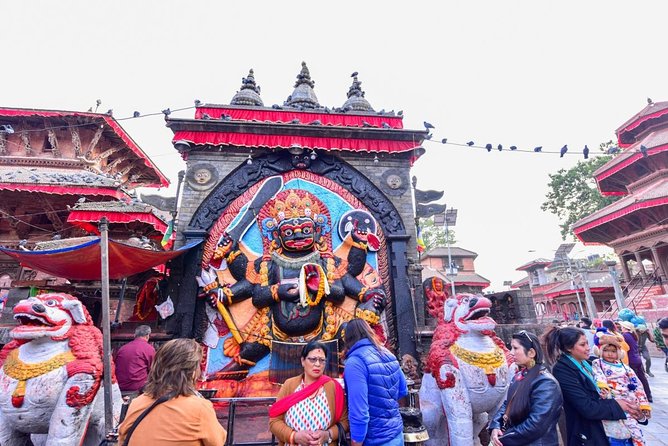
You get a focused run at four UNESCO-linked icons that many people cram in haphazardly. Here, you’re paced with dedicated time at each stop—Swayambhunath (about 1 hour), Kathmandu Durbar Square (about 2 hours), Pashupatinath (about 2 hours), and Boudhanath (about 1 hour)—so you can actually notice details instead of sprinting.
The “private” part matters more than you might think. Only your group goes with the guide, and the guide can answer your questions as you go—especially useful at sites where the rules and meanings aren’t obvious if you’re on your own. The company also mentions a professional lady guide for the comfort of female travelers, which can be a big confidence boost when you’re moving through busy sacred spaces.
The drawback is mostly practical: the tour window is time-limited, and with tickets added on-site, your total day cost goes up. If you hate time pressure, plan to arrive a little early at the start point so nothing feels rushed.
Key things to know before you go
- A true private experience: only your group participates, with a guide who can tailor the flow to your pace.
- Solo-female comfort is a priority: the tour company provides a professional lady guide for female travelers.
- UNESCO sites with both Hindu and Buddhist context: you’ll be guided through sacred spaces that run on different traditions.
- Time-boxed stops (6 hours total): you’ll cover four major sites, but it’s not a “take your time forever” day.
- Admission tickets aren’t included: you should expect to pay entry/tickets at the sites during the visit.
- Mobile ticket included: it helps simplify check-in once you’re ready to start.
You can also read our reviews of more private tours in Kathmandu
How the private UNESCO day is paced (and why it works)
This is a 6-hour guided loop inside Kathmandu’s UNESCO heritage cluster. The tour starts and ends at the same meeting area—Narsingh Chowk Marg, Kathmandu 44600—which makes the day easier if you’re staying somewhere central. Pickup is offered, which is a real time-saver in Kathmandu, where getting across town on your own can eat up your sightseeing hours fast.
You’ll be moving between religious landmarks that attract pilgrims and photographers alike. That’s why having someone explain what you’re seeing helps right away. At Swayambhunath, for example, the “Monkey Temple” nickname is obvious on sight, but the real value is understanding why Buddhists treat the site as a sacred pilgrimage location.
The tour timing also gives you a structure that prevents the classic Kathmandu problem: you walk in with curiosity, then you burn 90 minutes wandering without learning what matters. Here, each stop gets a set chunk of time, so you can look, ask, and move on without losing the thread.
Swayambhunath (Monkey Temple): your hilltop intro to Buddhism
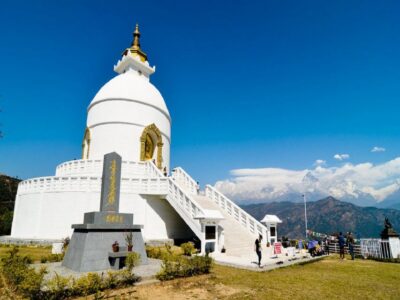
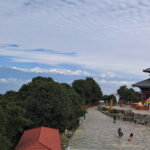
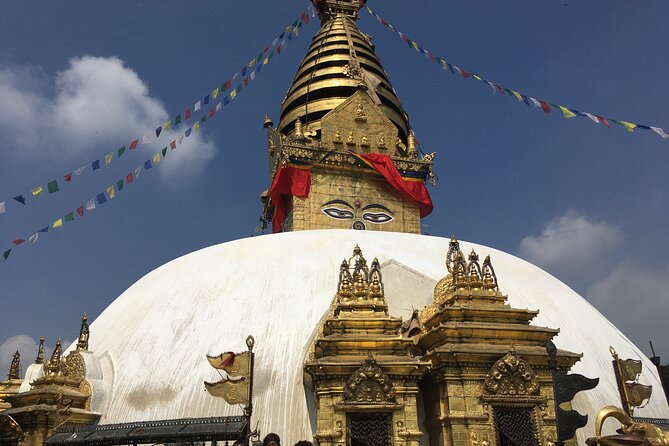
Swayambhunath is a 5th-century ancient stupa, perched on a hill in the western part of the Kathmandu Valley. You’ll also hear it called the Monkey Temple, and yes—monkeys are often part of the scene. But the main point isn’t the animals. It’s the sacred setting that Buddhists consider holy, and the hilltop views over the valley that make the whole place feel like a living landmark.
Expect a about 1 hour stop here. That’s enough time to take in the stupa complex, notice the pilgrims moving through the space, and get a clear explanation of what makes this pilgrimage site important. Also, hill temples typically mean stairs and uneven surfaces, so wear shoes you can trust and bring a little water if your day runs warm.
If you’re short on time in Kathmandu, Swayambhunath is a smart first stop because it helps you orient your brain for the rest of the day. When you later visit the Hindu and Buddhist sites, you’ll be better able to spot how symbols, rituals, and architecture reflect different beliefs.
Practical tip: bring a light layer. Hilltop temples can feel cooler or breezier depending on the time of day.
Kathmandu Durbar Square: royal power and the living goddess Kumari
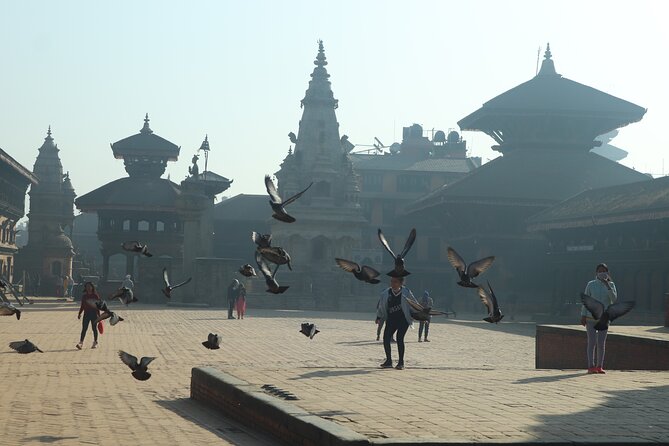
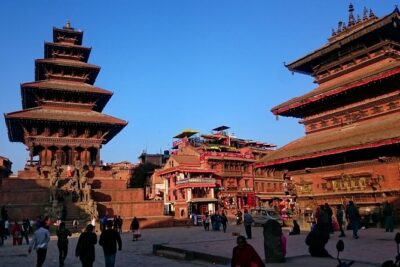
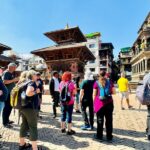
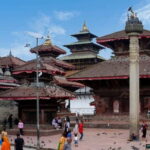
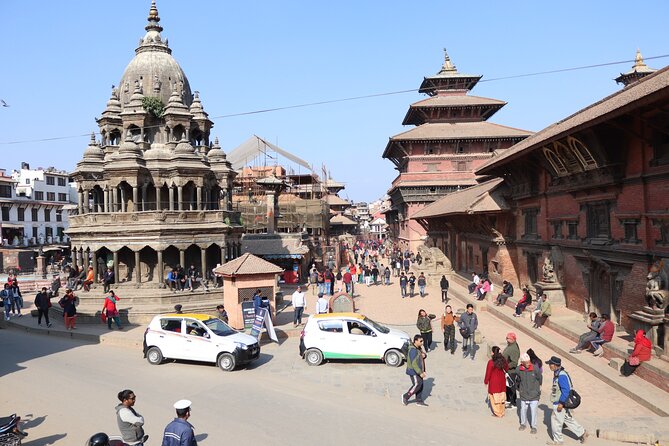
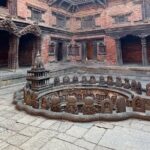
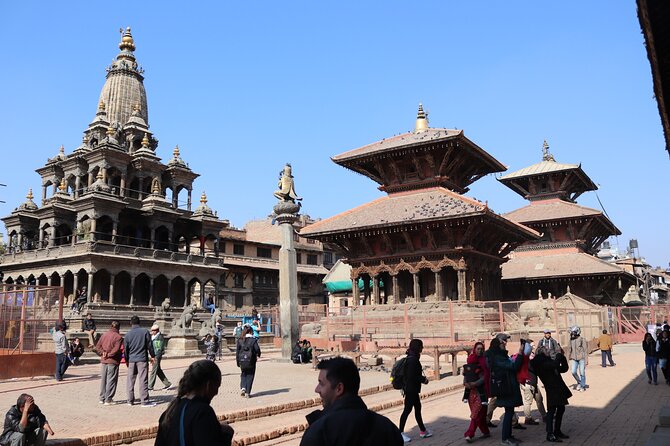
Then you move to Kathmandu Durbar Square, a 16th-century royal palace complex associated with Pratap Singha Malla. This is the kind of place where “just seeing it” is not enough—you really want the guide’s read on the details, because the carvings, courtyards, and symbolism reward close attention.
This stop gets about 2 hours, which is the right amount of time to slow down. The highlight here is the presence of Kumari, often described as the living goddess. You’ll also get a sense of how the palace represents a time when the city’s rulers shaped culture, architecture, and religion all at once.
If you like history that’s tangible—stonework, courtyards, and places with ongoing cultural meaning—Durbar Square delivers. The main drawback is that Durbar Square is also a busy urban heritage area. Plan to keep your patience for crowds and narrow walking paths, especially when foot traffic funnels between monuments.
Practical tip: it’s a good place to ask questions early. If you understand the role of Kumari and the royal-religious connection, the rest of the day reads more clearly.
Pashupatinath Temple: Hindu devotion along the riverfront
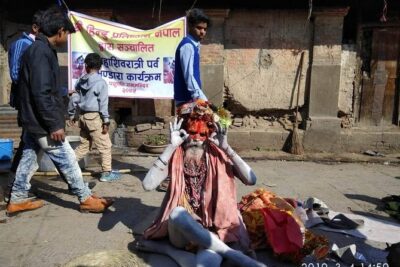
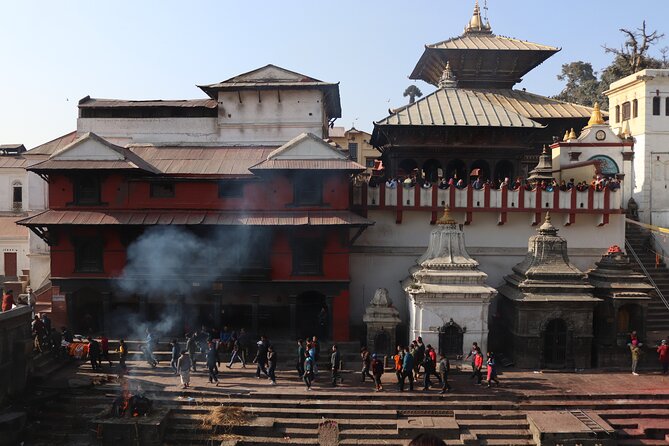
Next comes Pashupatinath Temple, described as a 1st-century temple dedicated to Hindu Lord Shiva. This shrine is one of the important destinations for Hindu pilgrims, and the site regularly draws visitors—including many from India. The tour gives you the deeper meaning behind what you’re seeing, which matters here because the rituals and symbols can look chaotic if you’re not sure what you’re observing.
You’ll spend about 2 hours at Pashupatinath. Two hours is helpful because the area isn’t just one building—it’s a sacred riverfront complex where people gather and move through space with purpose. Your guide can help you notice the differences between prayer behavior, pilgrimage movement, and ceremonial moments.
There’s also a useful cultural note included in the tour description: Saturday is known as the day of Shiva, and on that day you can expect the site to feel more focused on Shiva-related devotion. If your schedule lets you choose, a Saturday visit can add energy.
Practical tip: be respectful with clothing and behavior. Temples like this are active worship spaces, not just photo spots.
You can also read our reviews of more historical tours in Kathmandu
Boudhanath Stupa: Buddhist kora and a calmer rhythm
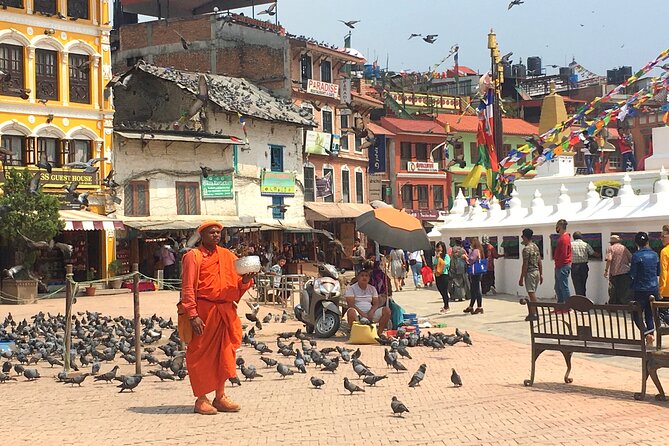
Finally, you end at Boudhanath Stupa, another 5th-century ancient stupa and a major Buddhist pilgrimage site. If Pashupatinath gives you the intensity of Hindu pilgrimage culture, Boudhanath often feels more rhythmic and repetitive—in a good way.
This stop lasts about 1 hour, and it’s long enough to understand the basic “why” of what you’re seeing. A key detail from the tour description is the kora, the circumambulation practice where people walk around the stupa. It’s especially active in the early morning and evening, when you’ll see lots of local people moving around the monument as part of their devotion.
Boudhanath is also where the tour’s “religion context” really earns its keep. When you understand kora as practice—not just a walk—you read the space differently. Even if you’re not participating in the same way, you’ll recognize the purpose behind the flow of people.
Practical tip: if your guide can recommend the best spot to pause and watch for a few minutes, take it. That small pause often makes the stupa feel real, not like a quick stop on a checklist.
Price and value: what $55 buys you in real terms
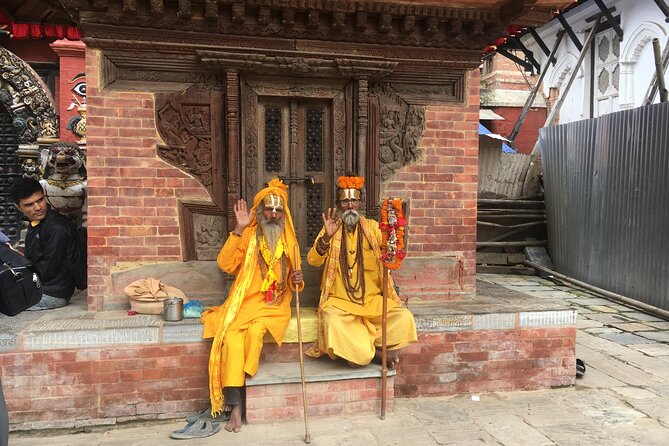
The price is $55.00 per person for about 6 hours, and it includes things that quietly matter: private guiding, pickup offered, and a mobile ticket. For Kathmandu, that’s a meaningful bundle. Without a guide, you’ll likely spend time asking for directions, figuring out what to see, and losing the thread between sites.
That said, the tour explicitly notes that admission tickets aren’t included for these stops. So your total spend has two layers: the guided rate plus whatever entrance/ticket fees you pay at each site. I’d treat the $55 as the cost of the day of expert navigation and interpretation, not as the all-in ticket total.
Where it’s especially good value is when you’re short on time and you want maximum learning per hour. The guides in the stories attached to this tour earned praise for being organized and making the experience easy. That’s exactly what you’re paying for: less confusion, more meaning, and fewer “wait, what am I looking at?” moments.
What it feels like in the streets between temples
One thing this kind of Kathmandu day does well is turning transit into part of the story. You’re guided through the city’s religious landscape, and you’re not just traveling from point A to point B. With private guiding, your questions come up naturally—how beliefs connect, why certain practices happen, and what a landmark’s role is in everyday faith.
The tour description also points out it’s near public transportation and that most people can participate. That’s helpful if you’re trying to plan a day that isn’t too complicated.
Still, take the reality of sacred sites seriously. Kathmandu’s heritage areas can involve crowding, narrow lanes, and steps. If you’re sensitive to uneven ground or you prefer very slow walking, you may want to mentally budget for pauses.
Practical tip: pack light. You’ll likely want your hands free while you’re navigating crowded walkways and temple entrances.
Who this tour suits best (and who might want something else)
This tour fits best if you want a guided UNESCO sampler of Kathmandu Valley and you care about understanding the religious meaning behind the scenery. It’s especially attractive for solo female travelers because the tour includes a professional lady guide for comfort.
It also suits people who don’t want to spend their trip building an itinerary from scratch. One traveler credited Anjal with planning an excellent schedule within a tight Kathmandu window, including local food stops, and that kind of practical planning is often the difference between a good day and a great one.
If you’re the type who wants to linger for hours in one place, this may feel a bit fast. Four major sites in six hours means you’ll be moving and focusing rather than staying long.
Quick booking advice for your Kathmandu day
- Choose the day that matches your interests: the tour notes that Saturday is Shiva-focused, which can add energy at Pashupatinath.
- Plan for extra ticket costs since admission isn’t included.
- Wear supportive shoes and keep a light layer handy for hilltop or riverfront weather swings.
- If you want a lunch stop, ask your guide ahead of time. On similar 6-hour days, guides have arranged food breaks successfully, and they’re usually best placed to recommend convenient options.
Also, the tour runs during set hours—Monday to Friday, 9:30 AM to 4:30 PM—so align your sightseeing plans with those times.
Should you book this Kathmandu UNESCO private tour?
I’d book it if you want a confident, guided way to hit Swayambhunath, Kathmandu Durbar Square, Pashupatinath, and Boudhanath without getting lost in the details. It’s also a strong pick for solo travelers, and the fact that a lady guide is specifically part of the comfort offering makes it especially appealing.
Skip it or consider a longer alternative if you’re the slow-and-stay-awhile type. This is a focused day, not a wandering one—and that’s great when you want efficiency, but less ideal if you want hours at only one site.
If your goal is “learn a lot and see the main UNESCO icons in one organized day,” this one hits the mark.
FAQ
How long is the UNESCO heritage sightseeing tour in Kathmandu?
It runs for about 6 hours.
What UNESCO sites are included?
The tour visits Swayambhunath, Kathmandu Durbar Square, Pashupatinath Temple, and Boudhanath Stupa.
Is pickup offered, and where does the tour start?
Pickup is offered. The meeting point is Narsingh Chowk Marg, Kathmandu 44600, Nepal, and the tour ends back at the meeting point.
Are admission tickets included?
No. Admission tickets are not included for the stops listed.
Is this tour private?
Yes. It’s private, and only your group will participate.
What are the opening hours for booking and starting the tour?
The tour operates Monday to Friday from 9:30 AM to 4:30 PM, within the stated date range of 05/15/2022 to 12/07/2026.