REVIEW · KATHMANDU
Mohare Danda Trek
Book on Viator →Operated by Trekking Trail Nepal · Bookable on Viator
A peaceful trek with big-mountain payoff. The Mohare Danda Trek is built for easier effort, meaningful community support, and some of the widest peak views in Nepal. The route links villages, viewpoints, and lodge stays while helping fund education, economy, and women empowerment through the local community trek model.
I especially like the emphasis on village life over just passing through, and I also like the practical support built into the package (permits, guides/porters, and even cold-weather gear for the high spot). One drawback to plan for: the trek is weather-dependent, and some walking days can still feel long if you’re sensitive to steep stairs or rocky descents.
You’ll also notice the trip’s group size stays small, which helps your day feel flexible. In past trips with Trekking Trail Nepal, guides like Lokendra and Apar have been praised for being professional, patient, and genuinely helpful, including giving clear mountain-safety advice. If you have joint issues, the operator says to let them know early so they can suggest an easier route on the downhills.
In This Review
- Key Highlights Worth Packing Your Hopes Around
- Why Mohare Danda Feels Different From Standard Treks
- The Kathmandu Start: Thamel Meet-Greet and a Clean Launch
- Road to Pokhara and the Phewa Tal Stop
- Beni Bazaar to Ramche: Your First Trek Day Isn’t Just a Warm-Up
- Nagi Village and the Push Toward Mohare Danda
- Sunrise at Mohare Community Lodge (3,313 m) and the View That Gives Meaning
- Tikot Village and the Magar Culture Thread
- Basari Finish and the Drive Back to Kathmandu
- Price and What You Really Get for $799
- Guides, Safety, and the Stuff That Prevents “Trek Regrets”
- Who This Trek Suits Best (and Who Should Be Careful)
- Should You Book Mohare Danda?
- FAQ
- What is the approximate duration of the Mohare Danda Trek?
- How much does the Mohare Danda Trek cost?
- Is pickup offered from Kathmandu?
- What’s included in the trek price?
- Are permits and documentation covered?
- What meals are included during the trek?
- How big are the groups?
Key Highlights Worth Packing Your Hopes Around
- Women empowerment + community welfare funding built into every penny spent
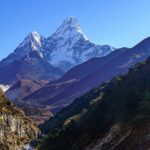
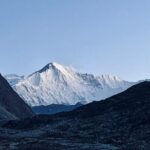
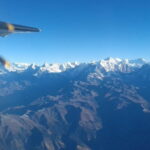
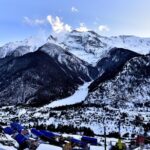
- Up to 42 peaks in view, including Annapurna, Dhaulagiri, and Manaslu (three 8000-meter giants)
- Small group (max 11) so you’re not lost in a crowd
- Mohare Community Lodge stay at about 3,313 m, with sunrise and big-view potential
- Cold-weather support included: sleeping bag plus down jacket for the highest elevation segment
- Guides who focus on safety advice and on-the-trail help, including names like Lokendra and Apar
Why Mohare Danda Feels Different From Standard Treks
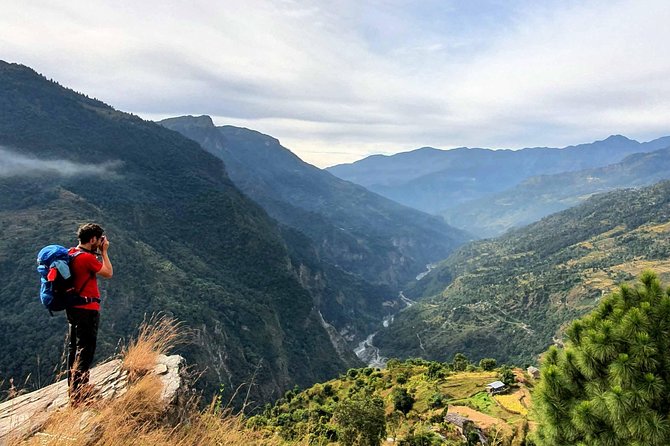
Mohare Danda isn’t trying to be a hard-challenge brag. It’s designed as a shorter, easier, peaceful circuit where you get nature, village culture, and Himalayan views without needing weeks of training. The big hook is the viewing area: the trek is marketed around an expansive panorama where, on clear days, you can see an impressive spread of peaks.
What makes it more than a viewpoint march is the “why.” This trek is tied to a community effort that’s described as supporting education, rural development, and women empowerment. You’re not just paying for your own experience; you’re also helping a local system that benefits people on the ground. If you care about responsible travel that still feels like real trekking, this model is a strong fit.
The other reason it works is the pacing. You’re moving between several village points and viewpoints, and the plan leaves time for rest, photos, and that classic Himalayan rhythm: walk, pause, look up, repeat.
You can also read our reviews of more hiking tours in Kathmandu
The Kathmandu Start: Thamel Meet-Greet and a Clean Launch
Most people begin in Thamel, and that’s where this trip places your “Day 1” start. You land at Tribhuvan International Airport, clear immigration and baggage, then meet the local representative. This matters because Kathmandu arrival days can be chaotic—your job is just to get your basics handled, not to figure out logistics.
A mobile ticket is mentioned, and pickup is offered. That combination usually helps you avoid the awkward moments of hunting down confirmations. I also like that the trip frames the group as small and organized; it makes it easier to coordinate departure timing and gear checks.
Practical tip: in Kathmandu, keep your first evening low-key. You’ll still feel the altitude change when you head higher later, and you’ll want clean sleep before the long road day.
Road to Pokhara and the Phewa Tal Stop
Day 2 is a classic Nepal in-one-day rhythm: drive out of Kathmandu, arrive in Pokhara, and take in a quick connection to the place. The plan uses the Prithivi Highway for a road trip of about 200 km, taking roughly 6–7 hours. That’s not a hop; it’s a full day of overland travel.
It also includes a stop tied to Phewa Tal. Even if you don’t spend much time there, it gives you a sense of why Pokhara is the launchpad for so many treks. You’re going from city noise toward lakeside calm, and that shift helps mentally prepare for the trails ahead.
What to watch for: roads in Nepal can be bumpy and tiring. If you’re prone to motion sickness, pack what works for you. Bring water you can access easily, and consider simple snacks for the ride since the package doesn’t list meals on the Kathmandu/Pokhara days.
Beni Bazaar to Ramche: Your First Trek Day Isn’t Just a Warm-Up
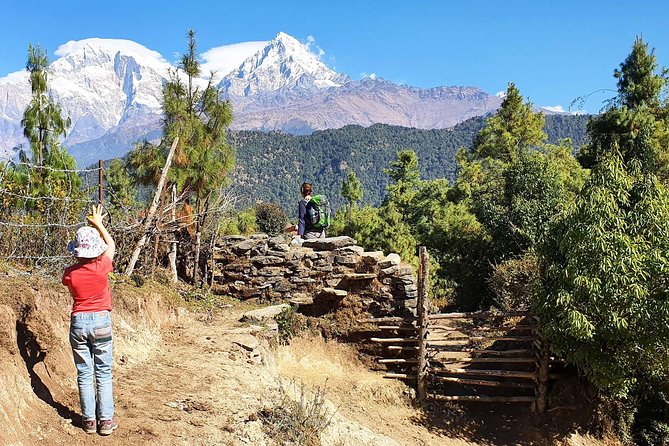
On Day 3, the trek begins from Beni Bazaar. There’s still travel time before you start walking—your plan includes getting there from Pokhara by road, with about 4 hours mentioned for that leg.
Your first trekking stretch is shorter on paper, which is helpful because your legs are still learning the rhythm. The goal here is to get out of the “transport mode” and into “walking mode” without crushing you. You’ll likely notice an immediate difference in air, sound, and village atmosphere once you’re on the trail.
Day 4 moves you further along toward Nagi Village, and the itinerary points to Ramche as a stop. You’ll be walking through a mix of nature and village life, and that’s where Mohare Danda starts feeling like a community trek instead of just a series of photo stops.
Nagi Village and the Push Toward Mohare Danda
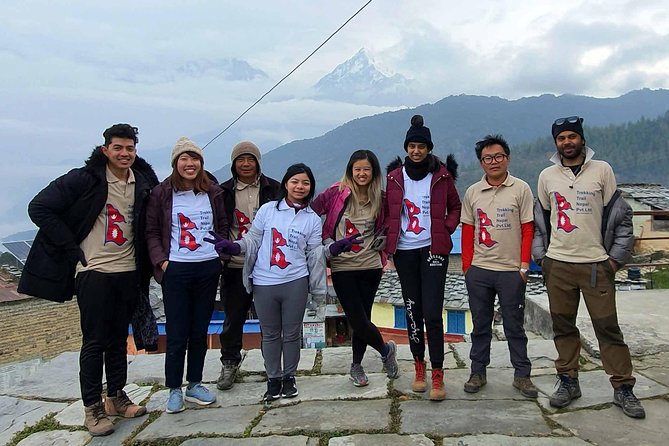
Day 5 is described as the day to reach the destination spot of the adventure, starting after breakfast at Nagi. The walk duration is listed as about 4–6 hours. That’s the kind of day you can handle if you pace well and don’t sprint early.
This segment is important because it sets up the big part of the trip: the summit-area lodge and those wide Himalayan views. If you go into the climb thinking only about elevation, you’ll miss the smaller wins—changing vegetation, shifting valley views, and the way villagers live their daily life along the route.
If you’re a slow-and-steady hiker, this is one of those itineraries that can work with you rather than against you. Just keep your effort consistent. In higher areas, it’s not about speed; it’s about breathing.
Sunrise at Mohare Community Lodge (3,313 m) and the View That Gives Meaning
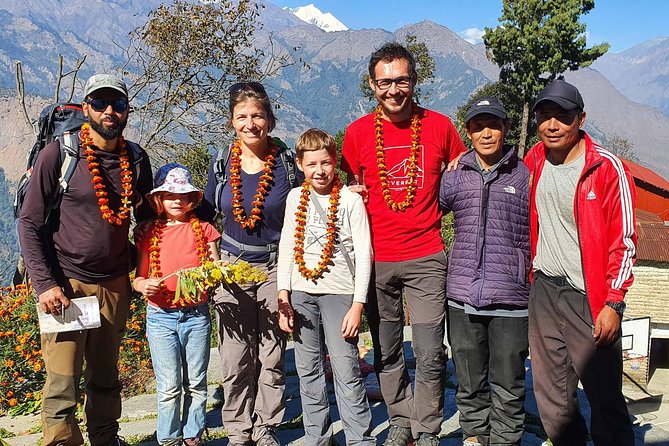
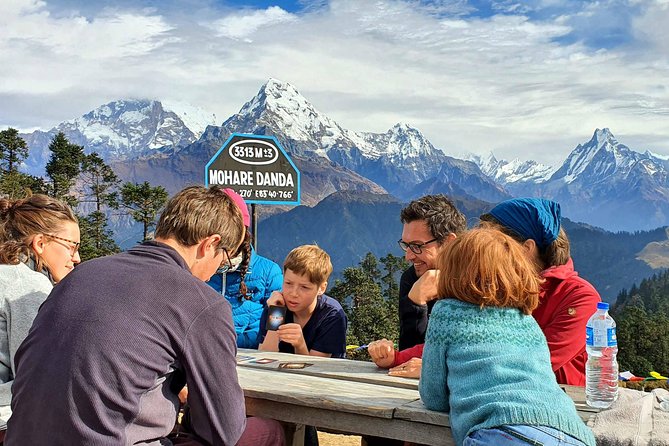
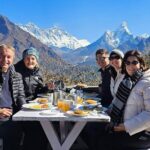
Day 6 is the headline. The plan places you at the highest elevation around 3,313 meters, staying at the Mohare Community Lodge. It specifically highlights sunrise and Himalayan views, which is why so many people choose Mohare Danda in the first place.
This is also where the included gear becomes more than a checkbox. The package lists a sleeping bag and down jacket for this higher elevation segment. Even if you’re normally fine in cool weather, nights at altitude can surprise you—so having the right insulation included is a real value.
Pro tip: if sunrise is in your plan, be ready to move quickly in the morning. In cold altitude conditions, getting organized before you step outside makes a big difference to your comfort and your ability to enjoy the view without rushing.
The route is described as offering visibility of up to 42 peaks under the right conditions, including Annapurna, Dhaulagiri, and Manaslu. You’re not guaranteed every peak every day, but the whole trek is structured around maximizing your chances by reaching the right vantage points.
Tikot Village and the Magar Culture Thread
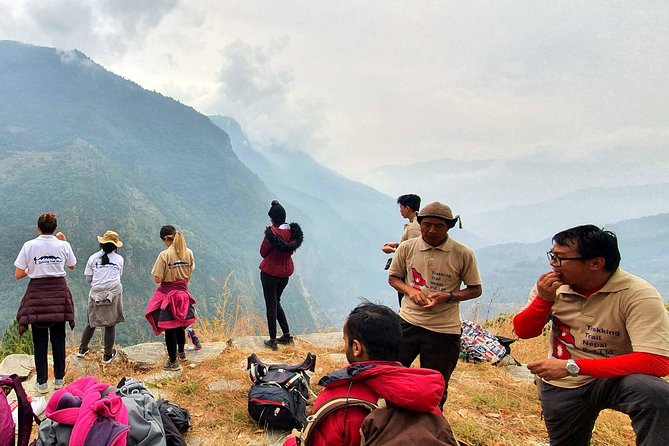
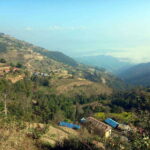
Day 7 shifts from the big-view moment back to walking through living culture. You trek to Tikot village, described as a beautiful ethnic Magar settlement. The plan includes passing viewpoints like Thula Kharka and Sikha Danda, plus time to enjoy the scenery along the way.
The day is longer on paper—about 10 hours—so this is one to pace carefully. Your reward isn’t only the views; it’s the way the trek threads through people and daily routines. This is where a community-focused trek starts to feel human rather than logistical.
This is also where the guide quality matters. In past Mohare Danda trekking experiences with Trekking Trail Nepal, guides such as Apar and Lokendra have been highlighted for being professional, friendly, and patient, plus for giving practical safety advice. On longer days, that kind of guidance is what keeps you from feeling overwhelmed or guessing your way through the trail.
Basari Finish and the Drive Back to Kathmandu
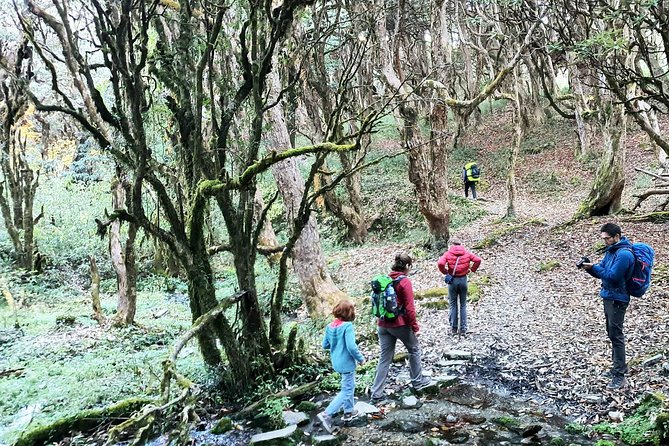
Day 8 is the final stretch of your mountain trekking phase, walking to Basari. The itinerary doesn’t spell out the exact timing here, but it frames this as the last day on the trekking trail. Expect a mix of final descents/finishes and some “breathe and notice” time as you wind down.
Day 9 brings you back to the city rhythm. You drive from Pokhara back to Kathmandu, about 7 hours overland. Once you reach Kathmandu, you have rest time.
Day 10 ends with a transfer to the airport. This closure matters because trekking often leaves people drained, and a smooth exit prevents the final day from turning into a stressful scramble.
Price and What You Really Get for $799
At $799 per person for an approximately 10-day program, the best way to judge value is to look past the headline cost and see what’s included that you’d otherwise pay for yourself.
Here’s the core value stack:
- Guide and porters with wages, insurance, and gear included
- All required trekking permits and documentation
- First aid kit plus an oxygen monitor
- Sleeping bag and down jacket for the higher elevation segment
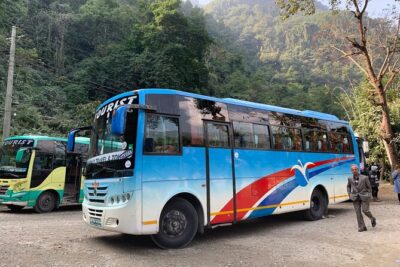
- All ground transportation (Kathmandu ↔ Pokhara, and the route legs to the trail)
- Meals: listed as 9 breakfasts, 6 lunches, and 5 dinners
- A complimentary trekking duffle bag
- A map provided by the local side
- Entry fees for a short visit to Baglung High Bridge
Then there’s the less obvious value: the stated mission. The trek is tied to community welfare and women empowerment. If you prefer travel that supports local systems rather than funneling money out, that mission should factor into your decision as much as your comfort level.
Not included items are also clear: tips, drinking water, bar bills/snacks/drinks, and personal expenses. Also note that lunches/dinners in Kathmandu and Pokhara aren’t included. So you’ll want to budget a little extra cash for those city meals and for water on the ground.
Guides, Safety, and the Stuff That Prevents “Trek Regrets”
If you’ve ever done a trek where you felt uncertain about safety, you already know why this matters. This trip includes a first aid kit and an oxygen monitor, which signals that they’re thinking about altitude risk rather than treating it as an abstract threat.
Just as important: multiple guide experiences linked to this operator mention that guides were highly knowledgeable and gave valuable advice on how to behave in the mountains for safety, with real help and support when people needed it. Names that show up across positive feedback include Apar, Lokendra, and team members such as Ashishm and Joyendra.
You’re also walking with porters, and porter support can change the experience from struggle to enjoyment. The itinerary is not framed as a self-supported grind, and the included porter model supports that.
Who This Trek Suits Best (and Who Should Be Careful)
This trek is best for you if:
- You want a shorter, easier Himalayan experience without giving up the awe factor
- You care about women empowerment and community welfare while still getting real walking days
- You like the idea of staying in a community lodge and moving through villages like Tikot and the Magar settlements
You should be careful if:
- You have joint problems or struggle with downhills on stone stairs. The operator explicitly says to let them know so they can assist with a better/easier route.
- Weather is a big variable in the Himalaya. The experience notes it requires good weather, so be ready for date changes if conditions aren’t right. (They also state you’ll be offered another date or a full refund if canceled due to poor weather.)
Should You Book Mohare Danda?
I think you should book this trek if you want a value-packed experience that mixes views, village contact, and a community mission that isn’t just a brochure line. The included gear (sleeping bag and down jacket for the high area), permits, and transportation reduce the usual last-minute budgeting headaches. And the track record of guide support—especially names like Apar and Lokendra—is reassuring for safety and day-to-day confidence.
I’d skip it if you’re chasing a rugged, ultra-technical trekking badge. This is more about accessible walking, community life, and sunrise-at-the-lodge payoff than about suffering for bragging rights.
If you’re deciding between “views-only” and “views with meaning,” Mohare Danda is one of the better options in Nepal for that balance.
FAQ
What is the approximate duration of the Mohare Danda Trek?
The trek is listed as 10 days (approx.).
How much does the Mohare Danda Trek cost?
The price is $799.00 per person.
Is pickup offered from Kathmandu?
Yes, pickup is offered.
What’s included in the trek price?
Included items include a Mohare Danda trekking guide and porters (wages, insurance, and gear), permits/documentation, a first aid kit and oxygen monitor, and sleeping bag and down jacket for the high elevation part. It also includes ground transportation and meals (breakfasts, lunches, and dinners listed in the package).
Are permits and documentation covered?
Yes, all required trekking permits and documentation are included.
What meals are included during the trek?
The package lists 9 breakfasts, 6 lunches, and 5 dinners.
How big are the groups?
This trek has a maximum of 11 travelers.