Pokhara’s Thakali cooking class turns a meal into a mini cultural hangout, and it’s surprisingly hands-on. I like how you get guided by an English-speaking family chef (cooks like Shanta, Sanva, and Roma/Rita come up in past sessions), not just a show-and-tell instructor. I also love the pacing: you chop, stir, and taste as things cook, so the technique sticks.
One thing to plan for: the Thakali style leans hard on spices, and reviewers specifically point out how much they use. If you’re heat-sensitive, tell your host at the start so you can adjust as you go.
In This Review
- Quick take on this Thakali cooking class
- Why this Pokhara Thakali class feels different from a show
- The 3-hour flow: what your time is really used for
- 1) Welcome and Thakali cuisine basics
- 2) Hands-on prep in the kitchen
- 3) Cooking the signature dish step by step
- 4) Tasting as you cook, then lunch
- What you cook: signature Thakali dishes and the flavor balance
- The spice factor: what to expect and how to handle it
- The family-chef teaching style (and why it helps you learn)
- Pickup, private group setup, and what it means for your day
- Price and value: is $45 fair for 3 hours in Pokhara?
- Who should book this Thakali cooking class
- A practical checklist before you go
- Should you book this Pokhara Thakali class?
- FAQ
- How long is the Pokhara Thakali cooking class?
- Where does the experience take place?
- Is hotel pickup and drop-off included?
- Do I need to be fluent in Nepali?
- Do I cook or just watch?
- What dish will we make?
- Is lunch included?
- Is the tour private?
- What’s the price and when should I book?
- What is the cancellation policy?
Quick take on this Thakali cooking class
- Hands-on cooking, not a spectator class: You actually prep the ingredients and work the pots.
- Learn from a family kitchen: Hosts such as Shanta, Sanva, and Roma/Rita teach with patience and warmth.
- Spice practice with structure: Spices are used in a very practical, step-by-step way.
- Tasting while you cook: You get to sample during the process, not only at the end.
- Lunch is part of the deal: After the cooking, you eat what you made with soft drinks.
- Hotel pickup and drop-off: Round-trip private car transfer keeps it simple.
Why this Pokhara Thakali class feels different from a show
Most cooking classes in tourist areas stop at a demo. This one is set up around something more personal: you join a local family kitchen and work alongside the people doing the cooking every day. That matters because Nepalese food makes more sense when you see how families handle ingredients, tools, and timing in real life.
You’ll notice the difference right away in how the kitchen runs. In past sessions, hosts have been praised for efficient setups and for keeping spices organized, which is a big deal in Indian/Nepali-style cooking where the order of actions affects flavor. When someone like Shanta (or Sanva in another session) can move quickly and still explain what’s happening, you learn faster.
And the vibe is relaxed. The class is described as fun and easygoing, with hosts generous with time and attention. That’s a practical advantage if you’re traveling with kids, or if you just want to ask lots of questions without feeling rushed.
You can also read our reviews of more cooking classes in Pokhara
The 3-hour flow: what your time is really used for
The class lasts about 3 hours, which is long enough to do real cooking work but short enough to fit cleanly into a Pokhara day. With hotel pickup and drop-off included, you avoid wasting energy figuring out transport or meeting points. That lets you show up ready to cook, and it keeps the day from turning into a logistics exercise.
Here’s the typical rhythm you can expect based on how the experience is described:
1) Welcome and Thakali cuisine basics
You start with a warm welcome and an intro to Thakali cuisine. That doesn’t mean a lecture. It’s more like orientation: what makes Thakali food taste like Thakali food, and how the spices and ingredient choices work together. This is the part that sets you up for the rest of the cooking, so you’re not just following steps blindly.
2) Hands-on prep in the kitchen
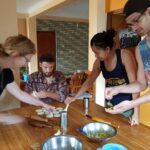
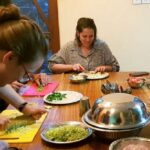
Then you head to the kitchen and roll up your sleeves. You’ll do tasks like chopping vegetables and working through ingredients during the cooking process. One practical takeaway from past participants: once you start doing the prep yourself, the final flavors make sense instead of feeling random.
If you’ve ever watched cooking videos and wondered why everything tastes different at home, this is the answer. The difference isn’t magic. It’s technique and timing, and those are easier to learn when your hands are involved.
3) Cooking the signature dish step by step
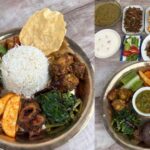
The class focuses on a signature Thakali dish, commonly Dal Bhat or another traditional Thakali specialty. The point isn’t only to produce a meal; it’s to learn the balance of flavors that defines the style. You’ll get guidance on Thakali cooking techniques, including how local spices are used and how traditional utensils and methods affect the final taste.
You can also read our reviews of more tours and experiences in Pokhara
4) Tasting as you cook, then lunch
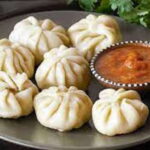
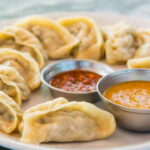
A key highlight is that you taste what’s cooking as it comes together. By the time you sit down for lunch, you’re not surprised by flavors. You already understand what you made and why it tastes the way it does.
Lunch also includes soft drinks, and the meal itself is part of the teaching. Eating what you cooked helps you lock in the lessons fast.
What you cook: signature Thakali dishes and the flavor balance
You’re not left guessing at the end. The class is designed around preparing a signature Thakali dish. Dal Bhat is mentioned as a common focus, but the broader idea is that you’ll learn the Thakali flavor framework.
Here’s the practical value of that for you: Thakali cuisine is known for using aromatic spices and wholesome ingredients, and the “secret” is less about one special ingredient and more about how the spices interact over the cooking time.
In plain terms, you’re learning:
- how to treat spices as a process, not a dump
- how to adjust seasoning so things taste balanced
- how ingredients you’re familiar with (vegetables and lentils) become distinctly Thakali through technique
And because you’ll taste during cooking, you can connect cause and effect. Stirring longer, adding at the right stage, and working with the kitchen flow changes the result. You’ll feel that in your mouth, not just in your notes.
The spice factor: what to expect and how to handle it
Let’s talk about the elephant in the kitchen: Thakali cooking uses a lot of spices, and that’s not a vague marketing claim. Past participants explicitly called out that the dish uses a ton of spices.
So here’s how to get the best experience:
- If you love bold flavors, this is the part that makes the class fun. You’ll get to see how spices are managed and layered.
- If you’re sensitive to heat, plan to communicate early. You’ll want to ask about how spicy things are and whether you can go lighter on certain components.
Even if you’re not a spice person, the class is still worth it because you’re learning the method. After all, you can often recreate the approach with reduced heat at home.
The family-chef teaching style (and why it helps you learn)
One reason this class gets strong marks is that the teaching style feels personal. Hosts like Shanta, Sanva, Roma, and Rita are repeatedly mentioned as welcoming, patient, and generous with knowledge. That matters because cooking instruction works best when the teacher adapts to the group pace.
You’ll likely notice a few good habits in how instruction happens:
- step-by-step guidance while you cook
- patience when you’re chopping or stirring at your own speed
- encouragement to ask questions
Also, the cooking is described as efficient. In sessions where kitchens are organized well, it becomes easier for you to follow along. You’re not staring at a mess of ingredients. You’re working in a setup that’s meant for real cooking, not staged chaos.
And yes, this also means it’s a nice option if you’re traveling with a child. One family highlighted that an eight-year-old had a lot of fun, which suggests the tone stays friendly and not overly formal.
Pickup, private group setup, and what it means for your day
This is built for convenience. You get hotel pickup and drop-off, with round-trip transfer by private car. That changes the experience in a big way: you spend less time coordinating transport and more time showing up relaxed and ready.
It’s also a private tour/activity, meaning only your group participates. That’s a practical advantage because it makes asking questions easier, and it helps the host pace things for you. In a cooking class, group size affects everything: how much attention you get, whether you can move comfortably in the kitchen, and how smooth the tasting moments feel.
You’ll also receive a mobile ticket, which is handy in a place where you might prefer to keep everything on your phone.
Price and value: is $45 fair for 3 hours in Pokhara?
At $45 per person for about 3 hours, this class sits in the value zone if you care about hands-on learning and a real meal. Here’s why it can be worth it:
You’re not paying for a short demo. You’re paying for:
- ingredients and utensils provided
- instruction from an experienced English-speaking cooking family chef
- a cooked lunch with soft drinks
- round-trip private car transfer and hotel pickup/drop-off
If you price that out on your own—getting to a local kitchen, securing an English-speaking teacher, buying ingredients, paying for a meal, and arranging transport—the class starts to look like a bundle, not just a recipe lesson.
Also consider timing. The class is often booked about 6 days in advance on average. If you’re traveling around high season or on a tight schedule, you’ll want to lock it in early to avoid missing your preferred slot.
Who should book this Thakali cooking class
This experience fits best if you want food education that feels lived-in, not performance-based.
You’ll probably love it if:
- you enjoy learning by doing
- you want a local-family meal experience in Pokhara
- you like spice-forward cooking and want the technique behind it
- you want something active that still ends in a satisfying lunch
It may not be ideal if:
- you’re looking for a light, low-effort activity
- you strongly avoid spice flavors and don’t want to adjust during cooking
- you’d rather watch than participate (this class expects participation)
A practical checklist before you go
You can make your experience smoother with a couple smart moves:
- Skip heavy breakfast. One participant notes that you have a lot of good eating ahead, and honestly that’s accurate when lunch is part of the session.
- Wear comfortable clothes you can use for cooking. You’ll be prepping and working in a kitchen environment.
- Come with questions. If you want to recreate flavors at home, ask how the spice timing works.
- Expect soft drinks with lunch, but if you have other drink preferences, plan accordingly.
And if there’s an option for gratitude (it’s listed as optional), you can decide what feels right for the family and chef who taught you.
Should you book this Pokhara Thakali class?
If your goal is a genuine food experience that’s active, social, and ends with a meal you made yourself, I think this is an easy yes. The biggest wins are the hands-on cooking family format, the patient teaching from hosts such as Shanta and Sanva, and the chance to taste while you cook. For $45, you’re also getting more than instruction—you’re getting lunch and transport handled.
Book it if you’re hungry for flavor and ready to participate. If you’re cautious about spice heat, communicate early and treat the class as technique training, not just a challenge dish. Either way, you’ll leave with a better sense of what makes Thakali food taste the way it does.
FAQ
How long is the Pokhara Thakali cooking class?
It runs for about 3 hours.
Where does the experience take place?
The experience is in Pokhara, Nepal.
Is hotel pickup and drop-off included?
Yes. Hotel pickup and drop-off are included, along with round-trip transfer by private car.
Do I need to be fluent in Nepali?
No. The cooking family chef is described as English speaking.
Do I cook or just watch?
You participate in a hands-on cooking experience. You’ll help prepare the dish, including tasks like chopping and stirring while guided by the chef.
What dish will we make?
The class focuses on a signature Thakali dish, such as Dal Bhat or other traditional specialties.
Is lunch included?
Yes. Lunch is included, along with soft drinks.
Is the tour private?
Yes. Only your group will participate.
What’s the price and when should I book?
The price is $45.00 per person, and it’s typically booked about 6 days in advance on average.
What is the cancellation policy?
Free cancellation is available. You can cancel up to 24 hours in advance for a full refund; within 24 hours, there is no refund.