REVIEW · POKHARA
MoMo or Dal Bhat Cooking Class at Aama Kitchen in Pokhara
Book on GetYourGuide →Operated by Crystal Holidays Adventure Pvt Ltd · Bookable on GetYourGuide
A home kitchen in Pokhara can teach you more than any menu. This MoMo or Dal Bhat cooking class at Aama Kitchen feels personal because you cook with the family head, Aama, in a real apartment kitchen. I like that the lesson is step-by-step and practical, and I also like that you get to taste what you make, not just watch it happen.
You’ll likely leave with real technique, too. For momo, folding can be awkward at first, but the hands-on coaching (including patient encouragement) is the whole point. One possible drawback: this is active cooking in a family home setting, and it’s not a fit if you have food allergies or need lots of food restrictions accommodated.
You also get an easy logistics setup: pickup from the Lakeside area, a short drive to the home, then you’re dropped back after about three hours. The teaching is in English and Hindi, and the class is set up as a private group, so you don’t feel rushed.
In This Review
- Key Highlights You’ll Actually Care About
- Aama Kitchen Feels Like Food, Not Performance
- Your 3-Hour Plan in Plain Terms: Pickup to Recipe Take-Home
- MoMo vs Dal Bhat: Choose the Meal That Matches Your Mood
- MoMo: Folding Skills and Flavor Balance
- Dal Bhat: Spices, Vegetables, and Comfort-Meal Logic
- Which one should you pick?
- The Real Value: Aama’s Teaching and Family-Style Patience
- Price and Value: Why $28 Can Be Worth It
- Logistics That Matter in Real Life
- Comfort rules
- Bag rules
- Food allergy note
- Wheelchair access
- Transport timing
- What You Get to Take Home Beyond Recipes
- Who This Class Suits Best
- Should You Book the MoMo or Dal Bhat Class at Aama Kitchen?
- FAQ
- What dish can I cook in this class?
- How long is the cooking class?
- Do I get pickup and drop-off from my hotel?
- Where does the class take place?
- What languages are the instructors?
- Is this class private?
- What should I wear or bring?
- Are large bags allowed?
- Is the class suitable if I have food allergies?
- What will I have at the end of the class?
Key Highlights You’ll Actually Care About
- Cook in a real Pokhara home with Aama (mom) guiding you in her kitchen
- Learn momo folding or dal bhat components step-by-step instead of doing a rushed demo
- Ask questions during a Q&A while you’re cooking, not after you’re done
- Take your recipe home so you can repeat the meal later
- Round-trip transport from Lakeside is included, so you don’t have to puzzle out the ride
Aama Kitchen Feels Like Food, Not Performance
The best cooking classes don’t try to impress you with stage lighting. At Aama Kitchen, the focus is the everyday rhythm of Nepali food: prep, seasoning, cooking, tasting, and adjusting. You’re working inside a family kitchen, so the whole experience feels like a meal being made for real people, not a production.
I especially like that Aama (the family head, referred to as aama) is the instructor vibe. That matters because Nepali cooking is deeply personal: spices, timing, and proportions often come from long habit, not from a single printed recipe. In the classes I’m describing here, the instruction also calls out spice use and flavors in a way that helps you understand what you’re doing, not just copy the outcome.
Another good sign: the cooking is described as hands-on, with all ingredients and equipment provided. That reduces the biggest stress for first-timers. You’re not trying to locate specialty items or bring cookware that won’t match the plan.
You can also read our reviews of more cooking classes in Pokhara
Your 3-Hour Plan in Plain Terms: Pickup to Recipe Take-Home
The schedule is straightforward, and that’s a plus when you’re in Pokhara and don’t want to spend half a day coordinating.
You’ll start with round-trip transfer from your hotel within the Lakeside area. You’ll be asked to wait in the lobby about 10 minutes before pickup, then you’ll drive roughly 25 minutes to Aama’s home. Once you arrive, the time shifts from travel mode to cooking mode.
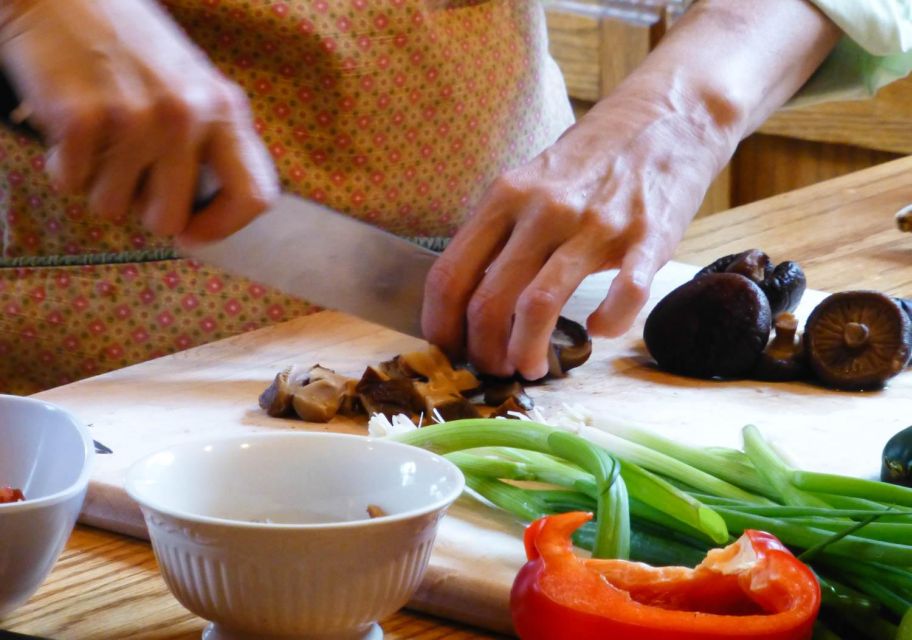
The core of the experience takes place in the kitchen: you’ll choose either MoMo or Dal Bhat when booking, and you’ll cook step by step under Aama’s guidance. Expect a “do it with me” structure—mixing or prepping, shaping or assembling (for momo), and cooking the key elements (for dal bhat). There’s also a Q&A session built in, which is where you can ask why something tastes the way it does.
At the end, you’ll eat what you made, then you’ll drive back and get dropped off at your hotel. A small but meaningful touch: you take the recipe home, so your notes aren’t just memories.
MoMo vs Dal Bhat: Choose the Meal That Matches Your Mood
This class works best when you pick the dish you actually want to learn. So here’s how I’d think about the choice.
MoMo: Folding Skills and Flavor Balance
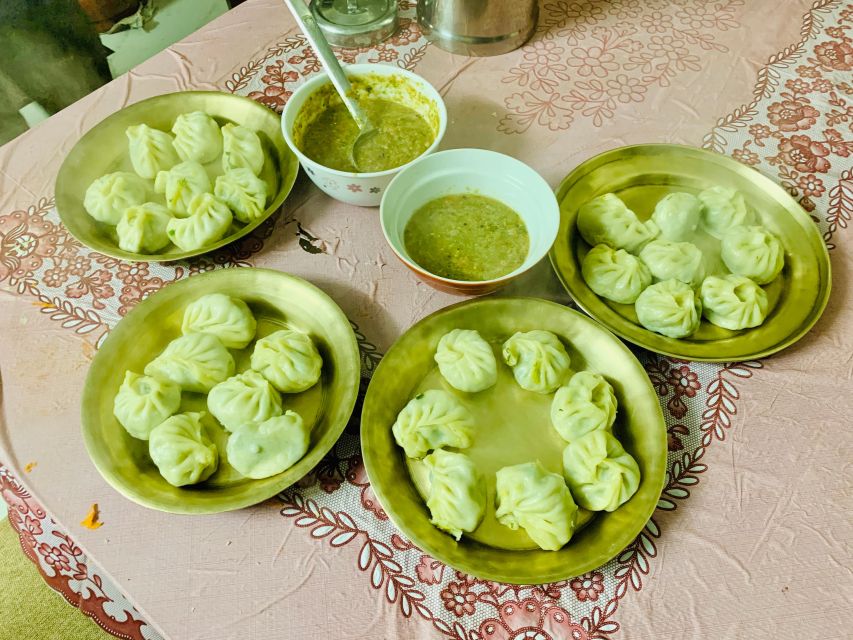
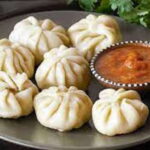
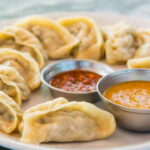
If you go for momo, you’ll start from scratch—making the dumpling at home is the whole learning goal. Expect to work on dough and filling, then get coached on shaping and folding. One very practical point from past experiences: folding can be tricky for beginners, but the teaching is patient. If you enjoy learning a physical skill (and don’t mind getting a little dumpling on your hands), momo is the more hands-on challenge.
What you’ll eat matters, too. The class is built around making momos you can enjoy immediately, so you’re tasting while you’re still learning. That makes it easier to understand what the right texture and seasoning should feel like.
Dal Bhat: Spices, Vegetables, and Comfort-Meal Logic
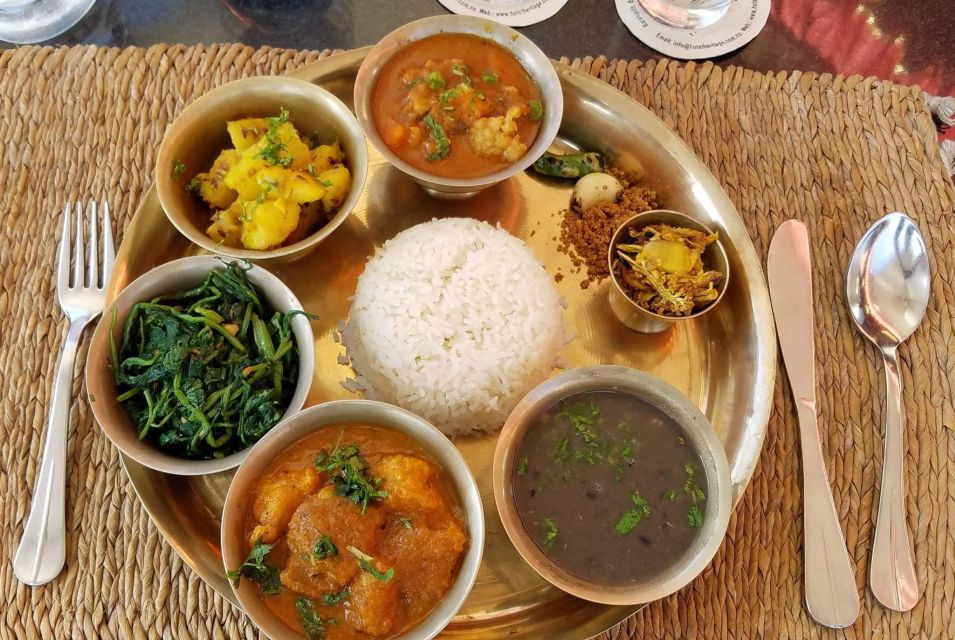
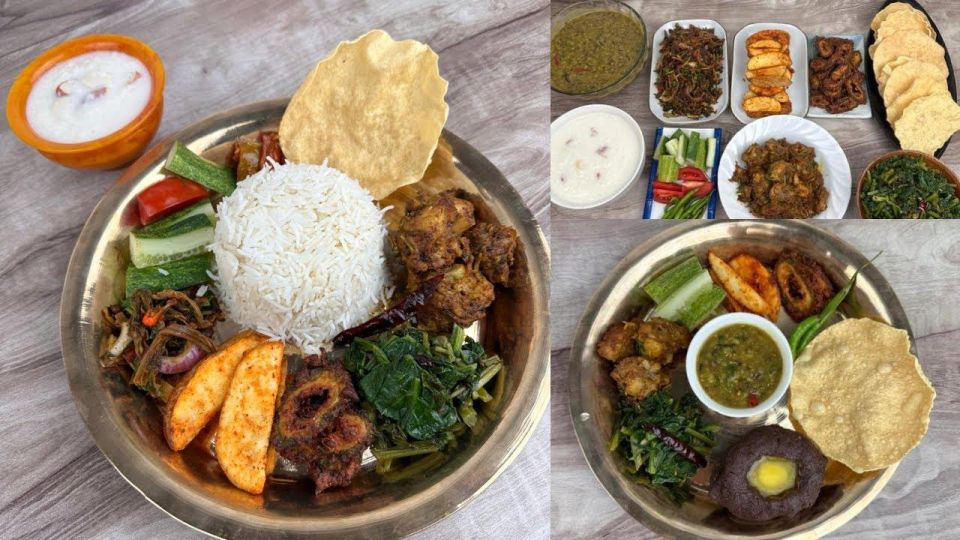
Dal bhat is the other track, and it tends to feel more like learning the structure of a full Nepali plate. You’ll work with dal bhat components—cooked dal and the meal’s vegetable and spice elements—so you can see how everything comes together rather than treating it as one flat recipe.
From the type of instruction described, you’re not only learning how to cook; you’re learning how the spice mix and vegetables fit into the meal. In festival timing (especially around October), some groups may also get a small cultural moment like tika or a short ceremony tied to the season. If that interests you, check your dates and go in ready to notice details beyond the food.
You can also read our reviews of more tours and experiences in Pokhara
Which one should you pick?
- Pick MoMo if you want a hands-on skill lesson and a snack-like payoff.
- Pick Dal Bhat if you want comfort-food structure and clearer “this ingredient does this job” understanding.
The Real Value: Aama’s Teaching and Family-Style Patience
Food can be taught like math, or it can be taught like storytelling. Aama Kitchen does both, and that’s why people rate the experience so highly.
A key theme here is patience. Some learners start off being clumsy with momo folds, and the instruction is built to meet you at that level. If you’ve ever tried to follow a recipe at home and thought, I’m doing everything right but it still won’t work, you’ll probably appreciate this approach: someone shows you what to do with your hands and then adjusts in real time.
You may also hear spice and cooking explanations tied to ingredients and everyday life. In some cases, there’s even talk about spice origins or how ingredients connect with seasons and harvest time—exact details depend on the cooking day, but the overall approach is consistent: you learn why a flavor makes sense in Nepali cooking, not just what to add.
And yes, you get more than instruction. The experience is designed around being in the family setting long enough to ask questions and talk. Names that show up in past instruction include Sadaha and Shanta alongside the family teaching role of Aama. That doesn’t mean every class runs with the exact same people, but it does signal that the kitchen has real cooks, not only casual help.
Price and Value: Why $28 Can Be Worth It
At $28 per person for a 3-hour, hands-on class, the value is mostly in what’s included and what you don’t have to arrange yourself.
You’re not paying just for a cookery lesson. You’re also getting:
- Round-trip pickup and drop-off from Lakeside hotels
- All ingredients and cooking equipment
- English/Hindi instruction
- A real Q&A component
- A take-home recipe so the learning can continue
If you try to recreate Nepali cooking at home without local guidance, you’ll usually lose money in two ways: buying ingredients you don’t use later, and missing technique that affects taste and texture. Here, you get the technique (dumpling folding or dal bhat assembly), then you walk away with the recipe.
Private group also matters. Even without a guaranteed headcount listed here, the experience is described as private group rather than a shared group tour. That typically means you spend less time waiting and more time working.
So the best way to see the price is this: it’s a half-day cultural meal made interactive, plus transport, plus ingredients. For Pokhara, that’s a sensible deal.
Logistics That Matter in Real Life
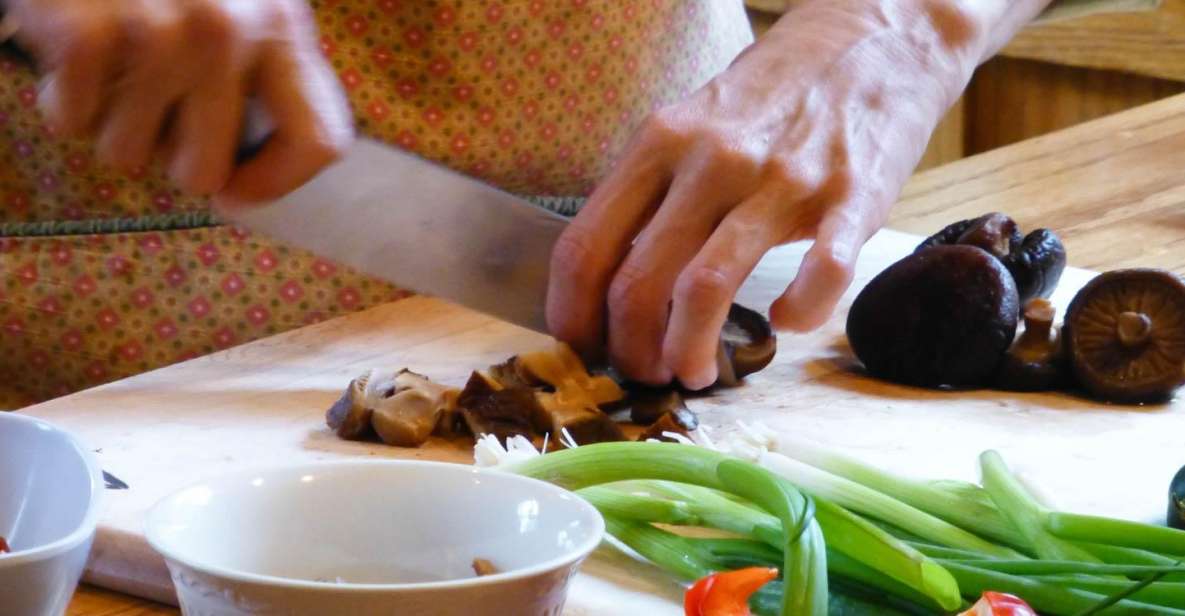
This is where most cooking classes either work smoothly or start to annoy you. Here are the practical points you can plan around.
Comfort rules
Wear comfortable shoes and comfortable clothes. You’ll be standing and moving enough to need footwear you can tolerate for a few hours. Also, clothes matter because you’re cooking in a home kitchen. You don’t need fancy outfits—just something you can move in.
Bag rules
Luggage or large bags are not allowed. Bring only what you need for the class. If you’re traveling with a big backpack, expect to store it elsewhere before you go in.
Food allergy note
This class is not suitable for people with food allergies. If allergies affect you, don’t treat this as a flexible “we’ll adjust everything” situation. It’s safer to choose a meal you can control fully rather than gamble with kitchen cross-contact and ingredient substitutions.
Wheelchair access
The activity is listed as wheelchair accessible, which is a helpful detail. That said, it’s still a family apartment kitchen, so expect the space to be more homey than hotel-standard. If you have mobility needs, it’s worth confirming how the kitchen setup supports movement.
Transport timing
You’ll be picked up from your hotel within Lakeside, and pickup timing is based on waiting in the lobby about 10 minutes early. It’s simple, but don’t show up exactly at pickup time and hope the driver waits.
What You Get to Take Home Beyond Recipes
The recipe is the obvious take-home. But the real benefit is how it changes your approach to Nepali food when you cook later.
Because the class is hands-on, you learn the “feel” of cooking steps—especially for momo shaping and folding, where tiny changes make a big difference. For dal bhat, you see how a plate comes together: dal plus the rest of the components, tied together by spice and cooking method.
There’s also a cultural angle that shows up in small, memorable ways. One earlier experience notes that when the class happened around a festival period in October, the group had a chance for cultural connection and a small ceremony like tika. That doesn’t happen every single day for every schedule, but it’s a reminder that Nepali food often comes with season and tradition attached.
If you like travel that leaves you with skills—not just photos—this is that kind of class.
Who This Class Suits Best
This fits you best if you want:
- A local home-kitchen experience instead of a restaurant-only cooking demo
- To learn either momo techniques or how a dal bhat plate is built
- A class you can do with a bit of confidence, because the instruction is patient and interactive
- A meal you can repeat later, thanks to the recipe take-home
It may not fit if:
- You need allergy accommodations (not suitable for food allergies)
- You don’t like active cooking and prefer to sit and watch
- You dislike cramped home spaces, since it’s described as a family apartment atmosphere
If you’re traveling solo, you may still find it works well. Past experiences include solo participants who felt comfortable in the family setting, not isolated or awkward.
Should You Book the MoMo or Dal Bhat Class at Aama Kitchen?
If your goal is authentic Pokhara flavor with real technique, I’d book this. The big reasons are practical: included transport from Lakeside, a 3-hour hands-on structure, and instruction from Aama and family cooks with a supportive teaching style. The $28 price also makes sense because ingredients, equipment, and recipe follow-through are built in.
If you’re choosing between dishes, pick momo for the skill challenge and dal bhat if you want the comfort-meal structure. Just be honest about one thing: this isn’t a gentle show-and-tell. It’s cooking in a family kitchen, and it’s best when you’re comfortable getting involved.
FAQ
What dish can I cook in this class?
You can choose momo or dal bhat when you book, and the class is structured around the dish you select.
How long is the cooking class?
The experience lasts 3 hours.
Do I get pickup and drop-off from my hotel?
Yes. There’s round-trip transfer included for hotels within the Lakeside area of Pokhara.
Where does the class take place?
It takes place at Aama Kitchen, at the family home where you’ll cook in a homely apartment kitchen setting.
What languages are the instructors?
Instruction is available in English and Hindi.
Is this class private?
Yes. The experience is listed as a private group.
What should I wear or bring?
Wear comfortable shoes and comfortable clothes.
Are large bags allowed?
No. Luggage or large bags are not allowed.
Is the class suitable if I have food allergies?
No. It’s listed as not suitable for people with food allergies.
What will I have at the end of the class?
You’ll take the recipe home, and you’ll also enjoy the food you cook during the session.