REVIEW · KATHMANDU
Kathmandu: Kailash Mansarovar Yatra Tour 2025
Book on GetYourGuide →Operated by Peregrine Treks and Expedition P Ltd · Bookable on GetYourGuide
Kailash Kora is not a typical sightseeing trip. It’s a spiritual circuit wrapped in high-altitude trekking, Tibetan monasteries, and big Himalayan views, all timed carefully for the realities of altitude.
I like two things most: the Mount Kailash circumambulation is the clear center of gravity, and the Lake Mansarovar rituals give the whole journey a calm, grounding finish line. The guidance also feels practical, with English support and a tight small-group setup.
One drawback to plan for: it’s remote and basic in places, and weather or road problems can add time and personal expenses—so build breathing room into your overall trip.
In This Review
- Key things I’d circle on your shortlist
- From Kathmandu temples to the Kailash circuit in 15 days
- Kathmandu days: UNESCO sites and Newari culture
- Nagarkot hike: an easy win before you get serious
- Rasuwagadhi and Kerung: border logistics and acclimatization reality
- Deep into Tibet: Saga drives and the plateau feel
- Lake Mansarovar: where the trip slows down
- Darchen and the start of the Kailash Kora
- Droma La Pass and Zutulpuk: the toughest day has meaning
- Day 12: finishing the Kora and driving to Saga
- Return to Nepal: Kerung again, then Kathmandu
- What’s included (and what you’ll likely pay extra)
- Visas, permits, and rules you cannot ignore in Tibet
- Comfort level: 3-star hotels meet basic guest houses
- Who should book this Kailash Mansarovar yatra, and who shouldn’t
- Should you book the Kathmandu Kailash Mansarovar Yatra Tour 2025?
- FAQ
- How long is the Kathmandu Kailash Mansarovar Yatra Tour 2025?
- How much does the tour cost per person?
- What’s included for meals on the Tibet portion?
- Do I need a visa for the trip?
- Is there a helicopter option?
- Is the trip suitable for kids or people with medical issues?
- What should I pack and watch out for?
Key things I’d circle on your shortlist
- Kailash Kora on foot: The pilgrimage focus is direct, with trekking days built around the circuit.
- Droma La Pass challenge: A high point with real physical demands and big mental payoff.
- Lake Mansarovar time: You’re not just passing through. You’re there for spiritual moments at the lake.
- Kerung acclimatization stop: You get a buffer before going deeper into Tibet’s altitude.
- Small group, max 10: You get coordination without feeling like cattle in a big bus line.
- English-speaking guidance: Kathmandu and Tibet guiding support helps when logistics get technical.
From Kathmandu temples to the Kailash circuit in 15 days
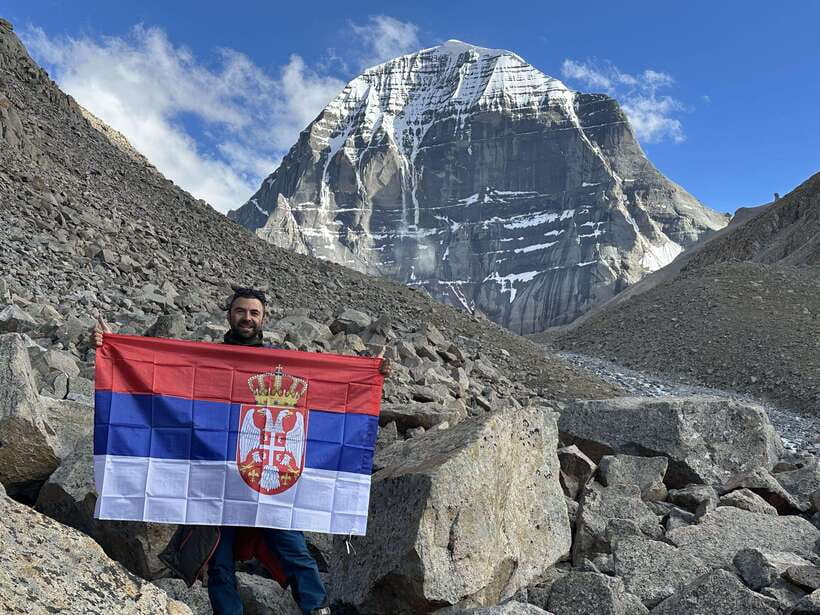
This is a 15-day Kathmandu to Tibet yatra built for one purpose: to get you to Mount Kailash and to walk the Kailash Kora (circumambulation), with Lake Mansarovar as the emotional anchor. You’ll also get several major Nepalese cultural stops first, so the trip doesn’t feel like a fast hop into altitude without context.
The tour is priced at $4,013 per person, with a small group limited to 10 participants. The big value isn’t the number of sites. It’s the way transportation, permits, guides, and pacing are put together for a difficult route.
Because the route crosses an international border, the trip has rules you must take seriously, especially during the Tibet portion. If you like freedom and last-minute changes, plan to follow instructions closely here. Altitude already does enough surprise for one trip.
You can also read our reviews of more tours and experiences in Kathmandu.
Kathmandu days: UNESCO sites and Newari culture
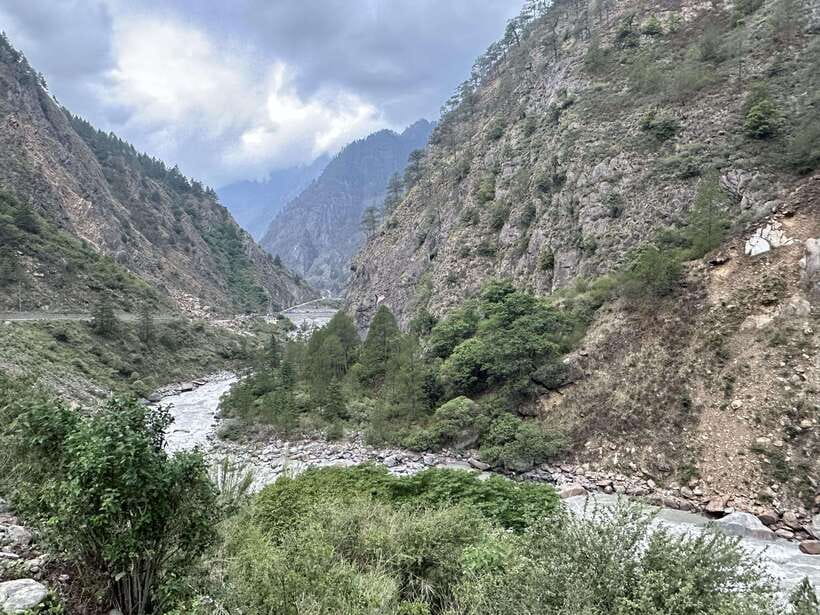
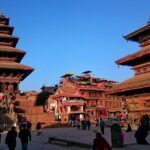
Your first stop is Kathmandu, with a simple arrival and hotel rest to help you settle in. You then do a visa process and sightseeing day 2, hitting four UNESCO World Heritage Sites: Kathmandu Durbar Square, Swayambhunath (Monkey Temple), Boudhanath Stupa, and Pashupatinath Temple.
This matters for two reasons. First, it orients you fast to Nepal’s Hindu and Buddhist spiritual landscape through famous temple and stupa architecture. Second, it gives you a gentle ramp into the trip’s deeper theme: this yatra is about devotion as much as scenery.
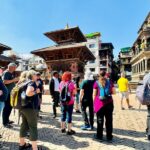
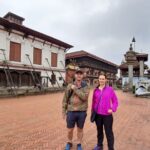
On day 3 you shift to Patan and Bhaktapur with their Durbar Squares. You’ll spend time with Newari architecture and craftsmanship. I like this day because it slows you down. You’re not only checking boxes; you’re seeing how local art and temple design shaped daily life.
If you’re thinking about timing, I agree with a key real-world tip that shows up in the experience: add extra days in Kathmandu at the end if you can. Weather and road delays can happen later in the journey, and Kathmandu gives you a softer place to absorb surprises.
Nagarkot hike: an easy win before you get serious
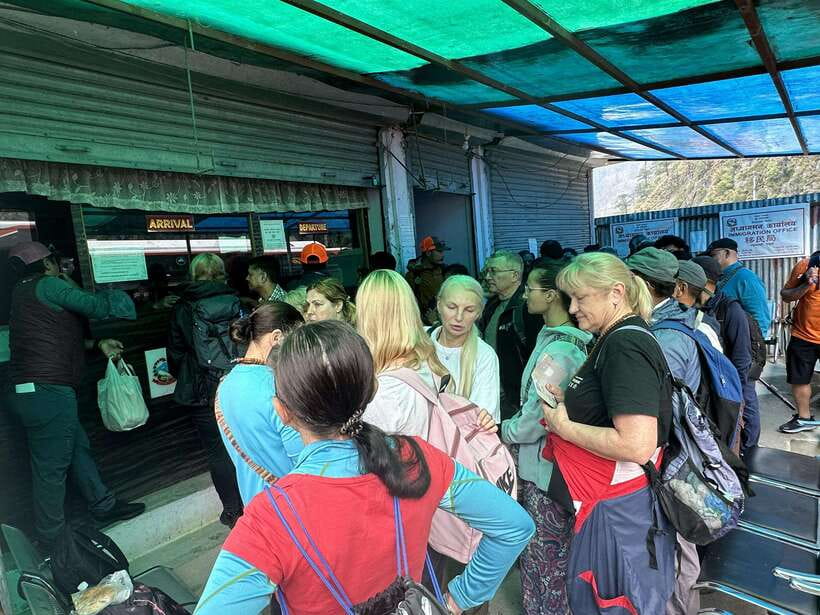
Day 4 includes a day hike from Bhaktapur to Nagarkot. This is a smart move for two reasons. It’s physically manageable compared to the later trek, and it helps you get used to hiking rhythm and mountain air.
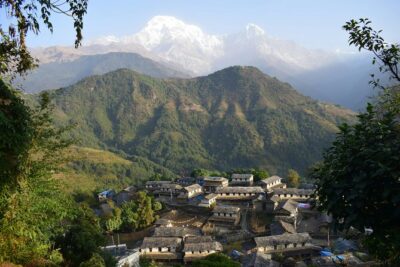
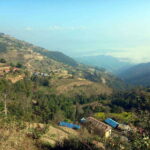
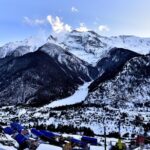
You also get Himalayan views from Nagarkot. This is the kind of “warm-up” day that makes the later altitude feel less like a shock.
Bring your warm layers even if the morning starts mild. In the hills around Kathmandu, temperature swings can sneak up on you, especially when you’re walking for hours.
Rasuwagadhi and Kerung: border logistics and acclimatization reality
On day 5 you drive to Rasuwagadhi, the Nepal-Tibet border town. The drive through the Langtang region is scenic, but the bigger point is transition: from Nepal’s cultural pace into Tibet’s more controlled, permit-driven travel.
Day 6 crosses into Tibet and continues to Kerung, where you explore the town and local temples. Kerung is also your acclimatization cushion. Real talk: once you’re dealing with altitude, your body needs time, not bravado.
In the journey, Kerung has shown how quickly plans can change. One traveler’s experience included being stuck there an extra day due to a landslide. That’s a reminder to pack flexibility and to budget for possible extra costs if travel conditions force delays.
Deep into Tibet: Saga drives and the plateau feel
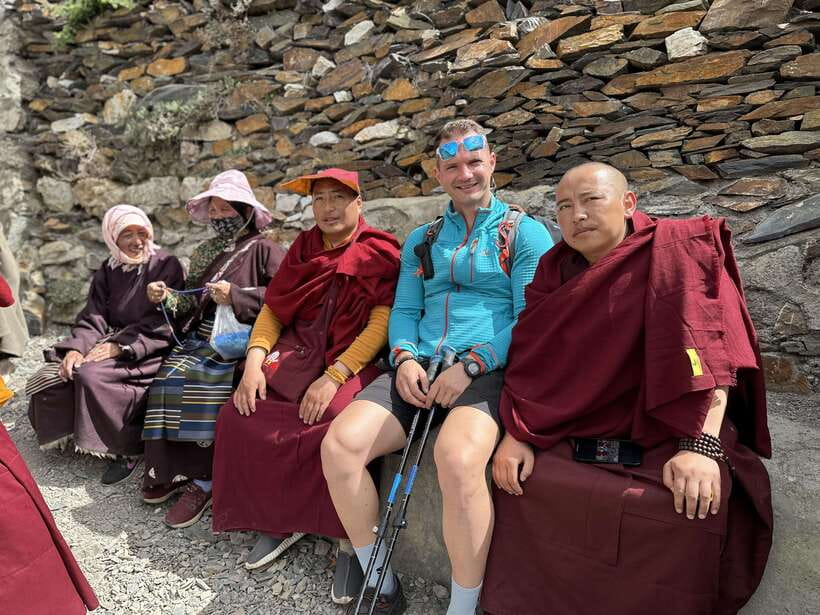
Day 7 drives to Saga, going deeper into Tibet. You’ll see the Tibetan plateau and get a sense of scale with views connected to the Brahmaputra River area.
Then day 8 is another driving day that brings you toward the core spiritual target: Lake Mansarovar. This stretch matters because it’s when your mindset shifts from “trip planning” to “pilgrimage mode.” Long drives can get monotonous, but they also let you recover energy for the trekking days ahead.
The tour uses private jeeps for the Kathmandu-to-Rasuwagadhi route and within Tibet per the schedule. That’s helpful here because you’re not negotiating local transport while you’re dealing with permits and altitude.
Lake Mansarovar: where the trip slows down
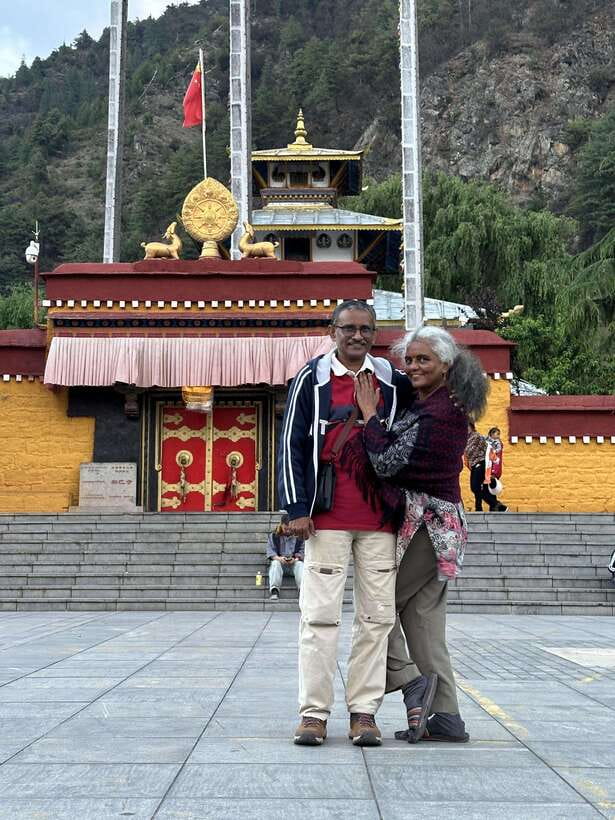
Day 8 brings you to Lake Mansarovar, a revered site for Hindus, Buddhists, Jains, and Bon followers. Day 9 is also part of your Mansarovar-focused time, though day 9’s transfer is short to Darchen for the next stage.
What I like about Mansarovar time is that it’s not treated like a photo stop. You participate in spiritual rituals by the lake and enjoy the lake’s calm atmosphere. One of the strongest notes from the journey experiences is the chance for a purifying bath at Mansarovar, plus a visit tied to Charan Sparsh.
Even if you’re not following the religious tradition personally, this is still a meaningful moment. The lake gives you silence and perspective. You’re surrounded by the kind of devotion that doesn’t need explanation.
Practical reminder: keep water and snacks close. The tour includes breakfast in Tibet mornings, but lunch and dinner during the Kailash trekking portion are not included, so you should plan your energy accordingly.
Darchen and the start of the Kailash Kora
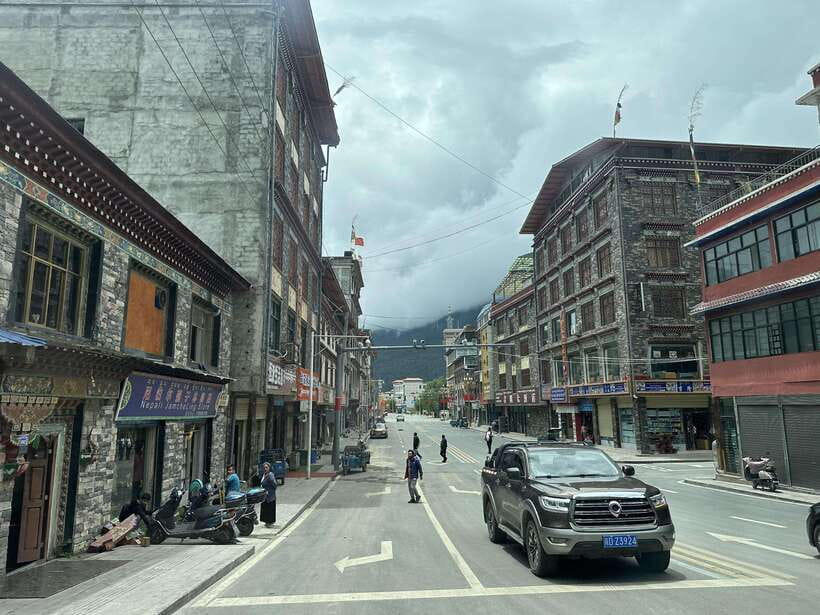
Day 9 brings you to Darchen, near Mount Kailash’s base camp. This is where preparation matters. You’re prepping for the upcoming Kora (circumambulation), and the shift is real: the trip stops feeling like a sequence of towns and starts feeling like one continuous pilgrimage walk.
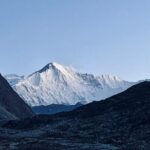
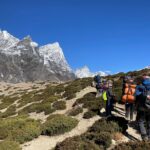
Day 10 is your trek to Derapuk, beginning the Kora on foot. You get impressive views of Mount Kailash, including the north face from the trek route. This is often the day where people realize they’re not only walking for distance. They’re walking for focus.
Day 10 also helps you understand what to expect physically. You’ll be trekking at altitude, so pace and hydration are everything. If you tend to sprint at the start of hikes, resist that instinct here.
Droma La Pass and Zutulpuk: the toughest day has meaning
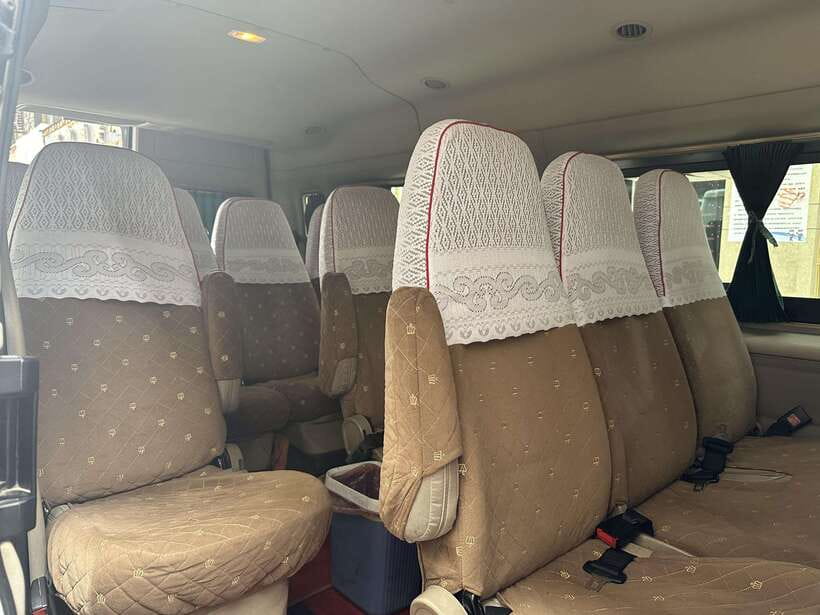
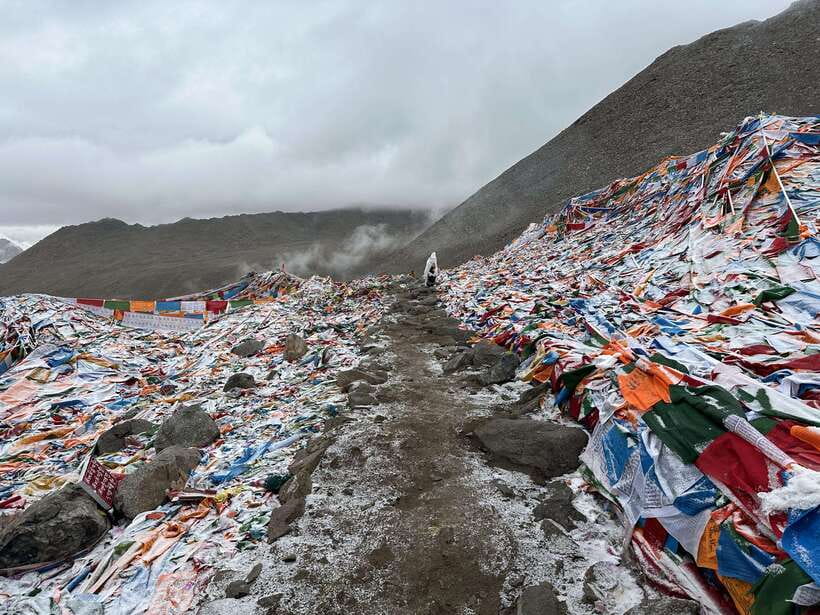
Day 11 is the big test: trek to Zutulpuk via Droma La Pass. The pass is described as the highest point of the trek, and this is the day to treat with respect.
This isn’t just about fitness. It’s also about mental stamina. One traveler called out Dorma La Pass specifically as tough, and that matches what you should expect from a high pass in this region.
You’ll also visit Zutulpuk Monastery. That visit is part of what makes this day more than a workout. It’s the meeting of hard effort and spiritual focus.
Accommodation in Zutulpuk is shared guest house style, and at least one experience report noted it can feel poor. Expect basic conditions and plan to be flexible about comfort. Outdoor-style practicality may matter more than amenities.
If you want a comfort strategy, consider this: a traveler who compared notes also suggested that paying extra to stay in Darchen (when possible) can be worth it. You’ll still be in remote terrain, but Darchen may treat you kinder than the far-end guest house days.
Day 12: finishing the Kora and driving to Saga
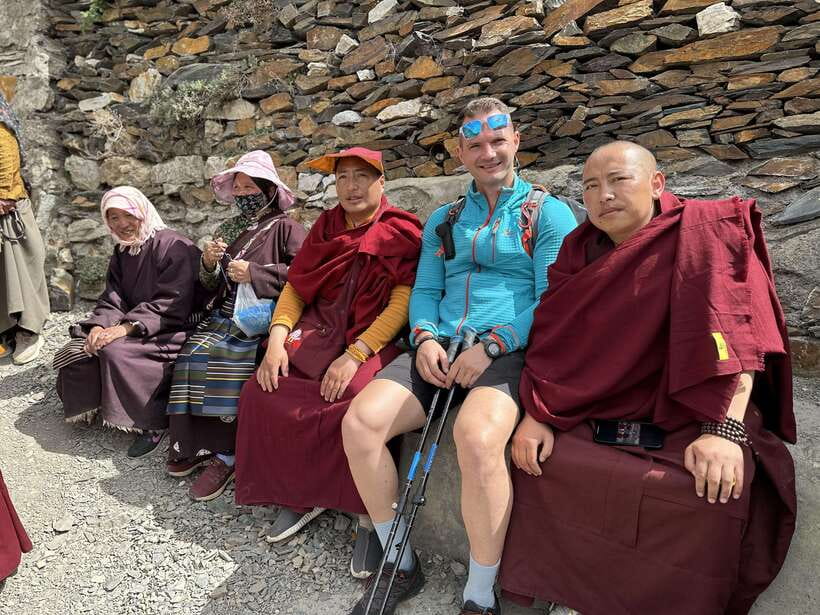
Day 12 completes the Kora and then shifts back to driving, heading to Saga. After days of walking and thin-air concentration, the car ride can feel strange. It’s a mental exhale, but also a reminder to keep taking altitude seriously until you’re fully through the main trek.
This day is often where people feel emotional release. You’ve spent effort all around Kailash’s circuit, and now the route says you’re done. Even if you’re analytical by nature, it’s hard not to feel something.
Return to Nepal: Kerung again, then Kathmandu
Days 13 and 14 cover the return journey. You drive back toward the Nepal border through Kerung, then cross into Nepal and continue to Kathmandu.
Day 14 is also the time to celebrate without pretending you’re back to normal right away. Sleep can feel different after trekking at altitude, and your body might need extra recovery time.
Finally, day 15 is departure from Kathmandu.
What’s included (and what you’ll likely pay extra)
The trip includes a lot of the hard-to-organize pieces. You’ll have private transport in Kathmandu for airport transfers and UNESCO days, plus a hotel with breakfast in Kathmandu. Inside Tibet, you get private jeeps, an English-speaking Tibetan tour guide, and accommodations for nine nights split between:
- six nights in 3-star hotels
- three nights in shared guest houses at Mansarovar, Darchen, Zutulpuk
Breakfast is included for all nine Tibet mornings. That’s useful because you can plan your trekking day food around it.
Here’s where the extra costs commonly show up:
- International airfare and travel insurance are not included.
- Chinese visa is an additional $250 for American, Canadian, and British passport holders.
- Lunch and dinner during the Kailash tour are not included.
- Optional helicopter rides cost extra (private or shared rates listed).
- Porter services cost $350 for three days (carrying up to 12 kgs, including food and accommodation).
- Pony hiring costs $600 for three days if needed.
One practical takeaway: if you want to reduce physical stress, the porter option can make sense for some people, especially with the added burden of altitude fatigue. But don’t assume you can buy your way out of fitness requirements. The trek still demands good conditioning.
Visas, permits, and rules you cannot ignore in Tibet
This tour is permit-driven, and the paperwork matters. The cost includes necessary Tibet Travel Permit and entrance fees for sites visited, plus taxes.
What’s not included is the Chinese Visa (with the $250 figure for specific passport holders) and Nepal visa fees plus your international airfare.
Also, there are strict rules during the Tibet portion. You are strictly forbidden to carry photos, books, CDs, DVDs, or digital devices related to the Dalai Lama or other Tibetan leaders. You’re also prohibited from sharing or posting content about the Dalai Lama on social media platforms like Facebook, Twitter, or YouTube.
That’s not the kind of rule you can wing. Pack carefully. If you travel with a tablet or phone full of sensitive content, plan to remove or sanitize it before you head in.
In addition, alcohol and drugs are not allowed, and you should expect that your guide will enforce respectful behavior and local custom.
Comfort level: 3-star hotels meet basic guest houses
Comfort is a mix, and that’s normal for this route. Kathmandu has a 3-star hotel with breakfast. In Tibet, you get six nights in 3-star hotels, then three nights in shared guest houses at Mansarovar, Darchen, and Zutulpuk.
Real-world advice from experience: basic guest house conditions can be tough at the far end, and one traveler specifically mentioned preferring more outdoors-style toilet arrangements at Zutulpuk. I wouldn’t plan on luxury. I would plan on layers, patience, and good sleep habits.
Also expect uneven roads. Reviews note Nepal side roads can feel rough with many turns and hills. Your comfort here depends on seat posture, hydration, and motion-sickness planning if you’re prone to it.
Who should book this Kailash Mansarovar yatra, and who shouldn’t
This is best for adults who want a real pilgrimage and can handle trekking with altitude. The tour notes the high-altitude trek requires good fitness, and acclimatization days are included.
It’s not suitable for:
- children under 10
- pregnant women
- people with back problems
- people with heart problems
- wheelchair users
If you’re unsure about medical suitability, take it seriously and talk to your doctor before you commit. Altitude changes how your heart and back get stressed, even when the daily walking seems slow.
If you’re the type who likes temples, ritual time, and walking with purpose, you’ll likely love the structure. If you only want comfort and Instagram-level ease, this route may feel too demanding.
Should you book the Kathmandu Kailash Mansarovar Yatra Tour 2025?
I’d book it if you’re chasing one of the few bucket-list experiences where the spiritual focus is built into the walking schedule. The Kailash Kora component and the dedicated Lake Mansarovar ritual time are the core reasons this tour exists, and the trek route through Droma La Pass is the kind of challenge that gives the journey meaning.
I’d be cautious if your budget can’t absorb possible road or weather delays. Experiences include getting stuck in Kerung an extra day due to a landslide, with added expenses that were not covered. In that case, extra Kathmandu buffer days at the end can save you stress.
I’d also take the Tibet rules seriously before you book—especially the restrictions on items and sharing content about Tibetan leaders. If that’s a mismatch with how you travel (or how you share online), you should address it upfront.
If all of that fits your style—spiritual walking, altitude respect, and basic-conditions acceptance—this is a strong, well-supported way to do the Kailash Mansarovar yatra in 2025.
FAQ
How long is the Kathmandu Kailash Mansarovar Yatra Tour 2025?
The tour is 15 days.
How much does the tour cost per person?
The price listed is $4,013 per person.
What’s included for meals on the Tibet portion?
Breakfast is included for all nine mornings in Tibet. Lunch and dinner during the Kailash tour are not included.
Do I need a visa for the trip?
International airfare and Nepal visa fees are not included. The Chinese visa costs USD 250 for American, Canadian, and British passport holders, while the Tibet Travel Permit is included.
Is there a helicopter option?
Yes. A private helicopter ride from Kathmandu to Rasuwagadhi costs USD 1600, and a shared helicopter ride costs USD 320 per person. Helicopter transport is not included in the base price.
Is the trip suitable for kids or people with medical issues?
It’s not suitable for children under 10, pregnant women, people with back problems, people with heart problems, or wheelchair users.
What should I pack and watch out for?
Bring your passport, comfortable shoes, warm clothing, a hat, camera, snacks, sunscreen, and water. Alcohol and drugs aren’t allowed, and you should not litter. The Tibet portion has strict rules about carrying certain items and about sharing Dalai Lama content on social media.