REVIEW · DARJEELING
Singalila Trek from Darjeeling
Book on Viator →Operated by Adventures Unlimited · Bookable on Viator
A Himalayan ridge trek that turns into a grand viewpoint circuit. The Singalila trek from Darjeeling is built for big-mountain payoff: you’re set up to see Everest-area giants plus the full ridge-and-forest experience on the way. I like how the route crosses between India and Nepal while still keeping the feel simple and grounded, and I also like that the trip includes a down sleeping bag, all meals, and trained local guides. One thing to consider: you need to be ready for mountain conditions and a trail day rhythm, since this is a ridge hike with moderate fitness required.
This is the kind of trekking trip where the schedule matters, but the weather matters more. When the skies cooperate, the views are the reason people sign up. When the weather doesn’t, you’re still walking through real Eastern Himalayan countryside—villages, forests, and a national-park setting—so you won’t feel like you paid for nothing.
In This Review
- Key Highlights You’ll Care About
- Singalila Ridge Views: Four Tall Peaks, Real Forest Walking
- Where the Trek Starts: Manebhanjang and the India–Nepal Trail Mood
- The Big Nature Stop: Singalila National Park on Foot
- Sandakphu: The View-Heavy Day You’ll Remember
- “No-Fuss” Comfort: Private Room Homestays and Included Sleeping Gear
- Guides That Actually Shape the Experience (Tenzi, Jigme, and Nhikil)
- Food, Tea, and the Pace That Keeps You Moving
- Price and Logistics: Is $476 Good Value for 6 Days?
- Altitude Reality Check and Safety Gear You Actually Get
- Weather and Flex Dates: What Happens If Visibility Fails
- Who Should Choose This Trek from Darjeeling
- Should You Book This Singalila Trek from Darjeeling?
- FAQ
- How long is the Singalila trek from Darjeeling?
- What stops are included on the trek?
- What’s included in the price?
- What is not included, and when would I need a porter?
- Do I need to enter Nepal with a visa?
- What if the weather is bad?
Key Highlights You’ll Care About
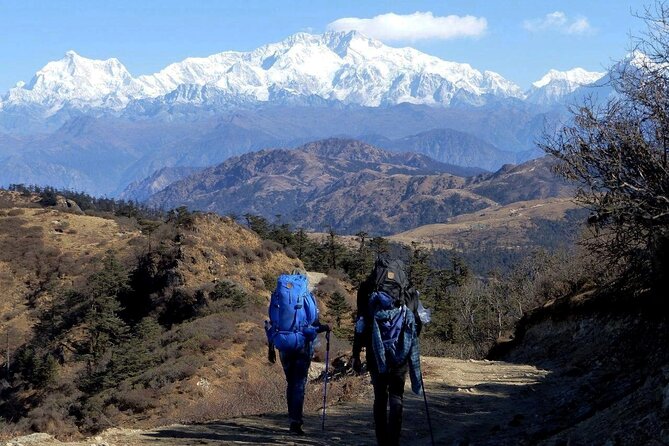
- Four of the five tallest peaks are part of the view story: Everest, Kanchenjunga, Lhotse, and Makalu (as described for this route).
- Start from Manebhanjang, a Sherpa village, then work along the ridge with repeated border-area crossings.
- Singalila National Park and its forest trails are the main character—great for spotting rhododendrons, orchids, and wildlife chances like a red panda.
- Sandakphu is your big altitude viewpoint stop, where clear weather makes the difference.
- Private tour setup means it’s only your group, with support from trained guides and a host network of family-run stays.
- Included gear and comfort: down sleeping bag + freshly laundered fleece liner, plus meals and plenty of tea/coffee.
Singalila Ridge Views: Four Tall Peaks, Real Forest Walking
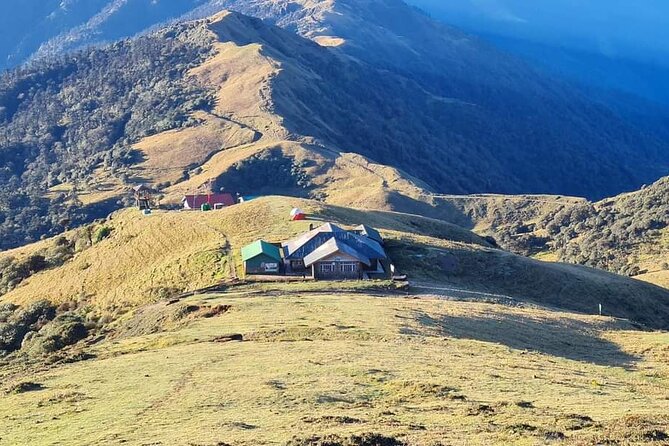
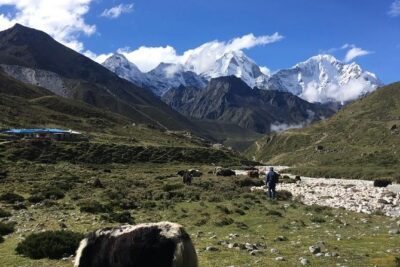
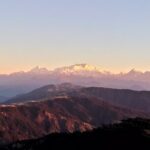
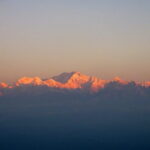
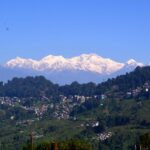
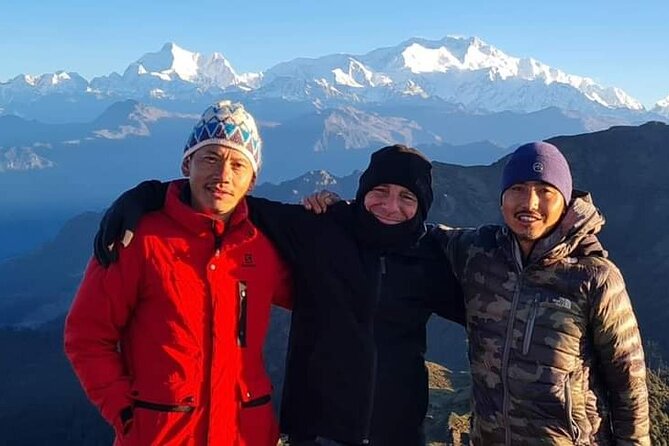
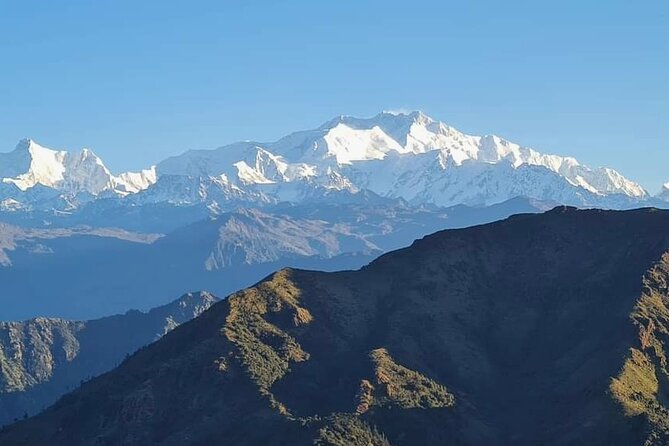
The headline for the Singalila Ridge trek is straightforward: it’s promoted as one of the rare routes where you can aim for views of four of the world’s five highest peaks. In practice, that means your days are designed around ridge lines and viewpoint angles, not just “walk from A to B.”
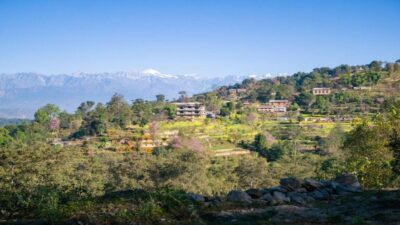
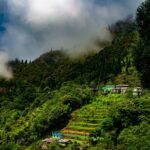
What makes it feel worth it is the balance between payoff and texture. Yes, you’re chasing distant giants, but you’re also moving through the kind of Eastern Himalayan scenery that makes you slow down—forests, changing ridge perspectives, and village life along the way. I also like that the trek is described as “simple,” meaning you’re not forced into complicated logistics just to get those views.
There’s one honest consideration: high peaks are weather-dependent. If clouds sit on the horizon, the trip still has charm, but the “wow” factor changes. The good news is the trek includes enough structure—meals, guides, and basic altitude support—that you can focus on walking, breathing, and taking in what’s actually there.
You can also read our reviews of more hiking tours in Darjeeling
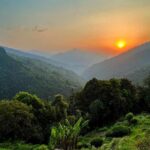
Where the Trek Starts: Manebhanjang and the India–Nepal Trail Mood
Most trekking trips in the Darjeeling area stay fully inside one country. This one is built around weaving in and out of Nepal as you hike, starting from Manebhanjang, described as a Sherpa village.
That matters for two reasons:
First, you get variety in terrain and atmosphere. Even when the mountains look similar, the details—forest edges, village patterns, and how the trail feels—shift as you cross the border region.
Second, there’s a big “paperwork relief” angle in the way this trek is advertised: it’s described as not requiring a visa for entering Nepal. I can’t promise rules won’t change later, but it’s clearly a feature the operator is using to make the trek feel easier.
So if you like the idea of walking through multiple cultural and natural zones instead of staying boxed in, this route fits that mindset.
The Big Nature Stop: Singalila National Park on Foot
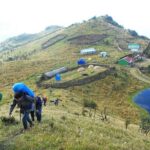
Stop 1: Singalila National Park is where the trek becomes more than scenery math. The park setting is built into the experience: you’re expected to spend trail time along forest corridors and ridge sections that give you repeated opportunities for wildlife and plant spotting.
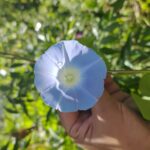
If you care about flora and fauna, this is a strong match. The trek is described as showcasing rhododendrons and orchids, and there’s even mention of the chance to see a red panda if you’re lucky. You also have the typical trekking-bird experience working in your favor—one of the guide write-ups mentions rare bird spotting—so bring your patience and your eyes for small motion and quiet calls.
What I like here is that this stop doesn’t ask you to be an expert. Guides can point things out, and you can still enjoy the day even if you only recognize “pretty plants and strange leaves.”
Downside? National-park trails often mean variable footing—roots, slippery patches after rain, and short stretches where your legs learn humility. If you’re the type who hates slow walking, you’ll still have fun, but you may need to adjust expectations and go steady.
Sandakphu: The View-Heavy Day You’ll Remember
Stop 2: Sandakphu is the checkpoint that turns the trek into a milestone. Sandakphu is where the promise of panoramic Himalayan viewing comes into focus, including views of Everest, Kanchenjunga, Lhotse, and Makalu (as described for this route).
The reason this matters is simple: ridge treks are usually a series of payoffs at different angles. Sandakphu is the big one, which helps you stay motivated on the tougher ridge climbs.
One more important angle: clear skies. The trip is described as a highlight when conditions line up, and guide feedback emphasizes the kind of visibility luck can bring. That doesn’t mean you’re guaranteed the view every day. It just means the operator’s plan tries to place the “big moment” where the scenery has the best odds of being seen.
If you’re planning around a trip window, consider building in patience. A mountain viewpoint day can’t be forced. You earn it.
“No-Fuss” Comfort: Private Room Homestays and Included Sleeping Gear
I’m glad this trek doesn’t make you solve comfort problems in the middle of nowhere.
You get a best-available family-run homestay or guesthouse with a private room, which is a big deal on treks. Even when you’re tired, you’re not sharing a cramped room where everyone’s different sleep schedules turn into one long snore cycle.
On top of that, you’re provided a down feather sleeping bag plus a freshly laundered fleece inner liner. That’s not just convenience—it’s warmth and hygiene taken care of. It also means you can pack a bit lighter than you would if you had to source a bag locally.
Meals are included too: breakfast, lunch, and dinner, plus copious amounts of tea and coffee. When you’re trekking in cool mountain air, that matters more than people think. It’s fuel, it’s routine, and it’s comfort when you’re ready to sit down and stop pretending your legs don’t hurt.
If you’re sensitive to cold at night, this gear package helps a lot. You’ll still want to bring warm layers for evening and early mornings, but you’re not left starting from zero.
Guides That Actually Shape the Experience (Tenzi, Jigme, and Nhikil)
A trek lives or dies with the people who guide it, and this operator leans hard on local, trained guides. The trek includes government-registered and trained trek guides from the area of the trek, and you can see the pattern in the guide names that show up repeatedly: Tenzi, Jigme, and Nhikil.
What’s especially useful is how flexible the guides can be. In one write-up, the guide adjusts to the family’s physical needs. That kind of adaptation is the difference between a trek feeling like a drill and a trek feeling like a walk you can finish with dignity.
I also like that the guide role isn’t just “lead and stop.” The feedback highlights local knowledge of flora and fauna and friendly, attentive pacing. That means if you’re a bird or plant person, you’re not stuck guessing what you’re seeing.
For solo travelers, couples, or families, this matters because you’ll probably learn more from the day than you would if you were just following a track.
Food, Tea, and the Pace That Keeps You Moving
This trek’s rhythm is built around meals and short breaks rather than long, grindy stretches. Lunch and dinner are included, plus tea and coffee throughout, which helps you maintain energy on ridge days.
Also, the trek is described as a good few days of disconnect from the information superhighway. That might sound like a marketing line, but on a trek like this it’s practical. When you’re focused on altitude, weather shifts, and the next viewpoint, your phone becomes a background character.
You’ll likely find that pace works best if you walk steadily and don’t rush the photo stops. The ridge gives you angles, and those angles reward patience.
Price and Logistics: Is $476 Good Value for 6 Days?
At $476 per person for about six days, the deal makes sense if you look at what’s bundled.
Included basics that carry real cost:
- trained local guides
- all meals (breakfast/lunch/dinner)
- copious tea and coffee
- pre- and post-trek transportation in a well-maintained company car
- private-room homestays
- down sleeping bag and laundered fleece liner
- a basic medical kit with altitude sickness pills
Not included items that can change your total:
- insurance for the trek
- alcoholic beverages
- porters (charged extra at ₹1400 INR per day during trekking days if you want them)
Here’s how I’d think about value:
If you’re traveling from elsewhere and would normally have to rent gear, scramble for guides, or pay for meals and lodging separately, the package pricing is easier to justify. If you already own trekking gear and prefer total self-management, you might question the price. But for most visitors, the included comfort and guide support are what you’re really paying for.
Also note: the operator says pickup is offered and the meeting time is 8:00 am. That’s the kind of “gets you started without drama” detail that saves time and stress.
Altitude Reality Check and Safety Gear You Actually Get
This trek comes with altitude awareness built in. You’ll receive a basic medical kit that includes high altitude sickness pills. That doesn’t replace common sense, but it does mean you’re not traveling totally bare-bones.
You should still treat altitude seriously. The route involves mountain ridges and viewpoint time at higher points (like Sandakphu), and the trek is recommended for moderate physical fitness. Translation: you don’t need to be an athlete, but you do need legs that can handle uphill walking and the patience to slow down when needed.
Practical take:
- Move at a steady pace and don’t race every climb.
- Keep warm layers ready, even in daylight.
- Drink tea/fluids and don’t skip meals just because you’re tired.
And if you’re deciding about porters, remember: porters cost ₹1400 INR per day during trekking days. If carrying your own bag will stress you out, it’s worth factoring that in early rather than deciding mid-trek.
Weather and Flex Dates: What Happens If Visibility Fails
The trek requires good weather. If conditions are poor, the experience can be canceled and you’ll be offered a different date or a full refund.
That’s important. Big Himalayan views depend on weather, and the operator is telling you up front that this isn’t a guaranteed-view experience. The upside is that you’re not stuck—there’s a path to reschedule if skies aren’t cooperative.
If you’re sensitive to rain or fog, plan your India schedule with some breathing room. A flexible travel window makes a huge difference on mountain routes.
Who Should Choose This Trek from Darjeeling
This is a great fit if you want:
- Himalayan viewpoints without doing it in a complicated, expedition-style way
- a route that mixes national park trail walking with village stays
- a guided experience where someone can point out plants, birds, and wildlife possibilities
- a private group setup for your party instead of a free-for-all
It may be less ideal if:
- you hate slow walking and prefer constant action
- you can’t handle mountain weather changes
- you’re expecting a guaranteed clear-sky view every day
That said, even when visibility fades, the trek’s structure keeps it from feeling like a gamble. You’re still walking through a real Eastern Himalayan environment with comfort and support built in.
Should You Book This Singalila Trek from Darjeeling?
If you’re excited by the idea of ridge hiking between India and Nepal—and you want the chance to see multiple top Himalayan peaks—the Singalila trek is a solid bet. The strongest reasons to book are the practical inclusions: private-room homestays, down sleeping bag + fleece liner, full meals, guide support, and transport that gets you there without a headache.
My advice for making the decision:
- Book it if you can handle moderate trekking and you’ll accept weather reality.
- Consider adding a porter if carrying your bag will make the trip harder than it needs to be.
- Pack for cold nights and cooler ridge weather, even if you expect daytime sun.
In short: this trek is best when you want both the mountain payoff and the everyday texture of forest trails and mountain villages.
FAQ
How long is the Singalila trek from Darjeeling?
The trek is listed as 6 days (approx.).
What stops are included on the trek?
The experience includes Singalila National Park and Sandakphu.
What’s included in the price?
The package includes a down sleeping bag with a freshly laundered fleece inner liner, a basic medical kit with altitude sickness pills, all meals (breakfast, lunch, dinner) plus tea and coffee, trained local trek guides, and transport by company car before and after the trek. A private room in a family-run homestay/guesthouse is also included.
What is not included, and when would I need a porter?
Not included are insurance, alcoholic beverages, and porters (porters cost ₹1400 INR per day during the trekking days if needed).
Do I need to enter Nepal with a visa?
The trek description highlights that the border-crossing part is a key feature and is described as no visa required to enter Nepal.
What if the weather is bad?
The experience requires good weather. If it’s canceled due to poor weather, you’ll be offered a different date or a full refund.