REVIEW · DARJEELING
Darjeeling Cultural & Nature Walking Guided Tour
Book on GetYourGuide →Operated by Ashmita Trek & Tours · Bookable on GetYourGuide
Darjeeling looks different at walking speed. This 6-hour cultural and nature route strings together Himalayan views and classic local sites without forcing you into a full-on trek. I like how it mixes practical sightseeing with real, on-the-ground encounters—like the Bhutia Busty (Karma Dorjee Chyoling) Monastery and the mountain-museum stop that’s close to town.
You also get a gentle rhythm: museums, village viewpoints, a handicrafts-focused refugee center, then a monastery visit, all guided by an English-speaking local. The only watch-out is that the Tibetan Refugee Centre is closed on Sundays, so you’ll want to plan your day around that if it’s a must-see.
In This Review
- Key things that make this walk worth it
- Starting from Mall Road: the smart way to do Darjeeling on a schedule
- The Darjeeling Himalayan Mountaineering Institute and the Tenzing Norgay Museum
- A nature walk plus local village views: scenic without the big trek
- Tibetan Refugee Centre: handicrafts, rehabilitation, and a key date
- Bhutia Busty Monastery (Karma Dorjee Chyoling): Buddhist art you can actually see
- The walk back uphill to Chaurasta Mall Road
- Price and value: why $38 can be a good deal here
- What’s included (and what you’ll need to add yourself)
- Choosing the right day and packing like a local
- Guide-driven experiences: where the day gets personal
- Who this tour fits best (and who should skip it)
- Should you book this Darjeeling cultural and nature walking tour?
Key things that make this walk worth it
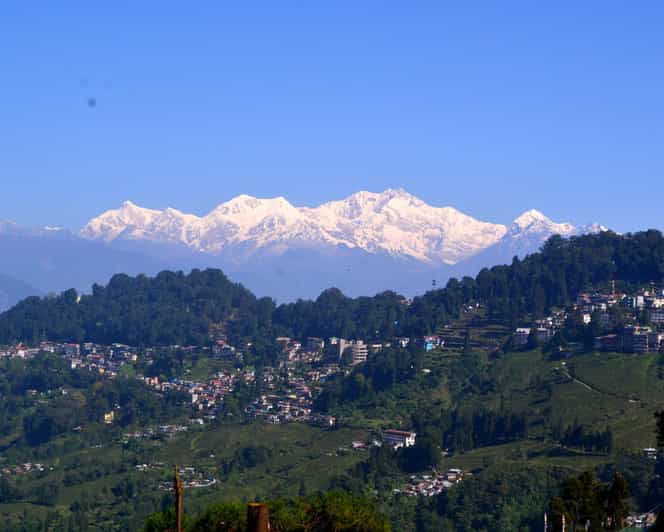
- Big views with minimal distance: you get Himalayan drama without trekking for days
- Everest museum included: Tenzing Norgay’s story fits neatly into the day
- Culture shows up in daily life: villages, markets, and local crafts—not just monuments
- Monastery architecture details: Bhutia Busty’s wall paintings are a real highlight
- Private-group feel: even when numbers are small, you’re not stuck in a loud pack
Starting from Mall Road: the smart way to do Darjeeling on a schedule
The day kicks off at 9:00 AM on Mall Road, near Ashmita Trek & Tours. That timing matters. Darjeeling mornings tend to feel calmer, and you’re not racing crowds to reach the first viewpoint or museum.
The tour is built for walking, not long-distance hiking. You’ll cover several stretches across town and out toward quieter areas, with built-in breaks for photos and pauses. It’s also a private group format, so the pace and stops can be adjusted to your comfort level—handy if you’re traveling with family or you just don’t want to sprint from one spot to the next.
You can also read our reviews of more walking tours in Darjeeling

The Darjeeling Himalayan Mountaineering Institute and the Tenzing Norgay Museum
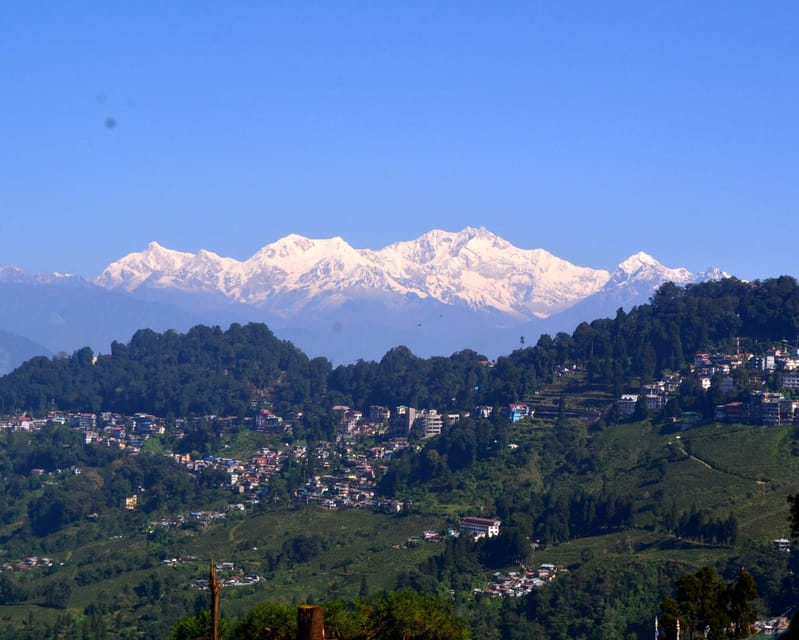
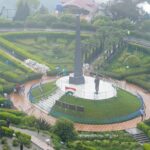
After meeting, you walk about 1.5 kilometers to the Darjeeling Himalayan Mountaineering Institute (often shortened to HMI). The stop that brings it alive is the Tenzing Norgay Everest Museum.
This is one of those places where Darjeeling’s identity clicks. Instead of only talking about the Himalaya in general terms, the museum anchors it to the people and efforts that shaped Everest history. Even if you’re not a hardcore mountaineering buff, it’s a grounded way to understand why Darjeeling became such a hub for mountain training and stories.
Practical note: HMI is a good early stop because it gives you something meaningful indoors or semi-indoors before the day turns into more outdoor walking and viewpoints.
A nature walk plus local village views: scenic without the big trek
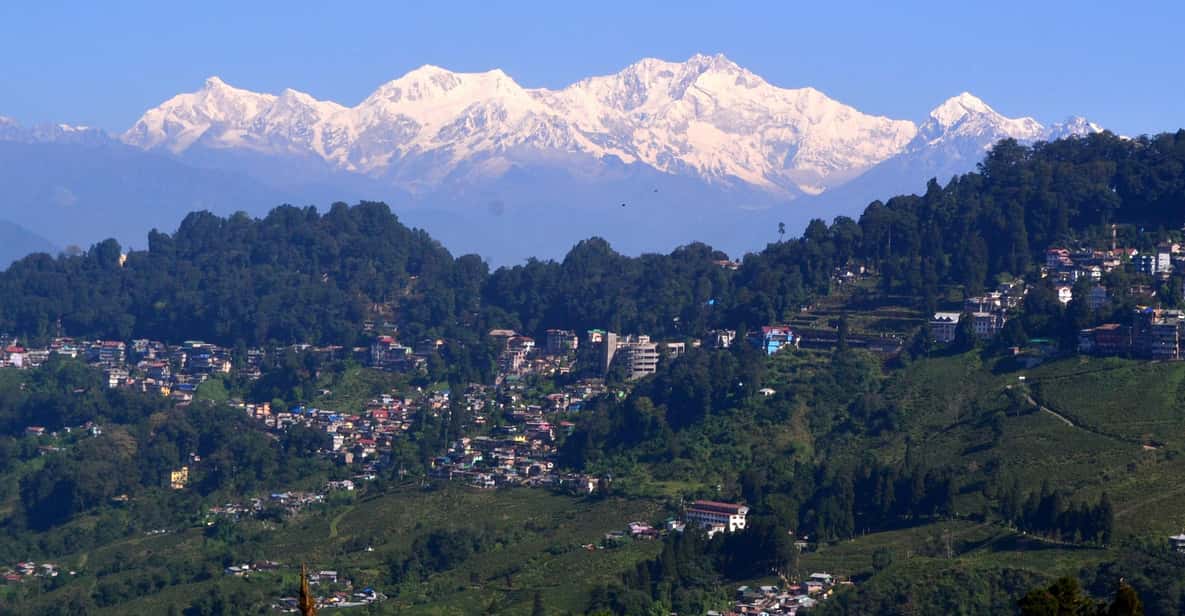
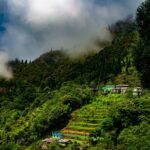
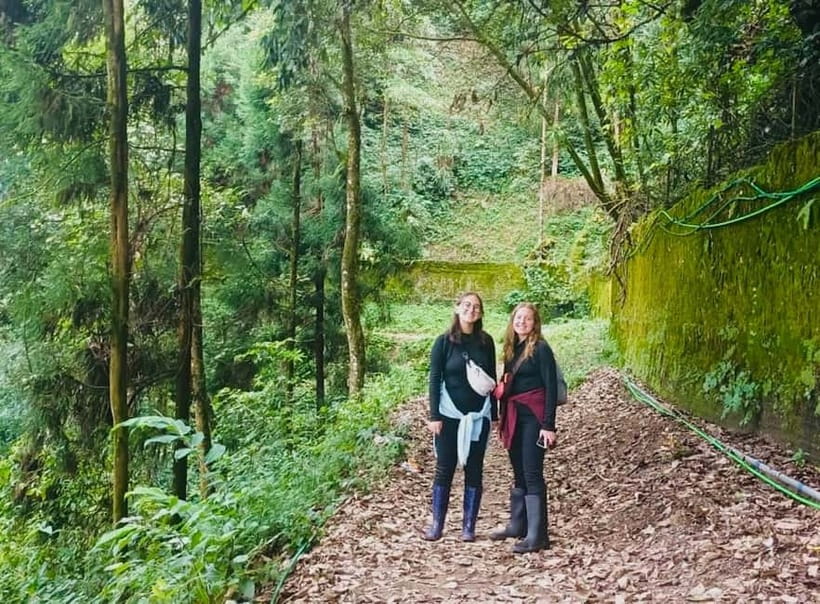
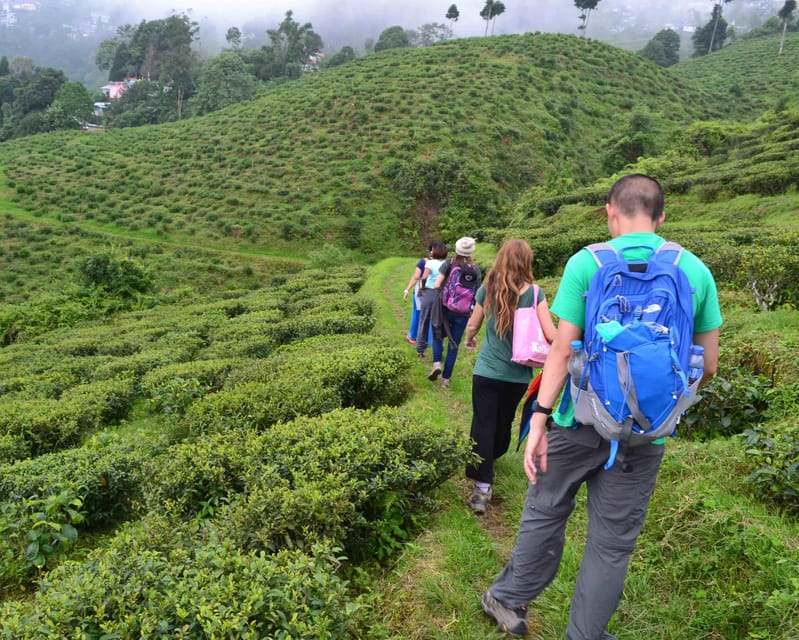
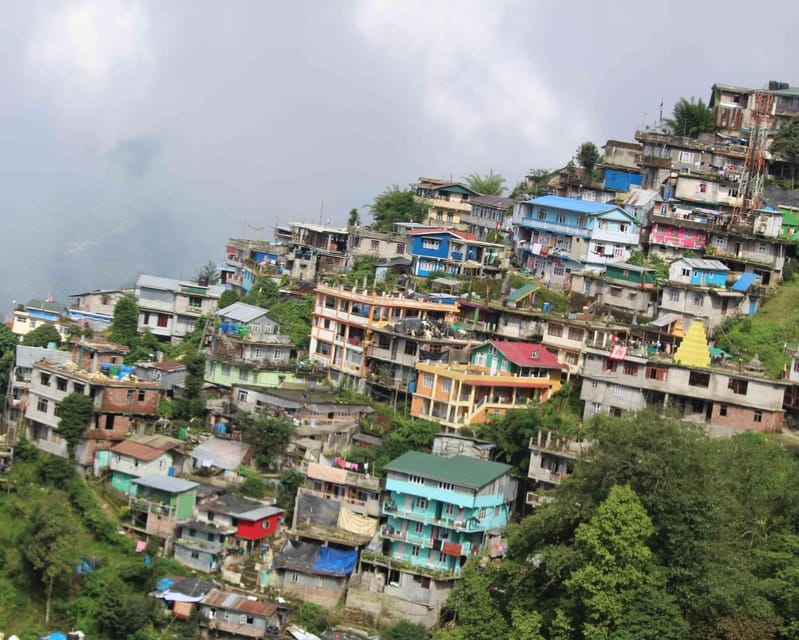
Once the museum time is done, the route continues as a nature walk. You’ll pass a local cultural village area about 4 kilometers ahead, with scenic views along the way.
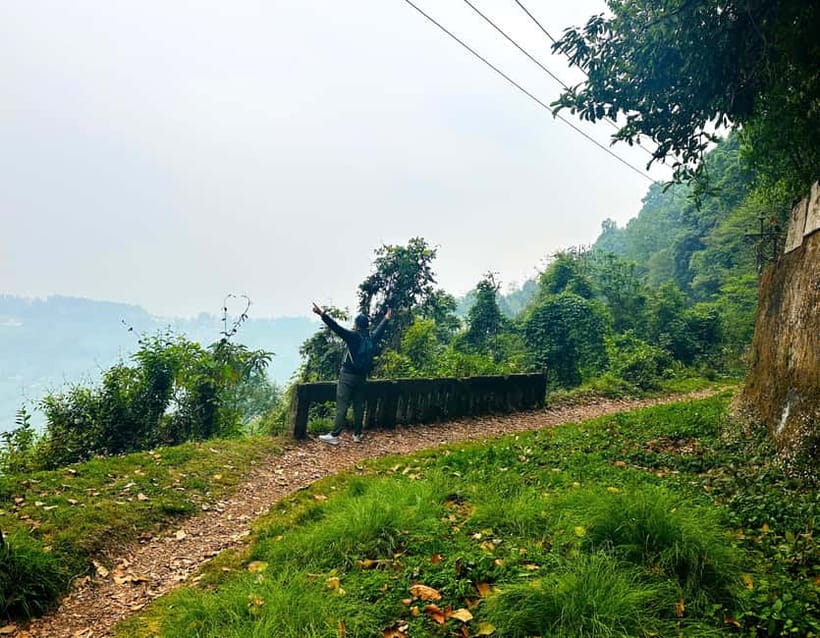
This section is the heart of the “culture and nature” promise. The walking doesn’t feel like an endurance test. It’s more like a guided stroll through the spaces locals actually live with—paths that wind through greenery and small community pockets, plus viewpoints that make it feel like you’re going farther than you really are.
If you like seeing how people dress, build, work, and cook in everyday rhythm, this is where you’ll feel it. And if you’re photo-happy, this portion gives you plenty of chances to stop, frame, and breathe.
You might also find that some guides add extra nearby sights depending on timing and group energy. One example from real experiences: some departures can include a bit of time around places like Nightingale Park and the zoo, especially since they’re in the broader Darjeeling sightseeing orbit.
Tibetan Refugee Centre: handicrafts, rehabilitation, and a key date
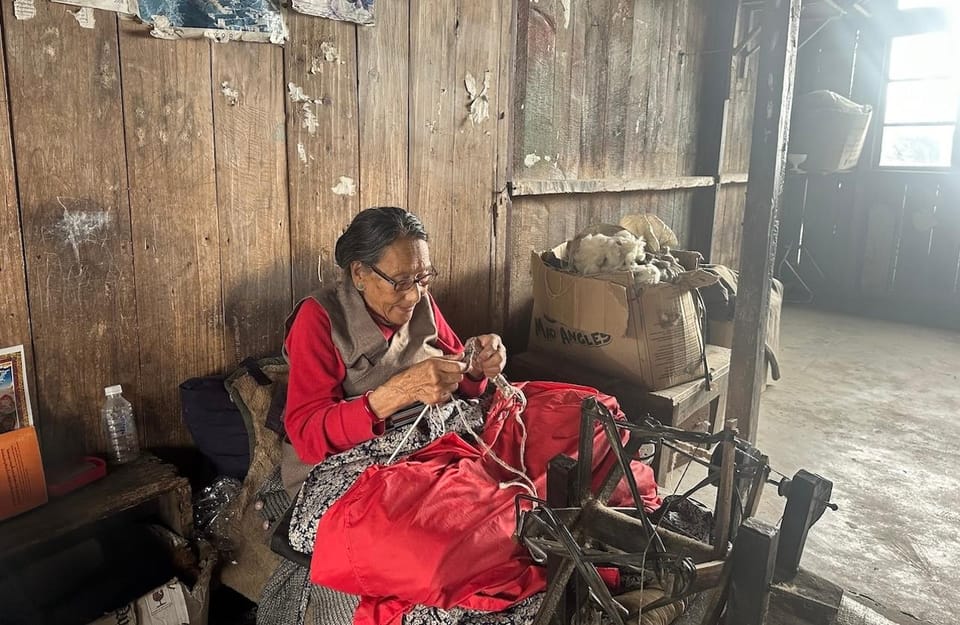
Next comes the Tibetan Refugee Centre in Darjeeling. It was founded on October 2, 1959 and functions as a rehabilitation facility for Tibetan refugees who fled Tibet with the Dalai Lama. A big part of the center’s work is producing Tibetan handicrafts.
Why this stop is more than a quick photo op: you’re not only seeing finished crafts. You’re learning how the center supports people through skills and work. In practice, you’ll likely spend time looking at what’s made there—often including textiles and rug-style products—then seeing the shop side where the crafts are available.
One key consideration: the center is closed on Sundays. If your schedule lands you on a Sunday, you’ll want a backup plan for that day so you don’t lose the most meaningful cultural stop.
Bhutia Busty Monastery (Karma Dorjee Chyoling): Buddhist art you can actually see
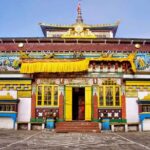
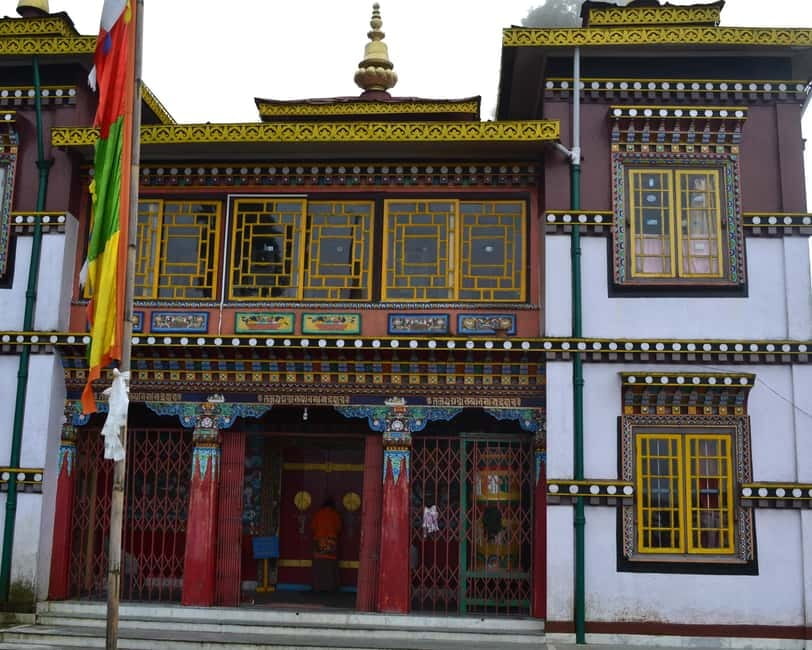
From the refugee center, the tour heads to Bhutia Busty Monastery, also known as Karma Dorjee Chyoling Monastery. This Buddhist establishment is tied to the Kagyupa sect through a branch connection with Phodang Monastery in Sikkim, and it was relocated to Darjeeling in 1879.
What you’ll notice here isn’t just the fact that it’s old—it’s the visual craft. Wall paintings are a standout. The kind of detail you can appreciate without needing a lecture helps this stop land well, even for visitors who aren’t used to monastery visits. If you’re the type who likes to slow down and study art on temple walls, you’ll probably end up spending longer here than you expect.
This is also one of the best parts of the day for feeling calm. You’ve been walking and moving between stops, and the monastery gives you a natural reset.
You can also read our reviews of more guided tours in Darjeeling

The walk back uphill to Chaurasta Mall Road
After the monastery, you head back toward Mall Road, finishing at Chaurasta Mall Road. The return includes a gentle uphill walk of about 2 kilometers, which takes roughly an hour.
This is a good place to judge your comfort level. The pace should feel manageable, but you’ll want decent shoes and the ability to keep walking steadily. If you’re doing this with kids or you prefer an easier day, the “gentle uphill” is a big reason the tour can work well for mixed fitness groups.
Also, this is when Darjeeling’s viewpoints often start paying off again. The combination of elevation and open sightlines makes the walk feel more rewarding than a simple city commute.
Price and value: why $38 can be a good deal here
At $38 per person for 6 hours, this tour sits in the “surprisingly fair” zone for Darjeeling. Here’s why it can feel like good value:
- You’re paying for a professional, English-speaking local guide and their expenses.
- The tour includes permits and charges for carrying still video cameras.
- You’re getting a route that covers several distinct cultural sites instead of one main attraction plus a short walk.
What you’re not getting is also clear: meals and hot drinks like tea or coffee aren’t included, and transport is not included either. So if you plan to buy snacks or drinks on the way, factor that into your budget. Still, for a walking tour with multiple stops, the base price doesn’t feel padded.
If you want value, this is the type of experience where the guide really matters. In real outings, guides like Rupez, Dawa, and Sangay have shaped the day with thoughtful pacing and extra context, like steering guests toward local craft skills and even food options like momos at a local place.
What’s included (and what you’ll need to add yourself)
Included:
- Professional local guide (English, and often Hindi availability)
- Permits and any charges for carrying still video cameras
- Safe hiking support with local guidance
- Guide expenses
- Taxes, fees, and handling charges
Not included:
- Meals and hot drinks (tea, coffee)
- Transport if you need it
- Tips for the guide
So bring a small game plan: carry water, and plan to pause for snacks rather than expecting tea to appear at every stop. A daypack helps keep your hands free for photos and changing weather.
Choosing the right day and packing like a local
For a day that mixes indoor museum time with outdoor walking, you’ll want clothing that handles layers. Darjeeling weather can shift. Wear comfortable shoes and comfortable clothes, and bring a daypack.
Identity matters too. You’ll be asked to bring your passport or ID card.
One more practical point: if you care about filming, the tour includes permits/charges for still video cameras, but it’s still smart to check what type of gear you’re using so you don’t get surprised at the start.
Guide-driven experiences: where the day gets personal
This tour’s structure gives you the core stops, but the guide can make it feel human. That’s especially true in the cultural and crafting sections, where explanation helps you see what you might otherwise pass by.
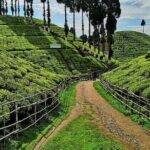
For example, one guide experience highlighted how the day can include time with rug makers’ skills and crafts sold without a hard push. Another guide added a detour toward a Happy Valley Tea Estate and a local restaurant for momos, turning the afternoon mood warmer and more local than just sightseeing.
You can treat those kinds of add-ons as optional bonuses. The main promise stays the same: a guided walk that connects Darjeeling’s landmarks to its people and traditions.
Who this tour fits best (and who should skip it)
This is a great match if you want:
- A managed day outdoors without committing to a long trek
- Real local texture: monastery art, handicrafts, village viewpoints, and markets
- A guide who can pace the day to your comfort
It may be less suitable if you:
- Need a mostly indoor itinerary
- Struggle with steady uphill walking
The tour is explicitly not suitable for:
- Babies under 1 year
- People over 95 years
- People over 70 years
Should you book this Darjeeling cultural and nature walking tour?
Book it if you’re excited by the mix of monasteries, craft culture, and Himalayan views—and you want that mix in one clean 6-hour format. It’s also a smart choice when your schedule is tight but you still want a route that feels like it goes beyond the main center.
Skip (or pick another plan) if Sunday is your only option and the Tibetan Refugee Centre is on your must-see list, since it’s closed on Sundays. And if you’re traveling with very limited walking tolerance, make sure the walking portions and the gentle uphill return sound doable for you.
Bottom line: this is a practical, guide-led way to understand Darjeeling without spending your whole trip climbing stairs, guessing directions, or stitching together five separate attractions.