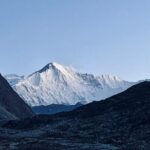
That first Lukla flight hits different. Then you spend 14 days earning big mountain time on foot—through Namche Bazaar, monastery-and-village culture, and classic high-altitude terrain to Everest Base Camp. I like that this trip is built around real support: your guide handles permits and day-to-day decisions, and you’re not stuck figuring logistics while the air gets thin. One thing to consider is altitude risk and weather dependence—your best plan still needs good judgment and a willingness to adjust.
I love the stress-free setup in Kathmandu. You get airport or hotel pickup, two nights in a 3-star hotel with breakfast, and an airport representative explains the program when you arrive. On trek, you get a porter for heavy gear (for every two trekkers) and an English-speaking guide who keeps the pace practical and focused on safety; reviews for this company repeatedly highlight guides like Kalyan Gurung, Romeo, Mr. Asman, and support staff such as Minmar, Ram, and Akash. A possible drawback: the pace and daily effort are still your responsibility—this is trekking, not just sightseeing.
What makes it especially interesting is how the itinerary balances effort with acclimatization. You don’t just rush upward; you build in Namche and Dingboche acclimatization days, then you move toward base camp with gradual altitude wins. I’d also keep an eye on timing: the domestic flight to Lukla (round-trip included) can be weather-sensitive, even when everything is organized well.
In This Review
- Key things to know before you go
- Kathmandu start: hotel pickup and a calm landing
- Lukla flight to Everest: why that 40 minutes changes the whole trip
- Namche Bazaar acclimatization: bridges, cafes, and altitude common sense
- Tengboche forests: ups and downs with a wildlife hint
- Dingboche: chortens, mani walls, and a second acclimatization window
- To Lobuche and Gorak Shep: the run-up to Base Camp
- Kala Patthar focus and the descent toward Tengboche
- Back to Namche and down to Lukla: easier days, still watch your step
- Kathmandu finish: farewell dinner, trek certificate, and letting it land
- Price and logistics: what $1,600 buys (and what it can’t fix)
- What I’d expect from the guides and porter setup
- Who should book this Everest Base Camp private trek
- Should you book this EBC trek?
- FAQ
- What’s included in the tour price?
- Do I get airport pickup and hotel transfers?
- Is this a private trek or shared group?
- Do I need to arrange permits and entrance fees?
- What kind of lodging is provided during the trek?
- Are the flights to Lukla included?
- How physically demanding is the trek?
- What happens if weather causes the trek or flights to change?
- Is travel insurance included?
Key things to know before you go
- Private, small-group feel: it’s private, so it’s only your group participating.
- Lukla flight is part of the deal: Kathmandu–Lukla–Kathmandu domestic air fare and airport tax are included.
- Porters reduce the weight you carry: a porter is arranged for two trekkers to haul heavy gear.
- Acclimatization is built in: extra time at Namche Bazaar and again at Dingboche before the push onward.
- Guides handle the paperwork: permits and entrance fees are included, so you don’t scramble last-minute.
- Kathmandu comfort first, then tea houses: 2 nights in a 3-star hotel, then lodges/tea houses on trek.
Kathmandu start: hotel pickup and a calm landing
Day 1 is about getting you settled, not rushed. You’re welcomed by staff and transferred to your Kathmandu hotel, and an airport representative explains the program after arrival. That matters because Nepal logistics can feel like a lot when you’re jet-lagged; having a clear “what happens next” plan reduces the mental noise before you ever reach the mountains.
You also get two nights in Kathmandu in a 3-star hotel with breakfast included. It’s a nice balance: Kathmandu isn’t an afterthought, but it also isn’t the whole trip. After those first nights, you’re set up to leave with energy for the high-altitude hiking days.
One extra practical note: the meeting point is Tribhuvan Airport in Kathmandu, and the trip offers airport pickup and drop by private vehicles. If you’re arriving outside normal check-in time, that kind of transfer support helps you avoid the scramble.
You can also read our reviews of more private tours in Kathmandu
Lukla flight to Everest: why that 40 minutes changes the whole trip
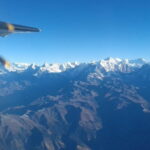
On Day 2, you fly for about 40 minutes to Lukla and land at Tenzing Hillary Airport. The whole experience starts with the contrast: one day you’re in city air, the next you’re stepping into the Khumbu trekking world.
This flight is included, along with airport tax, and it’s part of why the overall package value works. The trek itself is the headline, but the Lukla connection is what makes Everest Base Camp possible for most trekkers, and it’s usually one of the most annoying logistics items to coordinate yourself.
After landing, you begin trekking on Day 2 from Lukla. You’ll spend your first trek day working your legs into rhythm, before the itinerary slows down for acclimatization later. The key here is mental: you’re not trying to “win” the trek on day two. Your guide’s job is to help you start steady, because your body has a lot of altitude adjustment ahead.
Namche Bazaar acclimatization: bridges, cafes, and altitude common sense
Days 3 and 4 center on Namche Bazaar and acclimatization, which is smart. Day 3 follows the northern bank of the Dudh Koshi River, with lots of suspension bridges along the way—including the Hillary Suspension Bridge. That mix of river valley terrain and repeated crossing points is part of what makes this section feel classic and memorable.
You’ll reach Namche Bazaar after a trek that takes around 6 hours on the schedule. Once there, Day 4 is intentionally not a “just keep walking upward” day. Instead, it’s an acclimatization day at Namche itself, where you can explore the town—there are wifi-linked cafes and restaurants, plus souvenirs and gear shops if you need to top up anything you brought short.
One thing I like about an acclimatization day here is how it gives you choices. Your body needs time; you also need something to do besides staring at the mountains. Small hikes and view walks help you build routine without overcooking your altitude.
Tengboche forests: ups and downs with a wildlife hint
On Day 5, you head from Namche toward Tengboche. Expect a trail full of ups and downs, plus forests that can make the walking feel varied rather than monotonous. The schedule lists around 5 hours, so it’s not a “forever day,” but it’s still working time.
This day is also where the trek starts to feel more about texture and atmosphere: the kind of high-altitude path where you feel the air, but you’re also moving through changing scenery—villages, forest, and the steady sense that the mountains are rising around you.
The itinerary also notes you might spot musk deer if you’re lucky. I wouldn’t bank on it, but knowing that wildlife is possible keeps your attention open rather than locked on the next step.
Dingboche: chortens, mani walls, and a second acclimatization window
Day 6 moves you from the Namche area up toward Dingboche. Along the way you pass chortens and mani walls, plus small villages. That religious landscape—practical, lived-in, and always part of the route—adds meaning beyond the trekking effort.
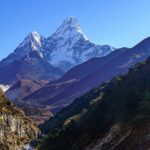
The itinerary also calls out a stop around Pangboche, where you can enjoy views of Mt. Ama Dablam. Even if clouds roll in, the fact that you’re given chances for mountain angles means you’re not only hiking through altitude; you’re getting payoff scenery at key moments.
Day 7 then gives you another acclimatization day at Dingboche. The trek includes walking up a ridge above Dingboche to stay active while letting your body adjust. This is one of the most important planning elements in the whole trip. Base camp is coming soon; your body needs time to respond to the altitude before you go higher again.
You can also read our reviews of more hiking tours in Kathmandu
To Lobuche and Gorak Shep: the run-up to Base Camp
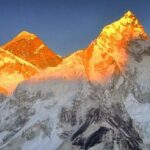
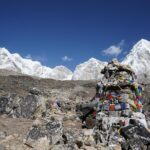
On Day 8 you continue onward to Lobuche. The schedule estimates about 5 hours, and the focus is on the increasing Himalayan scale around you. The itinerary notes that the hike starts with breathtaking views, then gets harder as you approach Dusa, where the valley narrows.
It also mentions following the first completed Everest Expedition route. Even if you don’t know every historical detail, that line tells you the trail here has significance. This is where the route starts to feel like it belongs to big expedition energy, not just local trekking paths.
Day 9 is your big objective: Everest Base Camp. You’ll start by trekking along the lateral moraine of the Khumbu Glacier, then arrive at Gorak Shep Village, a settlement surrounded by snow-capped mountains. From there, you continue to base camp.
This day is extraordinary in a way that’s hard to summarize. You’re not just visiting a dot on a map. You’re walking through glacier-adjacent terrain and into a place built by logistics, not comfort—where the “destination” is the atmosphere of an expedition hub.
Kala Patthar focus and the descent toward Tengboche
Day 10 is labeled for Kala Patthar, and that’s a big deal in any Everest trek plan. The schedule indicates you’ll wake early, have breakfast, and then trek down toward Tengboche. In other words: you get the early push, then you start the return while your body is still freshest.
The descent route is described with real walking details: rhododendron forests, crossing the Imja Khola bridge, then passing through juniper forest. That’s useful because it signals the trek isn’t just “up all day, then down later.” Even on the way back, the itinerary is designed to keep you moving through varied terrain instead of the same corridor.
Also, planning a descent right after the highest-feeling day is a practical safety choice. You’ll likely feel strong one moment and wiped the next at altitude, so having a structured plan helps.
Back to Namche and down to Lukla: easier days, still watch your step
Day 11 takes you toward Namche Bazaar after sleeping at Pheriche. The route description repeats the forest-and-bridge flavor: rhododendron forests, crossing the Imja Khola bridge, and then the juniper forest section. These are the kinds of route details that help you psychologically: you know what the day is “supposed” to feel like.
Day 12 brings you closer to Lukla. It’s a short trek on the schedule as you head to Phakding along the Dudh Koshi River banks, crossing suspension bridges along the way, then continuing on to Lukla. The trail includes forests and small villages too. Shorter days like this matter. After base camp, you’re still at altitude and still building fatigue. Being done earlier reduces stress and gives you more recovery time.
Then Day 13 lifts you back to Kathmandu by air, described as a relaxing 40-minute flight. Your body will feel the difference when you drop back down and stop sleeping at high altitude.
Kathmandu finish: farewell dinner, trek certificate, and letting it land
Day 13 ends your trek with the flight back to Kathmandu. The itinerary specifically frames it as time to appreciate your achievement and return to a lower-stress routine.
Day 14 then rounds everything out: a farewell dinner and trek certificates, plus a chance to share what you loved and what you hated so the company can learn and improve. I like this kind of closing because it turns the trip into something you can reflect on, not just a scramble to check off the route.
A final detail I appreciate from the overall package: it’s set up as private, so your experience should match your group rather than you being folded into someone else’s pace. Your guide and porter team can still manage logistics tightly while adjusting speed to your needs.
Price and logistics: what $1,600 buys (and what it can’t fix)
This trek costs $1,600 for 14 days. On paper, that can sound like a lot—until you look at what’s bundled.
Included: 2 nights in Kathmandu at a 3-star hotel with breakfast, domestic air fare Kathmandu–Lukla–Kathmandu with airport tax, airport pickup and drop-off by private vehicles, an English-speaking guide, permits and entrance fees, accommodation on trek (lodges or tea houses), and a porter for heavy gear for two trekkers. There’s also a farewell dinner and a trek appreciation certificate.
That’s a strong value mix because so many costs on Everest are logistics costs: flying, paperwork, and arranging reliable bed-and-board in remote places. When those are included, you spend less time worrying and more time walking with your group.
Now the “can’t fix” reality. This is still altitude trekking. Your moderate fitness requirement is stated, and altitude issues are always possible on routes like this. Even with acclimatization days built in, your body may respond differently day by day.
If you want a reality-based expectation, the guide support angle is where you’ll likely feel the difference. In past experiences shared with the company, people praised guides and porters for staying attentive and adjusting pace when health issues popped up. That kind of hands-on safety culture matters more than trying to force a perfect schedule.
What I’d expect from the guides and porter setup
You’re not just buying a route—you’re buying a team.
This trip includes a professional English-speaking guide, and porters are arranged to carry your heavy gear (not your whole load). That alone can change how you feel each day. Less weight usually means you can focus on steady breathing, timing your effort, and keeping your energy for acclimatization days.
You’ll also see lots of emphasis on communication and organization. Reviews tied to this company mention smooth planning before arrival, plus guidance about what to pack and which tickets to manage. Names that come up in that feedback include Anil (for professional coordination), Mr. Asman, Kalyan Gurung, Romeo, and support staff like Minmar, Ram, and Akash. Different guides, same theme: keeping things running and helping you feel safe.
If you’re the type who likes structure (clear plan, clear pacing, fewer surprises), this is where the private format can feel especially valuable.
Who should book this Everest Base Camp private trek
This works best for you if you want:
- A private experience (only your group participating).
- Managed trekking logistics: guide, permits, and fees handled.
- Reduced burden from a porter arrangement.
- A 14-day timeline that includes acclimatization days rather than a rushed version.
It also fits you if you’re comfortable with moderate physical fitness and want a guided approach to safety. The tour notes a moderate fitness level requirement, which signals that you don’t need to be a mountain athlete—but you do need stamina and a willingness to take altitude seriously.
One more practical detail: service animals are allowed, and the meeting point is near public transportation in Kathmandu. That’s helpful if your travel needs don’t align with typical “just arrive and go” assumptions.
Should you book this EBC trek?
Book it if you want Everest Base Camp with less chaos: included flights, permits, Kathmandu transfers, and a team on the ground that can handle pacing and daily decision-making. The acclimatization structure (Namche and Dingboche) is the backbone of a safer, more comfortable climb.
Hold off (or ask more questions) if you’re trying to solve a health challenge with logistics alone. Altitude can still hit, and weather can still disrupt flying. A well-run tour can’t erase altitude physics. What it can do is help you respond smartly, slow down when needed, and keep your days structured.
If your biggest goal is to reach Everest Base Camp without spending your vacation doing paperwork and logistics, this private package is built for that.
FAQ
What’s included in the tour price?
The tour includes airport pickup and drop-off by private vehicles, an experienced English-speaking guide, accommodation in Kathmandu and on trek (lodges or tea houses), all necessary permits and entrance fees, a porter for two trekkers, a farewell dinner, a trek certificate, two nights in Kathmandu in a 3-star hotel with breakfast, domestic airfare for Kathmandu–Lukla–Kathmandu (including airport tax), and breakfast/lunch/dinner as listed.
Do I get airport pickup and hotel transfers?
Yes. Airport pickup and drop-off are included using private vehicles. The trip also offers pickup from your hotel.
Is this a private trek or shared group?
It’s a private tour/activity. Only your group will participate.
Do I need to arrange permits and entrance fees?
No. The tour states that permits and entrance fees required for the trekking are included.
What kind of lodging is provided during the trek?
You get accommodations in Kathmandu (2 nights in a 3-star hotel) and then lodges or tea houses during the trek.
Are the flights to Lukla included?
Yes. Domestic air fare for Kathmandu–Lukla–Kathmandu is included, including airport tax.
How physically demanding is the trek?
The tour indicates travelers should have a moderate physical fitness level.
What happens if weather causes the trek or flights to change?
The experience requires good weather. If it’s canceled due to poor weather, you’ll be offered a different date or a full refund.
Is travel insurance included?
No. Travel insurance is not included.