REVIEW · KATHMANDU
Jeep Trip to Upper Mustang
Book on Viator →Operated by World Himalaya Treks & Expeditions · Bookable on Viator
Upper Mustang feels like a different planet on wheels. I like the jeep comfort compared to trekking and I love the chance to slow down in places like Lo Manthang. The main catch is that the roads can get rough after you leave the main paved stretches, so expect a bumpy ride and plan for dust and vibration.
The trip stitches together two sides of Nepal: Kathmandu’s big UNESCO sights, then a high-desert run through Mustang’s Tibetan-influenced villages, monasteries, and caves. You’ll get guided time in the walled city, and you’ll also spend real hours watching the country change from greener valleys toward Kali Gandaki dust and ochre cliffs.
One practical consideration: food isn’t fully included in Kathmandu and Pokhara, so you’ll want to budget for lunch and dinner on those days. Also, at this price, you’re paying for a lot more than a car ride, especially the restricted-area permitting that makes Upper Mustang possible.
In This Review
- Key highlights at a glance
- Jeep Route Through Upper Mustang, Without the Trek
- Kathmandu Valley Warm-Up: UNESCO Sites Before the High Desert
- Pokhara to Beni: Watching Nepal Switch From Green to Kali Gandaki Dust
- Marpha, Kagbeni, and the Permit Check That Changes Everything
- Lo Manthang: Walled-City Streets, Monasteries, and Daily Life
- Chhoser Sky Caves and Shija Jhonga Caves in the High Desert
- Jomsom to Pokhara: Market Time, Hot Springs, and the Return Rhythm
- Thamel Free Time and the Kathmandu Airport Drop
- Price and Logistics: Why $2,200 Can Make Sense Here
- Who This Jeep Tour Fits Best (and Who Might Prefer Trekking)
- Should You Book This Upper Mustang Jeep Tour?
- FAQ
- What’s included for permits and conservation paperwork?
- Are meals included throughout the whole trip?
- How do you travel to Upper Mustang once you leave Kathmandu?
- Is airport pickup and drop-off included?
- Is this a private tour?
- What if weather is poor or the minimum group size isn’t met?
Key highlights at a glance
- Jeep route over trekking: more time sightseeing, less time hiking.
- Lo Manthang focus: walled-city streets, traditional architecture, and monasteries.
- Monasteries plus cave stops: Thubchen Gompa area, Chhoser sky caves, and Shija Jhonga caves.
- Permit handling included: Upper Mustang restricted-area permit fee plus conservation paperwork.
- Friendly coordination: airport transfers, English-speaking guide, and steady logistics in remote areas.
- Clean lodging even on the road: guesthouses and hotels described as simple but tidy.
Jeep Route Through Upper Mustang, Without the Trek
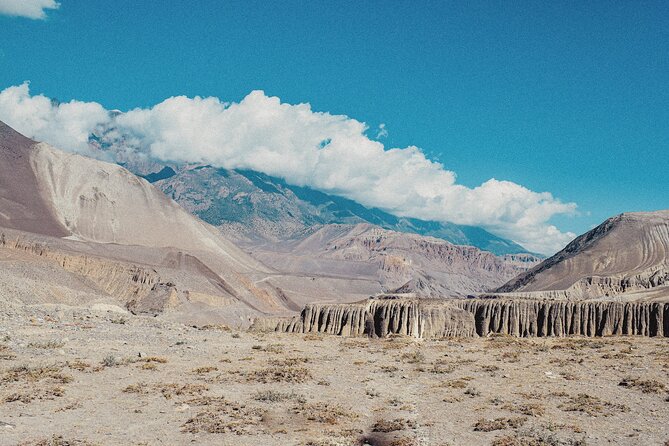
This is the Upper Mustang version of a road trip, but with real altitude, real remoteness, and real cultural sites. The big selling point for you is that you skip the trekking grind. Instead, you spend your energy looking out the window, walking through sites with your guide, and letting the vehicle do the hard work.
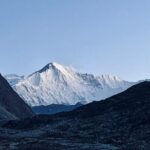
The other thing I like is how the tour doesn’t treat Mustang as just a drive-through. You get multiple days in the Upper Mustang region, including Lo Manthang and several monastery and cave experiences. That matters because Upper Mustang isn’t just “pretty rocks.” It’s a living area where Tibetan customs have been maintained, visible in daily life, architecture, and temple routines.
Now the tradeoff. Even when it’s comfortable, it’s still off-road driving for parts of the journey. After you leave the paved road near Beni, the route turns rougher. You’ll want to bring a layer for dust days and consider how long you can sit without needing frequent breaks.
You can also read our reviews of more tours and experiences in Kathmandu.
Kathmandu Valley Warm-Up: UNESCO Sites Before the High Desert
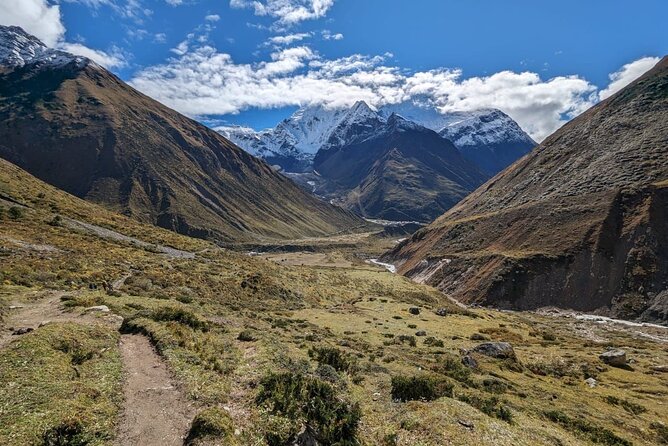
Your trip starts in Kathmandu with airport transfers and hotel time. Day 2 is built like a strong warm-up: Swayambhunath, Patan Durbar Square, then Pashupatinath and Boudhanath. If you’ve never seen these places, it’s a quick crash course in Nepal’s religious geography—temples, stupas, and courtyard life all in one concentrated day.
Why this is useful: it gets you oriented before the Mustang logistics kick in. On later days, you’ll be looking at monasteries and Tibetan-influenced architecture in a new context. That earlier Kathmandu grounding helps you understand what you’re seeing rather than just ticking boxes.
If you’re sensitive to crowds, Kathmandu can feel busy on sightseeing days. Still, the schedule is tight enough that you should get your bearings without losing half your vacation.
Pokhara to Beni: Watching Nepal Switch From Green to Kali Gandaki Dust
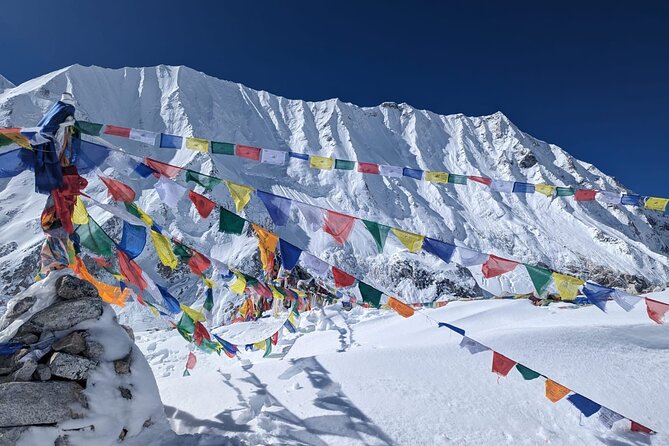
After Kathmandu, you drive to Pokhara lakeside, which gives you a day to reset. The road west is where you’ll start noticing changes: greener stretches, rivers, villages, then the steady shift toward more arid mountain terrain.
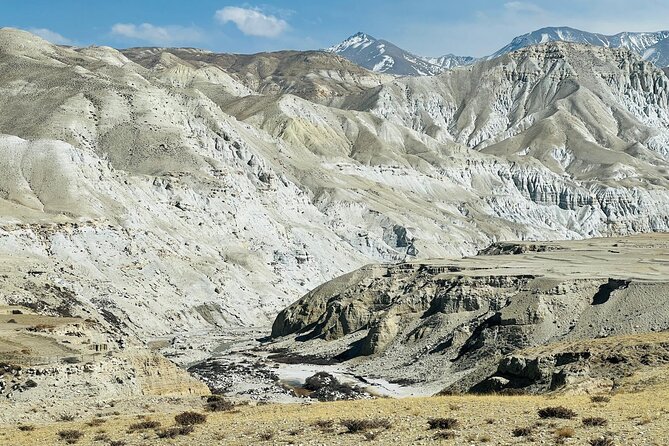
From Pokhara, the next step is toward Mustang with a key transition day. You head to Beni with a paved stretch, then follow the Kali Gandaki River as the road turns off-road. This is one of the most important “value moments” of the trip because it explains the geography behind the itinerary. Mustang sits in a dry corridor, and the Kali Gandaki route is the spine of how you move through it.
Practical note: river valleys can mean sudden weather swings and strong wind. Pack for that. Also, expect more dust once the road roughens. This is where a good window shade and a scarf or buff can make the day feel calmer.
Marpha, Kagbeni, and the Permit Check That Changes Everything
This is one of the days where the trip becomes more than driving. You stop in villages like Kalopani and Ghasa, and you spend time around Marpha, known for apple farming. Then you head toward Jomsom’s local market area and cross into Kagbeni.
Kagbeni is a meaningful hinge point. It’s not just a stop for photos; it’s where you see how the region lives. The schedule includes a monastery and a Buddhist school visit. Then your guide checks your special Upper Mustang permit before you continue upward.
That permit moment is more important than it sounds. Upper Mustang is restricted, so the tour’s structure around permissions keeps things legal and smooth. For you, it means less stress and fewer last-minute headaches, which is exactly what you want when you’re far from major services.
One small drawback: because this is a changeover day, time feels structured. If you love lingering slowly, you may wish you had a little more free time in Kagbeni’s quieter corners.
Lo Manthang: Walled-City Streets, Monasteries, and Daily Life
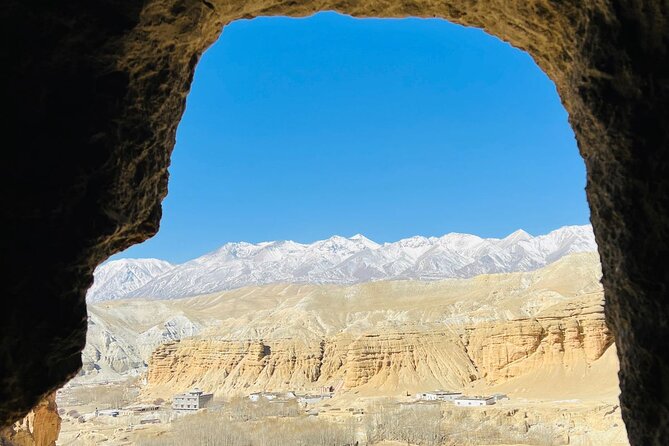
Once you reach Lo Manthang, the trip shifts gears from “travel day” to “site day.” You’ll explore the walled city’s narrow alleys and traditional architecture, and you’ll visit key religious sites with your guide.
The schedule points to monastery visits in the area, including the important Thubchen Gompa and other sites tied to Mustang’s local spiritual history. You also visit Charang monastery and include Jampa Gompa, described as one of the oldest monasteries in the area.
What I love about this part is pacing. You’re not just passing through. You get guided context, which makes the details click: the buildings look similar at first, but the functions, lineages, and locations matter. Even if you don’t know every term, your guide’s explanations help you notice patterns in architecture and ritual space.
Consideration: Lo Manthang is remote and dry. Even in cooler months, walking in dusty conditions can feel tiring. You’ll enjoy it most if you keep your expectations flexible and treat the physical comfort as part of the adventure.
Chhoser Sky Caves and Shija Jhonga Caves in the High Desert
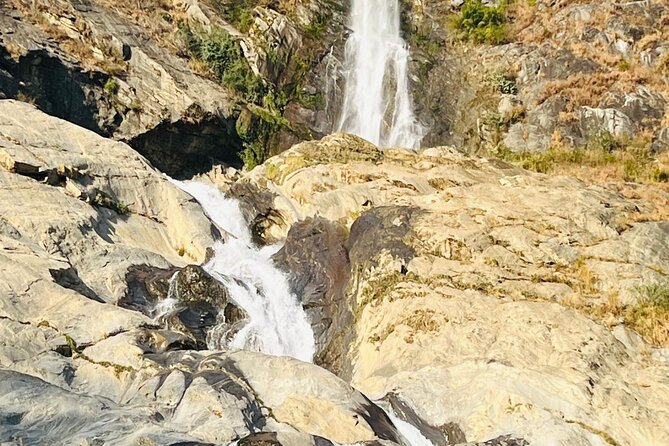
Two days are devoted to the Upper Mustang region’s cave and monastery highlights. These are the moments that give the trip its “wow” factor beyond the city.
You visit Namgyal Gompa, then the sky caves of Chhoser, and the Shija Jhonga cave complex, described as dating back over 3,000 years. The caves are part religious site, part historical curiosity, and part living geography—rock formations shaped by time and human use.
Why these stops are valuable for your trip: caves are where the region’s harsh setting and long cultural memory meet. The dryness and wind that make travel hard also preserve and protect these sites in a way you don’t get in wetter parts of Nepal.
A reality check: cave exploration can be physically awkward compared to temple courtyards. You’ll likely walk on uneven ground and move through passages where you feel the cold or dryness more strongly. If you’re nursing knees or ankles, take it slowly and use your guide for route guidance.
Jomsom to Pokhara: Market Time, Hot Springs, and the Return Rhythm
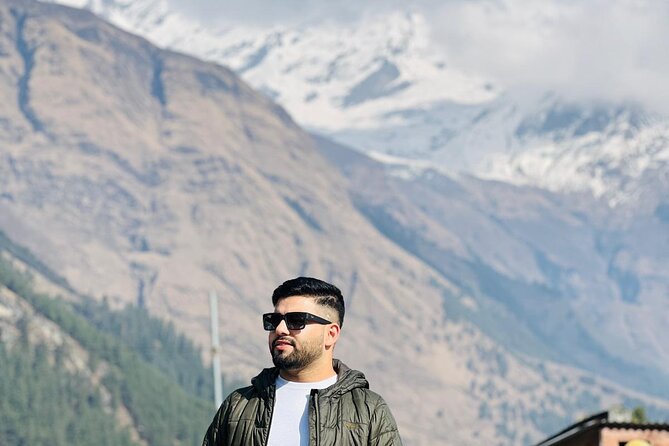
After Lo Manthang days, the plan turns back toward Jomsom. You drive through local villages along the Kali Gandaki and pass Buddhist stupas and monasteries on the way. Jomsom’s evening market time gives you a change from monastery visits: a place to see trade, daily errands, and local food rhythms.
Then you move toward return. A morning stop at Tatopani (hot springs area) is included, followed by a flight back to Pokhara. This is a practical win. Driving the whole way back by road would take far longer and wear you down.
In Pokhara, you get sightseeing time, and meals are included on these return days. The tour then continues with additional road time back toward Pokhara and includes a long rest-and-free period later in Kathmandu.
If you dislike transitions, this part can feel like a series of moving pieces. But it’s also efficient. You trade a day of slow driving for time to rest and still see Pokhara highlights.
Thamel Free Time and the Kathmandu Airport Drop
After Pokhara, the tour gives you free time in Thamel, Kathmandu’s shopping and street-food zone. This is your buffer day. You’ll use it to buy gifts, recharge, and handle any last-minute needs before flying home.
Finally, you’re dropped at the international airport by private tourist vehicle. That kind of clean finish matters after remote driving days. It keeps the trip from ending in chaos.
Price and Logistics: Why $2,200 Can Make Sense Here
At $2,200 per person for roughly 14 days, this isn’t a cheap add-on. You’re paying for three big buckets:
First is permits and paperwork. The Upper Mustang restricted-area permit fee (listed as $500) is included, along with Annapurna conservation area permit and a TIMS card. If you’ve priced permits separately in other parts of Nepal, you already know how quickly costs add up.
Second is the transport model. This isn’t a short highway transfer. It’s a jeep-focused route with off-road sections, plus a flight on the return side, plus transfers and scheduled driving between Kathmandu, Pokhara, and the mountain region. Remote logistics aren’t free. They also aren’t simple to DIY safely.
Third is guided structure and included meals/lodging balance. Breakfast is included daily where listed, and lunch and dinner are included for the mountain and return travel days. Lunch and dinner aren’t included in Kathmandu and Pokhara, but your total price still covers a lot of the core costs that make the trip comfortable.
So what’s the value logic for you? If you want Upper Mustang’s culture and caves but don’t want trekking day after day, a jeep tour like this can be good value because it compresses what you want to see into a manageable pace. If you’re hoping to cut costs by doing every meal on your own and making your own permit arrangements, you’ll lose the convenience the price is buying.
Who This Jeep Tour Fits Best (and Who Might Prefer Trekking)
This tour is a strong match if you:
- Want Upper Mustang culture, monasteries, and caves without trekking hours.
- Prefer guided sightseeing over DIY navigation in remote areas.
- Like a steady schedule with lodging arranged for you.
- Appreciate hotel and guesthouse stays that people describe as clean and well-managed, even when the setting is basic.
You might not love it if you:
- Hate being in a vehicle for long stretches, especially once the road goes off-road.
- Need lots of free time to wander without a set plan.
- Are very food-budget sensitive in Kathmandu and Pokhara, since lunches and dinners there aren’t included.
Should You Book This Upper Mustang Jeep Tour?
If your goal is Upper Mustang without the trekking grind, I’d say yes—especially if you want the big highlights: Lo Manthang, monastery visits, and the Chhoser and Shija Jhonga cave experiences, all tied together with permits and logistics handled for you.
Book it if you value smooth coordination and clean stays, because that’s where this kind of operator shines when the region is remote. If you’re prone to motion sickness or you know you get cranky on bumpy roads, plan for that before you go. A little preparation makes the difference between loving the ride and counting the minutes.
Go in with a simple mindset: Upper Mustang is dry, quiet, and built for slow respect. The jeep keeps you moving, but the culture keeps you grounded.
FAQ
What’s included for permits and conservation paperwork?
The price includes the Upper Mustang restricted-area permit fee (listed as $500 US$), plus the Annapurna conservation area permit and a TIMS card.
Are meals included throughout the whole trip?
Breakfast is included on the Kathmandu and mountain days listed. Lunch and dinner are included for 10 days, but lunch and dinner in Kathmandu and Pokhara are not included.
How do you travel to Upper Mustang once you leave Kathmandu?
You drive from Kathmandu to Pokhara first, then continue west toward Mustang. After the Beni portion, the route includes off-road driving, and the trip uses a 4WD jeep style of travel. On the return side, you also include a flight back to Pokhara.
Is airport pickup and drop-off included?
Yes. The tour includes international and domestic airport transfers as per the itinerary, including a private vehicle drop to the international airport at the end.
Is this a private tour?
It’s set up as a private tour/activity, meaning only your group participates, and group discounts are mentioned.
What if weather is poor or the minimum group size isn’t met?
The experience requires good weather. If it’s canceled due to poor weather, you’ll be offered a different date or a full refund. If the minimum number of travelers isn’t met, you’ll also be offered a different date/experience or a full refund.