REVIEW · KATHMANDU
Annapurna Base Camp Trek
Book on Viator →Operated by Touch The Himalaya Treks & Expedition · Bookable on Viator
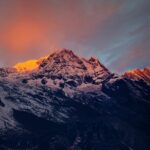
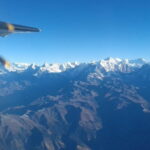
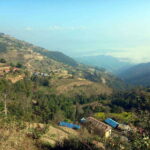
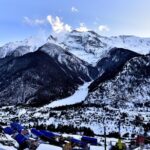
Sunrise over giant peaks sets the tone early. This 10-day Annapurna Base Camp trek blends the classic Poon Hill viewpoint with village walks, forest paths, and the rugged approach toward Deurali and base camp.
I like two things a lot. First, you get local Annapurna-region guidance, with guide names like Madan Neupane and Rishi showing up in real-world accounts, plus assistants such as Arjun and Ganesh who help handle baggage transfers between stages. Second, the trip feels organized because key logistics are handled for you: airport pickup and drop, two nights accommodation in Kathmandu before and after the trek, all necessary permits/fees, and breakfast, lunch, dinner while trekking.
The main thing to consider is effort and timing. The day-to-day schedule starts early (meeting in Thamel at 6:15am, and the Pokhara transfer is about 7 hours), and you’ll need moderate fitness to keep good pace, especially as altitude gets serious.
In This Review
- Key highlights at a glance
- From Thamel to Pokhara: the trek starts before the trail
- Ulleri to Ghorepani: river-valley walking and village life
- Poon Hill sunrise and the Tadapani/Sinuwa transition
- Deurali day: steady ascent and glacier-region reality
- Annapurna Base Camp: the big finish and what to expect
- Jhinu hot springs and the return to civilization
- Guides, safety, and baggage support that actually matters
- Price and value: what $700 includes (and what it doesn’t)
- What to pack: small items that save big energy
- Who this Annapurna Base Camp trek suits best
- Should you book this ABC trek?
- FAQ
- Where is the meeting point for the Annapurna Base Camp trek?
- What time does the trek start?
- How long is the Annapurna Base Camp trek?
- Is this trek private?
- What transport is included at the start and end?
- Are permits and trekking fees included?
- What meals are included during the trek?
- What languages do the guides speak?
- What should I pack for the trek?
- What is not included in the price?
- What is the cancellation policy?
Key highlights at a glance
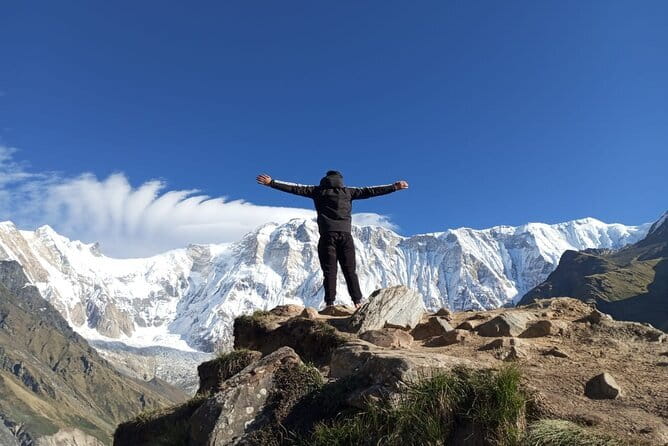
- Poon Hill sunrise as a built-in early-morning payoff
- Local, licensed guides (English, Hindi, and Chinese government-licensed options listed) with first-aid training
- Meals and permits handled, so you spend less time worrying and more time walking
- ABC route via Machapuchare Base Camp, with base camp time included
- Hot springs at Jhinu on the return day
- Private trek format, so your group stays together
From Thamel to Pokhara: the trek starts before the trail
Your trek experience begins in Kathmandu, with the meeting point in Thamel and a start time listed at 6:15am. Even before you lace up boots, you’re already doing the work of acclimating to travel days: paperwork is managed, and transport is set up so you don’t lose half a day trying to figure out logistics.
On day 1, you head to Pokhara on a tourist bus, car, or flight. The classic option here is a road trip of about 7 hours, mostly following the Trishuli River side with scenery along the way. If you’re someone who hates chaotic transfers, I like that this is pre-planned and you’re picked up and dropped off as part of the package.
Pokhara also acts like a mental warm-up. After two nights of accommodation in Kathmandu before and after the trek are included in the overall plan, Pokhara gives you a calmer staging point before the days of uphill hiking. You’re not just jumping into altitude cold; you’re easing in.
You can also read our reviews of more hiking tours in Kathmandu
Ulleri to Ghorepani: river-valley walking and village life
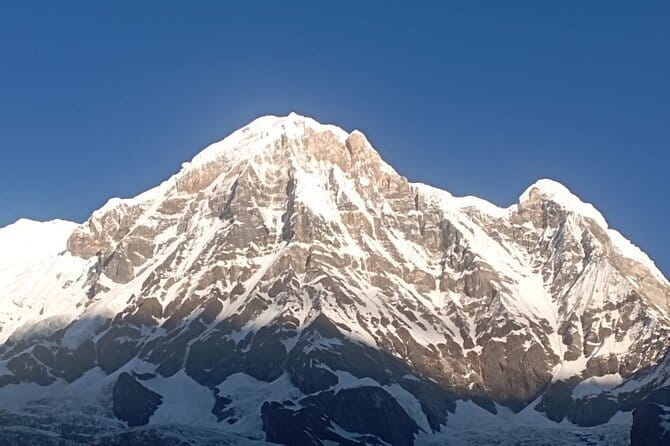
Day 2 starts with a short drive from Kathmandu toward Nayapul (about 1 hour), then the trekking begins toward Ulleri. The trail follows the Modi Khola River, which matters more than it sounds: river valleys often mean steadier access routes and that gradual “rhythm” trekking—walk, rest, walk again.
You’ll spend about 5 hours on this section, threading through villages where local culture is part of the scenery, not just background. This is one of the nicer ways to begin an Annapurna Base Camp trek because you’re not immediately crushed by altitude or steepness. You’re building legs and learning how the team handles pace.
By day 3, you go from Ulleri to Ghorepani, listed at around 6–7 hours. This section is all about ascent through forests and into bigger views of the Annapurna range. You also get to practice your own strategy for trekking comfort: how often you stop, how much you drink, and how you manage energy so you don’t blow your load too early.
If you like camera stops and pauses for breath, Ghorepani is a good place to do that because the route gives you scenery while still being realistic for day 3. It’s a “work hard, reward yourself” day.
Poon Hill sunrise and the Tadapani/Sinuwa transition
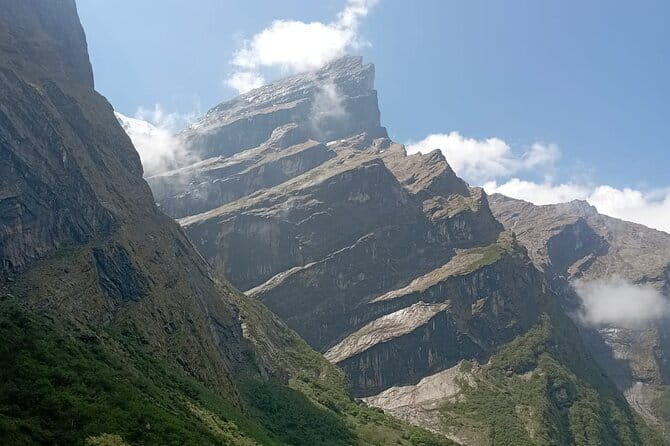
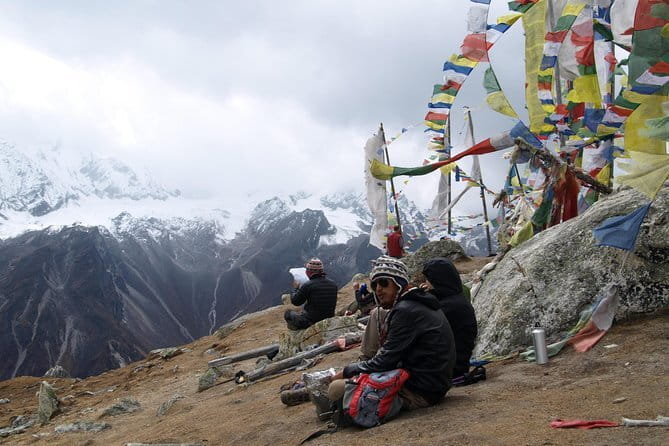
Day 4 is the one many people remember forever: an early morning hike to Poon Hill for sunrise over the Annapurna and Dhaulagiri mountains. The schedule has you hike early, enjoy the views, then return to Ghorepani for breakfast before moving on toward Tadapani.
That pattern matters. Sunrise hikes are usually cold, and sunrise itself can be a little time-boxed—so coming back for breakfast helps you recover without losing the whole day. From Ghorepani you continue trekking to Tadapani in about 4 hours.
On day 5, the trek goes from Tadapani to Sinuwa, again about 6–7 hours. This is described as descending through lush forests and passing several small villages. I like this kind of route variety on an ABC trek because it breaks the monotony of constant steep climbing. Your legs still work, but you’re not fighting the same uphill angle day after day.
Sinuwa is also an important staging point for what comes next. By the time you arrive, you’ve had a couple of longer days and one big sunrise day, so you’re better prepared mentally for the more rugged, altitude-focused part of the trek.
Deurali day: steady ascent and glacier-region reality
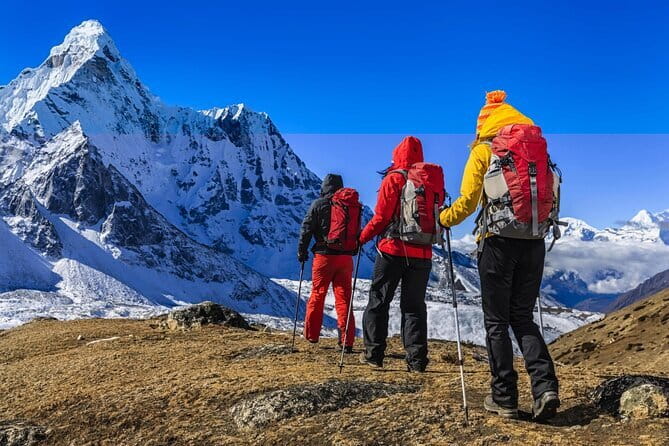
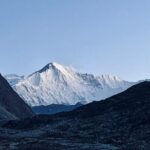
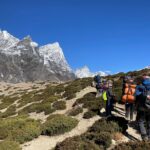
Day 6 goes from Sinuwa to Deurali in about 5–6 hours. The route is described as an ascent through forests, with a crossing listed as the Khumbu Glacier along the way. Approaching Deurali is where the terrain starts to feel more rugged and less like the gentle village-to-village hiking of earlier days.
This is also where acclimatization becomes more than a word. The trip description emphasizes that guides manage high-altitude conditions and help with proper acclimatization. In practical terms, that means your guide will be watching your pacing, encouraging breaks, and helping you keep steady effort instead of sprinting because you feel good at sea level and then regret it 2,000 meters higher.
Even if you’ve hiked before, Deurali can change how you feel. My advice: treat it like training for comfort. Go slow enough that you can keep breathing calmly. If you find yourself rushing, that’s a sign to slow down, not to push harder.
Annapurna Base Camp: the big finish and what to expect
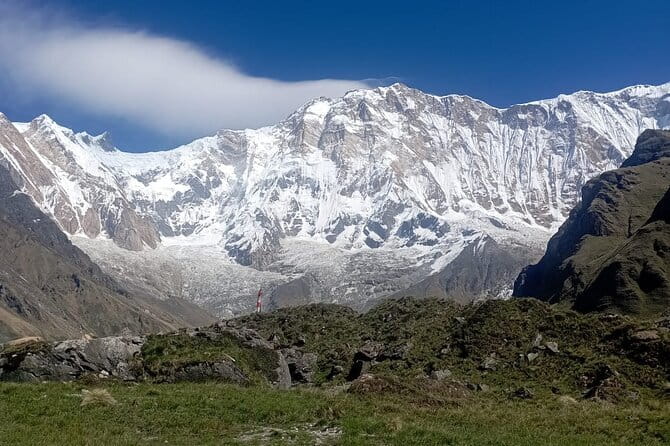
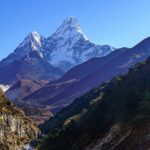
Day 7 is your headline day: Deurali to Annapurna Base Camp in about 6–7 hours, passing through Machapuchare Base Camp along the way. As the route ascends, the views are described as stunning, and the day ends with time at Annapurna Base Camp.
This is the part you’re paying for in an ABC trek: you’re walking into the heart of the Annapurna region’s big landscapes and getting that face-to-face feeling with the mountains. Base camp day is also a reality check day. Weather can shift, temperatures can drop quickly, and your body can feel more tired than you planned. The benefit of having local guides is that they can read the trail pace and help you focus on the basics: keep moving safely, manage effort, and don’t act like you’re on a casual walk.
Day 8 is the descent back to Sinuwa, also listed as around 6–7 hours. Descending sounds easier, but it’s often harder on knees and it can sap energy if you go too fast. I like that the trek plan brings you back to a familiar base before the final stages. It gives you a chance to recover rather than stacking all remaining hiking onto a single long day.
Jhinu hot springs and the return to civilization
Day 9 brings you from Sinuwa to Jhinu in about 5–6 hours. After reaching Jhinu, there’s time to relax in the natural hot springs nearby, which is one of the best “reward moments” built into the route.
Then you drive back to Pokhara, about 1–2 hours, and the trek keeps you moving with minimal stress. Day 10 returns you to Kathmandu, either by scenic drive (around 7–8 hours) or a short flight.
I like routes that include a real recovery activity like hot springs because it turns the end of a tough trek into something you can actually enjoy. You’re not just walking until you’re wrecked; you’re given a practical moment to unwind before the long travel back to Kathmandu.
Guides, safety, and baggage support that actually matters
A lot of trekking companies talk about safety. What makes this one feel workable is the focus on who’s actually leading you and what they handle.
Your guide is listed as English, Hindi, and Chinese government-licensed, and also first-aid trained. On top of that, there’s a basic first-aid kit carried by the trekking guide. That may not sound dramatic, but on a trek where weather and altitude can turn fast, having trained support changes how safe you feel.
The names matter here because they hint at what the team is like. In accounts tied to this company, Madan has been described as always available to answer questions, and Rishi has been described as attentive, especially for solo trekking situations. Other accounts credit Roshan Pandey with helping people complete the trek in the planned timeframe. For group logistics, Arjun and Ganesh were mentioned for assisting with baggage transfers between camps, including handling how bags move from one stage to the next.
If you’re going solo, I’d pay attention to that “questions answered” and “you feel safe” theme. If you’re with friends, I’d pay attention to how baggage handling is described, because the smoother that is, the more your hiking days feel like hiking days instead of carrying stress.
Price and value: what $700 includes (and what it doesn’t)
At $700 for roughly 10 days, this is the kind of price where value comes from what’s included, not from being the cheapest option. This package includes:
- Airport pickup and drop, plus two nights accommodation in Kathmandu before and after the trek
- Breakfast, lunch, dinner during the trek
- All necessary trekking permits and fees
- English/Hindi/Chinese government-licensed first-aid trained guide
- Duffel bag, trekking maps, and a basic first-aid kit
- Guide and porter costs (salary, insurance, equipment, transport, food, accommodation)
The one thing not included is tips and gratitude for guide and porter. That’s normal in Nepal, and it’s worth budgeting for. Also, while meals are included during trekking, you can buy meals in tea houses if you want extra. And in the real world, you’ll likely spend small amounts on snacks, chargers, and personal comforts that aren’t part of the set meals.
The practical takeaway: if you want a low-admin trek, this is built for you. If you like DIY travel, you might find the package less flexible than you want, but the tradeoff is fewer headaches.
What to pack: small items that save big energy
The trip guidance is simple and helpful: carry light snacks and chocolate for long days, plus water bottles, sunglasses, and a charger. That’s exactly the kind of packing advice that helps you stay steady on the trail.
Here’s how I’d think about your ABC packing based on this plan:
- Bring energy for hunger gaps: light snacks and chocolate
- Protect against sun and glare: sunglasses
- Stay functional: a charger (you’ll want it for photos and communication)
- Don’t overpack: the duffel bag system means you can travel lighter if you use it as intended
One more practical note: tea houses are part of the experience, and the plan says you can buy your meals there. Even with meals included in the trek structure, you’ll probably want extras at certain stops. I treat that as part of the budget, not an inconvenience.
Who this Annapurna Base Camp trek suits best
This trek is described as suitable for people with moderate physical fitness. That doesn’t mean it’s easy. It means the route is designed for a range of hikers who can handle sustained walking time, but still need structure, pacing, and guidance.
You’ll likely enjoy this format if you want:
- A classic ABC route with Poon Hill sunrise
- A private trek so your group stays together
- Local guides who manage permits, logistics, and first-aid readiness
- Built-in recovery on the return day via Jhinu hot springs
If you’re the type who gets tense about planning, the included airport transfers, accommodation in Kathmandu, permits, maps, and meal plan are the kind of “take it off my plate” benefits that matter.
Should you book this ABC trek?
Book it if you want a well-organized Annapurna Base Camp experience led by locally rooted guides, with the key moving parts handled for you. The strongest reasons to choose this trip are the Poon Hill sunrise pairing, the fact that meals and permits are covered, and the practical support described through named guides and baggage helpers.
Skip it (or ask lots of questions first) if you’re hoping for a super flexible DIY style trek, or if you know you’ll push hard no matter what altitude says. This route works best when you follow pacing and let the guide do the safety and acclimatization job.
If you want an ABC trek that feels structured but still authentic to the region, this one is a solid match.
FAQ
Where is the meeting point for the Annapurna Base Camp trek?
The start meeting point is Thamel, Kathmandu 44600, Nepal.
What time does the trek start?
The start time is listed as 6:15am.
How long is the Annapurna Base Camp trek?
The duration is approximately 10 days.
Is this trek private?
Yes. This is a private tour/activity, and only your group participates.
What transport is included at the start and end?
Airport pickup and drop are included, along with accommodation in Kathmandu before and after the trek. Day 1 includes the drive from Kathmandu to Pokhara, and the final day includes the return to Kathmandu.
Are permits and trekking fees included?
Yes. All necessary trekking permits and fees are included.
What meals are included during the trek?
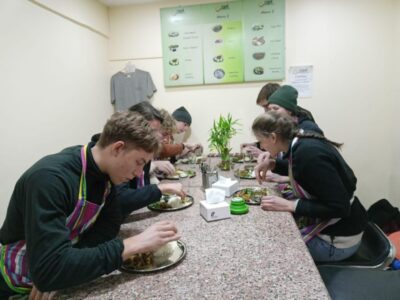
Breakfast, lunch, and dinner are included during the trek. You can also buy meals in tea houses during the trek.
What languages do the guides speak?
Guides are listed as English, Hindi, and Chinese government-licensed, and they are first-aid trained.
What should I pack for the trek?
The guidance includes carrying light snacks and chocolate for energy, water bottles, sunglasses, and a charger.
What is not included in the price?
Tips and gratitude provided to the guide and porter are not included.
What is the cancellation policy?
You can cancel up to 3 days in advance for a full refund. Cut-off times are based on local time, and you must cancel at least 3 full days before the experience start time to get the full refund.