REVIEW · KATHMANDU
Kathmandu: 10-Day Adventurous Annapurna Circuit Trek
Book on GetYourGuide →Operated by Himalayan Nomad Treks Pvt. Ltd. · Bookable on GetYourGuide
Thorong La Pass is the trip’s real signature. This 10-day Annapurna Circuit trek lifts you from Kathmandu into high Himalaya country, culminating in Thorong La Pass at 5,416m. What makes it compelling is the mix of big altitude moments with real village life day after day.
I also like the built-in Manang acclimatization day, because it turns altitude from a scary mystery into something you can plan for. You get time to rest, walk lightly, and take in views of the surrounding peaks without feeling rushed.
One caution: the longest push is the pass day, when you start early, cross high ground, and still have a long descent to reach Muktinath. It’s the day that tests how your legs and head feel.
In This Review
- Key things I’d circle before you go
- Why the Annapurna Circuit Feels Like a Journey, Not a Hike
- Getting Serious About Thorong La Pass (5,416m)
- The Kathmandu to Dharapani Launch: Motion, Not Chaos
- What can be annoying
- Day 2 to Day 3: Dharapani to Chame, Then Chame to Upper Pisang
- Drawback to keep in mind
- Day 4 to Day 5: Chame to Manang, Then the Altitude Reset
- Day 6 to Day 7: Manang to Yak Kharka, Then Up to Thorong Phedi
- What I’d watch for here
- Day 8: Thorong La Pass to Muktinath (12 Hours, Big Reward)
- Practical consideration
- Day 9: Muktinath to Jomsom, Where the Air Turns Dry
- Day 10: Jomsom to Pokhara and the Joy of Normal Life
- Guides, Permits, and Real Value for $467
- Where You’ll Sleep and Eat: Tea House Reality, Managed
- What to Pack for Cold Pass Air and Quick Weather Changes
- Who This Trek Suits Best (and Who Should Skip It)
- Should You Book This Annapurna Circuit Trek?
- FAQ
- How high do I reach on this trek?
- What’s included in the $467 price?
- Are meals included?
- What kind of accommodations should I expect during the trek?
- Is a guide provided, and is the guide in English?
- What transport is included?
- Is this trek suitable for everyone?
Key things I’d circle before you go
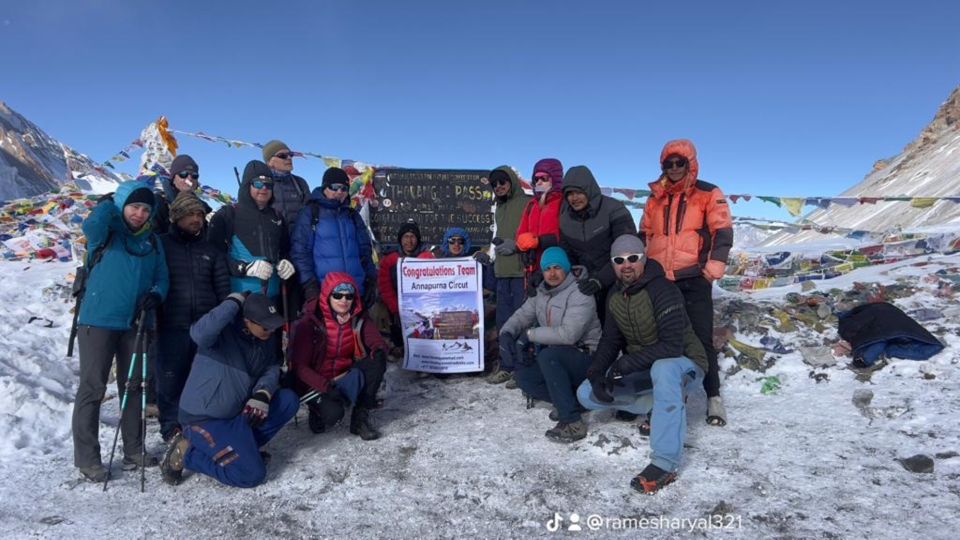
- Thorong La Pass at 5,416m with an early start and a big downhill payoff
- Acclimatization in Manang to help you handle altitude more intelligently
- Village variety all the way through Dharapani, Chame, Upper Pisang, Manang, Yak Kharka, Thorong Phedi, Muktinath, Jomsom
- A dramatic terrain switch from greener mid-hills to dry Mustang air near Jomsom
- Guide-led pacing that focuses on safety and comfort (plus logistics like luggage transport)
- A real Pokhara reset: a luxury-standard hotel night at Hotel Orchid and an AC ride onward
Why the Annapurna Circuit Feels Like a Journey, Not a Hike
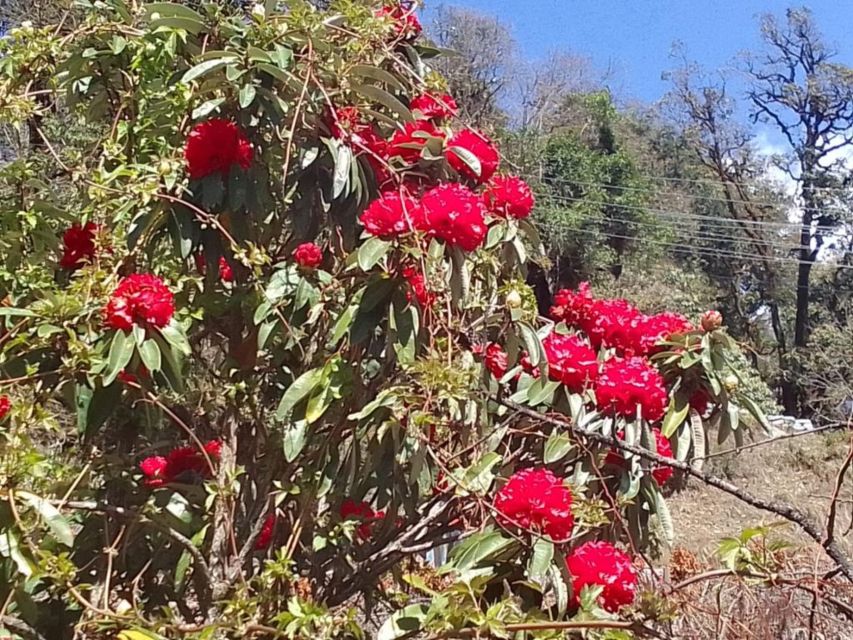
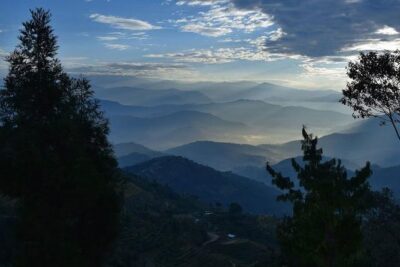
The Annapurna Circuit works because it keeps changing the story as you walk. One day you’re moving through village paths and forested stretches. Another day you’re staring at a higher, colder sky where every step feels louder. By the time you’re approaching the pass zone, the trek no longer feels like a route on paper. It feels like a whole geography shift, in real time.
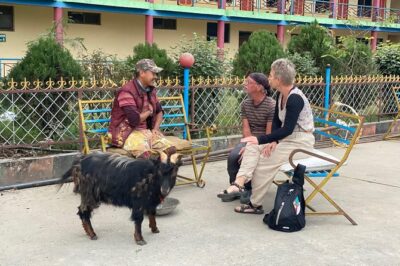
This trek also balances effort with meaning. You’re not just walking to “the highest point.” You’re moving through places with daily rhythm: guesthouses, stone lanes, prayer flags, and tea-house meals that show up when you’re hungry, not when a schedule says you should be.
And you’ll feel that the organization matters. This package includes an English-speaking guide and the trekking paperwork you need, plus lodging through nine trek nights. That frees you up to focus on the only job that counts on a trek like this: walking smart and recovering well.
You can also read our reviews of more hiking tours in Kathmandu
Getting Serious About Thorong La Pass (5,416m)
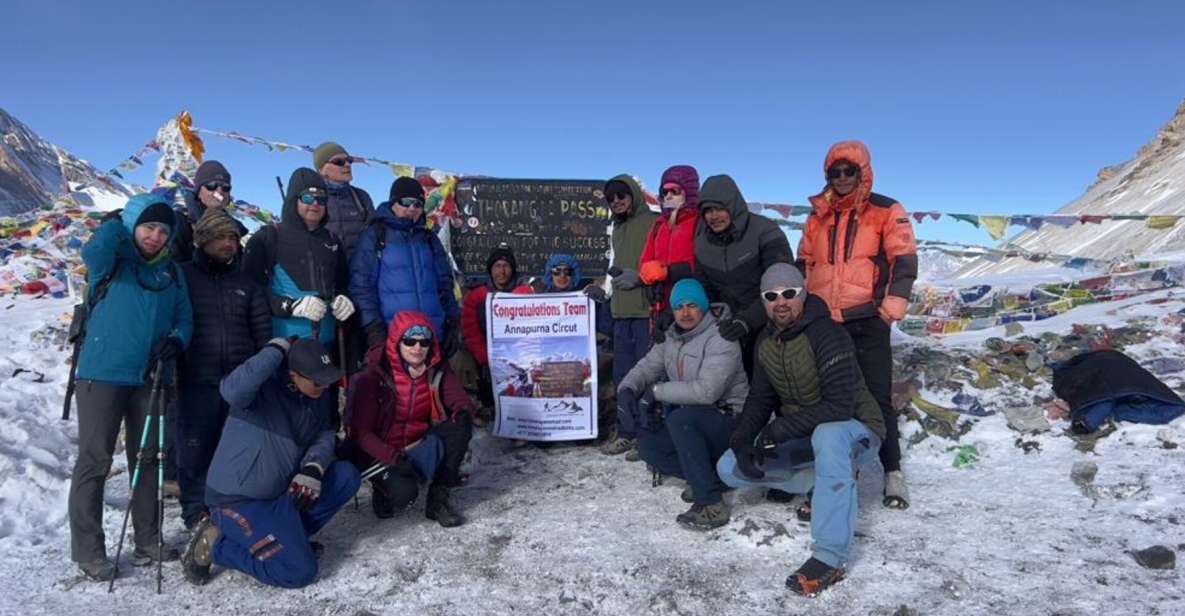
Thorong La Pass is the headline for a reason. Crossing 5,416m is not about being tough for toughness’ sake. It’s about managing cold, altitude, and fatigue in the same day—then still having enough legs to descend.
If you’re wondering what that means in real life, here’s what you can plan for based on this itinerary structure:
- You start early on the pass day, because the window for clear conditions matters.
- After reaching the pass, you descend toward Muktinath and still need to keep moving for most of the day.
For me, the key to enjoying a pass day is not “pushing harder.” It’s keeping your pace steady and your decisions calm. Go slow on the ascent. Drink when you can. Don’t treat the altitude like something you can ignore. The best trekking days are the ones where you finish feeling tired, not smashed.
Also, this is one of those treks where weather can turn fast. You’re going up into a zone where snow and cold are possible, so pack for layers and keep sunglasses, a hat, and sunscreen in reach.
The Kathmandu to Dharapani Launch: Motion, Not Chaos
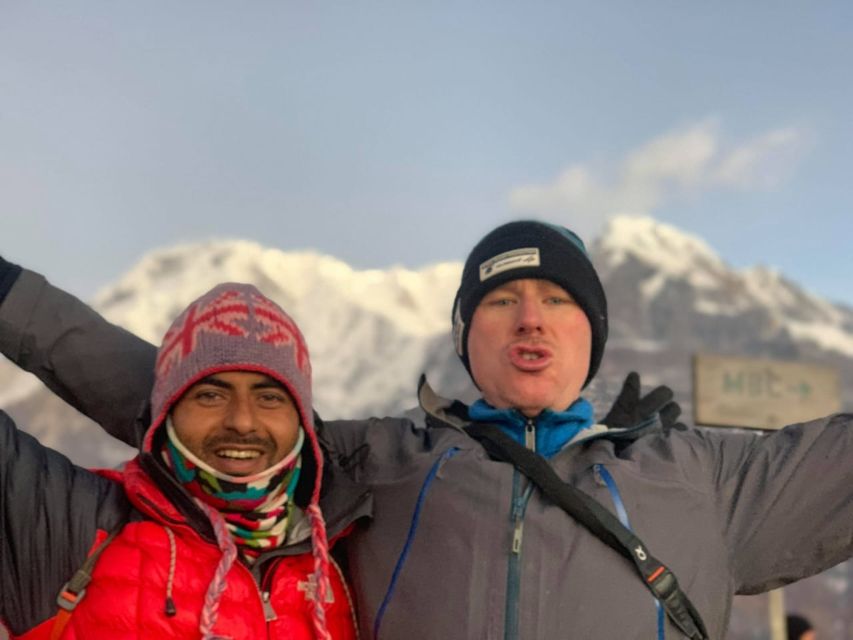
Day 1 sets your rhythm. You’ll start in Kathmandu with pickup, then travel to Besisahar by bus, and continue to Dharapani by shared Jeep. It’s a long travel day, but it’s structured, so you’re not negotiating every step on your own.
What I like about this start is that it gets you out of traffic and into mountain time quickly. You’re heading to 1,800m-ish elevation (Dharapani), which is high enough to matter but not high enough to “hit you” the way the pass later will. You arrive, you settle, and you wake up ready to walk.
What can be annoying
Long driving days can be tough if you’re the type who gets stiff quickly. Bring a layer for the vehicle and plan on stretching during rest stops.
Day 2 to Day 3: Dharapani to Chame, Then Chame to Upper Pisang
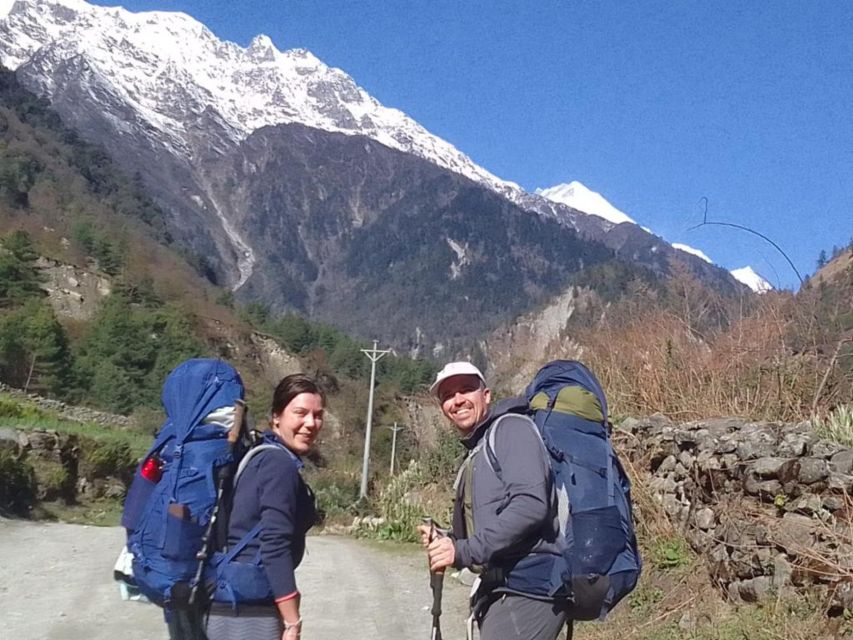
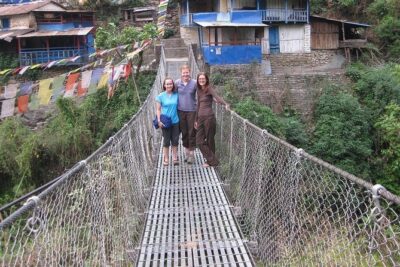
Day 2 takes you from Dharapani to Chame, trekking around 2,670m. Expect classic mid-hill trek vibes: ascending through forested stretches and crossing suspension bridges along the way. These bridges are usually short, but they’re a real mental break—one moment you’re climbing, the next you’re balancing on a narrow span above a valley.
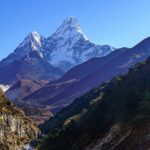
Day 3 continues to Upper Pisang, around 3,300m. This is where mountain views start to feel more frequent and more dramatic. Upper Pisang itself is a picturesque village stop, and you’ll get a chance to slow down, explore a bit, and take in the mountain panorama while you still have fresh energy.
Drawback to keep in mind
These early days are not “hard” like the pass day, but they’re still uphill. If you go out too fast, you’ll pay later. The trick is to walk at a pace that leaves you able to enjoy viewpoints without rushing your breathing.
Day 4 to Day 5: Chame to Manang, Then the Altitude Reset
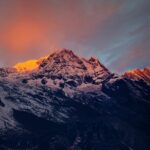
Day 4 brings you to Manang at about 3,540m. The trek into Manang is memorable because the surrounding peaks feel close. You’ll be looking at major names in the Annapurna region—Annapurna II, Annapurna III, and Gangapurna are all part of the view picture here. Manang is also a broad valley settlement, which makes it feel like a hub rather than a backwater stop.
Then comes Day 5: your acclimatization day in Manang.
This is the part of the itinerary I’m happiest about. High-altitude treks don’t care about your optimism. They care about oxygen and recovery. An acclimatization day gives you room to:
- rest properly
- explore the village at a walking pace
- absorb the views without draining yourself
If you’re new to altitude trekking, this is where you learn the most important lesson: going higher is not a contest against your ego. It’s a process.
Day 6 to Day 7: Manang to Yak Kharka, Then Up to Thorong Phedi
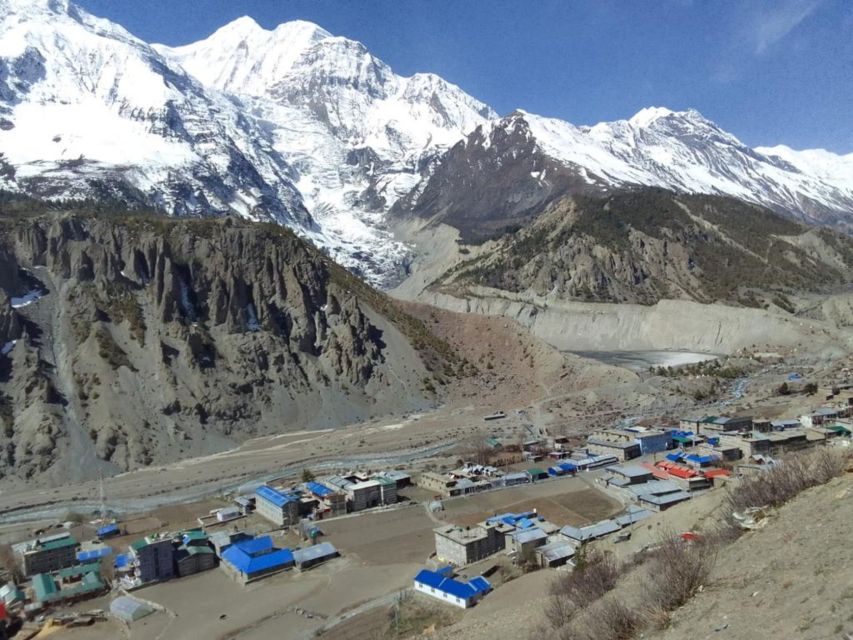
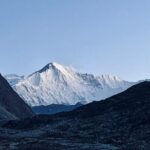
Day 6 takes you to Yak Kharka at roughly 4,050m. Yak Kharka is a grazing pasture zone, framed by mountains and alpine scenery. This stretch typically feels quieter and more exposed than the village days. The air is thinner, and the landscape shifts toward high-altitude stillness.
Day 7 climbs to Thorong Phedi (about 4,450m), which is the base camp area for the pass. You’re not crossing the pass yet, but you are preparing for it. That preparation matters more than people think. The goal is to set yourself up for a good night’s sleep, a calm breakfast, and steady movement the next morning.
What I’d watch for here
Cold can start to feel serious. Even if the day looks bright, nighttime temperatures can be punishing. Follow the layering advice and don’t skip warm gear just because the afternoon sun feels kind.
Day 8: Thorong La Pass to Muktinath (12 Hours, Big Reward)
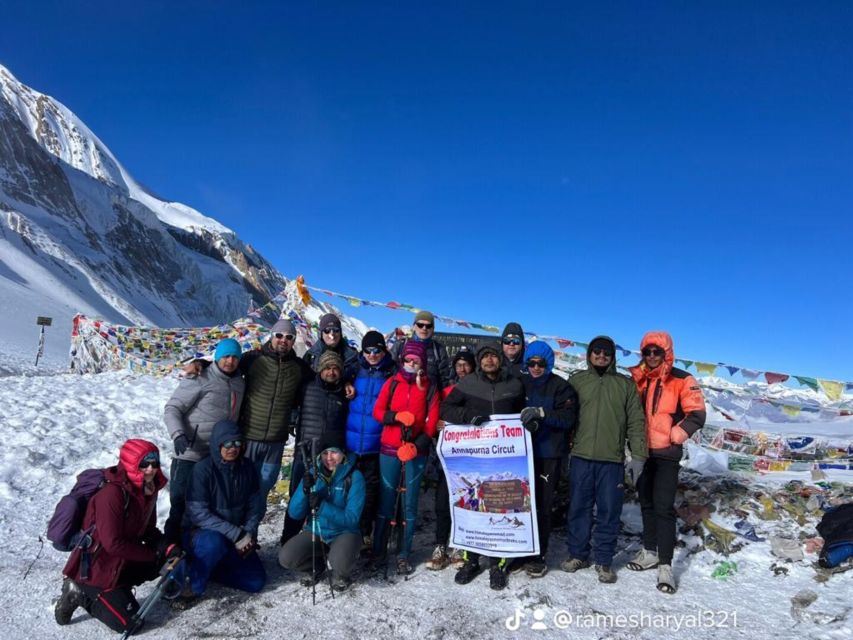
This is the signature day: Thorong Phedi to Muktinath via Thorong La Pass at 5,416m, then descending to Muktinath around 3,800m. The trek time listed is about 12 hours, and that’s realistic for what you’re doing: an early ascent, a high pass crossing, and a long descent afterward.
Why it’s worth it:
- You get the thrill and the full-circle satisfaction of reaching the pass.
- You drop down into a pilgrimage zone where the altitude story changes from raw wilderness to cultural meaning.
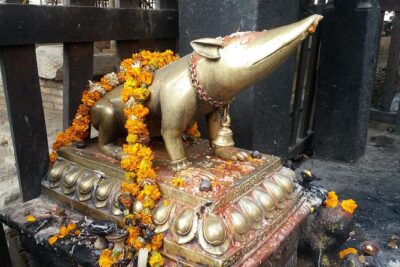
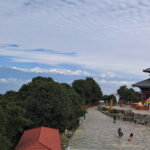
Muktinath is sacred for both Hindus and Buddhists, and the village here feels different from the earlier trek stops. Instead of being only about crossing the mountains, you arrive somewhere people have traveled for generations.
Practical consideration
A long day can feel rough even if you’re fit. Plan to treat the pass as the top-of-the-day moment, not the time to prove you’re strong. Steady effort wins.
Day 9: Muktinath to Jomsom, Where the Air Turns Dry
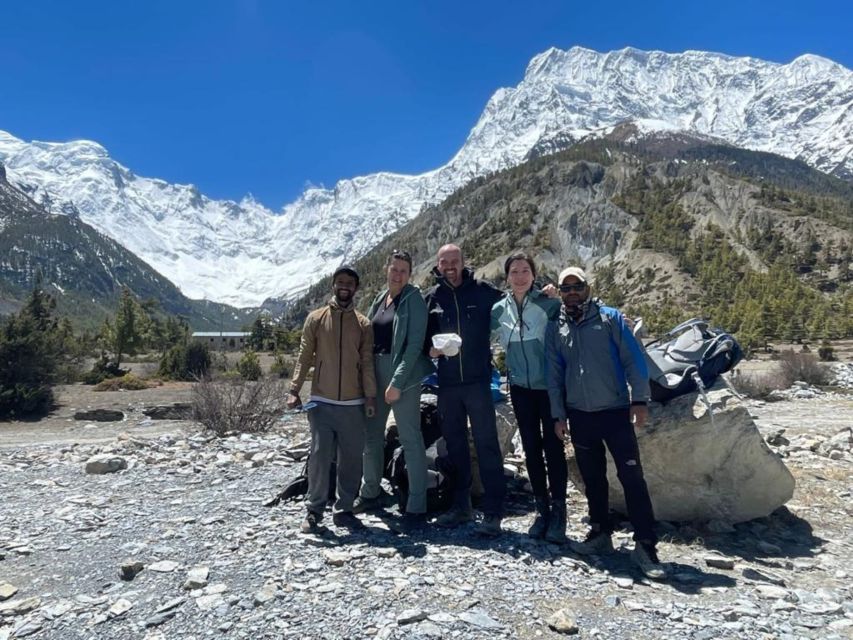
Day 9 is the move from Muktinath to Jomsom, dropping to around 2,720m. This is where the scenery changes again—into a more arid, desert-like feel that many people describe as a strong contrast from greener sections earlier in the route.
Jomsom is also known for wind. Even if you’re excited to keep walking, you’ll likely notice how the weather feels different. The payoff is that you’re descending toward lower altitude, and your body often feels more human again.
Day 10: Jomsom to Pokhara and the Joy of Normal Life
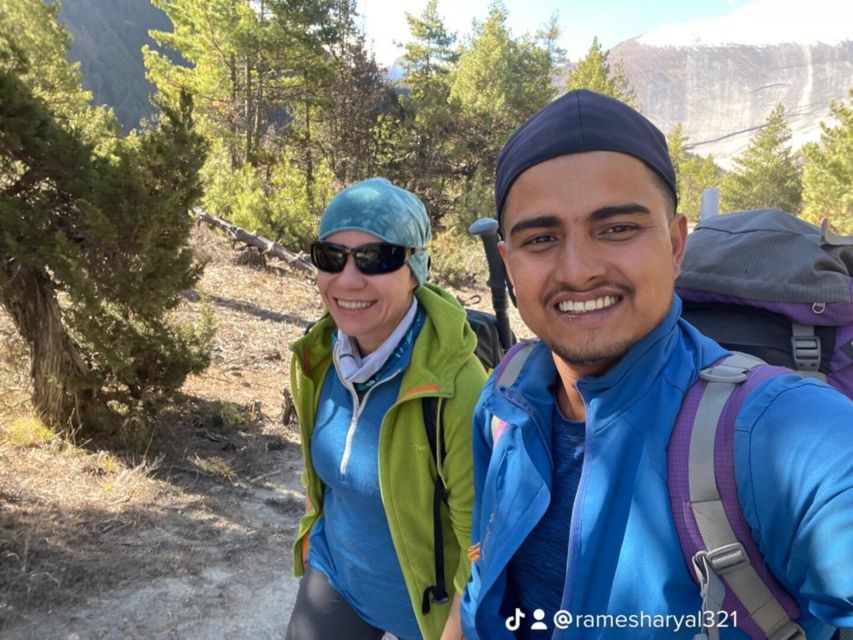
Day 10 is transport back to Pokhara (about 8-hour drive). You’ll relax and unwind in Pokhara, reflecting on the trek you just completed.
What I like is that this isn’t just a random finish line. The package includes:
- a Pokhara hotel night at Hotel Orchid (tourist standard luxury)
- a Nepalese typical dinner farewell in Lakeside Pokhara
- and an included luxury sofa seater tourist AC bus back to Kathmandu
That combo is practical value. After ten days in guesthouse conditions, you want warmth, a real bed, and a chance to reset your body.
Guides, Permits, and Real Value for $467
Let’s talk about money, because $467 for a 10-day Annapurna Circuit trek can sound either like a steal or a question mark depending on what’s included.
Here’s what this package covers:
- authorized English-speaking guide and guide insurance
- trekking permits and paperwork, including TIMS/Trekkers’ Information Management System fees and government taxes
- comfortable accommodations during the trek for nine nights
- last night in Pokhara at a hotel (Hotel Orchid)
- meals during the trek for full package (breakfast, lunch, dinner)
- luggage storage facility
- transportation matching the itinerary: bus Kathmandu to Besisahar, shared Jeep to Dharapani, bus Jomsom to Pokhara
- AC transport from Pokhara to Kathmandu
It also flags that porter charges are extra. That matters because a porter can make the difference between arriving tired and arriving worn out.
So when you look at the price, the real value isn’t just the distance. It’s the reduction in hassle: permits handled, guide provided, lodging arranged, and meals included in the full package. That’s money spent to buy time, safety attention, and less decision fatigue.
Where You’ll Sleep and Eat: Tea House Reality, Managed
During the trek, you’ll stay in tea houses/guesthouses with basic comforts. That doesn’t mean you should expect luxury. It does mean you should expect a functioning place to recover: a bed, a shared dining area, and food that’s designed for trekkers who need calories.
For meals, you’ll get breakfast, lunch, and dinner during the trek in the full package. The menu style is often dal bhat type comfort food in Nepal, plus other options. If you’ve never trekked before, here’s a practical approach: eat what you can digest. Don’t gamble on unfamiliar heavy stuff on high-altitude days.
One detail worth caring about is food safety habits. A good trekking team keeps an eye on how meals are prepared, especially when cooking quality can vary from place to place. That’s a small thing that can make a big difference when your schedule depends on feeling good.
What to Pack for Cold Pass Air and Quick Weather Changes
You’ll be hiking from about 1,800m up to pass altitude 5,416m, and then descending again. So pack like the mountain will mix conditions on you.
Bring what’s specifically listed as essential:
- a sleeping bag
- warm jacket and hat
- sunscreen and sunglasses
- hiking shoes and socks
- trekking gear and a daypack
- flashlight (a headlamp-style light is ideal)
- water bottle and water strategy
- first aid kit
- cash for personal needs
- passport or ID card
Layering is the real superpower. Even on days that look clear, cold can creep in fast. If you get too hot, you can always remove a layer. If you get cold at altitude, you can only hope you brought enough warmth.
Who This Trek Suits Best (and Who Should Skip It)
This Annapurna Circuit route is a good fit if you:
- want a classic high-pass trek with village culture stops
- can handle a long trek day around the pass crossing
- like having an English-speaking guide who plans the pace
It’s also explicitly not suitable for pregnant women.
If you’re brand new to trekking, the structure helps. The acclimatization day in Manang and the step-by-step route up to Thorong Phedi make the experience more teachable than a rushed summit plan.
Should You Book This Annapurna Circuit Trek?
I’d book it if you want the real Annapurna Circuit arc: Kathmandu start, village walking, a planned acclimatization day, and a genuine high-pass crossing ending with Pokhara comfort.
It’s not a good choice if you’re hoping for an easy vacation hike or if long pass-day hours sound like a deal-breaker. You’re signing up for altitude, cold, and time on your feet. If you prepare well and move calmly, you’ll likely feel proud on Day 8 and relieved (in a good way) on Day 10.
If you do book, do two things that pay off fast: carry layers seriously, and keep your pace controlled on the climb. The mountains reward patience.
FAQ
How high do I reach on this trek?
Thorong La Pass is the highest point on this route, at 5,416m (17,769 ft).
What’s included in the $467 price?
The package includes hotel pickup and drop-off, an authorized English-speaking guide, trekking permits and paperwork (including TIMS fee), accommodations during the trek (9 nights), Pokhara hotel night at Hotel Orchid, a farewell Nepalese dinner in Lakeside Pokhara, and trek meals for the full package. It also includes itinerary transport and luggage storage.
Are meals included?
Yes, meals are included during the trek for the full package, covering breakfast, lunch, and dinner. Soft and hard drinks are not included.
What kind of accommodations should I expect during the trek?
You’ll stay in tea houses/guesthouses with basic comforts during the trek, and then have a hotel night in Pokhara at Hotel Orchid.
Is a guide provided, and is the guide in English?
Yes. This trek includes an authorized English-speaking guide. Porter charges are extra.
What transport is included?
You’ll travel by bus from Kathmandu to Besisahar, then a shared Jeep from Besisahar to Dharapani, and a bus from Jomsom to Pokhara. The package also includes a luxury AC bus from Pokhara to Kathmandu.
Is this trek suitable for everyone?
It is not suitable for pregnant women. The trek also advises you to be fit, especially for incline trekking and long hiking days.
If you want, tell me your trekking experience level and your planned travel month, and I’ll help you judge whether this 10-day rhythm is a smart match for you.