REVIEW · DARJEELING
Tea Pluckers’ Day
Book on Viator →Operated by Darjeeling Walks · Bookable on Viator
Darjeeling’s tea culture is one thing. Watching it happen is another. Tea Pluckers’ Day strings together multiple tea gardens and estate stops so you get the full rhythm: morning, walking, a factory visit, then tasting and a proper lunch. It’s the kind of outing that turns a drink you already like into something you can actually picture.
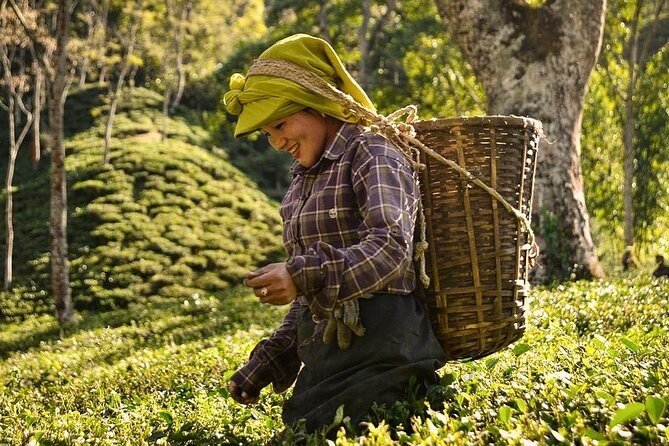
What I like most is the focus on the human side of tea. You’re not stuck at one viewpoint; you move through estates and learn how planting, plucking, and processing connect. I also love that the day includes a serious tea tasting plus lunch with unlimited tea, which makes the value feel real instead of token.
One thing to consider: this is scheduled around good weather. If clouds or rain roll in, your experience may shift dates to keep the day enjoyable.
In This Review
- Key highlights worth circling
- Tea Pluckers’ Day: a practical taste of the Darjeeling tea world
- Getting moving: 8:30am pickup and breakfast-style fuel
- Tea Garden View: your warm-up to tea hills and altitude air
- Ging Tea Estate and the Lebong Hills heritage thread
- Forest hike time: when tea roads give way to greener trails
- Tea factories and the processing moment that clicks
- Rangaroong and Poobong: less-famous gardens with character
- Soom, Mim (AYCL), and Chamong: the variety lesson
- Tumsong, Ringtong, and Phubsering: heritage meets reputation
- Tukvar and Makaibari: views and an estate-with-a-hike feel
- Lunch, unlimited tea, and a tasting session that changes how you buy
- Price and timing: is $85.11 worth it?
- Who should book Tea Pluckers’ Day (and who should skip it)
- Should you book Tea Pluckers’ Day in Darjeeling?
- FAQ
- What time does Tea Pluckers’ Day start?
- How long is the Tea Pluckers’ Day experience?
- Is hotel pickup available?
- What food and drinks are included during the tour?
- Does the tour include tea tasting and factory visits?
- What happens if the weather is bad?
- How does cancellation work for a full refund?
Key highlights worth circling
- A morning start with pickup from your hotel area at 8:30am, so you don’t waste time finding the right roads
- Tea garden walks plus a forest hike, giving you both working-estate views and Darjeeling’s greener side
- Tea factory visits where you see the process hands-on, not just learn terms from a brochure
- Elaborate tea tasting with plenty of time to compare styles and understand what you’re drinking
- Lunch plus unlimited teas (with bottled water), so you’re fueled for the walking
- Private transportation built into the price, which helps when you’re bouncing between estates
Tea Pluckers’ Day: a practical taste of the Darjeeling tea world
This is a private tour run for your group only, handled by Darjeeling Walks. That matters because Darjeeling days can get hectic, and a private setup means you’re not trying to herd yourself around tea roads and checkpoints.
The tour is built to feel like a day in the tea cycle. You’ll start early, get breakfast-style food, then spend the morning moving through tea gardens and estate areas. Later you’ll shift to processing and tasting, so your day ends with a clearer idea of what makes Darjeeling tea taste the way it does.
Also, the tour’s vibe stays grounded. You’re not just looking at hills. You’re walking through working places where people do skilled labor—exactly the “behind the scenes” angle the day promises.
You can also read our reviews of more tours and experiences in Darjeeling.


Getting moving: 8:30am pickup and breakfast-style fuel
The day begins at 8:30am. Pickup is offered, and you’ll ride in private transportation—useful when you’re heading away from town into the tea hills.
Before the walking gets going, you’ll be served a packed breakfast with fresh fruits and organic Darjeeling tea. That’s a smart start. It’s not just snacks; it sets your palate up for later tasting, and it keeps you from feeling wiped out before the tea work details kick in.
If you have any mobility questions, the tour includes walking sticks if required. I’d still plan for a day that involves walking on estate paths, which can be uneven.
Tea Garden View: your warm-up to tea hills and altitude air

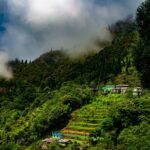
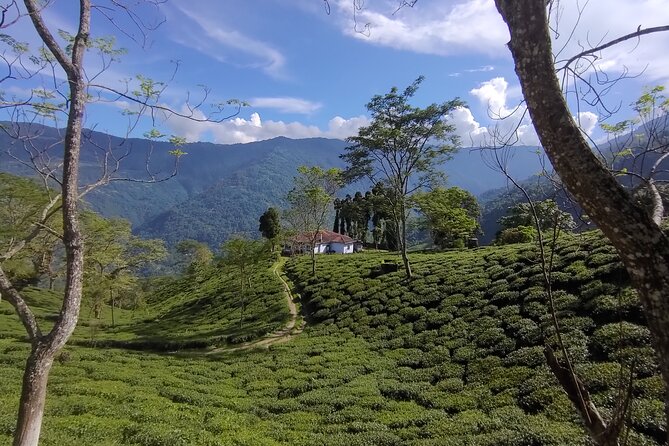
Your first stop is a Tea Garden View. This is where you get your bearings quickly—how the tea slopes sit across the hills, how the rows run along contours, and why the terrain matters for the crop.
This kind of “warm-up” stop is more than scenery. It helps you connect later factory and plucking talk to what you’re seeing in the field. When tea planters explain how they manage the bushes, it lands better when you’ve already looked at the slopes and row patterns for yourself.
Ging Tea Estate and the Lebong Hills heritage thread
One of the most historic stops is Ging Tea Estate, established in 1864, set in the Lebong hills area. If you like tea stories tied to specific places, this estate’s age gives you a built-in context: Darjeeling tea didn’t become famous by accident.
What makes Ging valuable is the walk through the estate experience. The pacing is structured so you can stop at different points along the way and connect them to the tea production chain. On some routes, you may also pass smaller estate facilities such as a dispensary or school-like buildings—an added human layer that reminds you this isn’t a theme park.
If you get a guide like Sunny (a guide name that has come up in past experiences), you’ll likely appreciate the extra details and flexibility. In earlier days, Sunny was described as adapting to the group and explaining customs clearly.
One heads-up: some tea pickers may rest on their day off. That can affect what you see in action. If your schedule lands near a rest day, you might still learn a lot, but the pace of field activity could feel quieter.
Forest hike time: when tea roads give way to greener trails
Between the estate walking and factory work, the tour includes a forest hike. This is a useful change of pace. Tea hills can blur together if you’re only looking at garden rows; a forest section adds texture—shade, bird-like quiet, and a break for your legs.
Also, it helps you understand why Darjeeling tea grows where it does. The hills aren’t random. They sit in a wider ecosystem, and a short hike gives you a better sense of how the environment supports the crop.
Wear layers. Even when the day feels mild at breakfast, the hills can cool off as you climb and pause.



Tea factories and the processing moment that clicks
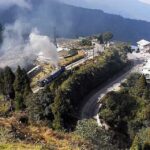
Later, you’ll hit tea factory visits as part of the route. This is where most people’s mental picture finally snaps into place.
The idea is simple but powerful: you can watch plucking-like activity from the bushes during a garden stop, then see how leaves move through processing. When you connect those steps, you start tasting differences with more meaning.
Two factory-related stops that may come up are:
- Turzum & Sungma Tea Factory, described as a boutique range provider for Darjeeling teas
- Factory visits within an estate flow, where you stop at points in the process
On days where the tour runs with a more detailed guide, you may walk gently toward the factory area and get a clearer sense of how the production rhythm works, not just the final product.
Rangaroong and Poobong: less-famous gardens with character
You may also visit Rangaroong Tea Garden, noted as relatively unexplored and tucked between the Senchal West Forest Range and Darjeeling town. That description matters: you’ll often feel like you’re seeing tea culture beyond the most photographed spots.
Another possible stop is Poobong Tea / Pubong Tea Garden (often associated with Poobong’s tea room add-on). Pubong traces back to the mid 19th century, and that age shows up in how the estate is described and experienced.
If you enjoy quiet corners over big “checklist” attractions, these stops tend to feel satisfying.
Soom, Mim (AYCL), and Chamong: the variety lesson
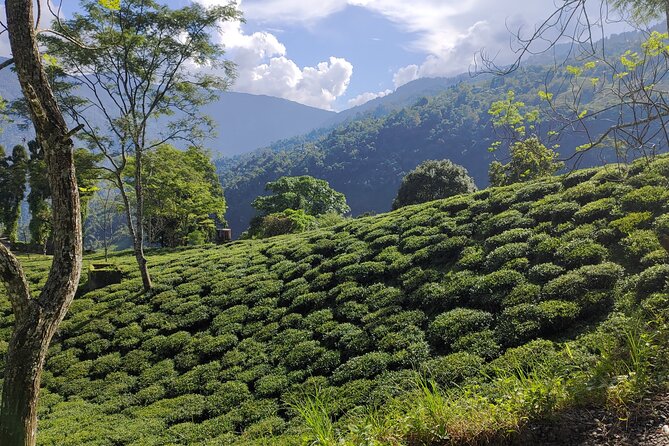
Darjeeling has many “Darjeeling teas,” and the best way to understand that is to move between estates.
- Soom Tea Garden is known for serene natural beauty, with cherry blossoms, tall pine, and rhododendron described in the experience notes. Soom also carries the Lepcha meaning of triangle, which adds a cultural angle when you look at how the garden sits in the terrain.
- Mim Tea Estate (AYCL) belongs to the Andrew & Yule Company Ltd., a Scottish-founded company. Even if you don’t care about corporate history, seeing an estate tied to older European connections helps you understand how tea networks spread.
- Chamong Tea Estate Garden is described as widespread and diverse, producing unique qualities of organic teas. If you’ve been hearing the word organic all over India travel marketing, this is the kind of stop that connects the label to a place.
In short: you come out knowing Darjeeling tea isn’t one uniform style. It’s many styles shaped by estate choices and growing conditions.
Tumsong, Ringtong, and Phubsering: heritage meets reputation
A stop like Tumsong Tea Retreat is described as a mix of beauty and heritage, positioned as a unique Darjeeling Tea experience. If you like your tea days with some atmosphere, this can add that softer edge after hours of production education.
Then there’s Ringtong Tea Garden, known for its quality plucking and developed reputation for quality exports. If you’re watching tea leaves being harvested during your garden stops, this one can make that watching feel more intentional.
Finally, Phubsering Tea Garden (spelled Phubsering / Phoosbering in the tour notes) is described as one of the oldest estates in the Darjeeling hills, with distinctive quality organic tea. Old estates often teach you something simple: time is part of the craft.
Tukvar and Makaibari: views and an estate-with-a-hike feel
Two stops round out the “walking with payoff” side of the day.
Tukvar Tea Garden is described as offering majestic views of the lesser Himalayan hills. It also includes a chance to hike down to the river following the tea experience. That’s the kind of extra movement that can feel great if you’re enjoying the outdoors, but it’s also the part of the day where you’ll want good footwear and a calm pace.
Makaibari Tea Garden is described as one of Darjeeling’s oldest organic tea estates, with a mix of nature, history, and heritage. If you want the organic theme to feel more grounded than a marketing word, Makaibari is the kind of stop that supports that feeling.
Lunch, unlimited tea, and a tasting session that changes how you buy
This is not a “snack and rush” day. You get lunch plus unlimited teas and bottled water, and lunch is often described as being outdoors—al fresco—so you’re eating with the estate atmosphere around you.
Then comes the tea tasting, described as an elaborate tea tasting. That’s a big deal because it turns the day into a decision tool. After tasting, you’ll know what you prefer: lighter and more delicate styles versus bolder, deeper cups. You’ll also be better at spotting what you like beyond the aroma alone.
Do keep in mind what isn’t included: you’re free to buy what you want on your own, but purchases aren’t part of the price.
Price and timing: is $85.11 worth it?
At $85.11 per person, this isn’t a cheap casual outing—but it also isn’t overpriced for what you’re getting. The price includes:
- Private transportation
- All fees and taxes
- Garden/estate visits and tea factory visits
- Lunch plus unlimited teas, bottled water
- Walking sticks if required
- Elaborate tea tasting
The value equation improves when you consider how expensive transport and multiple admission tickets can get if you try to stitch this together on your own. Also, the day starts at 8:30am, so you’re paying for a full morning of guiding and logistics, not just a short stop.
The one mismatch to watch: the tour is described as 5 to 6 hours, while the “tea plucker’s day” framing can sound like a longer full-day experience. In practice, you’re still getting the key blocks—field, processing, tasting, lunch—but you should plan your day around a compact time window.
Who should book Tea Pluckers’ Day (and who should skip it)
This suits you if you:
- Want a hands-on tea day that includes estate visits and factory processing
- Like walking in the hills and switching between tea gardens and a forest hike
- Care about learning the production chain enough to buy better tea later
- Prefer a private group experience rather than juggling schedules on your own
You might skip it if you:
- Hate walking on uneven paths and want a strictly seated tour (the included sticks help, but it’s still a walking day)
- Are traveling when weather looks unreliable. The tour notes it requires good weather and may be rescheduled.
If you do book, you’ll probably appreciate a guide who can connect details clearly. In past experiences, named guides like Sunny and Amit came up, both described in ways that suggest strong explanations and good pacing.
Should you book Tea Pluckers’ Day in Darjeeling?
My take: if you’re in Darjeeling and you drink tea at home, this is one of the better ways to “upgrade” that habit. You’re paying for access, transport, tastings, and the connecting tissue between plucking and processing.
Book it if you want a structured tea education without feeling like school. Skip (or keep expectations flexible) if your schedule is tight and you can’t handle a morning-out-hills rhythm.
If you’re deciding between a basic tea stop and this format, pick this. The combination of garden walking, forest hike, factory time, tasting, and a real lunch is the package deal.
FAQ
What time does Tea Pluckers’ Day start?
The tour starts at 8:30am.
How long is the Tea Pluckers’ Day experience?
It’s about 5 to 6 hours.
Is hotel pickup available?
Yes, pickup is offered. The tour is also private to your group and includes private transportation.
What food and drinks are included during the tour?
Lunch is included, plus unlimited teas and bottled water. You also get a packed breakfast with fresh fruits and organic Darjeeling tea.
Does the tour include tea tasting and factory visits?
Yes. An elaborate tea tasting is included, along with tea garden and tea estate visits and tea factory visits.
What happens if the weather is bad?
The experience requires good weather. If it’s canceled due to poor weather, you’ll be offered a different date or a full refund.
How does cancellation work for a full refund?
You can cancel up to 24 hours in advance for a full refund. If you cancel less than 24 hours before the start time, the amount paid is not refunded.