REVIEW · KATHMANDU
Annapurna Circuit Trek
Book on Viator →Operated by Glorious Himalaya Trekking Pvt. Ltd. · Bookable on Viator
One big mountain route, handled with less stress. This 14-day guided Annapurna Circuit option sets up transport, permits, and daily logistics so you can focus on acclimation, pacing, and the big views. I especially like the included permits/fees and the way the trip supports comfort with hotel nights in Kathmandu and Pokhara. One drawback to keep in mind: the trek depends heavily on guide performance and field coordination, and at least one past guest flagged that staff training could be tighter.
The itinerary is built around the rhythm you expect on the Circuit: long vehicle hops early, steady walking days with frequent stops to regroup, and that high-altitude payoff at Thorong La Pass (5,416 m). You’ll also appreciate the practical touches like airport transfers and meals planned on trek days, while still having room for customization because it’s private. One more consideration: this package includes a guide, but it does not include a porter, so you’ll want to plan your personal packing accordingly.
In This Review
- Key things I’d watch for on this Annapurna Circuit trek
- What you really get for $1,150: guide, permits, and fewer moving parts
- The logistics backbone: airport pickup and the multi-transport route
- Day-by-day walkthrough: from Syange to Chame’s steep ridges
- Day 1: Arrive in Kathmandu, then get briefed
- Day 2: Syange drive, then settle in
- Day 3: Dharapani Temple day—walking begins in earnest
- Day 4: Chame—steep ridges, woods, and a safety-first mindset
- Day 5: Into narrow valley terrain and the Paungda Danda rock marker
- Manang build-up and the road to Thorong La
- Day 6: Upper Pisang to Manang
- Day 7: Rest at Manang, with optional hikes
- Day 8: Ascend toward higher villages (Tenki, juniper, Ghunsa Village)
- Day 9: Thorang Phedi climb and the suspension-bridge moment
- Day 10: Thorong La Pass (5,416 m) to Muktinath Temple
- The ending run: Muktinath to Pokhara, then Kathmandu
- Day 11: Bus/jeep down to Pokhara
- Day 12: Rest day in Pokhara
- Day 13: Return to Kathmandu, with an optional flight
- Day 14: Departure from Kathmandu
- Lodges, meals, and comfort choices that actually matter
- Guide quality, training, and the private-custom angle
- Price and value check: when this package makes sense
- Who this Annapurna Circuit trek suits best
- Should you book Glorious Himalaya Trekking Pvt. Ltd. for this Circuit trek?
- FAQ
- How long is the Annapurna Circuit trek in this package?
- Where does the tour start?
- What meals are included during the trek?
- Are trekking permits and entrance fees included?
- Is a porter included?
- Do I get hotel stays in Kathmandu and Pokhara?
- Is there an option to fly from Pokhara to Kathmandu?
Key things I’d watch for on this Annapurna Circuit trek
- Permits and entrance fees included, so you’re not juggling paperwork after you land
- Full-board trekking meals on trek days (breakfast, lunch, dinner), which helps you budget and stay fueled
- Hotels in Kathmandu and Pokhara with breakfast included on 4 total hotel nights
- Private flexibility with group pricing, since it’s described as private and customizable, with group discounts offered
- No porter included, so pack like you mean it (or plan to use the optional provided gear)
What you really get for $1,150: guide, permits, and fewer moving parts
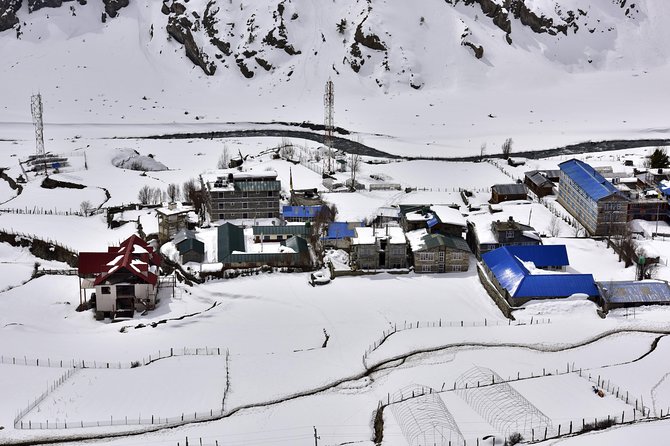
This price point feels most sensible when you want structure. At $1,150 per person, you’re paying for the stuff that usually turns planning into a second job: a trekking guide, lodge-night logistics, and the paperwork side through permits and area entrance fees that are included.
You’re also getting meals handled on trek days. That matters because Annapurna teahouses can vary a lot, and buying every meal yourself tends to mean inconsistent pacing and budgeting. Here, you’re covered with breakfast, lunch, dinner during the trek, plus tea with breakfast (tea is specifically called out), which helps you keep an even rhythm on walking days.
One more practical detail: hotels are included in Pokhara (2 nights) and Kathmandu (2 nights) with breakfast. Many self-planned treks forget the value of those “off-trail” days, but you spend time there—so having them arranged upfront is real convenience.
You can also read our reviews of more hiking tours in Kathmandu
The logistics backbone: airport pickup and the multi-transport route
Nepal gets easier when your first day is not chaotic. This tour includes an airport representative meeting you at Tribhuvan Airport (Kathmandu), then transferring you to your hotel by private vehicle. After that, you switch into the trek’s mix of ground rides and walking.
You’ll also get three kinds of transport support:
- Long-range ground transfers by tourist bus (Kathmandu to Besishar, and Pokhara back to Kathmandu)
- A local bus/jeep drive from Muktinath to Pokhara
- Private airport/hotel transfers in Kathmandu and Pokhara
That combination matters on the Circuit because you’re never just “trekking”—you’re also syncing with roads and river crossings. The more of that handled for you, the more energy you keep for acclimation.
Also note the pacing of the start: you’re looking at a long drive to begin trekking (Syange is reached via an 8 to 9 hour ride). If you hate travel days, you’ll want to treat Day 2 like recovery time, not a warm-up hike.
Day-by-day walkthrough: from Syange to Chame’s steep ridges
Day 1: Arrive in Kathmandu, then get briefed
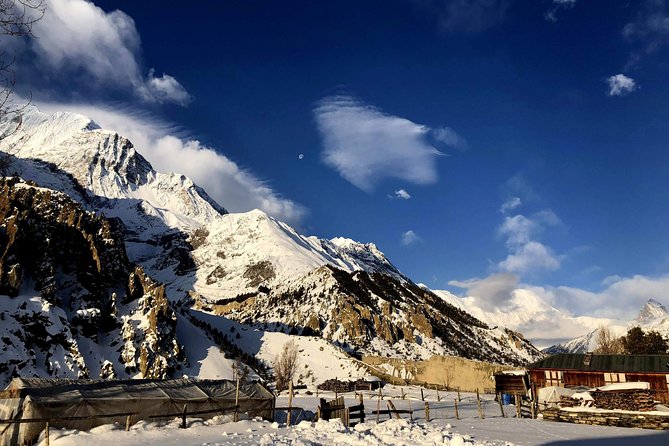
Day 1 is about getting your bearings. You’re met at Tribhuvan Airport and transferred to a Kathmandu hotel. Then the guide handles a short briefing on the Annapurna Circuit trekking plan. I like that this happens right away, because it gives you time to ask questions while you’re still fresh from arrival.
Day 2: Syange drive, then settle in
This is a deep travel day: breakfast, then pickup for the ride to Syange (about 8 to 9 hours). The route itself is part of Nepal, but it’s also a reminder that the trek is a sequence of effort, not one continuous hike. Plan to hydrate, stretch your legs, and take sleep seriously so you’re not behind on Day 3.
Day 3: Dharapani Temple day—walking begins in earnest
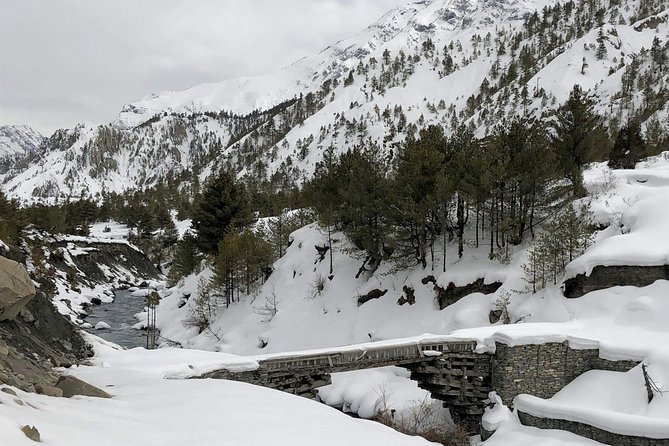
Day 3 brings your first real walking day, around 7 to 8 hours to Dharapani. The trek notes you’ll cross a bridge early, then continue into the valley rhythm. This is the kind of day where your pace matters more than your ambition—start feeling strong, not reckless.
Day 4: Chame—steep ridges, woods, and a safety-first mindset
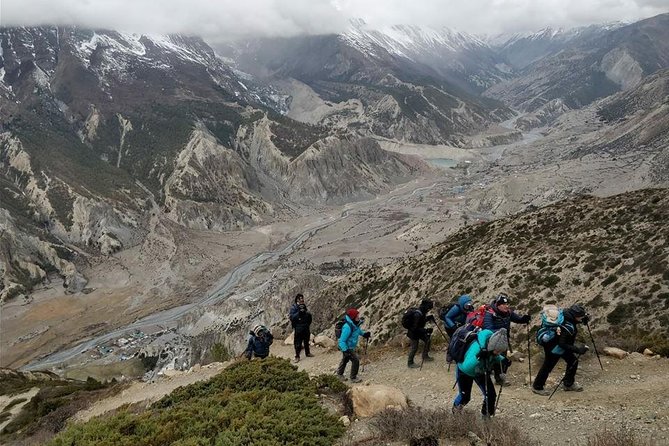
Today’s walk is roughly 6 hours to Chame. The route is described as steep ridges with green woods and even landslides. That’s a big clue about what you’re signing up for: you’re on trails that can have unstable sections. A good guide helps you read the terrain and adjust steps. If you’re prone to rushing downhill, this is where you slow down.
Day 5: Into narrow valley terrain and the Paungda Danda rock marker
Day 5 continues the trek in a valley that’s narrow and steep, requiring full caution. On the way, you’ll pass a curved rock noted as rising up to 1,500 m at Paungda Danda. Small route landmarks like this are more than trivia—they help you track progress and stay calm when the day feels long.
Manang build-up and the road to Thorong La
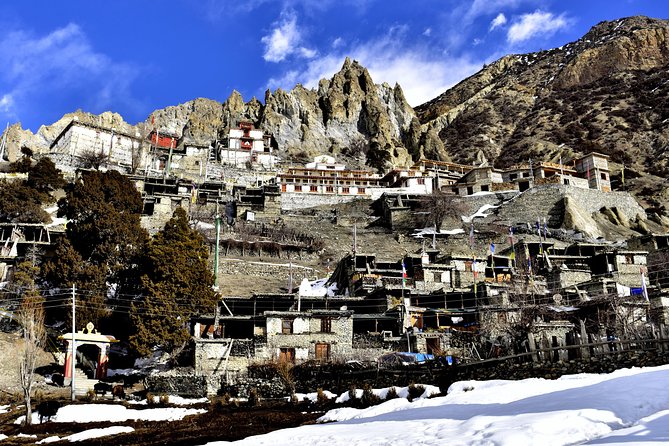
Day 6: Upper Pisang to Manang
You reach Manang after about 7 hours of walking, passing through Upper Pisang along the way. Manang is a common acclimation anchor on Annapurna routes because altitude here is high enough to matter, but you still have time to adjust. I like that this day ends in Manang rather than pushing straight through.
Day 7: Rest at Manang, with optional hikes
This is a smart day for your body and your head. You’re not being forced into full hiking mode; instead, you rest at Manang and can do short hikes. Options listed include Bonjo Gumba or Gangapurna Lake, plus even higher alternatives if you choose.
This is where I’d tell you to be honest with your fitness. If you’re feeling steady, pick one short hike. If your breathing feels off, stay low and rest. On a pass trek, “doing more” isn’t automatically “doing better.”
Day 8: Ascend toward higher villages (Tenki, juniper, Ghunsa Village)
Day 8 keeps you moving upward with a trek through Tenki and into Marshyangdi Valley northwestern of Jharsang Khola. The day’s description includes juniper trees and Ghunsa Village. The mix of higher terrain and village passes is usually where you notice temperature swings—warm sun, then chill when clouds roll in.
Day 9: Thorang Phedi climb and the suspension-bridge moment
Day 9 aims for Thorang Phedi with a walk described around 4 hours, plus a suspension bridge to Lather Village and then more cliff-side walking on toward Thor… (the text cuts off). Suspension bridges are often short, but they’re mentally important. They force you to stay present, keep your footing, and avoid stepping too fast.
Day 10: Thorong La Pass (5,416 m) to Muktinath Temple
This is the headline day. You wake up, have breakfast, then still ascend upwards to Thorang Phedi before heading for the big crossing at Thorong La Pass (5,416 m). It’s described as the highest elevation of the trek, and the route moves to the western side after that.
Then you continue to Muktinath Temple, which is the kind of place where the landscape feels both spiritual and severe. The key value here is that the tour recognizes this as a real challenge day—and doesn’t hide it behind gentle wording. You should go in ready to take it slow and steady.
The ending run: Muktinath to Pokhara, then Kathmandu
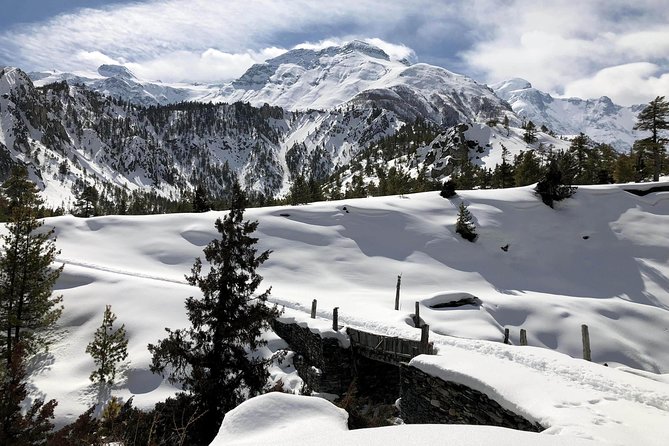
Day 11: Bus/jeep down to Pokhara
After the pass and the western-side travel, Day 11 is a long transport day: drive from Muktinath to Pokhara by bus/jeep for about 10 hours. It’s not the time for side trips; it’s the time to recover. If you’re sensitive to road time, consider bringing something to make the ride easier (earplugs and a comfortable layer help on long Nepal roads).
Day 12: Rest day in Pokhara
You’re given a full rest day in Pokhara Valley. This is one of the best parts of the itinerary because it’s not wasted time. After days of structured trekking, Pokhara gives you freedom to wander and decompress, and it also helps you avoid going straight back to high-altitude mode.
Day 13: Return to Kathmandu, with an optional flight
You take a tourist bus drive to Kathmandu (about 7 hours), or you can fly from Pokhara to Kathmandu for an extra charge. Then you transfer to a hotel with breakfast included. If roads wear you out, the flight option can be worth considering—just remember it costs extra.
Day 14: Departure from Kathmandu
Final day is a drop-off at the international airport so you can fly home. This wraps the logistics nicely so you’re not organizing transport while tired.
Lodges, meals, and comfort choices that actually matter
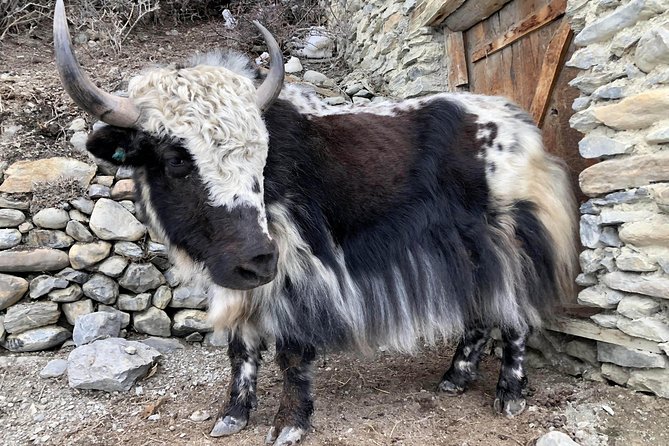
This tour includes lodge/teahouse accommodations while trekking, twin sharing, plus full-board meals on trek days. Here’s why that’s valuable: food and sleep consistency reduce decision fatigue. When you’re at altitude and moving daily, you don’t want to spend energy negotiating menus.
A few other useful inclusions:
- First aid medicine carried by the local guide
- Optional gear support if needed: a company duffel bag and sleeping bag for the trek
What’s not included (and you should plan for):
- Alcohol, WiFi, mineral bottle water, charging, and hot shower during the trek
- Lunch and dinner in Kathmandu and Pokhara hotels
For packing, think in layers. Even though the tour handles lodging and meals, your comfort during cold mornings and higher elevations still comes from what you bring. If you rely on the optional sleeping bag, confirm it at booking so you’re not stuck scrambling for a proper setup close to departure.
Guide quality, training, and the private-custom angle
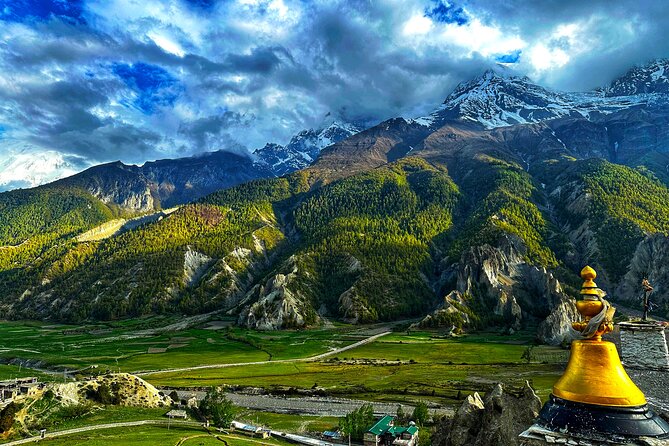
This experience is marketed as private and customizable to your needs, and you’ll trek with one professional guide. Private format can be great because you’re not forced into a one-size-fits-all pace. But in practice, your experience will still hinge on the guide’s field management—timing, safety judgment on steep and possibly landslide-affected sections, and pacing around the pass.
One past guest pointed out that staff and trekking guides need more training. That’s not a deal-breaker, but it is a real signal: before you finalize, ask your operator how they select guides and how they handle training and standard safety practices. On a high pass trek, that’s not an academic question.
Price and value check: when this package makes sense
At $1,150 per person, you’re not just paying for a walking route. You’re paying for:
- Transport organization from Kathmandu into the trek area and back through Pokhara
- Two hotel nights in Pokhara and two in Kathmandu with breakfast
- Lodging and full-board meals during the trekking days
- Permits and entrance fees
- A guide plus first-aid support
If you’re an independent planner with strong trekking experience and you already know the admin side, you could possibly build something cheaper. But if you want a smoother, less admin-heavy plan—especially around permits and coordinating multiple transport legs—this pricing can feel fair.
Another value signal: the package is described as frequently booked about 105 days in advance on average. That suggests they’re running the trek often enough to keep the logistics working. Still, I’d book earlier if you have fixed travel dates.
Who this Annapurna Circuit trek suits best
This trek is a good match if:
- You have moderate physical fitness and want guided structure
- You prefer not planning permits and entrance fees yourself
- You like the idea of lodge trekking with full-board meal planning
- You want flexibility at Manang with optional short hikes
It may not suit you as well if:
- You hate long road days (Day 2 and Day 11 are both long)
- You want a porter included by default (this one does not include a porter)
- You’re very sensitive to guide variability and field coordination (past feedback suggests training could be improved)
Should you book Glorious Himalaya Trekking Pvt. Ltd. for this Circuit trek?
I’d consider booking if you want the Annapurna Circuit experience with fewer decisions and fewer paperwork headaches. The combination of permits included, full-board trekking meals, and properly arranged hotel nights in Kathmandu and Pokhara is the kind of value that pays off when you’re tired and altitude is doing its job.
I’d think twice if your plan requires a lot of specialized gear or if you need porter support, since a porter isn’t included. And I’d also ask pointed questions about guide training and safety habits before you pay—because on a route that can involve steep ridges and landslide-prone sections, how the guide manages real conditions matters.
If you want a guided Circuit that’s practical about both walking and logistics, this is a solid candidate.
FAQ
How long is the Annapurna Circuit trek in this package?
The trek is listed as 14 days (approx.).
Where does the tour start?
The meeting point is Tribhuvan Airport, Kathmandu, Nepal.
What meals are included during the trek?
The package includes breakfast, lunch, and dinner during the trekking period (full board while trekking). It also notes tea with breakfast.
Are trekking permits and entrance fees included?
Yes. Essential trekking permits and area entrance fees are included.
Is a porter included?
No. The tour does not include a porter.
Do I get hotel stays in Kathmandu and Pokhara?
Yes. There are 2 nights in Pokhara and 2 nights in Kathmandu, each with breakfast included.
Is there an option to fly from Pokhara to Kathmandu?
Yes. The standard option is a tourist bus drive (about 7 hours), but there’s also an optional flight from Pokhara to Kathmandu for an extra charge.