REVIEW · RISHIKESH
Rishikesh: Kunjapuri Temple Sunrise Trek
Book on GetYourGuide →Operated by Himalayas Within · Bookable on GetYourGuide
Sunrise here feels like a reset button. This Kunjapuri Temple-to-Neer Waterfall trek mixes spiritual morning energy with a real walk through forest paths and village trails.
My favorite parts are the 360-degree Himalayan panorama from Kunjapuri and the way the day is guided end-to-end, including a yoga session and temple rituals.
The one caution: it’s an early start with a climb involved, so it’s not the easiest option for everyone.
In This Review
- Key Things I’d Put on Your Radar
- Getting Up to Kunjapuri: The Mountain Road and Early Start
- Kunjapuri Shakti Peeth at Dawn: Temple Rituals and 360° Views
- Practical note on photos
- The Yoga Session and Guided Walking: How the Day Stays Grounded
- The Trek From Temple to Valley: Forest Paths and Local Village Vibes
- Footwear and water: the boring stuff that saves your day
- Neer Waterfall: The Break, the Photos, and the Natural Swimming Pool
- A small reality check
- Price and Value: What $60 Buys in an 8-Hour Day
- The one thing that isn’t covered
- Small Group Comfort: Why “Up to 5” Changes the Day
- Who This Sunrise Trek Suits (and Who Should Skip It)
- Pack light, dress right
- Should You Book This Kunjapuri Temple to Neer Waterfall Sunrise Trek?
- FAQ
- How long is the Kunjapuri Temple Sunrise trek and waterfall stop?
- Where do they pick you up from?
- What time focus does the tour have?
- Is yoga included?
- What’s included in the price?
- What should I bring, and what is not allowed?
Key Things I’d Put on Your Radar
- 360° sunrise views from Kunjapuri Temple over snow-capped peaks and the Doon Valley
- Shakti Peeth temple visit with traditional prayers led by local priests
- Small-group trek size (up to 5 people) for a more personal pace and attention
- Forest walking through oak, pine, and rhododendron with chances to spot birds and wildlife
- Neer Waterfall photo stop plus a natural swimming pool option
- Yoga (meditation & pranayam) included, not just a walk-and-go tour
Getting Up to Kunjapuri: The Mountain Road and Early Start
This is one of those Rishikesh-area days where the morning isn’t just early—it’s the point. You’ll start with pickup from Tapovan or a hotel/location within about 4–5 km, then get into a scenic drive along winding mountain roads. Expect jungle-covered hills, small local villages, and (in clear weather) snow-capped mountains far ahead.
The drive matters more than you’d think. It sets the mood before you even reach the hill. By the time you’re close to Kunjapuri Temple, you’re already trading city noise for birds, wind, and that slow mountain calm.
Plan to be ready at the meeting point 15 minutes early. On mountain roads, “close enough” isn’t close enough. Also pack for sun—this is a dawn-to-daylight plan, and clouds can still burn through once the sun climbs.
You can also read our reviews of more hiking tours in Rishikesh
Kunjapuri Shakti Peeth at Dawn: Temple Rituals and 360° Views
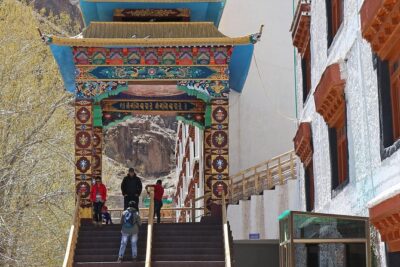
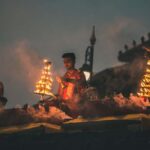
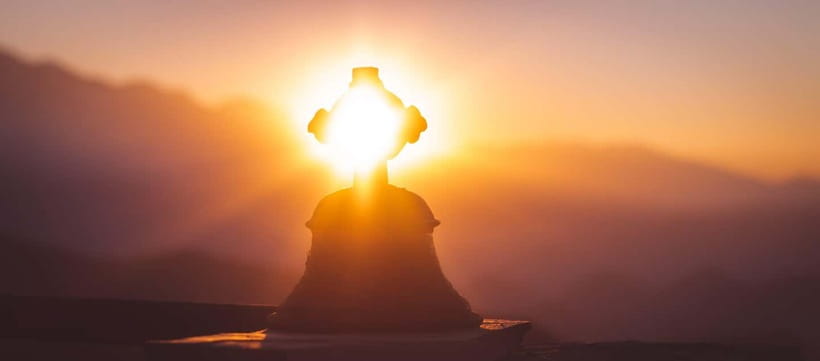
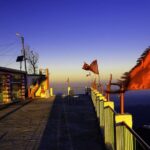
Kunjapuri Temple is the centerpiece. It sits high on a Himalayan hill and is a major Hindu pilgrimage stop dedicated to Goddess Shakti. The atmosphere hits quickly: temple bells, incense in the air, and that feeling that the whole hill has one shared rhythm.
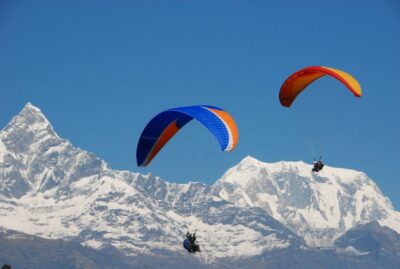
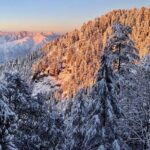
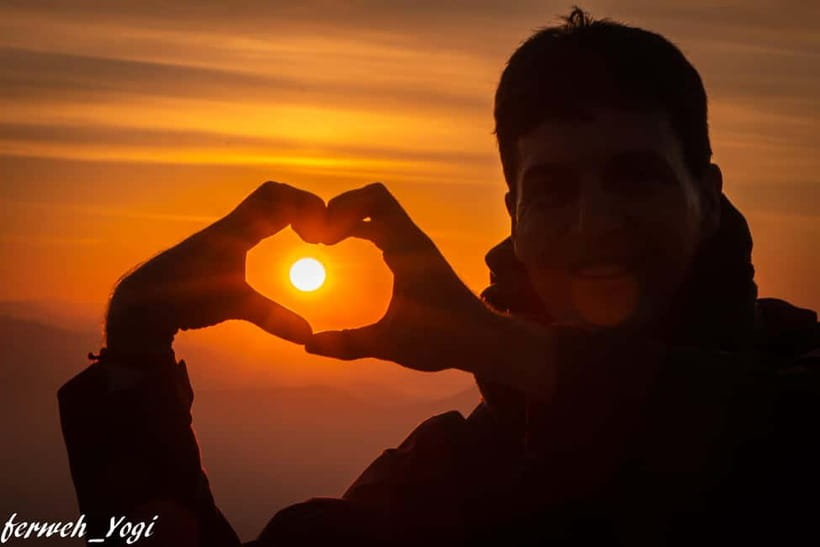
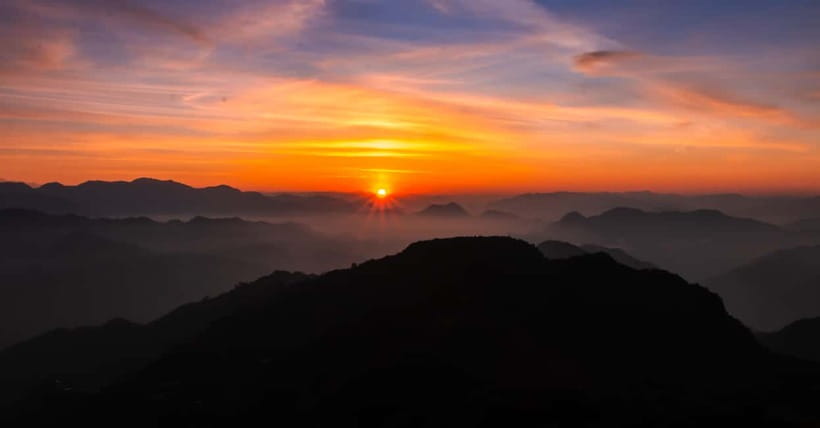
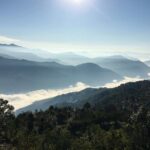
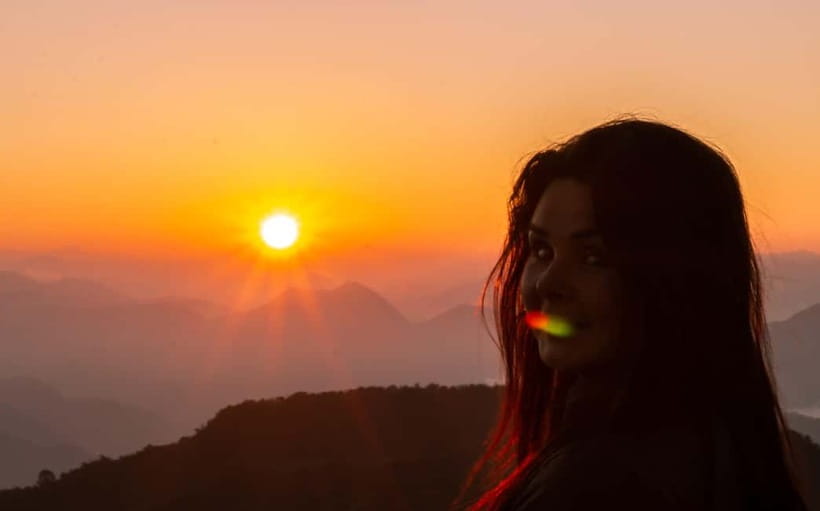
You’re also there right before and during sunrise, so you get a front-row view of the Himalayas turning from dark silhouettes to bright, crisp peaks. The temple is famous for truly wide panoramic sightlines, and the views include named peak areas such as Swargarohini, Bandarpunch, and Gangotri, plus the Doon Valley stretching below. Even if you’re not a “big views” person, you’ll get why people come back for this one.
Inside, you’ll get a guided temple experience—including time to pause, watch, and take part where appropriate in traditional prayers. Local priests lead the rituals, and you may catch something special like monkeys (often Hanuman langurs) moving around the temple area.
One extra layer that gives this place weight: Kunjapuri is linked to Hindu mythology as one of the 52 Shakti Peethas, sacred shrines dedicated to Shakti. The story often shared is that Sati’s chest fell here during an episode involving Lord Vishnu’s Sudarshan Chakra. You don’t need to memorize the myth, but it helps you understand why the temple feels so central to local devotion rather than just scenic tourism.
Practical note on photos
Bring your eyes and your camera. The best shots are usually a mix: wide angles from the temple viewpoint, plus close details—bells, incense smoke, colors on the shrine, and faces of people participating in morning prayer.
The Yoga Session and Guided Walking: How the Day Stays Grounded
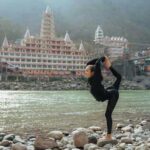
This tour doesn’t treat yoga as a marketing checkbox. You’ll get a yoga session (meditation & pranayam) as part of the included program. For many people, this is what makes the sunrise feel connected to the rest of the trek instead of ending once the photos are done.
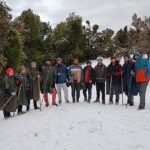
And because the group is small (up to 5 participants), the guide can keep the pace realistic. One guide mentioned in the experience details is Pramod, praised for being careful, informed, and attentive. Another name you might encounter is Mak, highlighted for mixing knowledge with a gentle approach to topics like spirituality, culture, and daily life in India.
That “how” matters. You’re walking in a place with living religious practice. A good guide helps you respect the flow of rituals, dress expectations, and what’s appropriate to photograph. It also helps you understand what you’re seeing on the trail—trees, birds, and the meaning of what locals are doing.
The Trek From Temple to Valley: Forest Paths and Local Village Vibes
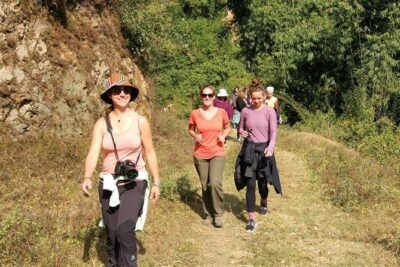
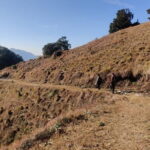
After the temple time, the day shifts into trekking. You’ll walk through scenic paths that cut through dense forests of oak, pine, and rhododendron. This is the kind of forest where sound changes. The pace slows naturally. Birds call. The air feels cooler under tree cover.
The route is designed to feel more like a guided hike than a forced march. You’ll have time for walking and scenic viewpoints along the way, not just one long stretch. The guided portion is set for roughly a few hours, and the overall day stays structured with breaks.
You can also expect a “village-to-nature” connection. The plan includes trekking and passing through areas where you can experience Garhwali culture—the everyday side of the region, not only temple sightseeing. That can mean small interactions, glimpses of daily life, and a better sense of how the landscape supports livelihoods and routines.
Wildlife spotting is possible but never guaranteed. You might see birds and other small moments that make nature photography fun. And yes, you may see monkeys near the temple areas again, but keep your distance—don’t turn it into a chase for a photo.
You can also read our reviews of more tours and experiences in Rishikesh
Footwear and water: the boring stuff that saves your day
Wear comfortable walking shoes. There is a climb to reach the temple, and the trekking sections mean you’ll feel the ground. Bring water. The tour includes breakfast and morning tea, but that doesn’t replace hydration when you’re walking for hours.
Neer Waterfall: The Break, the Photos, and the Natural Swimming Pool
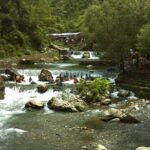
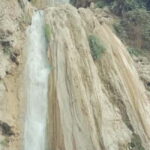
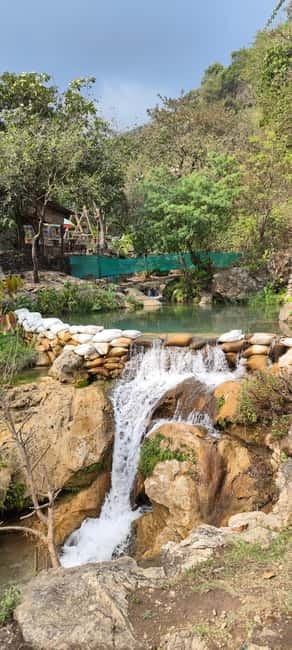
Neer Waterfall is the day’s nature payoff. After the trek, you’ll reach the waterfall and get a break time with a photo stop (about 1.5 hours). This is where the tour shifts from “spiritual morning + hike” to “fresh air + fun in motion.”
What I like about this stop is that it’s not just a viewpoint. There’s an option to jump into a natural swimming pool made with the waterfall at the end of the trek. You’ll want beachwear for this, and the included “beachwear” reminder in your packing list is a hint this isn’t just theoretical.
If swimming isn’t your thing, the waterfall still does a lot for you. It’s a natural sensory reset: cool mist, steady sound, and a chance to sit for a while after walking. It’s also a great time for relaxed photos without the pressure of catching sunrise again.
A small reality check
Water conditions can vary. The tour data doesn’t promise “perfect swimming,” it gives you the option. So think of it as a bonus if conditions feel safe and comfortable for you.
Price and Value: What $60 Buys in an 8-Hour Day
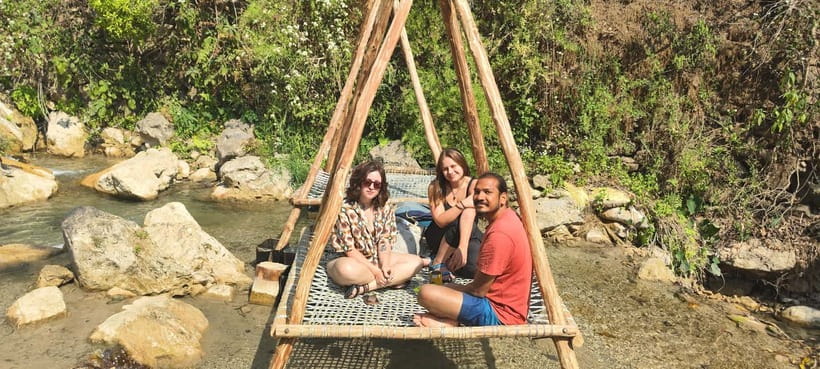
At about $60 per person for roughly 8 hours, this trek is priced like a full guided experience, not a DIY hike. The value is in the package:
- Round-trip transportation from your pickup spot
- English-speaking guide (plus German and Hindi are also supported)
- Kunjapuri Temple entrance fees
- Neer Waterfall ticket
- Yoga session (meditation & pranayam)
- Local cultural experience
- Morning tea and breakfast
That adds up fast if you try to piece it together alone—especially once you factor in transport up mountain roads and the guide time for sunrise timing and temple etiquette.
There’s also a practical win: the schedule includes skipping the ticket line, which saves energy when you’re already up early and focused on sunrise.
The one thing that isn’t covered
Temple donations and personal expenses aren’t included. If you plan to make an offering, budget a little. If you don’t, you’ll still have a full experience.
Small Group Comfort: Why “Up to 5” Changes the Day
This is a small group trek, limited to 5 participants. That matters because the day mixes very different modes—quiet sunrise temple viewing, a short break, guided walking, and then a waterfall stop.
In a tiny group, you don’t feel like you’re herded. You can ask questions without shouting. And your guide can adjust the pace and keep an eye on everyone, especially on uneven parts of the climb and trail.
If you care about photo timing, small groups are also helpful. It’s easier to position without playing traffic with a big crowd.
Who This Sunrise Trek Suits (and Who Should Skip It)
This trek is a great fit if you want:
- early-morning Himalayan views without planning logistics
- a guided temple visit with traditional prayers and cultural context
- a nature walk that’s active but not purely endurance-focused
- the chance to cool off at Neer Waterfall (with beachwear)
It’s not suitable for pregnant women and wheelchair users. That’s partly because of the climb to reach Kunjapuri Temple and the walking sections of the trail.
If you’re a strong walker who likes sunrises, you’ll probably love this. If you prefer long, easy strolls with minimal uphill, consider carefully.
Pack light, dress right
The tour is clear about modest dress expectations and respectful behavior at a religious site. Bring sunglasses, a sun hat, sunscreen, and (if you want the water option) beachwear. Alcohol and drugs aren’t allowed.
Should You Book This Kunjapuri Temple to Neer Waterfall Sunrise Trek?
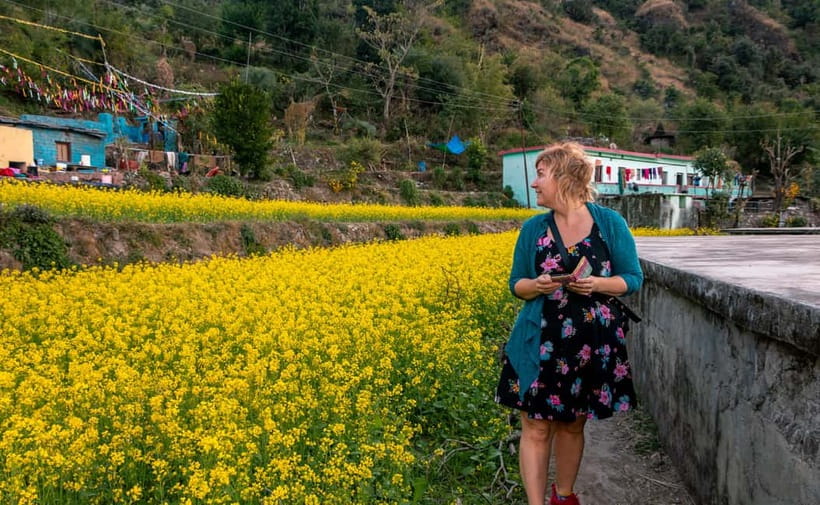
I’d book it if you want a one-day experience that ties together spiritual morning time, a guided nature trek, and a real waterfall break—without you handling transportation, timing, or temple basics. The small group size, included yoga, and included tickets are strong value for an 8-hour day in the hills.
I’d think twice if you get wiped out by early starts or you’re not comfortable with a climb and several hours of walking. Also, if sunrise timing is critical to you, check weather and plan to dress warmly enough for dawn (the tour focuses on sun protection, but mornings in the hills can still feel cooler than midday).
If you’re ready for a day that’s equal parts Himalayan awe and grounded guided walking, this is one of the more satisfying ways to do Rishikesh-area hills.
FAQ
How long is the Kunjapuri Temple Sunrise trek and waterfall stop?
The total duration is about 8 hours, from pickup through the trek and the return.
Where do they pick you up from?
Pickup is available from Tapovan and also from certain hotel locations within about 4–5 km.
What time focus does the tour have?
You start early to reach Kunjapuri Temple before sunrise, with sunrise viewing included for about 1 hour.
Is yoga included?
Yes. The experience includes a yoga session covering meditation and pranayam.
What’s included in the price?
Included are transportation, an English-speaking guide, temple entrance fees, Neer Waterfall ticket, morning tea and breakfast, a guided temple experience, and the yoga session.
What should I bring, and what is not allowed?
Bring sunglasses, a sun hat, sunscreen, comfortable walking shoes, water, and beachwear if you want to swim at the waterfall. Alcohol and drugs are not allowed. The tour also notes that modest dress is important.