REVIEW · KATHMANDU
TOP 4 UNESCO World Heritage Sites Tour
Book on Viator →Operated by Green Valley Nepal Treks & Research Hub Pvt Ltd · Bookable on Viator
Four UNESCO stops, one well-paced day. This tour is a smart way to see Kathmandu Valley’s Hindu and Buddhist landmarks without spending your time figuring out routes, and I like that you get door-to-door hotel pickup and drop-off plus a professional English-speaking guide who can explain what you’re actually looking at. One real consideration: entry rules are strict, including a dress code and a requirement that you must be Hindu to enter Pashupatinath.
I also like the flexibility. You can choose a morning or afternoon departure, and the whole loop runs about 6 to 7 hours, which is useful when your Kathmandu schedule is tight. With a private vehicle (air-conditioned) and a private setup, you’re not stuck waiting on other groups.
The downside is mostly practical. Monument entrance fees are not included (around NPR 2700), tipping is expected, and some sites can be crowded—so you’ll want to plan for walking, sun, and delays from Kathmandu traffic.
In This Review
- Key points that make this tour worth your time
- Why Four UNESCO Stops in One Day Works in Kathmandu Valley
- Price, Time, and the Value of Door-to-Door Pickup
- Dress Code and the Pashupatinath Rule You Must Know
- Stop-by-Stop: What You’ll See at Each UNESCO Site
- Pashupatinath Temple: Shiva by the Bagmati River
- Boudhanath Stupa: One of the world’s biggest Buddhist stupas
- Swayambhunath (Monkey Temple): the hilltop views and the painted eyes
- Patan Durbar Square: Newari architecture and royal-era atmosphere
- Guides and Drivers: Why the People Matter on This Route
- Logistics That Save Your Day: Tickets, Fees, and Kathmandu Traffic
- Who This Private UNESCO Tour Fits Best
- Should You Book This Top 4 UNESCO World Heritage Sites Tour?
- FAQ
- What does the Top 4 UNESCO World Heritage Sites tour include?
- How long is the tour?
- Can I choose a morning or afternoon departure?
- Are monument entrance fees included in the price?
- Do I need to follow a dress code?
- Is it true that only Hindus can enter Pashupatinath Temple?
- Is this a private tour?
- Do I get a ticket on my phone?
- What is the cancellation policy?
Key points that make this tour worth your time
- Pick morning or afternoon: Choose the departure time that fits your day in Kathmandu.
- Door-to-door, anywhere in the capital: You don’t have to organize transport on your own.
- Private tour, not a shared scramble: Only your group participates.
- Religious sites with real-world rules: Dress code matters, and Pashupatinath requires you be Hindu.
- Four UNESCO landmarks in one loop: You’ll move between iconic temple and stupa stops without wasting hours.
- Guides who do more than point: Examples from guides like Kapil and Saraswati Ghimire show how much context you can get.
Why Four UNESCO Stops in One Day Works in Kathmandu Valley
Kathmandu Valley spreads its most famous spiritual sites across different neighborhoods and hilltop roads. That’s why a single-day loop feels efficient: you get a sequence that makes sense, and you spend your energy watching rituals and architecture instead of wrestling with transport.
What makes this especially satisfying is the mix of traditions. You’ll see Hindu worship at Pashupatinath Temple, then shift to major Buddhist landmarks at Boudhanath Stupa and Swayambhunath, before ending at Patan Durbar Square, which highlights Newari royal-era design. If you care about how cultures overlap in one city, this combination gives you a fuller picture.
And because it’s private, the pace can be more realistic. You’re not pinned to a mass-tour rhythm. If you want a slower look at carvings or you need a bathroom break, you can ask.
You can also read our reviews of more historical tours in Kathmandu

Price, Time, and the Value of Door-to-Door Pickup
At $50 per person, this is positioned as an easy-entry day tour, especially because it includes several things that usually cost extra when booked piecemeal. You get an air-conditioned private tourist vehicle, hotel pickup and drop-off by private vehicle, and an English-speaking professional guide.
The time window matters, too. With an overall duration of about 6 to 7 hours, you can fit this between other Kathmandu plans without feeling like you lost a whole day. You also get morning or afternoon departures, so you can align the tour with your energy level and any other activities.
Just factor in what’s not included. Monument entrance fees are listed as around NPR 2700, and tipping for the guide and driver is expected. That doesn’t make it a bad deal—it just means the real cost is a little higher than the sticker price. If you budget for fees plus a tip, the value becomes clearer.
Dress Code and the Pashupatinath Rule You Must Know
This tour is built around places of worship, and the rules are not suggestions. You’ll need to follow a dress code: no shorts or sleeveless tops, and knees and shoulders must be covered for both men and women. If you don’t, you can be refused entry.
There’s also a site-specific restriction: you must be Hindu to enter Pashupatinath Temple. So if anyone in your group isn’t Hindu, you’ll need to plan around that before you go, because this tour includes an actual stop there.
One practical tip: Kathmandu heat plus long coverings can feel like a lot. If you’re doing this in warmer months, bring light layers that still cover your shoulders and knees. It’s one of those small choices that keeps the day smooth instead of stressful.
Stop-by-Stop: What You’ll See at Each UNESCO Site
This itinerary is designed like a spiritual sampler platter—four UNESCO World Heritage sites across the valley, with time at each location for a proper look. Expect walking, changing viewpoints, and moments where you pause just to watch how people pray and move through the space.
Pashupatinath Temple: Shiva by the Bagmati River
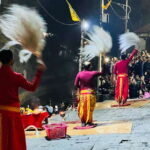
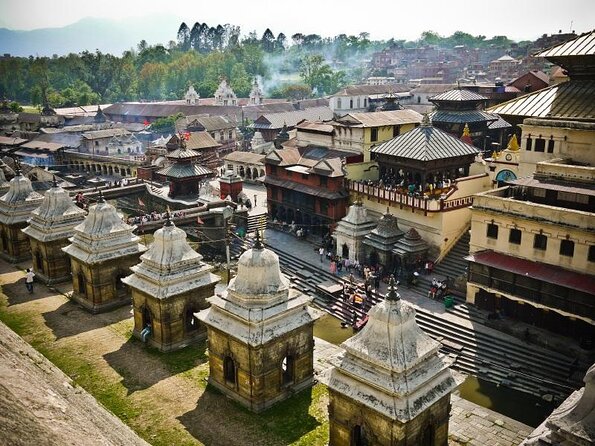
Pashupatinath Temple is dedicated to Lord Shiva and sits about five kilometers east of Kathmandu on the bank of the Bagmati River. The temple’s look is instantly recognizable: it has two golden roofs and four silver doors.
This stop is also the most rule-sensitive. Again, entry requires you be Hindu, and the dress code is essential. If you want to pray or observe respectfully, plan for crowds. In guide feedback I saw, Kapil specifically helped a traveler make time for prayers even during heavy crowds, using special prayers to make it work.
What to focus on while you’re there: the way the space is used for worship, the temple’s striking roof-and-door design, and the river setting that shapes how people come and gather.


Boudhanath Stupa: One of the world’s biggest Buddhist stupas
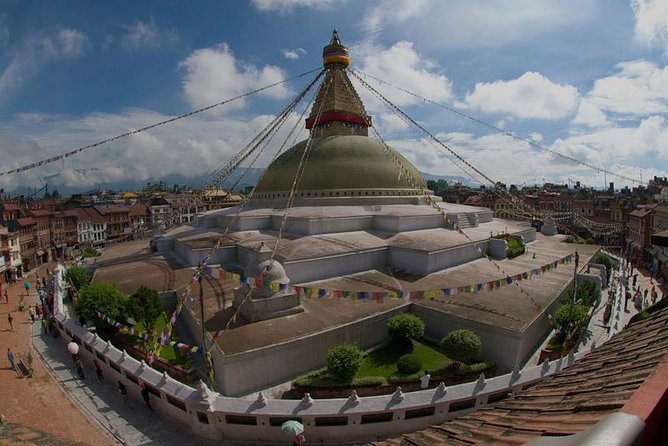
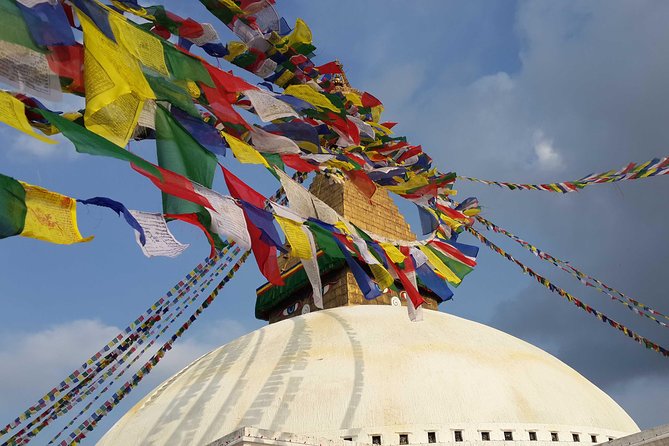
Next you’ll head to Boudhanath Stupa, about 6 km east of Kathmandu. The stupa is believed to have been built in the 5th century AD, and it’s described as one of the biggest Buddhist stupas in the world.
Boudhanath is surrounded by Buddhist lamas and monks, which matters because it changes the feel of the visit. This isn’t just a photo stop—it’s a living spiritual area where you can watch how people circle, pause, and offer attention.
You’ll also get about an hour here. That’s enough time to take in the scale, notice how people use the surrounding space, and still keep the day from dragging.
Swayambhunath (Monkey Temple): the hilltop views and the painted eyes
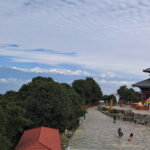
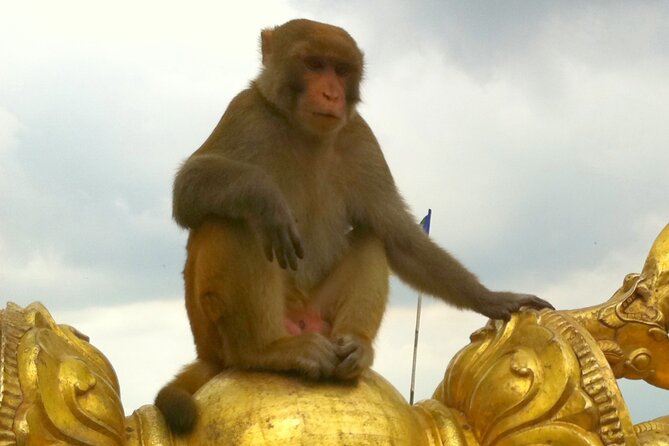
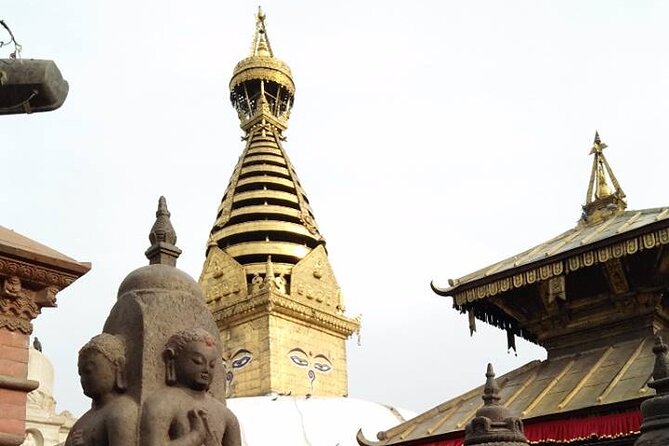
Then comes Swayambhunath, also known as the Monkey Temple. It’s an ancient stupa, described as about 2,500 years old, sitting on a hillock roughly 77 meters above ground level.
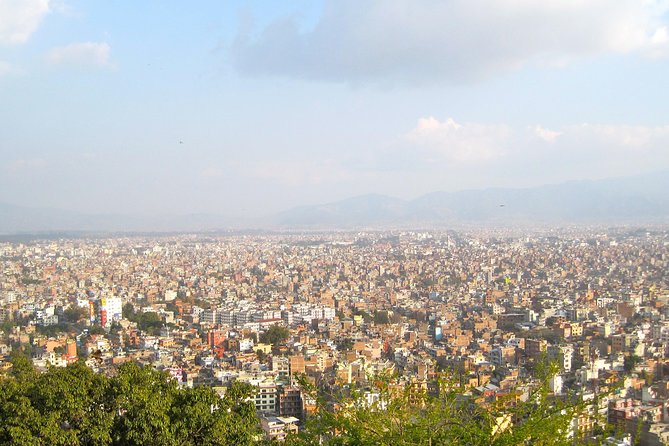
What makes this stop click is the combination of spiritual significance and the viewpoint. The hill gives you a wonderful view of the Kathmandu Valley, and the stupa’s top includes painted eyes on the dome—an iconic detail you’ll likely remember even after the tour is over.
Time-wise, plan for around 45 minutes. It’s a shorter stop, so come with a mindset of scanning and noticing. If you’re aiming for photos, aim early and be mindful that you’ll want time to step back and simply take in the valley view.
Patan Durbar Square: Newari architecture and royal-era atmosphere
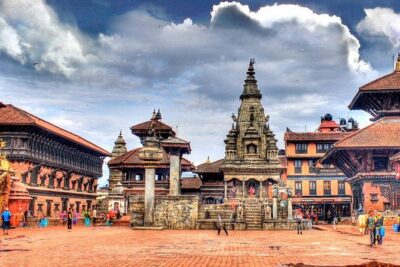
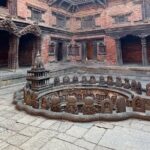
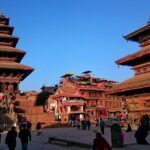
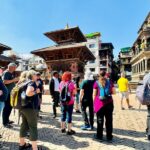
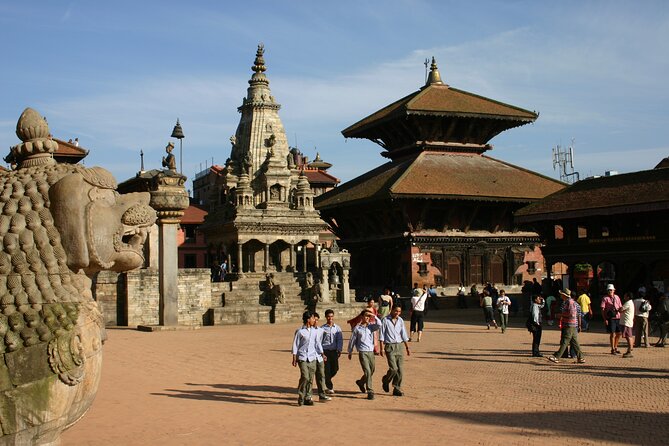
Your final stop is Patan Durbar Square, known as the site connected to the former Patan Royal Family. It’s often described as the most photographed of Kathmandu’s three Durbar Squares, with remarkable Newari architecture as a big draw.
If you’re into stonework, courtyards, and the feel of old power centers, this is where the tour shifts from purely religious focus to cultural heritage you can interpret through architecture. You’ll have about an hour here, which usually works well: long enough to wander, but not so long that you start to feel rushed.
A friendly note: Durbar Square areas can be busy, and it’s easy to get swept into quick photo-taking. Slow down for a few moments and look at the shapes and details instead of only aiming your camera.
Guides and Drivers: Why the People Matter on This Route
On a tour like this, the guide is not a bonus. It’s the difference between seeing four landmarks and understanding what they mean.
In reviews, guides such as Kapil and Saraswati Ghimire were praised for clarity and care. Kapil was highlighted for being flexible and patient, and for answering questions without making the experience feel like a lecture. In one case, he made it possible for a guest to pray at Pashupatinath despite crowding, using special-prayer context to help things go smoothly.
Drivers also got real credit. Ram was mentioned as friendly and attentive, even offering an unopened bottle of water when it was needed. Suman was noted for navigating the streets with ease during stressful traffic.
That matters in Kathmandu, where traffic can slow everything down. A careful driver keeps the day from turning into constant stop-and-start frustration, and it gives you more time to enjoy the stops you paid for.
Logistics That Save Your Day: Tickets, Fees, and Kathmandu Traffic
The tour includes an organized vehicle and a guide, plus you’ll get a mobile ticket. Air-conditioning helps, especially if you’re traveling in warmer months or if the day runs behind schedule.
Entrance fees are not included, listed as around NPR 2700. You’ll also want to know that tipping is expected for the guide and driver. If you forget this part, you might feel awkward at the end, so plan a small budget for it.
Timing also matters. This route is spread across distances in and around the valley, and traffic can affect the exact feel of each stop. The good news is that the day is kept in manageable chunks—about an hour at Pashupatinath and Boudhanath, about 45 minutes at Swayambhunath, and about an hour at Patan Durbar Square. That structure keeps you from reaching the last site too tired.
One more practical point: the tour notes it’s near public transportation. That doesn’t mean you should plan on using it mid-tour, but it can give you confidence that you’re not completely cut off if you need help finding something on your own.
Who This Private UNESCO Tour Fits Best
This is a good match if you’re visiting Kathmandu for a short time and you want the big UNESCO hits in one day. It’s also ideal if you like the spiritual side of travel—watching Hindu and Buddhist practices, not just snapping photos.
It’s especially strong for people who appreciate context. The guide-led explanations help you read what you’re seeing, from temple features to stupa scale and the architecture at Patan Durbar Square.
It’s not a great match if your group can’t meet the worship-site rules. If you’re non-Hindu, the Pashupatinath entry requirement can be a dealbreaker. And if your group doesn’t have covered-knee-and-shoulder clothing ready, you’ll risk entry problems.
Should You Book This Top 4 UNESCO World Heritage Sites Tour?
If your Kathmandu schedule is tight, I’d lean yes. You’re getting four UNESCO sites in about 6 to 7 hours with door-to-door pickup, an English-speaking guide, and the kind of on-the-ground help that keeps you from turning the day into logistical problem-solving.
But check two things before you book. First, verify that everyone in your group can meet the dress code. Second, confirm the Hindu requirement for entering Pashupatinath—this is not a small detail on this specific stop.
If you’re eligible for all the rules, this tour is a solid value: you pay a relatively low base price for private transport and guided pacing, then you handle entrance fees and tips. It’s the kind of day that makes Kathmandu feel meaningful fast, because you’re not just visiting places—you’re watching living traditions in real spaces.
FAQ
What does the Top 4 UNESCO World Heritage Sites tour include?
It includes an air-conditioned private tourist vehicle, hotel pickup and drop-off by private vehicle, and an English-speaking professional tour guide.
How long is the tour?
The duration is listed as approximately 6 to 7 hours.
Can I choose a morning or afternoon departure?
Yes. You can choose between morning or afternoon departure times.
Are monument entrance fees included in the price?
No. Entrance fees are not included, and the tour lists around NPR 2700.
Do I need to follow a dress code?
Yes. You must cover your knees and shoulders and avoid shorts or sleeveless tops. You may be refused entry if you do not comply.
Is it true that only Hindus can enter Pashupatinath Temple?
Yes. The tour states that customers must be Hindu to enter Pashupatinath Temple.
Is this a private tour?
Yes. It is a private tour/activity, and only your group will participate.
Do I get a ticket on my phone?
The tour features a mobile ticket.
What is the cancellation policy?
You can cancel for a full refund up to 24 hours in advance of the experience start time. If you cancel less than 24 hours before, you do not get a refund.