REVIEW · KATHMANDU
Kathmandu: Food and Drink Tour
Book on GetYourGuide →Operated by Himal Giri · Bookable on GetYourGuide
Nine bites, one Kathmandu walk. This food tour is built around 9+ traditional tastings and the kind of food-hygiene care that makes you feel relaxed with every stop. I also like that the guide threads in practical stories—what you’re eating, why it matters, and how locals actually fit it into daily life. One thing to consider: by the end, you’ll likely be properly stuffed, so come hungry and plan to take it easy afterward.
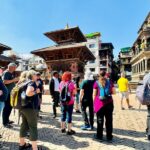
Meet at Kaiser Library in Thamel, then spend about three hours working your way through nearby streets and alleyways with a guide who knows where to go and what to order. You can choose a group tour or a private one, and the tour runs in all weather conditions—so wear shoes you trust and bring a light layer if rain shows up.
In This Review
- Key highlights to know before you go
- Kaiser Library in Thamel: the start that keeps it simple
- Three hours, 9+ tastings: how the tour pacing really feels
- Street momo and dipping sauce: the star you can’t miss
- Newari snacks and sel roti: Kathmandu beyond one flavor
- Sugar cane juice and the small drink breaks that matter
- Meet Deepak-style guide energy: calm stories, clear explanations
- Price and logistics: why $21 can be a fair deal
- Group vs private: choose the vibe that fits your travel style
- Who should book this Kathmandu food walk
- Should you book the Kathmandu Food and Drink Tour?
- FAQ
- Where is the tour meeting point?
- How long is the food and drink tour?
- How much does the tour cost?
- What kinds of food will I taste?
- What languages does the guide speak?
- Does the tour operate in bad weather?
- Can I tell the guide about allergies or dietary restrictions?
- Is transportation included?
Key highlights to know before you go
- Kaiser Library in Thamel is your easy meeting point, with the guide arriving right on time
- At least 9 tastings of traditional Nepali food, including momo and sel roti
- Newari-focused snacks that help you understand Kathmandu’s food roots beyond one dish
- Optional beverage breaks listed along the route, plus favorites like sugar cane juice
- A guide-led story trail that explains what’s on your plate and the traditions behind it
- Large portions that can leave you with leftovers to take home in some cases
Kaiser Library in Thamel: the start that keeps it simple
You start at Kaiser Library in Thamel—an area that’s easy to find and easy to navigate on foot. The instructions are refreshingly clear: wait in front of the library, keep your phone available, and the guide will arrive at the exact start time and call you. If you arrive early, the library itself is open and entry is free of cost, which makes waiting feel less like standing around.
This matters more than it sounds. Food tours go smoother when you’re not hunting for your guide through crowded streets. It also means you can settle your brain fast: shoes on, appetite ready, and you’re ready to walk.
Quick safety note, because it’s Kathmandu and you’ll see friendly-but-pushy approaches sometimes: the tour advises you to avoid chatting with strangers who may try to act like guides or students. Once your guide arrives, you’ll match them to the company photo and they’ll handle the group.
You can also read our reviews of more food & drink experiences in Kathmandu
Three hours, 9+ tastings: how the tour pacing really feels
This is a compact tour with a big payoff: about 3 hours and at least 9 traditional Nepali samplings. The goal isn’t one fancy meal—it’s a sequence of small-to-medium stops that lets you compare textures, flavors, and regional influences across Kathmandu.
You’ll notice a few things about the pacing:
- You’re walking long enough to work up an appetite, but not so long that you feel stranded or exhausted.
- Tastings come as a progression, not random bites thrown at you.
- The tour keeps moving, with short break moments built into the rhythm.
That progression is where the value shows. A lot of food tours just hand you food. Here, you get the why behind the bite—so after the third stop, you’re not only full, you’re actually learning what’s special and what’s typical.
One caution: because portions can be generous, you may end the tour feeling like you should unbutton your pants. That’s a good sign for food quality, but it’s still a sign. If you’re planning dinner right after, consider shifting it later—or bringing a light plan for what comes next.
Street momo and dipping sauce: the star you can’t miss
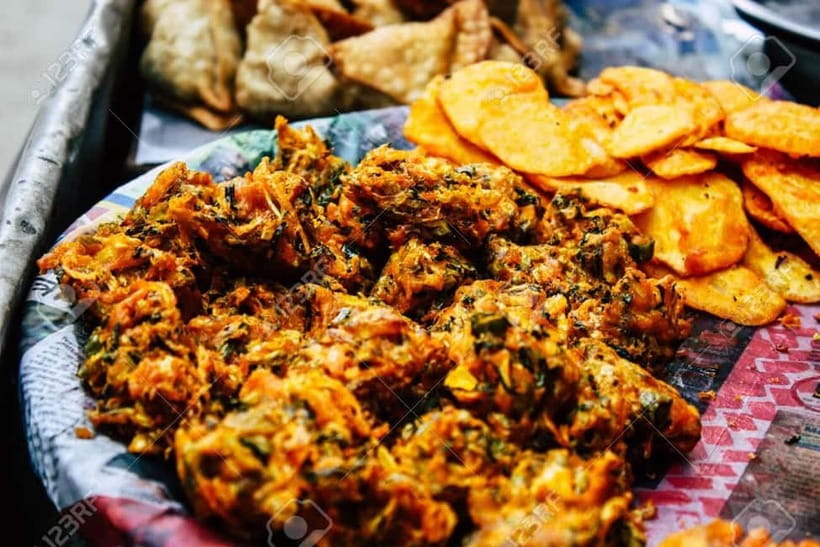
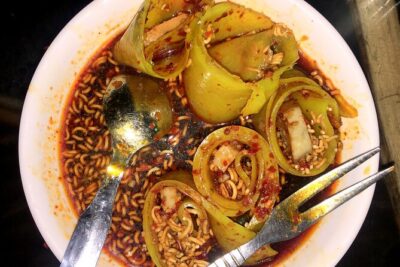
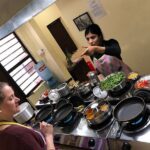
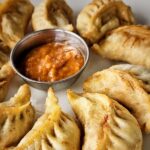
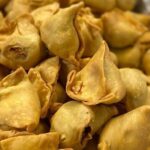
If you only eat one thing in Kathmandu, momo should be on your list—and this tour makes it a highlight rather than an afterthought. Expect to try momo as part of a street-food style stop, where the experience is as much about watching how it’s made and served as it is about tasting it.
What I’d tell you to pay attention to:
- The wrapper and chew (momo can vary from tender to more springy depending on the filling and cooking style)
- The dipping sauces, which are often where the flavor story really opens up
- How hot foods are served in Nepal’s street setup—quick, practical, and designed for people on the move
One of the most praised parts is the steamed momo moment, paired with amazing dipping sauces. That combination is often the difference between eating momo and truly understanding why locals get excited about it.
Also, if you’re the type who worries about food safety on street stalls, the feedback around this tour is reassuring. You’ll still use your own judgment, but the tour clearly aims to build confidence around hygiene as part of the experience.
Newari snacks and sel roti: Kathmandu beyond one flavor
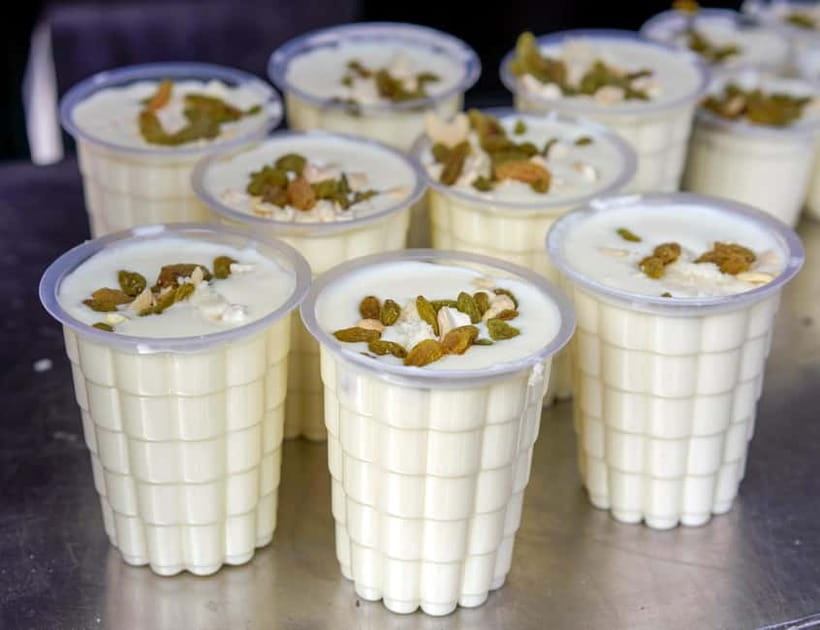
Kathmandu food isn’t just one style of cooking. This tour leans into that by including Newari snacks and sel roti, which helps you taste the city’s deeper culinary identity.
Newari snacks are a good choice for a tasting tour because they’re usually:
- Snackable (easy to try without committing to a full meal)
- Textural (crisp, chewy, fried, or spiced in distinct ways)
- Full of local character, not just universal comfort food
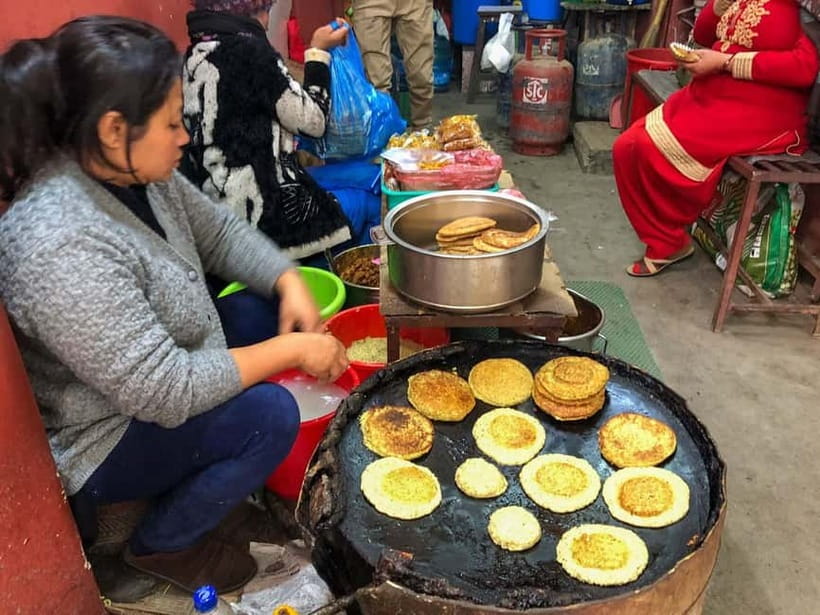
Then there’s sel roti. It’s not always on every visitor’s radar, but it’s a classic and it shows up here as one of the traditional samplings you’ll try. Sel roti also works well in a tour like this because it changes the flavor direction: you’re not just eating dumplings and savory bites—you’re getting a taste that feels more celebratory and seasonal.
If you like your food tours with variety—sweet next to savory, crunchy next to soft—this portion is where you’ll feel the smartest planning. It’s the difference between a simple tasting and a real snapshot of Kathmandu.
Sugar cane juice and the small drink breaks that matter
Along the walk, you’ll hit moments where drinks fit naturally into the experience. One standout mentioned is sugar cane juice, served as a refreshing counterpoint to hot, spiced foods.
You might also see tea/coffee breaks and other drink stops listed as part of the route, depending on timing and how the day flows. Either way, the reason these pauses work is practical: they give your palate a reset and they keep the group comfortable while you move between stops.
For you, that means:
- You won’t feel like you’re chasing food nonstop.
- You can pace your own eating if you get full faster than expected.
- If you’re trying to avoid too much alcohol, you can choose to stick to non-alcoholic options during the tour.
One small tip: if you’re sensitive to strong spice, let your guide know early. The tour encourages you to inform them of food allergies or dietary restrictions, and doing it right at the start helps the guide adjust what you’re offered.
You can also read our reviews of more tours and experiences in Kathmandu
Meet Deepak-style guide energy: calm stories, clear explanations
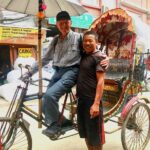
The guide is a big part of why this tour lands so well. In the experiences shared, a guide named Deepak comes up as calm and kind, and the tour is described as thoughtfully designed with a progression that makes sense as you go.
What you should look for during the tour:
- Stories that connect food to daily life and tradition
- Clear explanations that help you remember what you tried and how it fits Nepali culture
- A guide who chooses stops based on quality, not just convenience
It’s also worth noting the tour runs with a live guide in multiple languages, including English, Nepali, Hindi, and Chinese. That matters in Nepal, where menus and descriptions can be vague. When your guide can translate and steer you, you get the right dish without the guesswork.
And yes—people also appreciate that the guide takes you to places they favor, with enough local experience behind the choices to feel confident.
Price and logistics: why $21 can be a fair deal
At $21 per person for about 3 hours, this tour isn’t trying to be a bargain by cutting corners. The value comes from the structure:
- At least 9 traditional tastings
- A guided walk with cultural context
- Stops that include both food and supporting moments like drink breaks
If you tried to recreate this on your own, you’d spend a lot of time figuring out where to eat, what to order, and how much you’d need to spend to hit enough variety. Here, the guide does the decision work for you. You also get a consistent pacing so you’re not stuck eating too much at one place and not enough at another.
Logistics are also refreshingly straightforward:
- Transportation to and from the meeting point is not included
- Your personal expenses and any extra orders beyond the included tastings are on you
- The tour runs in all weather conditions, so wear shoes that handle Kathmandu street surfaces
So ask yourself one question: do you want to spend your time eating well, learning a little, and walking a short route with guidance? If yes, this price makes sense.
Group vs private: choose the vibe that fits your travel style
This tour works in both formats—group or private—so you can match it to your pace.
A group tour tends to be great if:
- You’re comfortable meeting new people
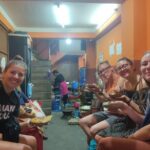
- You want the fun of shared reactions to the food
- You like hearing explanations while others ask questions too
A private tour can be better if:
- You want more control over pace and questions
- You’re traveling with kids (the tour has been done with a partner and a 12-year-old, and the structure can work well for families who can handle walking)
- You have specific food preferences and want the guide to focus more tightly on your tastes
Either way, the tour stays around the same core experience: a guided food walk with multiple tastings and cultural storytelling.
Who should book this Kathmandu food walk
This is a strong fit if you:
- Want a true tasting mix, not just one sit-down meal
- Like street food energy but still prefer a guide who can keep things safe and organized
- Are curious about Nepali and Newari food traditions, including classics like momo and sel roti
- Appreciate a guide who can explain what you’re eating and why
It may be less ideal if you:
- Hate walking or get tired quickly
- Want a single course, quiet restaurant meal with minimal movement
- Have very strict dietary needs and prefer restaurants with formal menus (you can still notify the guide, but the tour is built around samplings)
Should you book the Kathmandu Food and Drink Tour?
If you want a high-value food sampler in Kathmandu that includes the city’s best-known dishes and also adds Newari snacks and sel roti, this is an easy yes. The parts that stand out most are the 9+ tastings, the momo-and-sauce focus, and the fact that the guide experience is described as calm, story-led, and well planned.
I’d book it if you’re staying in or near Thamel and you want to feel confident about what you’re eating without spending your evening doing homework. I’d hesitate only if you’re not up for being quite full by the end, or if you’re expecting a low-walk, low-stimulation experience.
FAQ
Where is the tour meeting point?
You meet in front of Kaiser Library in Thamel. Waiting outside is fine, and the guide will arrive at the tour start time.
How long is the food and drink tour?
The duration is 3 hours.
How much does the tour cost?
It costs $21 per person.
What kinds of food will I taste?
You’ll taste at least 9 traditional Nepali samplings. The tour includes dishes like momo, sel roti, and Newari snacks.
What languages does the guide speak?
The live guide speaks English, Nepali, Hindi, and Chinese.
Does the tour operate in bad weather?
Yes. The tour operates in all weather conditions.
Can I tell the guide about allergies or dietary restrictions?
Yes. You should inform the guide of any food allergies or dietary restrictions.
Is transportation included?
No. Transportation to and from the meeting point is not included.