REVIEW · KATHMANDU
Cook and Dine with a Local family
Book on Viator →Operated by Royal Mountain Travel · Bookable on Viator
Spice shopping, then dinner in a real home. In Kathmandu, this small-group cooking class takes you out with a local family, into a market for ingredients, and back to their home to cook and eat. You’ll buy spices together and learn how the flavors actually come together.
I especially love the hands-on cooking with dal bhat guidance, and the fact that you’re not just watching from the sidelines. You also get that extra human part people remember most: being welcomed into a home setting where daily life feels close up, with families sometimes based in Patan.
One consideration: the activity depends on good weather, and it starts in the afternoon (3:00 pm), so it’s a plan for your schedule that you’ll want to protect.
In This Review
- Key highlights at a glance
- Pickup at 3:00 pm: Your Easy Start from Royal Mountain Travel
- The Market Walk That Teaches You How Nepali Flavor Works
- Back at the House: Cooking Dal Bhat With an English-Speaking Family
- A quick practical note on pacing
- Dinner Time: Eating What You Made in Their Home
- What You’ll Take Home: Skills That Go Beyond One Recipe
- Price and Value: $45 for Dinner, Transport, and a Small Group
- Timing, Weather, and Simple Tips for a Smooth 5 Hours
- Who Should Book This Cooking Class in Kathmandu
- Should You Book Cook and Dine With a Local Family?
- FAQ
- What time does the cooking class start?
- How long is the experience?
- Does the tour include pickup and transportation?
- Is dinner included?
- Do I cook anything, or is it just watching?
- Does the experience include shopping for ingredients?
- How many people are in the group?
- What if the weather is bad?
Key highlights at a glance
- Market spice shopping with your host family before any cooking starts
- Dal bhat cooking practice using common spices like turmeric, cumin, ginger, and garlic
- English-speaking host family to keep the experience easy to follow
- Private transportation plus hotel pickup makes the timing simple
- Maximum of 4 travelers, so you’re not lost in a big group
- Dinner is included, and you eat what you cook
Pickup at 3:00 pm: Your Easy Start from Royal Mountain Travel
The experience runs about 5 hours and kicks off at 3:00 pm, starting at Royal Mountain Travel on Lal Durbar Marg in Kathmandu. That late start is smart if you’ve spent your mornings wandering temples or dealing with jet lag. You’re not rushed at dawn, and you can build momentum as you head into the kitchen portion later in the day.
Pickup is offered, and transportation is private, so you’re not trying to wrestle with local buses while you’re hungry and carrying grocery bags. The tour also ends back at the meeting point, which matters more than it sounds. No awkward “good luck” at the end—your evening stays predictable.
This is also a small group setup, with a maximum of 4 travelers. That changes the whole vibe. It’s easier to ask questions while you’re cooking, and it’s easier for the host family to actually connect with you rather than manage a classroom.
If you’re the type who likes to arrive a little early to settle in, do it here. Even 10–15 minutes can help you get your bearings before you meet your hosts and head out.
You can also read our reviews of more tours and experiences in Kathmandu.

The Market Walk That Teaches You How Nepali Flavor Works
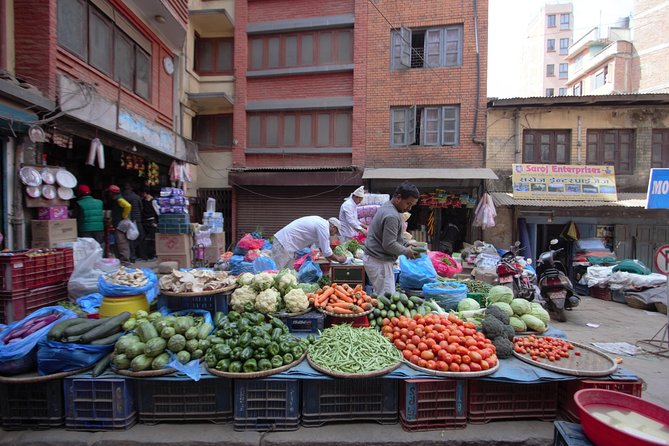
The first real phase happens at the local market. You and your host family go together to shop for groceries and spices, choosing ingredients as you go. This is where the experience stops being just a recipe lesson and turns into a food education.
You’ll learn what spices do in Nepalese cooking and how they work in combination. The class focuses heavily on flavors like turmeric, cumin, ginger, and garlic—the kind of everyday spices you’ll find across Nepal, but each one has a specific job. Turmeric brings warmth and color. Cumin adds a nutty, earthy backbone. Ginger and garlic bring sharpness and depth that help balance lentils and vegetables.
One of the best ways to use this market part is to treat it like an ingredients scavenger hunt, not a shopping trip. Ask what’s used most often in their kitchen. Notice which spices are bought in small piles and which are treated like staples. Those small observations help you later when you try to recreate the dish at home and wonder why yours tastes different.
Also, expect real life here. Markets can be busy, and you may be walking while making decisions. Wear comfortable shoes and keep your phone handy for photos if your hosts are okay with it.
Back at the House: Cooking Dal Bhat With an English-Speaking Family
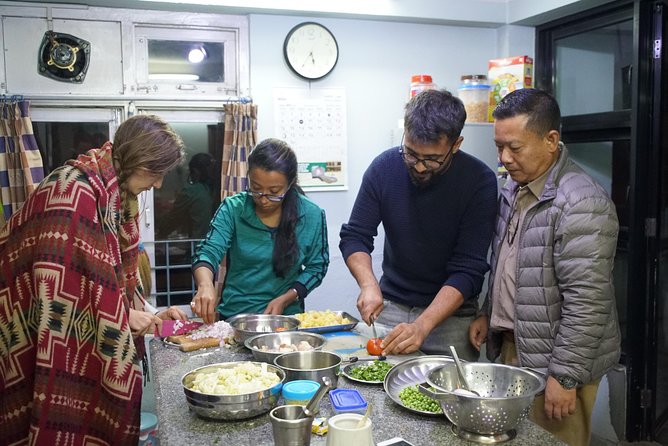
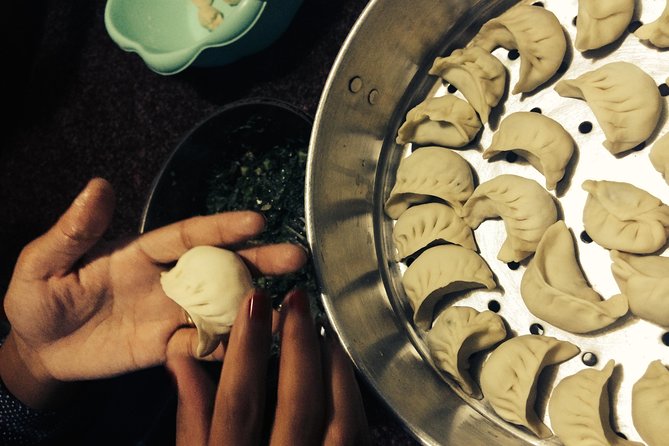
Dal bhat is the star of the class, and the recipe is described as easy to follow. You’ll cut vegetables and mix them with an assortment of spices so the flavors build as you cook. This matters because it’s not a stunt dish. It’s something you can actually understand and practice later.
What makes this cooking part work well is the combination of instruction and context. You’re not only learning steps; you’re learning the logic behind them—why a spice goes in earlier or later, and how the mix changes the taste of the lentils and vegetables. Even if you don’t measure anything exactly, you’ll pick up the rhythm.
Because the host family is English-speaking, you should be able to get clear answers instead of guessing. That’s a big deal in a food class, where one skipped explanation can lead to a bland result at home. The private group size helps too; it’s easier to get one-on-one attention when questions pop up.
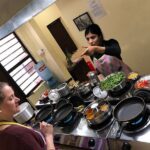
You’ll also get a look at day-to-day home life while you cook. That part is often what turns a simple cooking class into something memorable. You’re not in a restaurant kitchen with polished surfaces and a tight script. You’re in a real kitchen, seeing how meals fit into the household flow.
A quick practical note on pacing
You’re cooking and then eating dinner. Keep your appetite in mind and don’t plan a big snack right before pickup. This is the kind of class where hunger makes the lessons stick.
Dinner Time: Eating What You Made in Their Home
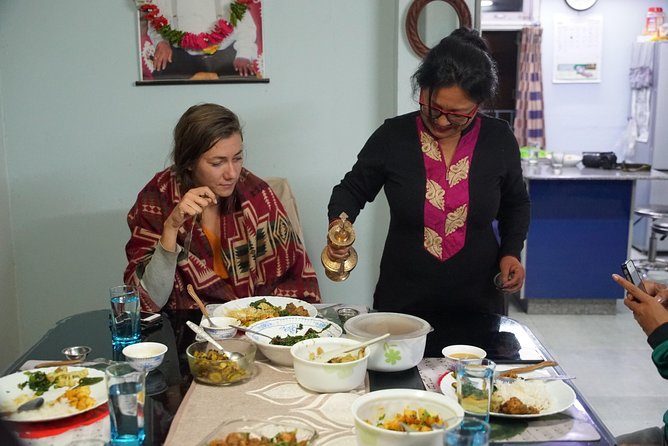
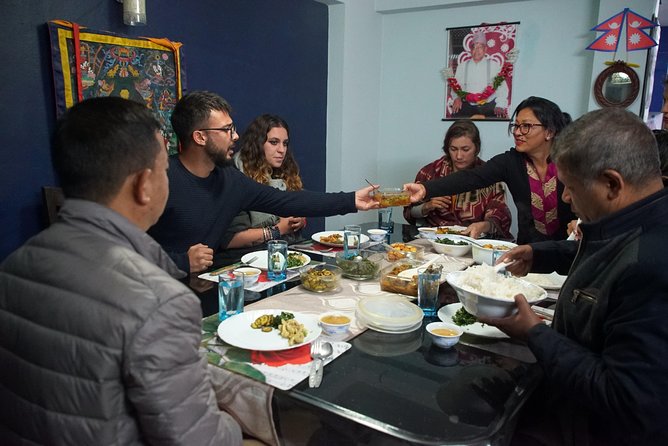
After shopping and cooking, you’ll enjoy dinner as part of the experience. Dinner is included, and it’s not just a plate of food handed over quickly. You’re eating in the home setting, which changes the feel in a good way. You get to talk, ask questions, and see how the meal fits into family life.
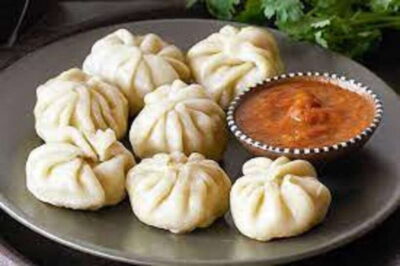
Dal bhat is described as the traditional meal in this class, so you can expect the experience to center on that familiar comfort-food style. It’s hearty, and it’s built for repetition. That’s why it’s such a smart choice for a cooking class: you can re-create it without needing expensive, hard-to-find ingredients.
One of the standout moments from the highly praised experience is the warmth. The host family is repeatedly described as welcoming, friendly, and fun. In one case, the home was in Patan, which tells you that you may travel a bit from central Kathmandu depending on where your hosts live. Either way, the promise is consistent: you’ll be invited into a home and treated as more than a customer.
If you’re nervous about cultural comfort or conversation, don’t be. This setup is built for cross-cultural connection, and the English-speaking host family helps keep things flowing.

What You’ll Take Home: Skills That Go Beyond One Recipe
The big value here isn’t just the food you eat that night. It’s the cooking skill you can repeat later. The class is structured so the recipe feels approachable: cut vegetables, mix with key spices, and follow the steps toward a finished dal bhat.
But the practical takeaway is the way you learn to think about spices as tools, not just flavors. Once you’ve seen how turmeric, cumin, ginger, and garlic behave together in this dish, you start recognizing those roles in other Nepalese cooking you might try afterward.
You’ll also learn how locals shop and choose ingredients. That market portion makes your ingredient list more realistic. Instead of trying to match an online photo, you’ll understand which ingredients matter most and which substitutions might still work.
And because it’s done in a home setting, you get exposure to everyday habits: how meals are planned, how kitchen time fits into household time, and how food is shared. Those are soft skills, but they change how you cook back home. You stop chasing perfection and start aiming for comfort and flavor balance.
If you like learning by doing, this is a strong match. If you prefer to watch quietly and never get hands-on, it might feel a bit too active—but the format is built around participation.
Price and Value: $45 for Dinner, Transport, and a Small Group
At $45 per person, this class is priced like an experience, not a quick snack tour. The value comes from what’s bundled in: dinner, spice shopping, an English-speaking host family, and private transportation with hotel pickup.
A lot of food tours nickel-and-dime you for transport or skip the actual meal-making part. Here, dinner is included, and you’re cooking real food, not just tasting. Private transportation also reduces stress in Kathmandu, where getting from point A to point B can be its own adventure.
The small group size (up to 4) is the quiet upgrade. You get more attention and more time to ask questions, which often makes a lesson stick better. For a class-style activity, that’s worth something.
Also, you’re starting at 3:00 pm and going about 5 hours, so you’re buying a half-day experience with a complete arc: market → cooking → dinner in a home.
If you’re comparing options, this is the kind of deal that makes sense when you want more than a meal. You want a skill you can repeat, plus a human story attached to it.
Timing, Weather, and Simple Tips for a Smooth 5 Hours
This activity needs good weather. If conditions are poor, it can be canceled and you’ll be offered a different date or a full refund. Because it’s weather-dependent, avoid stacking it with another fragile plan later the same day unless you have flexibility.
The experience starts at 3:00 pm, so plan your day accordingly:
- Eat a light lunch if you get hungry fast
- Wear comfortable shoes for the market portion
- Bring an appetite for dal bhat and a willingness to follow directions
You’ll also need to be okay with being in someone’s home environment. Dress modestly as a sign of respect, especially when you’re walking from cooking to dining areas.
The tour offers a mobile ticket, and confirmation happens at booking. The meeting point is easy to find on Lal Durbar Marg, and the start/end location is the same, so you’re not stuck trying to navigate after the meal.
Private transportation is included, which helps if you want a smoother day without figuring out routes.
Who Should Book This Cooking Class in Kathmandu
I’d book this if you want:
- A hands-on food experience rather than a viewing-only tour
- A chance to understand Nepali flavors through spices you can name
- A warmer, more personal interaction than a restaurant class
It also fits well if you’re traveling as a small group or solo and you value conversation. The maximum of 4 travelers means you won’t feel like a number.
If you’re short on time, though, it may be a harder fit. It takes about 5 hours starting at 3:00 pm, so you need part of your afternoon available.
If you’re a strict “I only want big-ticket sights” traveler, this isn’t that. This is for people who love food, culture, and learning by doing.
Should You Book Cook and Dine With a Local Family?
If you want a real Kathmandu home-food experience that teaches you something you can repeat, this is a yes for me. The combination of market spice shopping, dal bhat cooking, and dinner in the host home is a strong package for the price. Add the English-speaking host family and the tiny group size, and you get an experience that feels personal without feeling complicated.
One last check before you book: make sure you can be flexible if weather forces a change. If your schedule is tight and weather is unpredictable, consider building a backup option.
Also, if you’re excited to cook, ask questions, and eat what you made, you’ll likely leave happier than someone who just wanted photos and a quick tasting.
With a 4.9 rating across 7 bookings, the main message is consistent: people feel genuinely welcomed, have fun in the kitchen, and go home with flavors they actually understand.
FAQ
What time does the cooking class start?
It starts at 3:00 pm from the meeting point at Royal Mountain Travel on Lal Durbar Marg in Kathmandu.
How long is the experience?
The duration is about 5 hours.
Does the tour include pickup and transportation?
Yes. Pickup is offered, and the tour includes private transportation.
Is dinner included?
Yes. Dinner is included.
Do I cook anything, or is it just watching?
You cook as part of the class. You’ll learn and follow the steps to make dal bhat, including cutting vegetables and mixing them with spices.
Does the experience include shopping for ingredients?
Yes. You’ll do spice shopping at a local market with your host family before cooking.
How many people are in the group?
This activity has a maximum of 4 travelers.
What if the weather is bad?
This experience requires good weather. If it’s canceled due to poor weather, you’ll be offered a different date or a full refund.