REVIEW · KATHMANDU
From Kathmandu: 5-Day Gosaikunda Lake Trek
Book on GetYourGuide →Operated by Cordial Trek Pvt. Ltd. · Bookable on GetYourGuide
Five days to chase Himalayan water. This short trek to sacred Gosaikunda Lake turns a long mountain ride into a real adventure, with loaned cold-weather hiking gear and a licensed guide who knows how to keep the group moving and talking. The one real consideration: you’ll reach 4,380m, so altitude management matters more than fitness hype.
I like that the plan is tight and clear: Kathmandu to Dhunche by bus, then day-by-day climbing toward Laurebina and the lake. You also get a small group (up to 14), which usually means a quieter feel on the trail and an easier time asking questions. If you’re expecting an easy stroll, adjust your mindset—this route has steep moments even though it’s short.
Why I think this trek is a strong value: you’re not just buying a path, you’re buying organization. Permits (including TIMS) and the practical stuff—like water purification tablets and a first-aid kit—are included, plus the guides bring local context about Langtang National Park and the culture around these sacred waters.
In This Review
- Key Things to Know Before You Go
- Why Gosaikunda Lake Feels Worth the Climb
- The Big Picture Route: Kathmandu to Dhunche, Then Up to Laurebina
- Day 1: Kathmandu to Dhunche, Then a Start-Up Climb to Deurali
- Day 2: Chandanbari to Laurebina (Steeper Than You Think)
- Day 3: Laurebina to Gosaikunda (4380m) and the Small-Lake Circuit
- Day 4: Laurebina Back Down Toward Dhunche Through Rhododendron, Pine, and Bamboo
- Day 5: Dhunche to Kathmandu by Bus (And a Proper Reset)
- Guide Quality, Group Size, and Why Small Groups Matter Here
- Comfort and Gear: What’s Loaned vs. What You Must Bring
- Permits, Water Safety, and the Little Things That Prevent Big Problems
- Price and Value: Is $179 Enough to Justify It?
- Who This Trek Fits Best (And Who Should Rethink It)
- FAQ
- FAQ
- What’s the highest altitude on the trek?
- How long is the trek from start to finish?
- Are meals included, or do I need to pay separately?
- What permits are covered?
- Does the tour include trekking gear?
- What do I need to bring for the trek?
- Do I need travel insurance?
- Which languages is the guide available in?
- Should You Book the 5-Day Gosaikunda Lake Trek?
Key Things to Know Before You Go
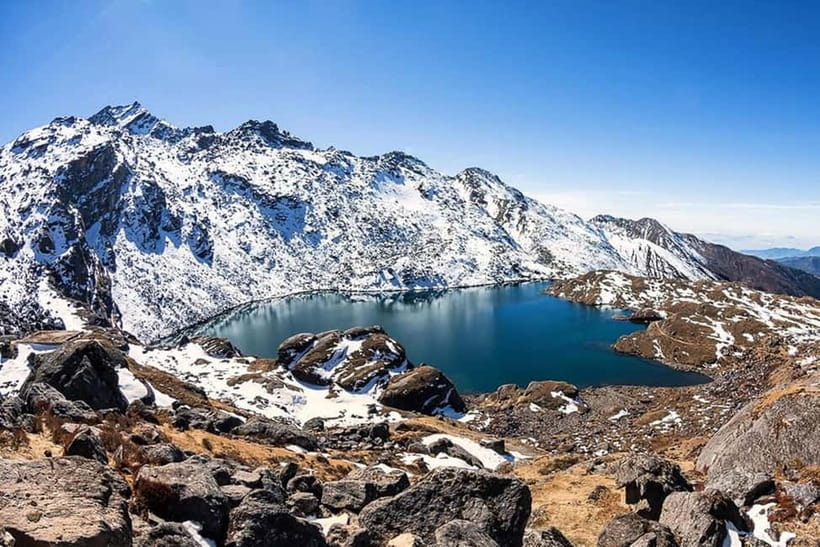
- Gosaikunda at 4,380m is the centerpiece, with the lake melting to feed the Trishuli River.
- Small group pace (limited to 14) makes it easier to stay together and get real guide attention.
- Loaned gear helps a lot if you don’t own a down jacket, sleeping bag, or trekking poles.
- Langtang National Park forests show up in the descent, with rhododendron, pine, and bamboo.
- Multiple lakes on Day 3 include Bhairav Kunda, Chandra Kunda, and Saraswati Kunda.
- You’ll ride a long mountain road on Day 1 and Day 5, so bring patience for traffic and curves.
Why Gosaikunda Lake Feels Worth the Climb
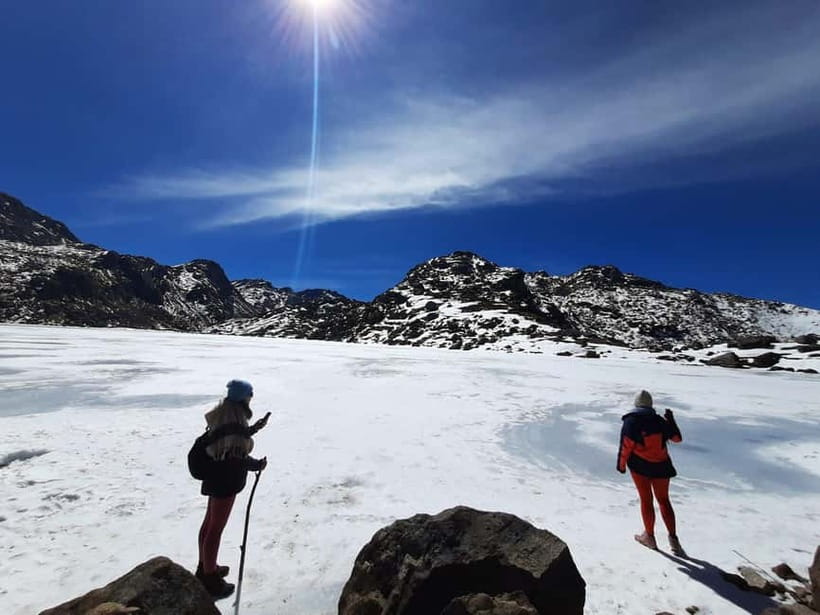
Gosaikunda isn’t just scenic. It’s sacred, glacial, and tied to the water cycle of this whole region. The lake sits at 4,380m, and in winter it stays frozen, then melts later to feed the Trishuli River. That matters because you’re not hiking to a random viewpoint. You’re walking to a place with a meaning tied to water, season, and survival in the high Himalaya.
You also get the kind of payoff that short treks rarely deliver: a real alpine feel at altitude. On Day 3 you’ll go beyond the main lake and spend time around nearby pools such as Bhairav Kunda, Chandra Kunda, and Saraswati Kunda. Even when visibility isn’t perfect, the high, quiet setting has its own power.
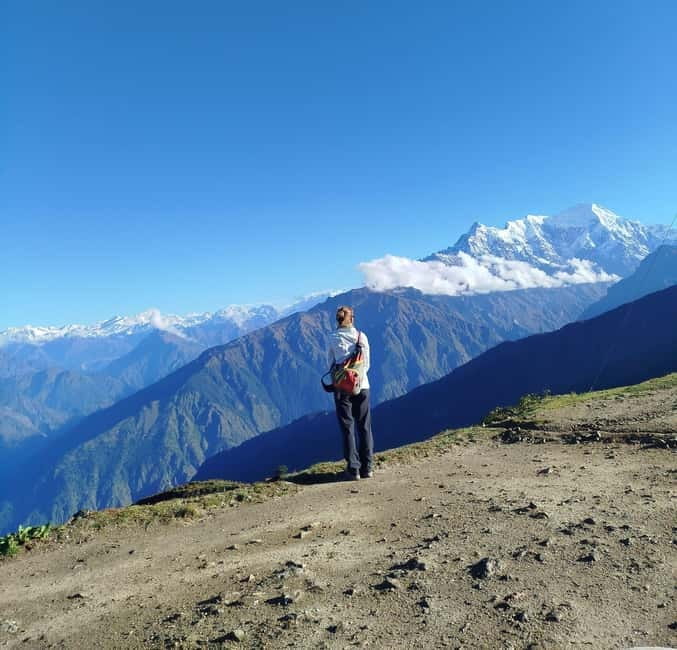
The “best enjoyed when skies are predominantly clear” note is not marketing fluff. For this route, your best views of the Langtang range and central Himalayas come down to weather. If you go on a misty week, the trek still works—but the spectacle will be muted.
You can also read our reviews of more hiking tours in Kathmandu
The Big Picture Route: Kathmandu to Dhunche, Then Up to Laurebina
This is a classic short-trek rhythm: ride first, hike second. You start in Kathmandu and head to Dhunche, the gateway town for this part of Langtang. Expect a drive that can take about 5–6 hours because it’s a mountain road with lots of turns.
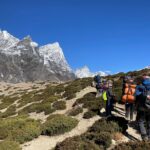
Then it’s hike day after hike day, with a steady push upward:
- Day 1 is a warm-up climb to Deurali.
- Day 2 continues uphill via Chandanbari toward Laurebina.
- Day 3 hits the high point and the sacred lakes.
- Day 4 turns the legs over for a long, forest-heavy descent.
- Day 5 is back to Kathmandu after breakfast.
What makes this route feel manageable is the way the days are shaped. You’re not repeatedly doing huge elevation jumps. You’re doing a gradual climb to set up the high day, then descending with time to soak in forests and river crossings.
Day 1: Kathmandu to Dhunche, Then a Start-Up Climb to Deurali
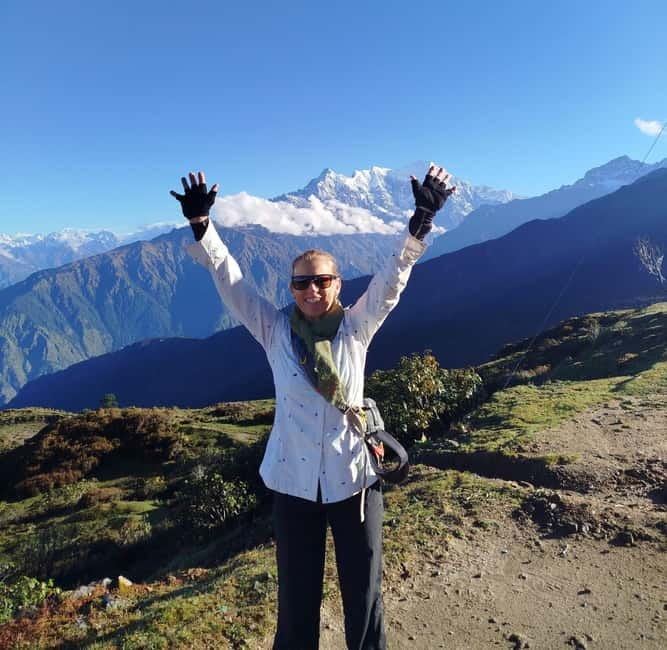
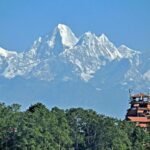
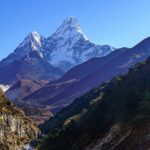
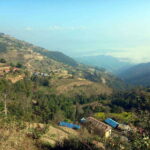
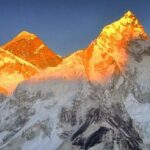
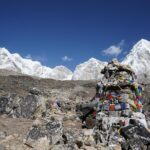
On Day 1, you get picked up from your hotel and driven toward Dhunche. The mountain views start immediately—lush green hills, terraced fields, and snow-capped peaks like Manaslu, Ganesh, and Langtang on clear stretches. It’s one of those days where the road feels like part of the tour, not just transportation.
After a short stop in Dhunche, you hike for about two hours toward Deurali (around 2,790m). This is a good “wake-up” walk. You’ll feel the altitude a bit, but it’s not a crushing day. The goal is to get you to a guest house in Deurali for the night and let your body start adjusting.
Practical take: if you’re the type who goes too fast early, keep it under control. Day 3 is the big altitude day, and you want your legs and breathing to stay calm from the start.
Day 2: Chandanbari to Laurebina (Steeper Than You Think)
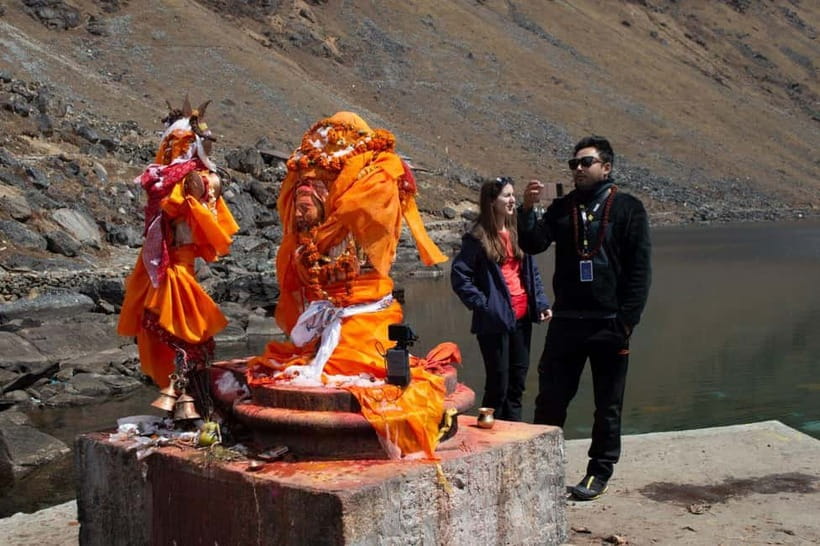
Day 2 begins with breakfast and a guide briefing. Then you start hiking toward Laurebina via Chandanbari. This is described as an ascend with a steep path. That word matters: you’ll likely feel this more than Day 1, even though it’s still short compared to many treks.
You’ll end the day at a guest house in Laurebina (around 3,910m). This is also where mental pacing pays off. Short treks can fool you because they’re only five days. But the high-altitude effort adds up fast when the trail turns steep.
If you want to feel good on Day 3, use a steady rhythm here:
- keep your pace conversational
- take breaks before you feel wiped out
- drink water consistently (don’t save it all for later)
The prize at the end of Day 2 is the body setup for the lake day.
Day 3: Laurebina to Gosaikunda (4380m) and the Small-Lake Circuit
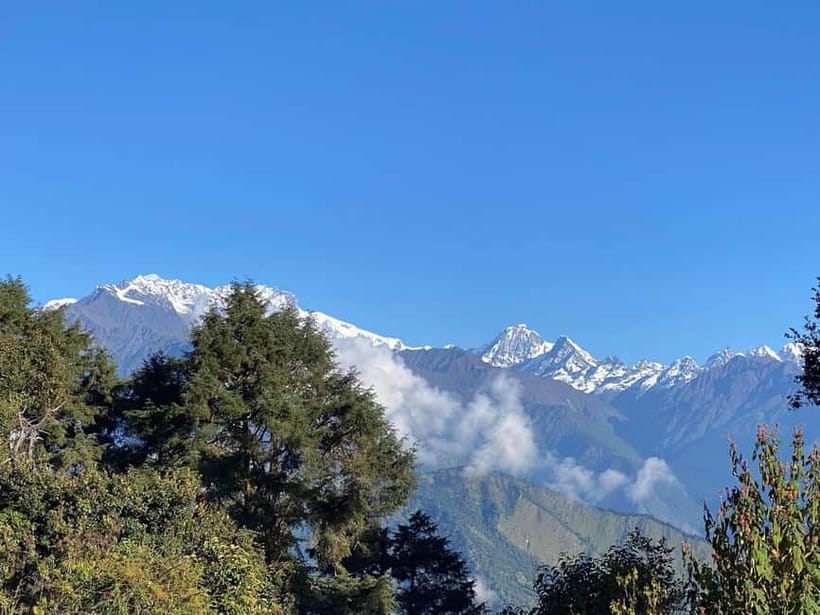
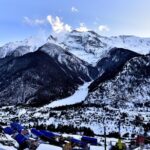
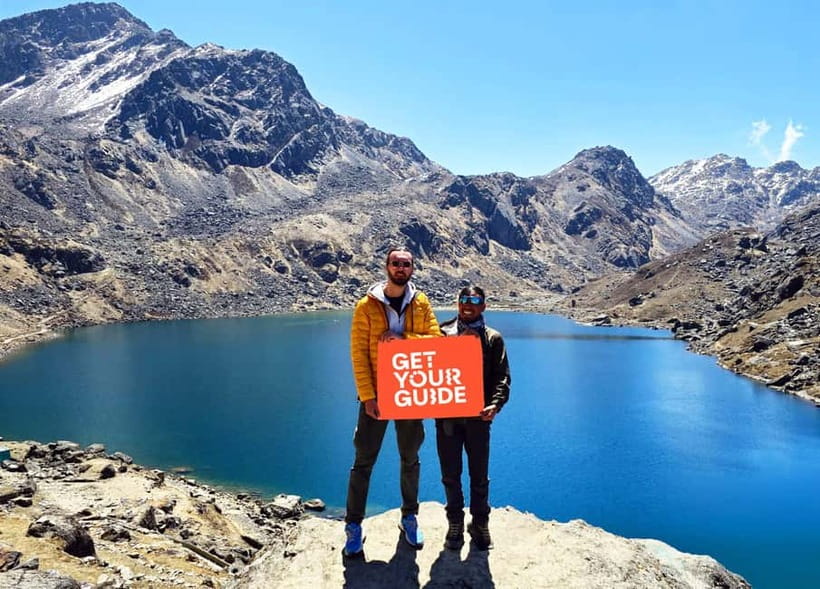
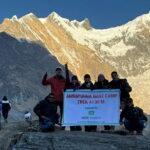
This is the day you came for. After breakfast, you hike toward Gosainkunda (Gosaikunda) in Langtang National Park. The lake sits at 4,380m, and the setting shifts into a high-alpine world—colder, quieter, and more demanding on your breathing.
You’ll also explore other lakes in the region, including:
- Bhairav Kunda
- Chandra Kunda
- Saraswati Kunda
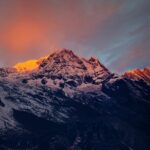
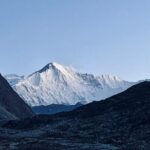
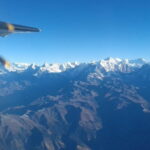
The views behind the lakes focus on the Langtang range. When the sky is clear, this is the kind of central Himalayan sight that stays with you. When it’s not, the experience still has meaning: it’s the feeling of reaching a sacred water source where the seasons are written into the ice and melt.
Then in the afternoon, you hike back to Laurebina for the night. That means you’re not just going up—you’re also doing a high-altitude return. Expect the descent back to camp to feel easier on the knees than on the breath.
A note on guide value here: in the provided experiences, guides like Ohm and Terence are praised for keeping energy up, sharing regional facts, and placing safety first. On a high day like this, those skills aren’t fluff—they help you move with confidence.
You can also read our reviews of more tours and experiences in Kathmandu
Day 4: Laurebina Back Down Toward Dhunche Through Rhododendron, Pine, and Bamboo
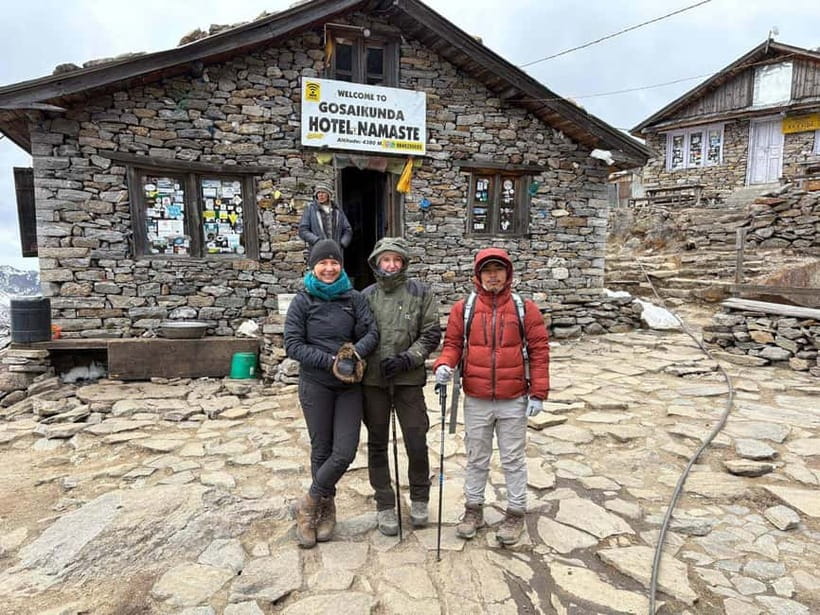
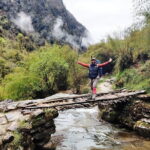
Day 4 is a reward day in disguise. Yes, you’re going downhill, but the trail also gives you variety and color. The route descends gradually through rhododendrons, pine, and bamboo forests, then continues past more dense forest.
You’ll also cross a river as you drop toward Deurali, and then keep going down to Dhunche for the night halt. This is where the trek turns from altitude quest into nature immersion—without needing to pretend it’s a resort. You’ll get cooler air, more birds and forest movement, and a better sense of how Langtang National Park changes with elevation.
Practical advice: downhill can still be tough. Use short steps, plant your foot carefully, and keep an eye on your speed. Your legs can get angry even when you’re grateful you’re not climbing.
Day 5: Dhunche to Kathmandu by Bus (And a Proper Reset)
After breakfast, you drive back to Kathmandu. The transfer takes you from the trek region down to Kathmandu’s lower elevation (around 1,350m). The day is basically a scenic reset: sit, hydrate, and let your body loosen up.
This is a good final day because it gives you a clean finish. You’re not trading energy for more peaks. You’re returning with enough time to plan a meal, a shower, and a calm night in the city.
Guide Quality, Group Size, and Why Small Groups Matter Here
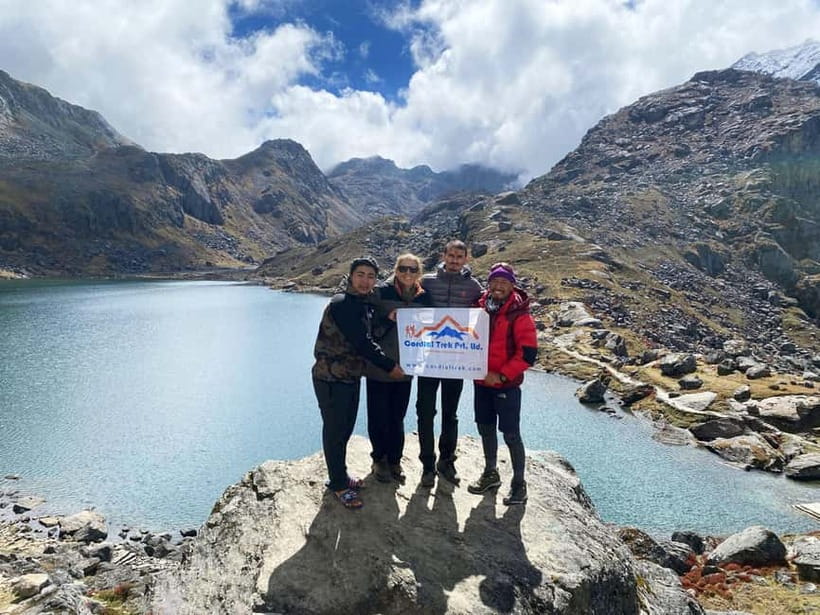
The tour runs with a licensed trek guide and a small group limited to 14 participants. I like this because on a trek, crowd pressure is real. With fewer people, you tend to get:
- clearer trail coordination
- more chances to ask questions
- a more even pace
In the experiences you shared, guides like Raj are described as informative and communicative about plans ahead. Terence is singled out for region knowledge and being accommodating while also keeping safety at the front. Ohm stands out for keeping people engaged with interesting facts and even fun videography moments, plus an upbeat attitude.
That guide energy matters on a short trek. You don’t have days to wait for momentum—you need a guide who can maintain calm focus during steep sections and still make the ride feel human.
Language support is also solid on paper: English, Hindi, and Icelandic are offered. If you’re deciding based on comfort communicating, that’s a plus.
Comfort and Gear: What’s Loaned vs. What You Must Bring
One smart part of this trip is the included gear support. You can borrow necessary equipment such as:
- a down jacket
- a sleeping bag
- trekking poles
If you’re traveling light or don’t own cold-weather gear, this reduces friction and cost. A warm sleeping bag and a real jacket can also change how you feel at night, which affects your next morning’s energy.
You still need to bring essentials listed for the trek:
- passport
- camera
- cash
I’d also plan on buying or carrying basic personal hiking comfort items that aren’t listed (like water capacity and sun protection), but the tour essentials clearly focus on passport and money for personal needs.
Guest houses are included for 4 nights. The exact room setup isn’t spelled out in the core facts, but one of the shared experiences highlights the comfort of having private rooms. In any case, guest houses in this region can be simple, so arrive expecting practical comfort rather than hotel luxury.
Also: alcohol and drugs are not allowed, baby carriages are not allowed, and bare feet are not allowed. That’s a reminder to pack like a hiker, not like a tourist with flip-flops.
Permits, Water Safety, and the Little Things That Prevent Big Problems
For a trek in Nepal, permits are not optional, and this one includes the necessary trek permits plus a TIMS card. Processing documents matters because you’ll be asked for a passport copy and a recent passport-sized photo at least one day in advance. If you’re the type who likes to book and forget, don’t do that here—get your paperwork ready early.
Water is another real concern at altitude. The tour includes water purification tablets (as required). That’s a big value because it reduces the need to figure out water treatment on the fly.
First aid is included if needed, and a company t-shirt is part of the package. The t-shirt won’t save your day on a steep path, but the broader point is that the company is set up for the normal trek needs: permits, guidance, basic medical support, and practical supplies.
Price and Value: Is $179 Enough to Justify It?
At $179 per person for five days, you’re getting more than a route. You’re paying for transportation (bus KTM–Dhunche–KTM), an experienced and licensed guide, 4-night accommodation at mountain guest houses, and full-board meals under the inclusive option.
The included meal set is specific: 4 breakfasts, 5 lunches, and 4 dinners. If you choose the budget meals option, meals aren’t included, so your total cost could rise depending on what you eat and where you buy it.
Here’s how I’d judge the value:
- Included gear loans can save you money if you don’t already own a down jacket, sleeping bag, and poles.
- Permits and TIMS remove a common hassle.
- Small-group size and guide time are part of the price, not an add-on.
Where costs can creep up:
- personal expenses are not included
- travel insurance isn’t included (it’s recommended)
- porter is available as an add-on option
If you’re price-sensitive but you also want less hassle, this package lines up well. If you already own top gear and you’re comfortable arranging permits, you might find cheaper self-guided options. But for most people, paying for organization is the smart move.
Who This Trek Fits Best (And Who Should Rethink It)
This trek is designed for travelers who want a short but intense adventure from Kathmandu. It’s not presented as a stroll, and the altitude confirms that.
It’s likely a great fit if:
- you want a focused, 5-day itinerary with a clear goal
- you don’t want to manage permits and logistics alone
- you appreciate guided context about Langtang National Park and local culture
- you want the chance to see multiple lakes near Gosaikunda
It’s not suitable for:
- children under 10
- people with mobility impairments
- people over 309 lbs (140 kg)
If you’re worried about altitude, be honest with yourself. This is a short trek, but the altitude push to 4,380m is still a serious factor.
FAQ
FAQ
What’s the highest altitude on the trek?
The maximum altitude is about 4,380m at Gosaikunda.
How long is the trek from start to finish?
The full experience runs for 5 days.
Are meals included, or do I need to pay separately?
The package includes full board meals under the inclusive option (4 breakfasts, 5 lunches, 4 dinners). A budget option is also mentioned where meals are not included.
What permits are covered?
Necessary trek permits and a TIMS card are included.
Does the tour include trekking gear?
Yes. You can borrow a down jacket, sleeping bag, and trekking poles.
What do I need to bring for the trek?
You should bring your passport, camera, and cash.
Do I need travel insurance?
Travel insurance is recommended and not included.
Which languages is the guide available in?
The live trek guide is available in English, Hindi, and Icelandic.
Should You Book the 5-Day Gosaikunda Lake Trek?
If you want a short trek that still feels like a real Himalayan mission—Gosaikunda at 4,380m, Langtang National Park forests, and a guided experience that handles permits and practical details—this is a strong choice.
I’d only hesitate if you know you struggle with altitude or if your pace can’t handle a steep Day 2 and a high Day 3. If you’re flexible and want value (gear loans, permits, water treatment, and a small group), then booking makes sense.