REVIEW · KATHMANDU
Annapurna base camp trek 5 Days
Book on Viator →Operated by Alpine Ramble Treks · Bookable on Viator
Five days into Nepal’s high country, you’ll feel it. This short Annapurna Base Camp trek is built around heavy views and easy logistics, starting with a smooth drive to Pokhara Lakeside and then moving step-by-step through the Annapurna Range. I like that the trip includes the key “get there” pieces—airport pickup and the tourist bus—so you can focus on the trail. I also like the way the route keeps teasing you with big-name mountains, especially Machhapuchare (Fish Tail) sightings and sunrise moments on the way back.
One real drawback to plan for: water handling. Even though the trip is set up with trekking support, I’d still carry your own water purification tablets as a backup, because there have been cases where they were missing and it turned into an awkward scramble.
In This Review
- Key things I’d watch on this trek
- What you’re really paying for on a $699 Annapurna Base Camp trek
- Day 1 in Pokhara: the long drive that helps you mentally switch modes
- Day 2: Birethati entry point, then toward Chhomrong Cottage
- Day 3: Upper Sinuwa and that White Mountain sunrise tease
- Day 4: Reaching Annapurna Base Camp and chasing Machhapuchare moments
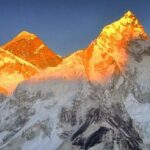
- Day 5: Sun rising over Machhapuchare and Annapurna (and then you turn back)
- Day 6: From steep trails to Jhinu hot spring and back to Pokhara
- Tea house rhythm: meals, lodges, and what it means for your comfort
- Altitude and pacing: the short trek reality check
- Water purification and the guide checklist that can save your day
- When this Annapurna Base Camp trek fits you best
- Should you book this Annapurna Base Camp trek?
- FAQ
- How long is the Annapurna Base Camp trek with this package?
- What’s included for my trek permits and meals?
- Do I get help with airport transfers and getting to Pokhara?
- Is a guide included, and will they speak English?
- Are trekking lodges and gear included?
- How many travelers are in the group?
Key things I’d watch on this trek
- Airport pickup + tourist bus to Pokhara saves you from Nepal logistics stress.
- Permits, meals, and guide are bundled, so you’re not constantly figuring out paperwork on the fly.
- Gear support includes a down jacket and sleeping bag, which matters when nights get cold.
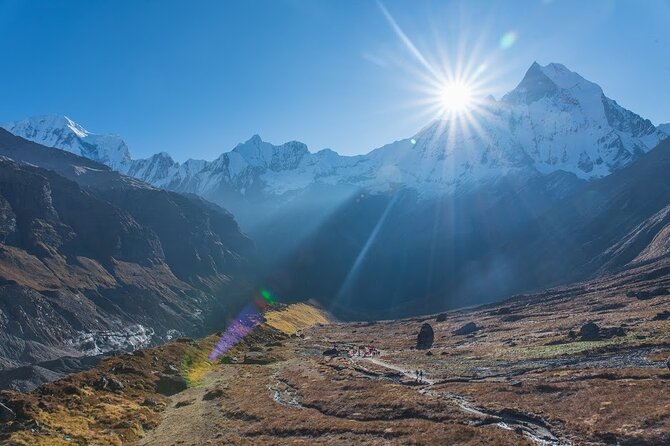
- Machhapuchare and Annapurna sunrise are built into the walking schedule on the upper trail days.
- Maximum 12 travelers keeps the group feel manageable on narrow footpaths.
- Water purification should be treated as your responsibility, not something you assume will always be available.
What you’re really paying for on a $699 Annapurna Base Camp trek
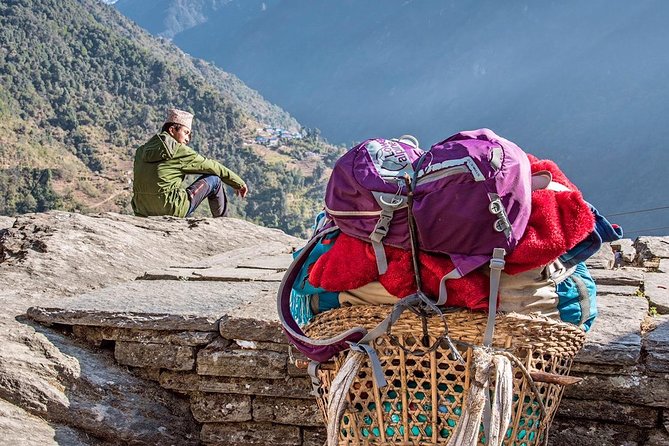
At $699 per person, this trek is aiming at “short, classic, and organized.” You’re not just buying hiking days. You’re paying for a bundle: private transportation, airport transfers, trekking permits, a local English-speaking guide, and tea house logistics (lodges plus meals). The value comes from having fewer loose ends while you’re busy adjusting to altitude and cold mornings.
The practical win is that you don’t have to source basics right before the trek. The included down jacket and sleeping bag can be a big savings if you don’t already own cold-weather gear. You also get trekking support items like insurance/equipment/food coverage and the guide’s salary and equipment, which usually means the company is handling more behind-the-scenes costs than a bare-bones trekking option.
Another small-but-real value add: this trip includes a certificate of achievement and a farewell dinner. Those are not the reason to come to Nepal, but they do make the whole thing feel like a complete package rather than a ticket to a trail.
You can also read our reviews of more hiking tours in Kathmandu
Day 1 in Pokhara: the long drive that helps you mentally switch modes
Your meeting time is listed as 6:45 am, and Day 1 is all about getting from Kathmandu to Pokhara Lakeside. You travel by tourist bus along the Prithvi Highway, and the ride is about 7 hours. That’s a lot of sitting, but it’s also useful: once you reach Pokhara, you’re in the “this is real now” zone for the mountains.
After you arrive, you’ll spend time around the lakeside area, visiting a tourist-focused section of town. This matters because it gives you a chance to get warm, eat normally, and get your bearings before the trekking rhythm starts. If you’ve got any last-minute needs (warm layers, snacks, a comfort item for the lodge nights), Pokhara is the place to handle it.
A drawback on Day 1 is simple fatigue. After a long drive, you may not want to wander far. Keep your evening easy so you don’t burn energy before the trek starts.
Day 2: Birethati entry point, then toward Chhomrong Cottage
Day 2 begins with breakfast at your hotel in Pokhara, then you drive toward Siwai by local jeep, taking about 2 hours. You also stop at Birethati, which is described as an entry point. From there, you continue into the trek area and overnight at Chhomrong Cottage.
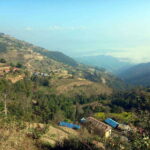
Why this day is worth paying attention to: it’s your first day of transition hiking. You’re not just going uphill in one straight line—you’re moving from road travel into a foot-trail world. The jeep portion reduces the amount of early walking, which can be helpful on a short 5-day-style itinerary.
The tradeoff is that you might feel like you’re “not trekking yet” while still working around changing transport schedules. Plan to stay flexible, especially if weather affects driving times.
Day 3: Upper Sinuwa and that White Mountain sunrise tease
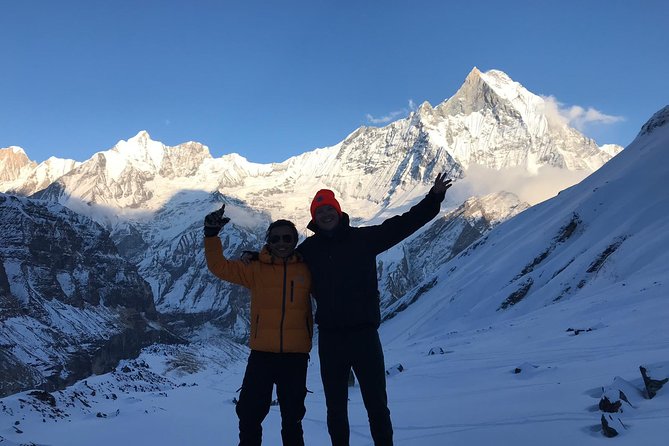
Day 3 is built for a classic mountain morning. You wake up with tea, and the schedule includes a sunrise view (weather dependent) from your lodge over the White Mountain. After breakfast, you’ll descend.
Your stop is Sinuwa hilltop lodge and restaurant (Upper Sinuwa). This is one of those days where the trek rhythm matters: you’re not rushing to tick boxes. You’re walking in time to enjoy the mountain moment, then moving on with your day.
One practical consideration: since sunrise depends on weather, don’t treat it like a guarantee. If clouds roll in, you’ll still get the lodge routine and the trek progress, but the big view might be muted.
Day 4: Reaching Annapurna Base Camp and chasing Machhapuchare moments
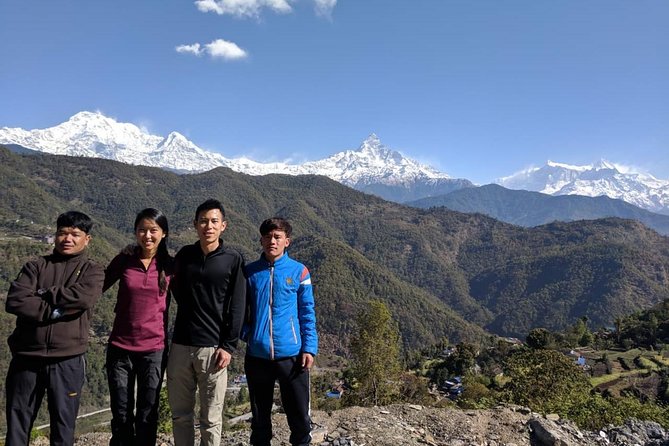
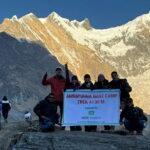
Day 4 is the flagship day: you start with breakfast and then head to Annapurna Base Camp on foot. The route frames it as a major achievement—Annapurna Base Camp is tied to the Annapurna Range and described here as reaching the 10th tallest mountain in the world (as referenced in the tour material). You’ll hike through a mix of forests on the approach—rhododendron, bamboo, and oak forests are part of what this trek is known for.
This is also the day where you really feel what a “short route” means. You’ll likely be working uphill for enough hours to feel it in your legs, but not so many that you disappear into weeks of trekking. That’s the appeal if you’re fit and want the Base Camp payoff without a long expedition.
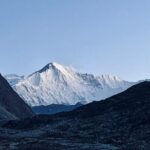
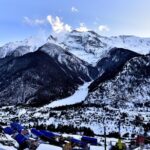
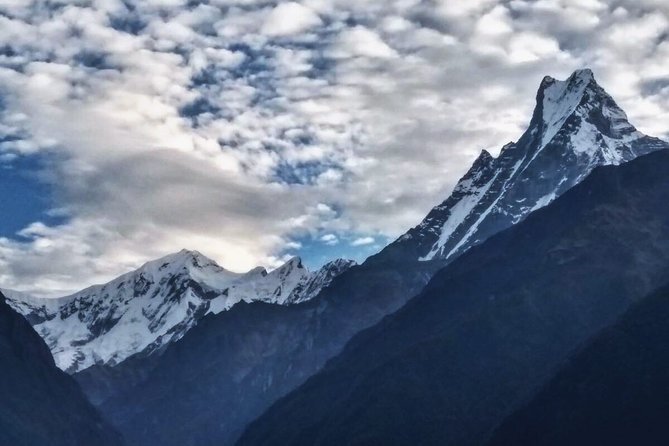
The tour highlights Machhapuchare (Fish Tail) as an iconic sight. Even when the mountain doesn’t show perfectly, you’ll usually get enough “orientation” on the trek to understand where you are in the range. The higher you go, the more the valleys start to look like stairs—and the clearer the big peaks become.
If you’re prone to feeling cold, this is the day to dress smart. The lodge-to-lodge setup helps, but you still need layers that handle wind and changing light.
You can also read our reviews of more tours and experiences in Kathmandu
Day 5: Sun rising over Machhapuchare and Annapurna (and then you turn back)
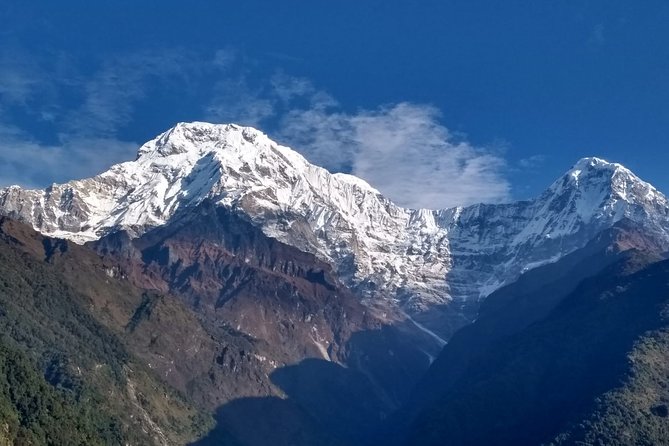
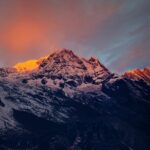
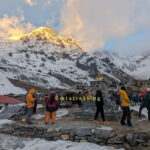
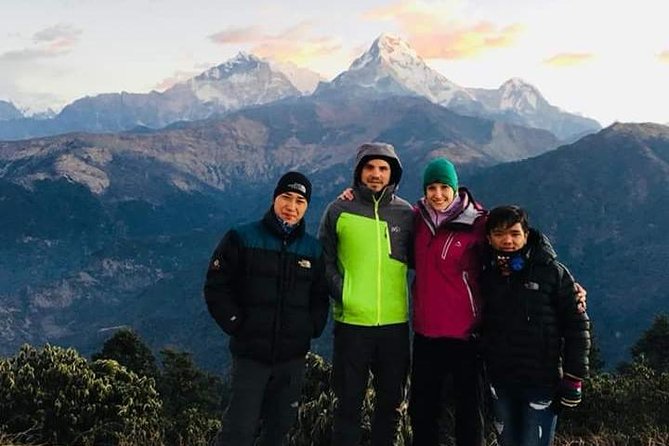
Day 5 has a big-mountain morning again. You walk up a bit to explore and catch the sun rising over Machhapuchare and Annapurna towering above you. Breakfast follows, then you keep moving on the route back.
Your stop is listed as Sinuwa hilltop lodge and restaurant (Upper Sinuwa) again, which suggests this is the day you enjoy the sunrise from an upper viewpoint before settling back into the lower-stage return. That’s a smart schedule for a short trek because it gives you one last “high payoff” day rather than rushing straight back after Base Camp.
This day can also feel mentally different. After the big goal of reaching Base Camp, the walk is about recovery and perspective. I like that this itinerary includes that pause for views, because it helps you enjoy the return trail instead of just surviving it.
Day 6: From steep trails to Jhinu hot spring and back to Pokhara
Day 6 is your “finish strong” day, and it includes the Jhinu hot spring stop. After breakfast, you follow the same trail until Chomrong, then the route describes a very steep descent to Jhinu. From Jinu dada, you trek down to Siwai (about 2 hours) and then take a local jeep back to Pokhara.
That steep descent is the main thing to respect. Your knees and ankles will feel it if you move too fast. Take smaller steps than you think you need. If you’ve ever wondered why people bring trekking poles, this is the kind of day where poles can matter—though the tour itself doesn’t mention them as included.
Once you’re back near Pokhara, the itinerary includes a stop at the Pokhara Museum. That’s a nice way to shift gears from the trail to a more relaxed last-day activity, and it’s also a helpful “stretch your legs without hiking” option.
Tea house rhythm: meals, lodges, and what it means for your comfort
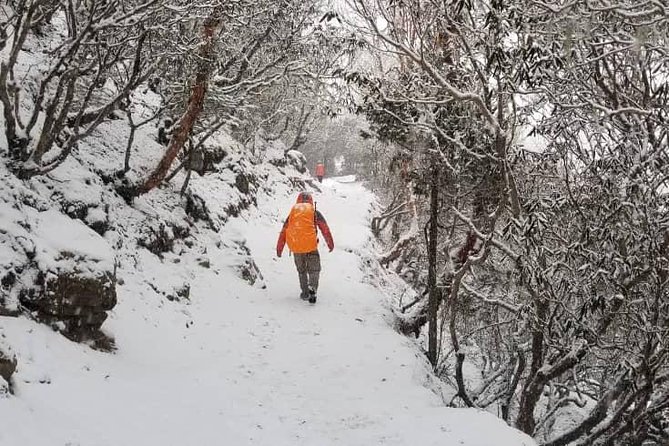
This trek uses tea house accommodation. That means you sleep in simple lodge rooms and eat meals on-site, usually without needing to carry a lot of cooking gear. In the included list, meals are covered for breakfast (5), lunch (5), and dinner (5), plus trekking lodges on the trek.
So you’re not spending energy planning meals while you’re adjusting to walking at altitude. It also helps that the tour includes permits and an English-speaking guide, because the guide can keep things smooth with lodge check-ins and meal times.
A comfort note: tea houses vary. You’ll want to assume basics only. The good part is that the tour includes a sleeping bag, and that matters because your comfort at night can make the next day easier. The included down jacket also helps a lot with lodge mornings and any time you’re standing still for views.
Altitude and pacing: the short trek reality check
This is marketed as an Annapurna Base Camp trek that feels like a 5-day trekking experience inside about 6 days total (because travel and return are built in). That’s attractive if you want the goal without an extended trek.
But short routes still bring altitude strain. The itinerary includes multiple overnight lodge days and sunrise mornings, which can push your schedule into early starts. I’d treat this as a moderate-fitness hike and move steadily. Don’t turn it into a speed contest. If you rush, you’ll pay for it later.
The biggest advantage of this format is that the support structure is tight: guide, permits, and lodges handled. Still, you’re the one controlling your pace and your hydration habits.
Water purification and the guide checklist that can save your day
Here’s my straightforward advice. Even if a trip seems set up to handle water safety, I’d pack your own water purification option anyway and keep it easy to access in your daypack. There are cases where the purification tablets were forgotten and the situation turned into paying for water rather than using the planned method. Nobody wants that hassle after a long hike.
Also, don’t wait until you’re halfway into the day to check basics. Ask early:
- Where will we refill?
- What purification method should I use?
- What’s the plan if weather changes?
This isn’t about distrust. It’s about making sure the day runs smoothly. The tour is described as having an English-speaking guide who handles arrangements, and the company touts small-group organization (maximum 12). When the basics line up, it’s a great experience. When they don’t, you’ll feel it quickly.
Finally: tips aren’t listed as included. So budget for guide/staff appreciation if you feel the service earned it.
When this Annapurna Base Camp trek fits you best
This trek is a strong match if you want:
- A classic Annapurna goal: Annapurna Base Camp.
- Mountain view payoffs connected to the route, including Machhapuchare (Fish Tail).
- An organized plan with fewer decisions day-to-day: transportation, lodges, and meals.
- A manageable group size: up to 12 travelers.
You’ll get the most out of it with moderate physical fitness and a willingness to walk uphill and handle steep descents at the end. If your biggest goal is comfort and stress-free planning, the included down jacket/sleeping bag, permits, and guide support are doing real work for you.
If you’re the type who likes total control over every variable, you might prefer a more independent approach. But for most people, this kind of structured short trek is the right balance of effort and payoff.
Should you book this Annapurna Base Camp trek?
I think this trip is worth considering if you want a well-packaged path to Annapurna Base Camp with transport from Kathmandu, guided tea house hiking, and lots of big-peak attention without a long multi-week commitment.
I’d book with one strong condition: go in prepared to own your water solution. Bring purification tablets or a backup method even if the package suggests support. Also, be ready for weather variability, since the experience is listed as requiring good weather (and can shift dates or refund if canceled due to poor conditions).
If that sounds like your style—organized logistics, short trek intensity, and mountain moments—you’ll likely feel satisfied with the value. If you hate any uncertainty around basics (water, planning clarity), then you may find the experience stressful unless you’re proactive from day one.
FAQ
How long is the Annapurna Base Camp trek with this package?
The experience is listed as about 6 days (approx.), even though it’s commonly described as a 5-day trek due to travel and return time included.
What’s included for my trek permits and meals?
Your trek includes trekking permits and meals while on the trek, with breakfast (5), lunch (5), and dinner (5) listed in the included items.
Do I get help with airport transfers and getting to Pokhara?
Yes. Airport pick and drop off are included, and the tourist bus to Pokhara is included as part of the ground transportation.
Is a guide included, and will they speak English?
Yes. The package includes a local English speaking friendly trekking guide/sherpa.
Are trekking lodges and gear included?
Tea house trekking lodges are included, and the package also includes a down jacket and sleeping bag.
How many travelers are in the group?
This tour/activity is listed with a maximum of 12 travelers.