REVIEW · KATHMANDU
Everest Base Camp Helicopter Tour
Book on Viator →Operated by Travel Pinto · Bookable on Viator
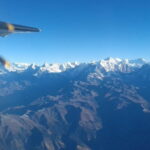
Everest shows up fast when you fly, not trek. This helicopter tour trades days of hiking for a tight, scenic circuit that includes multiple landing opportunities and a plan that helps you get window seats for the Everest Base Camp part. On top of that, the whole experience is built around making the views usable for photos and quick video clips, not just staring out a window.
I also like the way the route is structured: you’ll see the Base Camp area from the air, touch down when conditions allow, and then circle back with views of major peaks like Pumori, Lhotse, Nuptse, and Mount Everest. One thing to consider: this is a weather-dependent operation, and helipad conditions can affect whether you land at Everest Base Camp or Kalapatthar.
In This Review
- Key highlights I’d bet on
- What you’re really buying: an Everest flight with landings
- 7:15 am start, pickup included, and why the day still feels long
- Kathmandu to Lukla: the route that makes the trip practical
- Pheriche splitting plan: how they help you get window seats
- Base Camp or Kalapatthar: what you’ll see and what to film
- Syangboche Marg and Hotel Everest View breakfast stop
- Return flight to Kathmandu: Lukla or direct, based on fuel
- Price and value: $1,700, plus the fees that are easy to miss
- What to pack for cold air and quick stops
- Small group size and the human side of the experience
- Weather realities: what can change on the day
- Who should book this helicopter EBC tour
- Should you book? My honest take
- FAQ
- FAQ
- What time does the Everest Base Camp helicopter tour start?
- How long is the tour in total?
- How long is the helicopter flight time?
- What is included in the price?
- Is breakfast included?
- Are there extra fees I should budget for?
- Is there a weight limit?
- Do I need to bring my original passport?
- What happens if weather is bad?
Key highlights I’d bet on
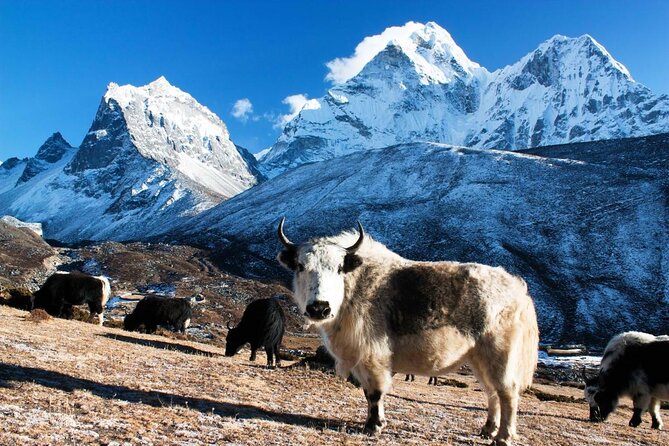
- Base Camp or Kalapatthar landing depending on helipad conditions
- Window-seat strategy using a group split near Pheriche for the Base Camp segment
- Real fuel-stop realism at Lukla (short stop, big part of the route logic)
- Syangboche Marg + Hotel Everest View stop for a (weather-dependent) set breakfast
- Small max group size (maximum 6 travelers) for a less chaotic feel
What you’re really buying: an Everest flight with landings
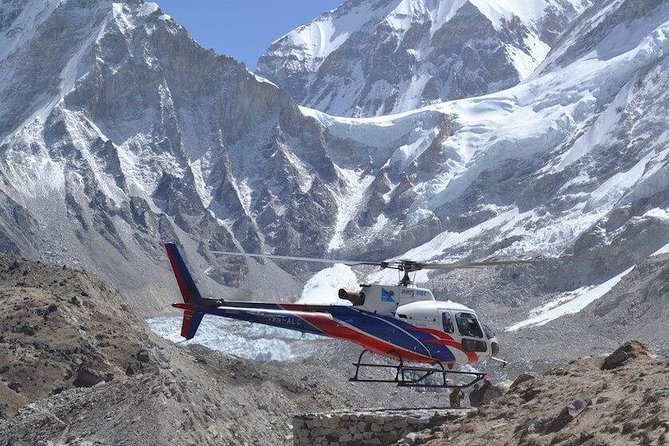
Let’s call it what it is: you’re paying for a once-in-a-lifetime Everest sighting with helicopter convenience. The flight time itself is brief (about 1 to 2 minutes per short hop as described), but the day is long enough to include pickup, navigation, fuel handling, and short stops at key points along the route.
The value here is not speed alone. It’s the mix of angles. You’ll get a flyover of the high viewpoint near the Base Camp area, and you’ll also have a chance to land on the ground when helipad conditions cooperate. That means you’re not only looking at Everest from inside a cockpit window; you’re also seeing the peaks and the immediate Base Camp region from the air and from a landing point.
And if you care about photos, this tour is designed for you. During the Base Camp segment, the route is set up so you can take videos and pictures when you have the clearest sight lines—especially with the named peaks called out in the itinerary.
You can also read our reviews of more tours and experiences in Kathmandu
7:15 am start, pickup included, and why the day still feels long
You’ll start early, with a 7:15 am start time. Pickup and drop-off are included, and you just share your hotel name and address so they can set your pickup window.
Even though the in-air time is short, you should expect the whole experience to take about 4 to 6 hours. Why? Because helicopters need fuel stops, and the aircraft route includes brief landings for dropping fuel and repositioning. So you’re not “at Everest” for the whole day—you’re moving through a carefully staged flight plan.
If you’re the kind of traveler who hates being rushed, this timing can feel oddly perfect. You’re not stuck for hours in a waiting room, but you also won’t be jolted into a sprint. You’ll spend your energy on the views and the experience, not on logistics that you have to solve yourself.
Kathmandu to Lukla: the route that makes the trip practical
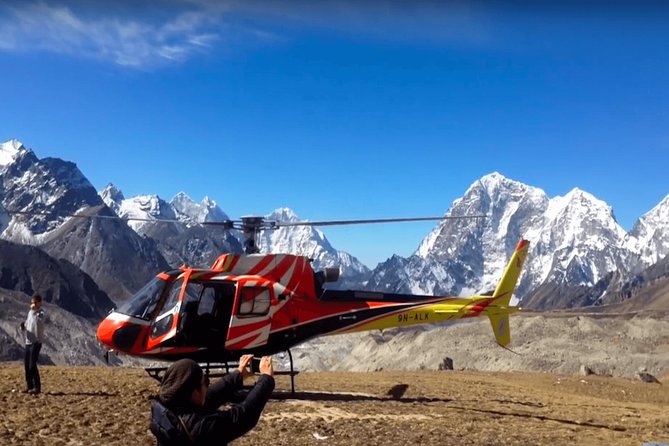
Your morning begins at Kathmandu airport. From there, the helicopter flies over the highest viewpoint of the Base Camp area and continues onward toward Lukla.
Then comes a short stop: Lukla is used for fuel purposes, with a quick touch down of about 10 minutes. This matters because Lukla is the airport that trekkers often use as their starting point for the Everest region. So even if you’re not trekking, you’re still getting a taste of how the mountain aviation chain works.
A smart detail: the itinerary also references a quick stop at Lukla to drop fuel. That’s why you shouldn’t plan to multitask too hard during the day. The schedule has real operational reasons behind it, not just timing theater.
Pheriche splitting plan: how they help you get window seats
One of the most interesting parts of this tour is the group split near Pheriche. If there are more than three passengers flying together, the plan is to fly part of the group first, then the rest. The goal is simple: window seats guaranteed for the Base Camp part only.
In practice, that means you’re more likely to have clear sight lines when the aircraft is positioned for the Base Camp views and landings. If you’ve ever been in a group flight where one side gets all the good angles, you’ll understand why this is a big deal.
It also gives you a better chance of getting your photos without spending every minute trying to lean, twist, and negotiate elbow space. Because on a helicopter, there’s not much room for comfort anyway.
Base Camp or Kalapatthar: what you’ll see and what to film
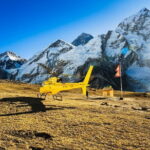
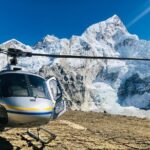
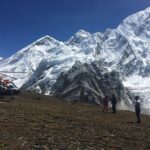
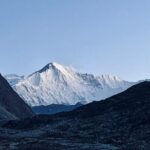
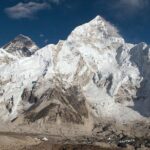
Here’s the core moment: after the route segments and the planned repositioning, you’ll enjoy the Base Camp experience with the best view of Mount Everest and surrounding peaks.
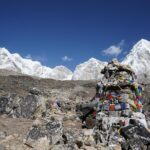
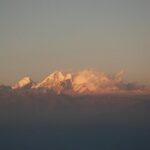
The peaks specifically mentioned are Mount Pumori, Lhotse, Nuptse, and Mount Everest. This is a meaningful list. It’s not just “Everest” in isolation. It’s a cluster view, the kind you want when you’re trying to understand the geography of the Himalaya from ground-level vantage points.
Also, this tour is built around landing when conditions allow. The overview notes you may land at Everest Base Camp or Kalapatthar, depending on helipad conditions. That’s a practical reality in mountain flying: your plan is best-case, and the mountain decides the final landing.
What to do in that moment:
- Record a short video first, then switch to photos.
- Keep your camera strap secure. Wind + helicopter motion can turn small issues into annoying ones.
- Don’t overthink composition while you’re in motion. Get the clear shots first; you can edit later.

Syangboche Marg and Hotel Everest View breakfast stop
After the Base Camp segment, the itinerary includes Syangboche Marg as a landing and breakfast point. The plan is to stop at Hotel Everest View, but it’s subject to the weather.
If the weather cooperates, they typically allow about one hour, and there’s a set breakfast available for USD 31 per person. That’s not included in the standard package price, so treat it like an optional add-on that can become a highlight if skies are clear.
The value of this stop is two-fold. First, you get a chance to warm up and reset. Second, you might get a better viewpoint from a hotel-area setting than from the helicopter alone. In cold, clear weather, even an hour can feel like a gift.
Return flight to Kathmandu: Lukla or direct, based on fuel
On the way back, you’ll fly from the Base Camp area back to Tribhuvan International Airport in Kathmandu. The itinerary notes a landing and that getting to Kathmandu via Lukla takes about one hour, though the captain can fly either via Lukla or directly, depending on fuel situation.
This is the kind of detail you should appreciate. It signals you’re not on a fantasy itinerary that assumes perfect conditions. Mountain aviation runs on fuel math, and your schedule can adjust to keep the flight safe and feasible.
Practically, this means you should keep your evening plans flexible. Even if the tour duration is listed as 4 to 6 hours, flight route choices can shift the exact timing.
Price and value: $1,700, plus the fees that are easy to miss
The headline price is $1,700. For a helicopter tour of this type, that’s the kind of cost you don’t compare to bus tours. You compare it to the alternative: weeks of trekking (and the physical grind that comes with it) or missing Everest entirely.
So where does the value come from?
- You get a short but staged route that includes flyover views plus potential landings.
- The group logistics are actively managed for window-seat viewing during the Base Camp segment.
- Pickup and drop-off are handled, so you’re not piecing together transport at the last minute.
Now the part to budget: there are compulsory fees not included, listed as around USD 50, covering national park, airport tax, and Khumbu village development fees.
Also, if you want the breakfast stop at Hotel Everest View, set breakfast is USD 31 per person, subject to weather. If weather doesn’t cooperate, you could lose that paid meal option. So I’d treat breakfast money as a “if skies allow” bonus, not guaranteed value.
Finally, there’s a weight consideration. The tour lists a maximum of 209 lbs / 95 kg per passenger. If you’re over 100 kg, it says extra payment is needed. That can quietly affect the final total, so check early.
What to pack for cold air and quick stops
Even though you’re flying, you still need to dress for cold. The notes call out warm dressing for summer winter conditions around -5°C and winter around -10°C for higher point only. In plain terms: you can dress for the warmth of Kathmandu all you want, but the helicopter flight and landing points can still feel Arctic.
I’d pack:
- Warm layers you can add and remove fast
- Gloves you can operate your phone or camera with
- A hat or hood
- Sunglasses (wind + bright snow light can be brutal)
Keep your basics realistic. You’re not going on a multi-day trek where you can reorganize slowly. This is a short day, so pack for quick movement and sudden cold air.
Small group size and the human side of the experience
This tour runs with a maximum of 6 travelers. That’s a big quality factor. Smaller groups mean less crowding at windows, easier coordination on timing, and less waiting inside the pickup-to-drop-off chain.
Also, the provider behind the experience is Travel Pinto. Past trip experiences with Travel Pinto have highlighted guides who explain the places in a way that feels alive, not just recited. Names that show up include guides such as Bishal and Bashu for Kathmandu and Everest-area context, and others like Mohan. For longer planning, names like Devendra and Dipendra have been praised for communication and local expertise.
You should still remember: your helicopter portion is about flying and views, not a lecture tour. But having a team that communicates clearly can make the morning smoother, especially when weather decisions can affect what’s possible.
Weather realities: what can change on the day
This experience requires good weather. If the trip is canceled due to poor weather, you’re offered a different date or a full refund.
In addition, the overview notes landing at Everest Base Camp or Kalapatthar depends on helipad conditions. That means even on a mostly good day, the final landing point can shift.
So plan like a realist:
- Have flexible time for the reschedule window if conditions change.
- Keep essential items with you during pickup and return.
- Don’t treat this as a fixed-photo appointment. Treat it as an opportunity that depends on the mountain behaving.
Who should book this helicopter EBC tour
This is a strong fit if you:
- Want Everest views without trekking
- Prefer a small group experience
- Can handle early morning starts
- Want a trip designed for photography and quick landmark moments
It may not be for you if you:
- Strongly dislike weather uncertainty (this tour depends on it)
- Are traveling with children under 10 years old (not recommended)
- Are above 95 kg / 209 lbs without asking about the extra requirement first
- Have very limited mobility needs, since the tour is described as requiring moderate physical fitness level
Also, if you hate airports and long lines, note that the tour starts at Kathmandu airport and ends at Tribhuvan International Airport, so you’ll be moving through airport environments as part of the day.
Should you book? My honest take
Book it if your goal is simple: see Everest up close enough to feel real, without spending a week (or more) trekking. The tour’s strengths are practical: window-seat planning, real route structure with fuel stops, and the chance to land at Base Camp or Kalapatthar when conditions allow.
Skip or rethink it if you’re very budget-sensitive once you include the added compulsory fees (around USD 50) and optional meals (like USD 31 breakfast if offered). Also, if you want a guarantee of a specific landing point, remember helipad and weather are deciding factors.
If you’re torn, use this rule: if you can accept uncertainty in exchange for big views, this helicopter option is worth serious consideration. If you need 100% predictability, you might prefer a different Nepal experience that doesn’t hinge on mountain weather windows.
FAQ
FAQ
What time does the Everest Base Camp helicopter tour start?
The start time is 7:15 am.
How long is the tour in total?
The duration is approximately 4 to 6 hours.
How long is the helicopter flight time?
The flight time is listed as about 1 to 2 minutes.
What is included in the price?
Included items are hotel pickup and drop-off, an Everest helicopter flyover trip in a joining group (sharing 5–6 passengers and a pilot), and multiple landing points for views. You also receive a mobile ticket.
Is breakfast included?
Breakfast is not included. There is an optional set breakfast for USD 31 at Hotel Everest View, and it’s subject to weather.
Are there extra fees I should budget for?
Yes. You should budget about USD 50 for compulsory national park fees, airport tax, and Khumbu village development fees.
Is there a weight limit?
Yes. The tour lists a maximum of 95 kg / 209 lbs. If you are more than 100 kg, you need to pay an extra amount.
Do I need to bring my original passport?
No. You can bring a passport copy. A photo on your phone also works.
What happens if weather is bad?
The experience requires good weather. If it’s canceled due to poor weather, you’ll be offered a different date or a full refund.