REVIEW · KATHMANDU
Everest Base Camp Trek and Kathmandu Tour: 15 Days
Book on Viator →Operated by Attractive Travels and Tours Pvt. Ltd. · Bookable on Viator
High mountains have a way of changing your pace. This 15-day Everest Base Camp Trek and Kathmandu Tour mixes big scenery with real culture, from Swayambhunath and Patan to Kala Patthar. You start with Kathmandu valley landmarks, then trade traffic noise for mountain air and step-by-step altitude work.
I like that the plan is practical: you get group logistics handled (airport transfers, Lukla flights, permits, guide, porter, and hotel nights), so you can focus on walking and acclimatizing. I also like the timing built into the trek, including an acclimatization rest in Namche Bazaar and a sunrise option for Kala Patthar.
One thing to consider: you’re buying a lot of moving parts, but not everything is covered. Trekking equipment, Nepal visa, travel insurance, and Kathmandu UNESCO entrance fees are not included, so factor those costs in early and pack well.
In This Review
- Key things you’ll notice on this Everest Base Camp and Kathmandu itinerary
- Kathmandu Valley first: a gentle cultural warm-up
- The Lukla flight: the roller-coaster opener you should plan for
- Day 4–5: Namche Bazaar acclimatization is the smart move
- Day 6: Tengboche and monastery atmosphere
- Day 7–8: Dingboche to Lobuche brings sharper altitude pressure
- Day 9–10: Gorak Shep, Everest Base Camp, and the approach to Kala Patthar
- Day 11: Sunrise at Kala Patthar and the emotional height of the trek
- Day 12–13: The return down to Namche and Lukla feels faster, not easier
- Kathmandu days again: hotel comfort and a slower kind of satisfaction
- Price and value: what $1,799 really buys you
- Who this trip fits best (and who might want a different plan)
- Should you book this Everest Base Camp and Kathmandu Tour?
- FAQ
- FAQ
- What’s included in the tour price?
- Are Kathmandu UNESCO entrance fees included?
- Do I need trekking equipment?
- Is travel insurance included?
- Do I get help with flights to Lukla?
- How many people are in the group?
Key things you’ll notice on this Everest Base Camp and Kathmandu itinerary
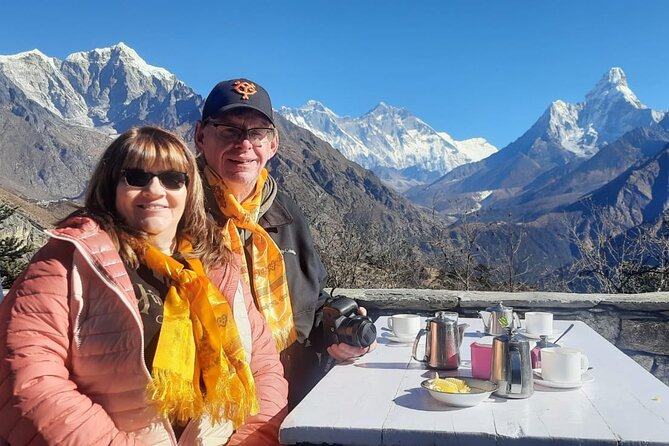
- Kathmandu UNESCO starter day sets you up with Hindu and Buddhist sites before the trek begins
- Lukla flights from Kathmandu or Ramechhap kick things off with that famous mountain-aviation drama
- Namche Bazaar acclimatization day gives your body a chance to adjust before higher villages
- Tengboche and Dingboche routing balances monasteries, village life, and big Everest views
- Kala Patthar positioning is built into the schedule for the clearest viewpoint energy
- Porter support (1 porter for 2 guests) helps you carry less while still walking yourself
Kathmandu Valley first: a gentle cultural warm-up
Your trip starts the way many people need it to start: quietly. After landing at Tribhuvan International Airport, you’re met and taken into the city for a hotel check-in and rest, which matters because the trek starts soon after.
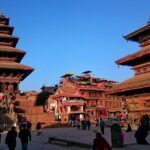
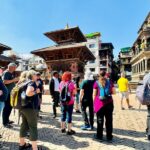
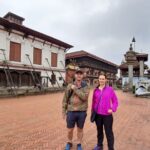
On day two, you’ll hit four heavyweight Kathmandu Valley stops. Swayambhunath, the Monkey Temple, is a strong first orientation point because it’s both spiritual and visually easy to read. Then you move to Patan Durbar Square for temples and monuments, a change of pace from the hilltop views and a reminder that Nepal’s artistic traditions are close at hand.
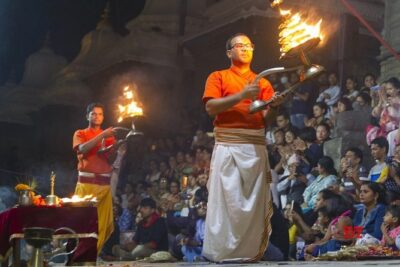
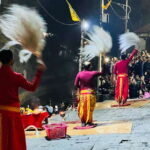
Next comes Pashupatinath Temple and the Bagmati River area. This is where you’ll see Hindu religious life up close, including an open cremation ceremony on the riverbanks. Even if you’re not religious, it’s a powerful cultural reality check—just be mindful, keep respectful distance, and follow your guide’s cues.
Finally, you end at Boudhanath Stupa, described as Nepal’s biggest Buddhist temple and second biggest in the world. For many people, this site becomes a mental reset before the physical challenge of Everest. It also helps to shift your mindset from “tour mode” into “witness mode,” which makes the next days feel less like a checklist.
Practical note: the itinerary lists some site admissions as not included, and the package also states a $20 per person UNESCO entrance fee is not included. So you’ll want a small cash buffer for site access.
You can also read our reviews of more hiking tours in Kathmandu
The Lukla flight: the roller-coaster opener you should plan for
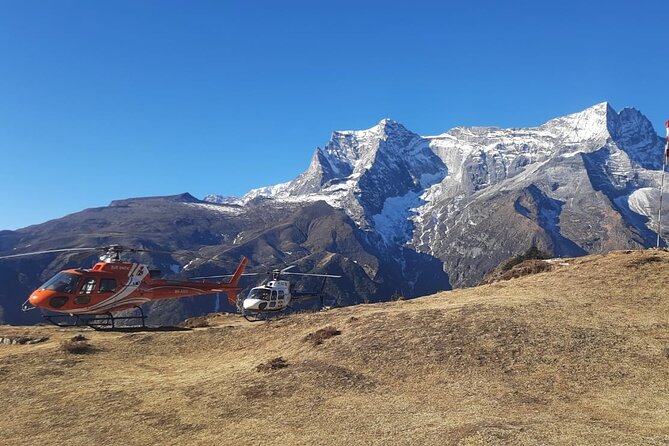
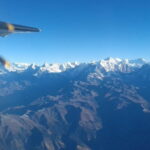
Day three begins with the flight into the Everest region. You fly from Kathmandu or Ramechhap to Lukla, then start trekking from Lukla toward Manjo (the itinerary has Manjo as the first walking day after the flight).
This is also where you should expect the “roller-coaster” part: small-plane flights in the Himalayas tend to feel dramatic, and landings can be intense even when everything goes smoothly. The good news is that this company builds the trek around that reality by getting you organized early, with transfers and tickets handled.
What you can do to make this part easier:
- Keep your boarding day calm and avoid last-minute packing chaos.
- Wear layers you can adjust quickly after the flight.
- Ask your guide how to manage your daypack so you’re not digging through everything at once.
It’s not the time to be casual about your plan. If weather affects flights, you’ll want patience, because trekking itineraries here are weather-dependent.
Day 4–5: Namche Bazaar acclimatization is the smart move
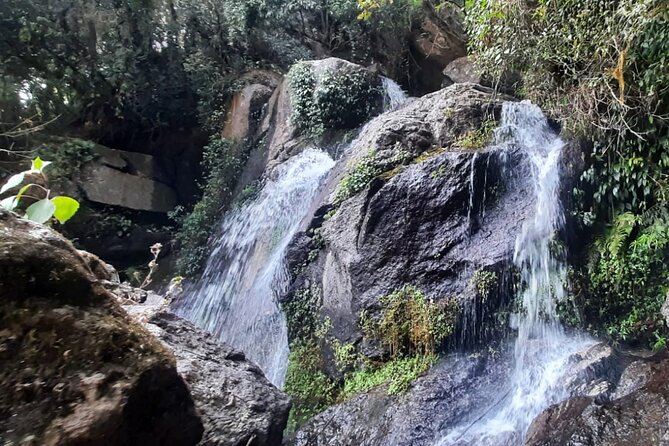
After Lukla, day four is your main “arrive and stretch your legs” day on the way to Namche Bazaar. The route is described as moving through woods of rhododendron, magnolia, and large fir trees, plus plenty of bridges. That variety is more than scenery. Walking through forest and bridge sections tends to make early-day altitude feel less sudden because the day is naturally paced.
You’ll arrive in Namche and then get the payoff: day five is a rest day to acclimatize. This is a big deal. The plan explicitly gives you time to adjust to the elevation in Namche Bazaar, which sits in a bowl-shaped region and is known as a flourishing Sherpa hub.
If you’re doing Everest for the first time, this rest day is the difference between a trip that feels manageable and one that feels like you’re always catching up. Use it well:
- Don’t treat it like a full vacation day.
- Do gentle movement, stay hydrated, and follow your guide’s pacing advice.
- Keep your breathing steady and avoid racing uphill.
Namche is also where you start seeing how the Everest economy works: small guesthouses, lodges, and everyday life built around trekkers and local trade. Even just walking the streets gives you a sense of what life looks like here when the year turns.
Day 6: Tengboche and monastery atmosphere
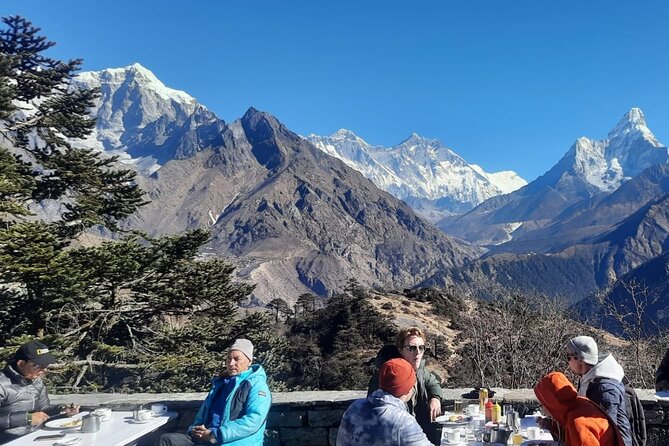
From Namche, the itinerary moves toward Tyangboche/Tengboche. Day six is a longer walking day (listed around six hours), and it’s part of what makes this trek feel “real.” You’re not only climbing. You’re working your way into the heart of the Everest region village network.
This day includes the famous Tengboche monastery stop. That’s one of the clearest cultural anchors on the route because you’ll see how religious life and mountain life intersect. The monastery area also gives you time to slow down and take in views when weather cooperates.
A practical caution: monasteries and viewpoints can be busy during clearer periods, and it’s easy to stand around longer than you planned. Time matters at altitude. When the light changes, take your photos, but keep moving afterward so you don’t overstay and cool down.
Day 7–8: Dingboche to Lobuche brings sharper altitude pressure
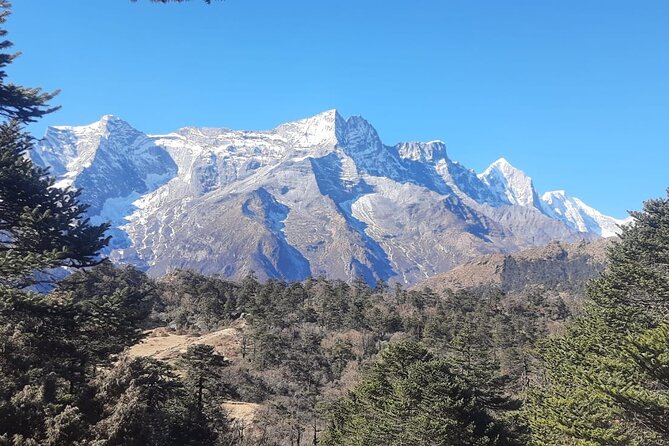
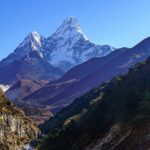
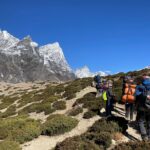
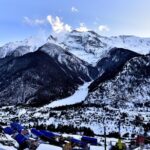
On day seven you head toward Dingboche. The route is described as passing through birch forests and rhododendron trees, plus you’re in the range where Everest views can start feeling close. The itinerary notes you can see Mt. Everest, Lhotse, and Ama Dablam from this section, depending on conditions.
Day seven is also a good “pattern day.” After lunch-type energy, you’ll often shift from forest rhythms to more open valley walks, and your pace tends to change. If you’re the type who needs clear targets, ask your guide what the plan is for breaks so you’re not guessing.
Day eight goes further to Lobuche. This is where the itinerary calls out that the trek becomes more challenging from here on. You’ll pass Dungla after a steep hill and see memorial stupas, which bring a sobering element to the route. Even if you’re not personally affected by that history, it’s worth acknowledging the human side of Everest—because the mountain is not just a view.
From a comfort standpoint, plan for a day where your legs feel it more. This is where good hydration and steady steps matter more than speed.
Day 9–10: Gorak Shep, Everest Base Camp, and the approach to Kala Patthar
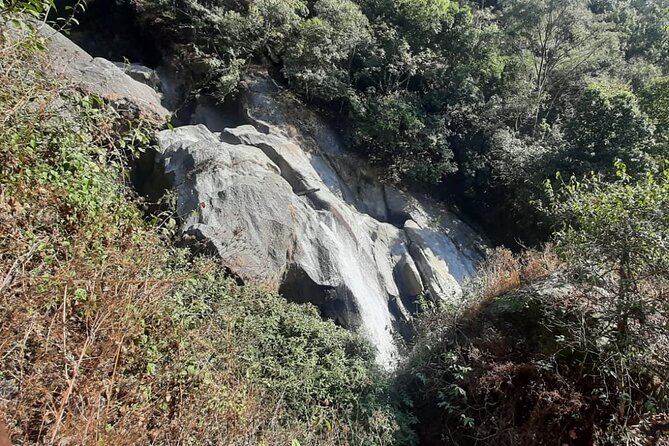
Day nine brings you to Gorak Shep, with a walking route that includes glacier path sections and rough terrain. The itinerary also frames this as the stage where the trek continues as you ascend and descend on glacier paths and navigate meandering rough ground.
Day ten is the big push: Everest Base Camp and the ascent toward Kala Patthar. The schedule describes a fairly steep trail at a comfortable pace to Kala Patthar, with views of Lingtren, Khumbutse, and Changtse. Then you end with the Base Camp experience itself, which is the emotional center of the whole trip for many people.
What makes this day special is the mix of effort and payoff. You’re not “just sightseeing.” You’re walking into the kind of landscape that redefines scale in your head. When you’re standing near the Base Camp area, it’s easier to understand why Everest pulls people in for decades.
A balanced reality check: this is still a day of altitude management, not just a photo day. If you try to sprint for views, you’ll pay for it. Let the day unfold, take breaks when your guide suggests, and save your energy for the viewpoint sequence.
Day 11: Sunrise at Kala Patthar and the emotional height of the trek
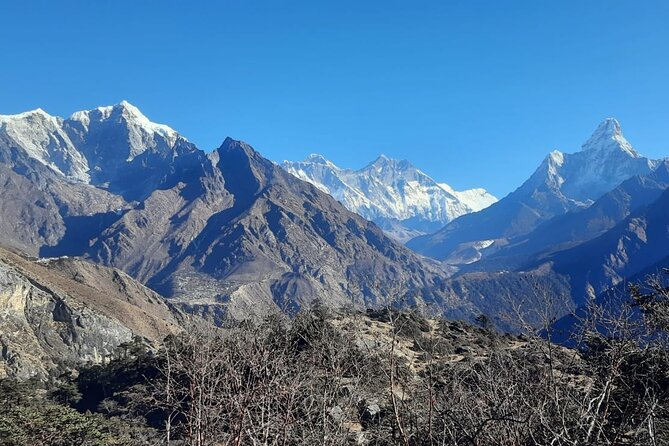
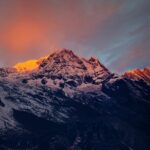
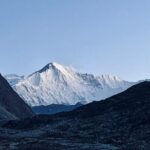
Day eleven includes a morning hike to Kala Patthar to watch sunrise. The itinerary describes the sun rising behind the Mount Everest massif, turning peaks golden. That moment is famous for a reason, and even when you don’t get perfect weather, the experience of trying is part of the trek’s rhythm.
After that, you continue on toward Pheriche. This section is also your reminder that altitude success isn’t only about reaching high points. It’s also about how you recover afterward—how your body handles the day, and how you sleep and eat.
If you’re sensitive to early starts, plan for the emotional and physical trade: sunrise means less sleep, but it can be worth it. I like that this itinerary builds the sunrise plan into a dedicated day, rather than lumping everything into a single exhausting schedule.
Day 12–13: The return down to Namche and Lukla feels faster, not easier
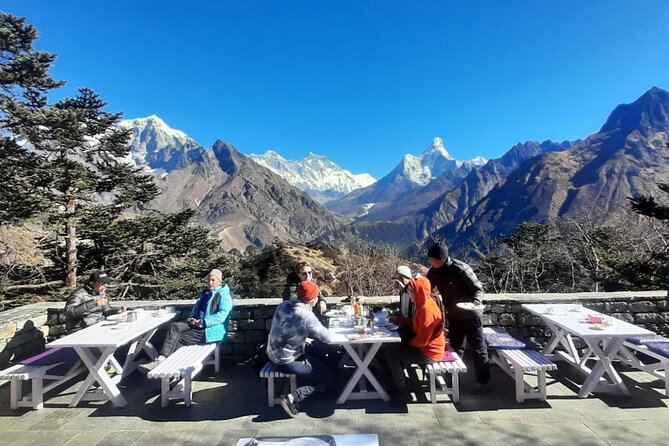
The return trek is where some people get careless. The itinerary brings you from Pheriche back down through Namche Bazaar on day twelve, with a note that you lose nearly 2,000 feet in altitude and cross a bridge over the Dudh Koshi River.
Downhill can feel like it’s easier, but it often punishes your knees and ankles. So treat it like a real walking day, not a recovery stroll. Shorter steps help. Take your time on uneven ground, especially when snowmelt or cold mornings make surfaces slick.
On day thirteen you descend toward Lukla, described as crossing suspension bridges and walking on a surfaced path. You also end the day feeling warmer as you get back toward the lower elevation. That temperature shift can be a welcome relief, but it doesn’t erase fatigue. If you can, keep your evening simple and early.
Kathmandu days again: hotel comfort and a slower kind of satisfaction
Day fourteen is an early flight back to Kathmandu. After landing, you’re escorted to your hotel, and the itinerary leaves space for exploring around Kathmandu if you have energy. There’s also a farewell dinner mentioned, which gives your group a clean emotional landing after the trek.
Day fifteen is the end: you’ll be dropped off at the airport or can join another program. The schedule also mentions leaving enough time before your flight by at least three hours, which is sensible in a country where airport lines and travel time can vary.
This final stretch is the moment to decompress in a real way. You’ve walked for nearly two weeks, and your body will want normal routines again—warm food, showers, and a bed that doesn’t require altitude sleep skills.
Price and value: what $1,799 really buys you
At $1,799 per person for a 15-day package, you’re paying for much more than “a guide and a trek.” Included costs cover:
- Airport arrival and departure
- Everest National Park Permit
- Flights between Kathmandu (or Ramechhap) and Lukla
- A government-licensed trek guide
- A porter (the plan states 1 porter for every 2 guests)
- Three nights of hotel in Kathmandu with breakfast
- Kathmandu UNESCO world heritage sites tour
- Meals: breakfast (13), lunch (11), dinner (11)
That matters because the biggest logistical headache on Everest is transportation and permissions. Bundling flights, permits, and guide/porter support into one plan usually reduces stress when you’re dealing with weather, altitude, and packing.
What’s not included is equally important. You should budget for:
- Nepal visa
- Travel insurance
- Trekking equipment
- Kathmandu UNESCO entrance fees (listed as about $20 per person)
- Alcoholic beverages and extra drinks beyond tea
So the real value question is this: does the package match your readiness? If you already own good trekking gear and have insurance lined up, you’ll feel the value strongly. If you still need to buy equipment and you’re missing insurance, the total trip cost can climb faster than you might expect.
Who this trip fits best (and who might want a different plan)
This is a strong choice if you want a classic Everest Base Camp route with a Kathmandu culture add-on, and you like the idea of a small group (maximum listed at 15 travelers). It’s also suitable if you have moderate physical fitness, because the trek includes staged days for acclimatization and recovery.
You’ll likely enjoy this itinerary most if:
- you’re doing Everest as a first or early big mountain goal
- you want a structured plan that handles permits and flights
- you like having daily guidance and meal organization at altitude
- you care about experiencing Nepal’s culture beyond the mountains
You might think twice if you hate early starts (sunrise Kala Patthar) or if you’re counting on the trip to provide trekking equipment, because the package says you’ll bring your own.
Should you book this Everest Base Camp and Kathmandu Tour?
I’d book it if you want a well-structured Everest Base Camp trek that’s paired with a meaningful Kathmandu UNESCO warm-up, and if you’re comfortable doing most of the work yourself while letting the company handle the big logistics. The combination of Lukla flights, permits, guide, porter, hotel nights, and most meals makes it feel efficient, especially when weather can throw timing off.
Before you commit, do three quick checks:
- Make sure you’re ready to buy or bring trekking equipment and arrange travel insurance on your end.
- Budget for the Kathmandu UNESCO entrance fees so you’re not surprised.
- Get honest about fitness. You’ll walk at altitude for many days, and the schedule includes several longer trekking segments.
If you want Everest with less guesswork and more guided follow-through, this is a solid fit.
FAQ
FAQ
What’s included in the tour price?
The package includes airport arrival and departure, Everest National Park Permit, flights between Kathmandu (or Ramechhap) and Lukla, a licensed trek guide, porter support (1 porter for 2 guests), three nights in Kathmandu with breakfast, a Kathmandu UNESCO World Heritage sites tour, plus meals including breakfast, lunch, and dinner.
Are Kathmandu UNESCO entrance fees included?
No. The tour lists entrance fees for Kathmandu UNESCO World Heritage sites as not included, with an amount of $20.00 per person.
Do I need trekking equipment?
Yes. Trekking equipment is listed as not included, and you’re required to bring your own.
Is travel insurance included?
No. Travel insurance is listed as not included.
Do I get help with flights to Lukla?
Yes. The itinerary includes flights from Kathmandu or Ramechhap to Lukla and return.
How many people are in the group?
The tour lists a maximum of 15 travelers.