REVIEW · KATHMANDU
Manaslu Trekking
Book on Viator →Operated by World Himalaya Treks & Expeditions · Bookable on Viator
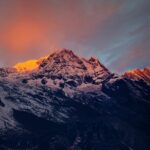
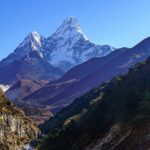
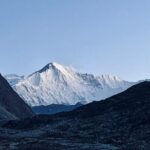
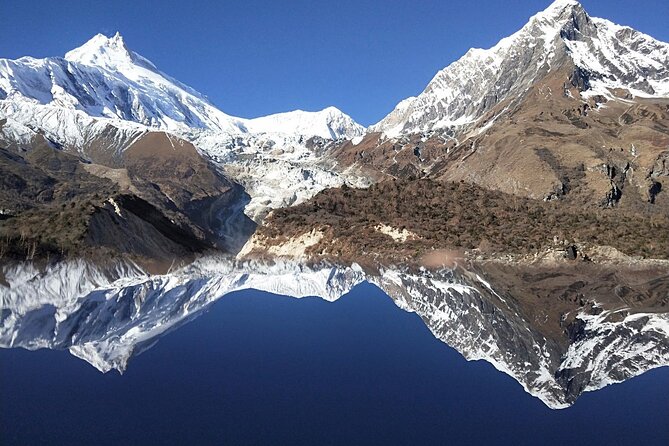
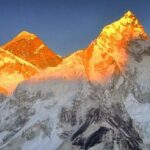
Manaslu feels like a calmer Nepal. This trek circles Mount Manaslu (8,163 m) on a route that’s known for big views, varied days, and a more remote feel than the Everest or Annapurna tracks—plus you get real village life along the way. I especially like that the trip sets you up with full-board meals and straightforward logistics, so you can focus on walking and breathing high air.
One thing to consider: this is not a casual hike. You’ll be climbing and descending for days, and the high-pass section demands real stamina and good timing with weather, especially as you head toward the Larkya Bhanjyang area.
In This Review
- Key highlights you’ll actually feel on the trek
- Kathmandu first: temples, jet lag, and a clean start
- From Machha Khola onward: rivers, ridges, and those steady suspension bridges
- Day 3: Sal forests into river valleys (Machha Khola)
- Day 4: Tatopani’s hot spring and stone-stair effort (Jagat)
- Day 5: Bamboo forests, uninhabited gorge, and Deng
- Day 6: Buddhist-influenced trekking country to Ghap/Gamp
- The Manaslu region feel: Namrung to Samagaun to Samdo
- Day 7: Namrung and into Nupri region (camp)
- Days 8–9: Samagaun and a monastery you’ll actually want to visit
- Day 10: Following Budhi Gandaki to Samdo
- Larkya Bhanjyang and the pass approach: where your pacing pays off
- Day 11: Tundra and juniper into the pass country
- Day 12: Reaching the summit viewpoints and descending to Bimtang
- Descent and changing scenery: from Tilje viewpoint energy to Chamje calm
- Day 13: Bhimtang Lake viewpoint and onward to Tilje
- Day 14: Chamje and another quiet village night
- Back to Kathmandu: rest that feels earned
- Price and what you’re really paying for (at $1,900 per person)
- Who this trek fits best—and who should rethink it
- Should you book Manaslu Circuit with this operator?
- FAQ
- How long is the Manaslu Circuit trek on this trip?
- What’s included in the $1,900 per person price?
- Do I need to arrange trekking permits and TIMS myself?
- What kind of accommodation should I expect?
- Is this tour private, and do I get porter support?
- What’s the cancellation policy?
Key highlights you’ll actually feel on the trek
- Permits handled for you: trekking permit, national park entry fees, and TIMS are included.
- Full-board meals on the trail (breakfast, lunch, dinner) to keep energy stable.
- Kathmandu culture built in: Pashupatinath, Boudhanath, and Swayambhunath before you hike.
- Riverside trekking rhythm through Budhi Gandaki and its tributaries, with bridges and hot springs.
- Porter support: a 1 porter for 2 people setup helps you keep moving.
- A pass-day goal: ascent toward Larkya Bhanjyang, then onward to Bimtang.
Kathmandu first: temples, jet lag, and a clean start
Your trip begins in Kathmandu with an airport representative who helps you transfer to your hotel. After you’ve had time to reset, you’ll head out for a welcome dinner—followed by a briefing and then an overnight stay.
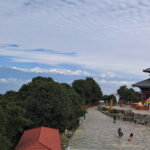
The next day is a smart “warm-up” for your mind, not your legs. You’ll tour Pashupatinath Temple, then Boudhanath Stupa, and finish at Swayambhunath (the Monkey Temple). With a professional guide, this isn’t just photo stops. You’re learning what you’re looking at—why these sites matter to locals, and how the pace of Kathmandu works in real life.
If you’re worried about wasting energy before the trek, this part is timed well. You’re in the city, but the day is organized, and you end it back at your hotel to recover.
You can also read our reviews of more hiking tours in Kathmandu
From Machha Khola onward: rivers, ridges, and those steady suspension bridges
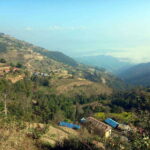
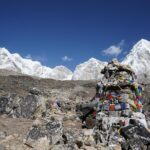
Once trekking starts, the rhythm shifts fast. Early days are about getting your legs used to Nepal’s “up and down” style: short climbs, drops, and repeated crossings. You’ll walk through forested sections and keep getting close to the Budhi Gandaki river system, which gives the trail a constant sense of direction—even when the route zigzags.
Day 3: Sal forests into river valleys (Machha Khola)
You start moving through Sal forests, then climb onto a ridge above the rapids. The trail threads up and down along a rocky path, and you pass two tropical waterfalls on the way. Eventually, the valley opens and you’re walking around wide gravel bars before descending to the sandy river bed. You’ll cross suspension bridges to reach villages like Machha Khola.
Why this day works: the scenery is intense, but the walking time is manageable. It’s a classic “get your bearings fast” trek day—long enough to feel like a real start, not so brutal that you’re wrecked.
Day 4: Tatopani’s hot spring and stone-stair effort (Jagat)
Today includes a small hot spring stop in Tatopani, plus repeated climbs over ridges and bridge crossings over the Budhi Gandaki and Yaru Khola. There are also sections with a well-crafted staircase, and there’s mention of crossing a landslide area—so you’ll want to keep an eye on your footing and expect the trail to be a little dynamic.
This is also a day where your comfort with steady ascent matters. If your pack is heavy, porter support and good pacing make a noticeable difference.
Day 5: Bamboo forests, uninhabited gorge, and Deng
You’ll climb to Salleri and descend into Sirdibas, then keep trekking upstream. There’s a long suspension bridge in Philim, and you’ll walk through millet fields. The route turns north and goes into a steep, uninhabited gorge—so it feels wilder and quieter. Then comes the shift again: bamboo forests, a crossing over the Khola, and a stop in the tiny village of Deng.
I like days like this because they don’t feel repetitive. You’re not just walking through “scenery.” You’re moving through changing ecosystems: fields to riverbanks to bamboo, with the trail character changing as you go.
Day 6: Buddhist-influenced trekking country to Ghap/Gamp
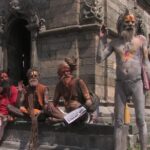
You enter more Buddhist-influenced areas and head toward Namrung and onward to Ghap/Gamp for the night. This is one of those “transition days” that helps you feel the trek’s cultural shift as altitude and remoteness build.
The Manaslu region feel: Namrung to Samagaun to Samdo
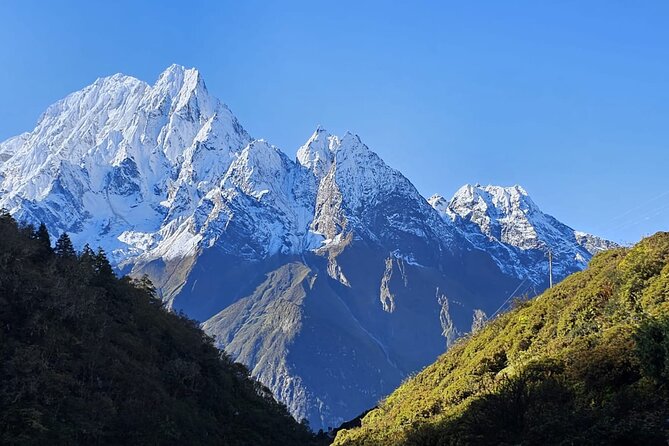
As you continue, the trek becomes less about frequent settlement and more about big views, monasteries, and that high-mountain sense of space.
Day 7: Namrung and into Nupri region (camp)
You’ll climb through bamboo and rhododendron forests to Namrung, then continue into the Nupri region. The night is in camp. Even if you’ve camped before, don’t assume it’ll be the same as home—mountain nights can feel sharp.
Days 8–9: Samagaun and a monastery you’ll actually want to visit
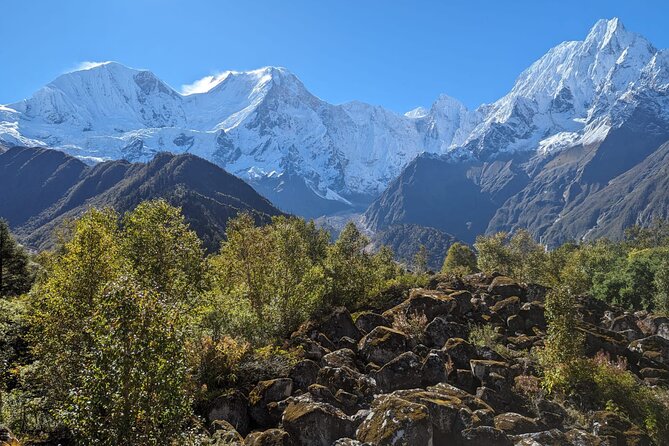
You reach Samagaun with views of Manaslu and Peak 29. Day 9 is a bonus: you explore the monastery and the village with great views, then sleep again in camp.
This is a highlight section because it slows the pace at the right moment. After long walking days, having time to visit a monastery properly—rather than just passing by—makes the trek feel deeper and more human.
Day 10: Following Budhi Gandaki to Samdo
Today is a longer “stay with the river” day, moving to Samdo. Expect the walking to feel like it’s shaping your rhythm for the pass ahead: steady, purposeful, and building toward thinner air.
Larkya Bhanjyang and the pass approach: where your pacing pays off
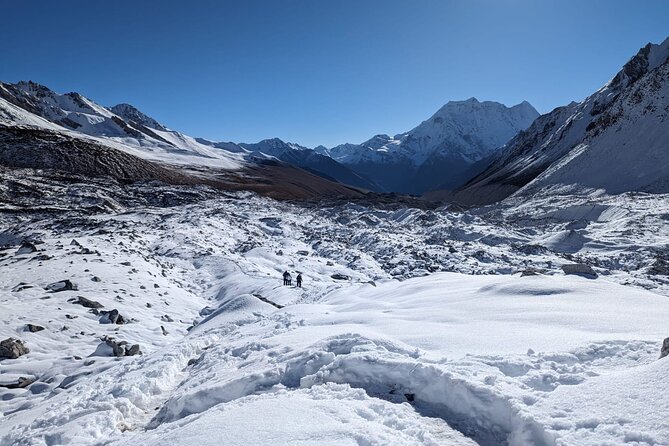
The climb toward the pass is the kind of trek moment you plan for mentally as much as physically. The itinerary has you start the ascent to Larkya Bhanjyang through tundra and juniper, spending the night in camp.
From there you move onward to Bimtang.
Day 11: Tundra and juniper into the pass country
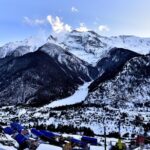
This is the stage where you’ll want to listen to your breathing and keep your effort smooth. Tundra terrain tends to feel exposed, and juniper gives you that rugged mid-altitude texture.
If you take nothing else from this trek, take this: slow effort wins. You’re walking at altitude, and speed is not your friend.
Day 12: Reaching the summit viewpoints and descending to Bimtang
The day includes reaching summit with panoramic views, then descending to Bimtang for the night. That mix—big views followed by controlled descent—is a great formula. You get the reward, then you give your legs a break.
Descent and changing scenery: from Tilje viewpoint energy to Chamje calm
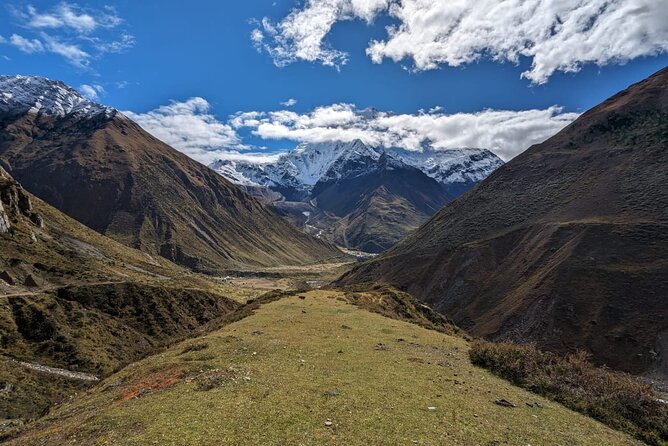
After the pass section, the trek doesn’t just stop being beautiful—it changes the way it shows beauty. Your body also starts to feel the difference between “climb days” and “moving relief days.”
Day 13: Bhimtang Lake viewpoint and onward to Tilje
You descend through forests, reach a Bhimtang Lake viewpoint, then continue to Tilje. This is another good “reward but keep moving” day. A lake viewpoint gives your eyes a rest, and the forest descent helps your legs feel less stressed than tundra walking.
Day 14: Chamje and another quiet village night
You follow the trail through scrub forests and arrive at Chamje, then sleep in camp again. Chamje is the kind of place that makes you realize you’ve been living on the trail long enough to notice small details—like how the path sounds underfoot and how the air settles as the day ends.
Back to Kathmandu: rest that feels earned
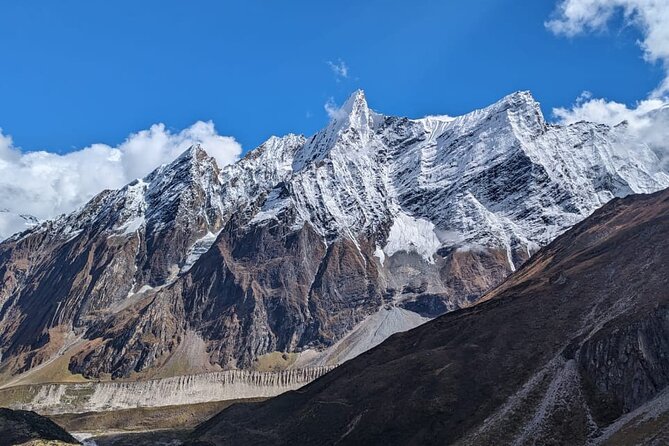
After your last trek day, you drive back to Kathmandu through the countryside. You’ll rest at your hotel.
Then you get an actual block of free time: a full day at leisure, with Thamel as a natural place to wander. You’ll also have a final day for last-minute shopping or whatever else you want to do before heading to the airport.
This matters more than people think. After high-altitude trekking, a structured recovery day keeps you from turning “vacation” into “exhaustion.”
Price and what you’re really paying for (at $1,900 per person)
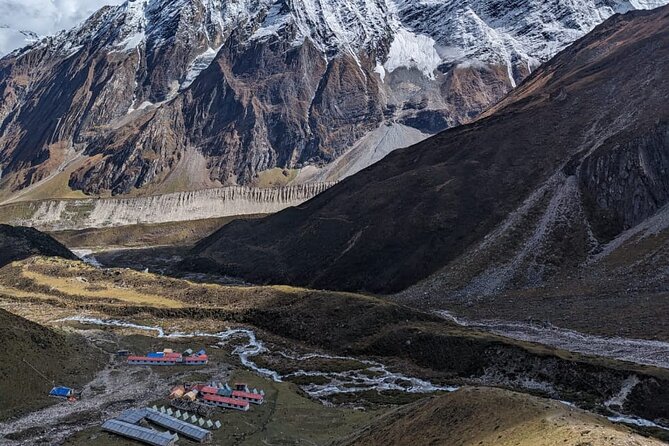
At $1,900 per person for about 17 days (with the trekking portion typically around 14–16 days), this price looks like “more than you’d DIY.” But it’s not random extra cost.
Here’s what’s included that directly affects your stress level and safety:
- Airport pickup and drop, plus Kathmandu hotel (three-star deluxe twin share with breakfast).
- A professional guide and porters (1 porter for 2 people) with their expenses covered, including insurance.
- All necessary permits: trekking permit, national park entry fees, and TIMS.
- Full-board trekking meals (breakfast, lunch, dinner) listed across the trip.
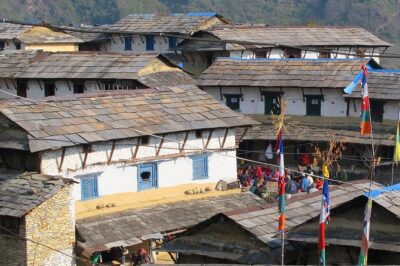
- Comfort-focused lodge or teahouse nights during trekking, plus camp nights where required by the itinerary.
- Basic trip extras like a duffel bag and T-shirt, and a first aid medical kit box.
Where you might feel the cost is if you’re someone who likes to manage everything yourself. But if you prefer a trek that runs on a plan, this looks like paying for less uncertainty. You still do the hard part—walking—but you don’t have to manage permits, staffing, and most day-to-day food logistics.
Not included items are mostly what you’d expect: beverages, personal expenses, and tips, plus travel insurance.
Who this trek fits best—and who should rethink it
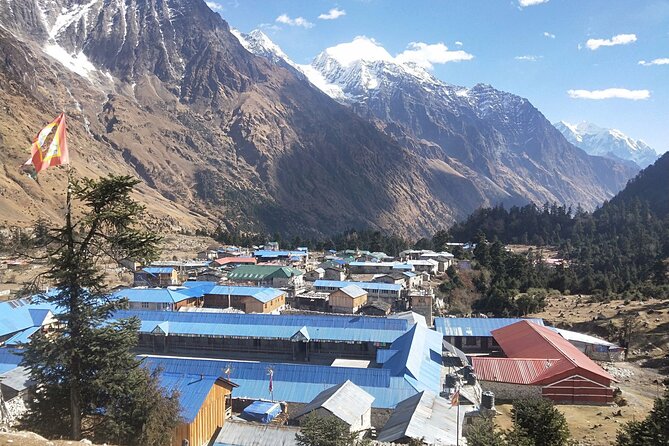
This trek is a strong fit if you want:
- A challenging but organized trek with guided support.
- A less commercial route feel in the Manaslu region.
- Time in Kathmandu to understand Nepalese spiritual landmarks before you start hiking.
- A trip that includes meals and key logistics so your energy goes into the trail.
You might want to rethink if:
- Your fitness is only casual. The itinerary repeatedly lists ~5–6 hour walking days, and the pass approach is described in pass-country terms.
- You dislike cold, exposed terrain, or you’re not comfortable with altitude-driven pacing.
Should you book Manaslu Circuit with this operator?
If you’re excited by the idea of circling Mount Manaslu on a route that’s known for being less crowded, and you want your permits, guide, and core trekking logistics handled, I think it’s a solid choice at this price point.
My honest checklist:
- If you want a guided trek with full-board meals and porter support, book.
- If you’re planning to rely on your own permit research and meal planning, you might find cheaper DIY options—but you’ll also take on more hassle.
- If you’re training now, you’ll feel more confident on the Larkya Bhanjyang approach—and that makes the whole trek better.
FAQ
How long is the Manaslu Circuit trek on this trip?
The tour runs about 17 days total. Trekking typically takes around 14 to 16 days, starting from the Arughat side and ending at Besisahar, with the remaining days covering Kathmandu.
What’s included in the $1,900 per person price?
The package includes airport pickup and drop, Kathmandu hotel with breakfast, guided sightseeing in the Kathmandu valley, full-board meals during trekking, trekking permit/National park entry fees/TIMS, an experienced guide and porters (1 porter for 2 people), porter expenses and insurance, and support items like a duffel bag and T-shirt. It also includes a first aid medical kit box during the trip.
Do I need to arrange trekking permits and TIMS myself?
No. Trekking permits, national park entry fees, and a TIMS card are included in the trip.
What kind of accommodation should I expect?
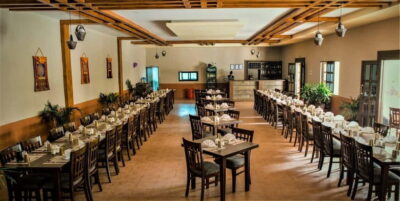
In Kathmandu you’ll stay in three-star deluxe twin-share accommodation with breakfast. During the trek you’ll use teahouses or mountain lodges when that’s part of the route, and you’ll also have camp nights where the itinerary calls for it.
Is this tour private, and do I get porter support?
Yes, this is a private tour/activity, so only your group will participate. Porter support is included with a 1 porter for 2 people arrangement.
What’s the cancellation policy?
You can cancel up to 6 days in advance of the experience for a full refund.