REVIEW · KATHMANDU
Kathmandu and Patan Heritage and Living Goddess Experience Tour
Book on Viator →Operated by Bold Himalaya Treks and Travels Pvt Ltd · Bookable on Viator
A short walk, big Nepal moments. This Kathmandu experience strings together Durbar Square landmarks with a rare chance to see Kumari, Nepal’s Living Goddess, plus a calmer stop at Shree Gha and time in the local market. It’s the kind of route that helps you understand why people slow down in these places.
I love the on-the-ground guidance, especially the way guides like Badri and Sovit are praised for clear explanations that make temple details click. I also like the pacing: you get a focused loop that mixes major monuments with street life, and there’s even room to grab simple local bites like momos and chai if you want.
One possible drawback: some sights may require extra admission tickets, even though the UNESCO Durbar Square fee is listed as included. Also, it is mostly walking, so if you’re limited on mobility, you’ll want to plan for uneven steps and crowds around the squares.
In This Review
- Key highlights to know before you go
- Getting oriented on a 2.5-hour walk in Kathmandu
- Ason Tanna Decor to Kathmandu Durbar Square: temples, museums, and the market route
- Shree Gha shrine: a calm pause in the middle of the action
- Basantapur Durbar Square and the Living Goddess: what to expect at Kumari’s residence
- Malla & Shah architecture plus the Kalvairabh stone sculpture
- Local museum time: history in human scale
- Market time, momos, and chai breaks that feel normal
- Guides like Badri and Sovit: why the explanations matter
- Price and tickets: $50 that can be a great deal if you plan the small extras
- Who should book this Kumari-and-Durbar-Square walking tour
- Should you book this Kathmandu and Kumari heritage walk?
- FAQ
- How long is the Kathmandu Durbar Square and Kumari tour?
- What does it cost?
- Is pickup offered?
- Is this a private tour?
- What sites are included?
- Is the Living Goddess experience included?
- Are admission tickets included?
- What’s included in the price besides the sights?
- Is free cancellation available?
- Is tipping included for the guide?
Key highlights to know before you go

- Kumari (Living Goddess) viewing as a featured moment, not a side stop
- Kathmandu Durbar Square and Basantapur Durbar Square in one short experience
- Shree Gha shrine for a quieter, more spiritual pause during the walk
- Malla & Shah-era architecture plus a stop at the Kumari residence area
- Local market time where you can browse everyday Nepal, not just tourist stalls
- UNESCO Durbar Square fee included, but some temple/museum tickets may still cost extra
Getting oriented on a 2.5-hour walk in Kathmandu
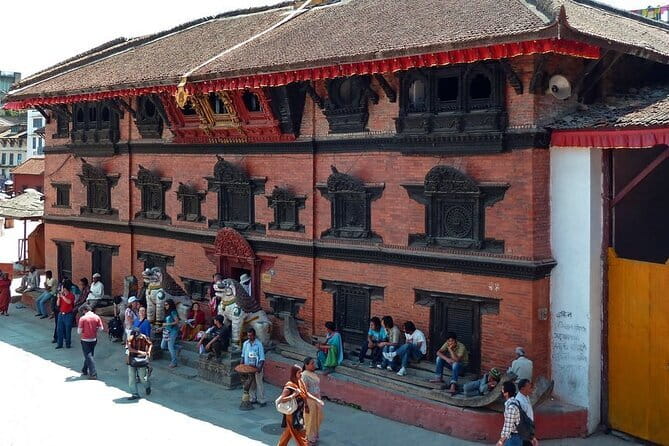
This tour is built for people who want to get their bearings fast. In about 2 hours 30 minutes, you cover central sights around Kathmandu’s famous Durbar Square areas, with a route that starts near Ason Tanna Decor and walks through key parts of the neighborhood.
The best part is the rhythm. You’re not just snapping photos at monuments. You walk past religious spaces, you pass through market streets where daily life happens, and then you reach the big UNESCO sites where the architecture explains the story.
It’s also designed to be flexible for your comfort level. You can choose to head back toward your hotel after the guided portion, or keep wandering on your own around the streets and markets.
You can also read our reviews of more historical tours in Kathmandu

Ason Tanna Decor to Kathmandu Durbar Square: temples, museums, and the market route
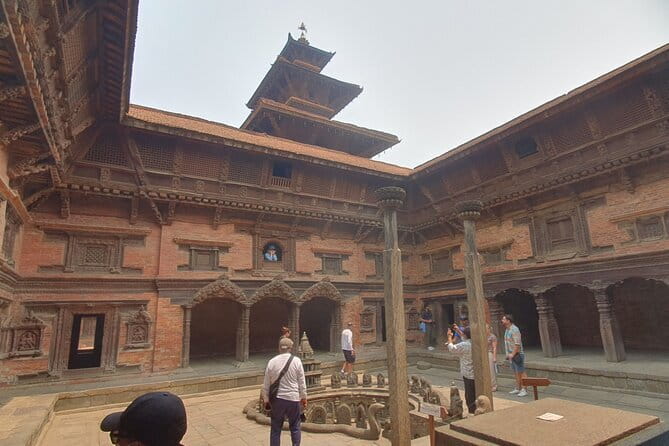
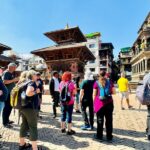
The first segment begins with a meeting near Ason Tanna Decor and a 30-minute walk. Along the way, you pass Shree Gha, then you hit the local market for a proper look at what people actually buy and sell.
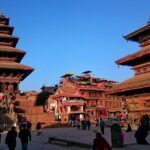
Then you reach Kathmandu Durbar Square. This is where the tour shifts from street-level Nepal to monumental Nepal. You’ll visit temples and you’ll also see museums in the square area, plus the Living Goddess component connected to the Durbar Square complex.
Two things make this stop work well for most visitors:
- The guided context helps you notice things you’d miss on your own. Even if you’re not a history nerd, these places are visual puzzles—your guide helps you read them.
- The market-to-monument sequence gives you contrast. You come from normal life, then you step into spaces built for ritual, kingship, and ceremony.
Practical note: the itinerary lists admission tickets as not included for some parts. At the same time, the overall package says the UNESCO Durbar Square fee entrance is included. So you should plan on the possibility of small extra payments at specific temples or museum areas.
Shree Gha shrine: a calm pause in the middle of the action
A lot of Kathmandu tours rush. This one includes Shree Gha, described as a serene Buddhist shrine, and that matters. When you’re surrounded by people, horns, and constant movement, a calm religious stop gives your brain a breather.
You pass it early in the walk, so it also acts like a mental warm-up. You’re not just turning into a crowd-joiner. You start by seeing a quieter sacred space, then you shift back into the busier Durbar Square energy later.
If you’re the type who appreciates stillness—hand gestures, chanting, prayer offerings—this stop gives you that without forcing you to sit through a long ceremony. You get the atmosphere, then you move on.
Basantapur Durbar Square and the Living Goddess: what to expect at Kumari’s residence
The tour’s headline moment is the Living Goddess experience—seeing Kumari. In this itinerary, Kumari’s presence is tied to the Basantapur Durbar Square area and described as part of the UNESCO-listed Durbar Square complex.
You’ll also spend time around the Kumari residence area, which is important for understanding why Kumari is such a strong figure in Nepalese culture and religion. The tour frames her role through the lens of Newari culture and Hindu religion, which helps you see her as more than a ceremonial curiosity.
There’s one practical reality to keep in mind: Kumari-related viewing is linked to the activity and rules around the residence area. The tour gives you access to see her as part of the experience, but the specific moment you see her can depend on on-site conditions.
So, I’d treat this as a “be there and be patient” moment. Wear comfortable shoes. Keep your schedule tight. And don’t expect quiet, private viewing—Durbar Square areas are public spaces.
Malla & Shah architecture plus the Kalvairabh stone sculpture
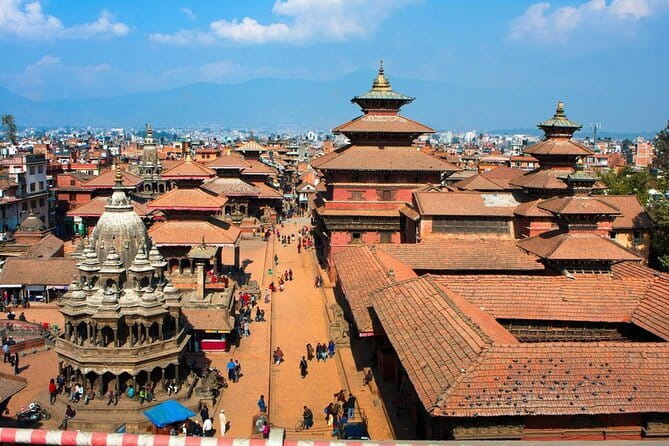
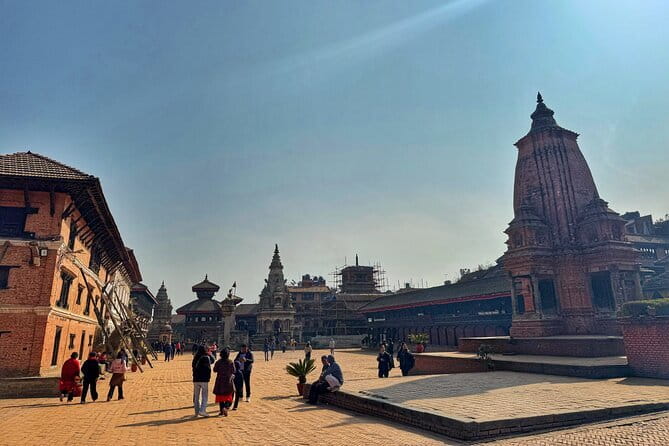
Basantapur Durbar Square is presented here as a site with architecture dating from the Malla & Shah dynasty period, described as spanning the 12th through 19th centuries. That date range isn’t just trivia. It’s a clue that the stones you’re seeing are layered—different eras shaping what you walk through today.
You’ll also see a specific 17th-century highlight: a stone sculpture of the god Kalvairabh. The tour points out that it has historical and religious significance, which is exactly the kind of detail that turns a “nice building” into a meaningful stop.
What makes this section valuable is that it ties art to function. These aren’t random ornaments. They’re part of how people interpret protection, power, and devotion.



Local museum time: history in human scale
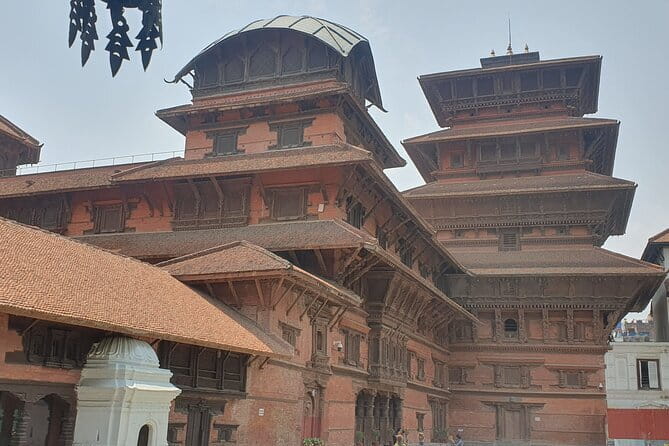
This tour includes a stop at a local museum near the Basantapur area to learn more about the history of Basantapur. Museums here are often the fastest way to connect the visible architecture to the story behind it.
Even if you only spend a short amount of time inside, you’ll usually come out with better wayfinding and more confidence navigating the squares outside. You’ll understand why certain areas look the way they do, and why certain structures get so much attention.
If you like learning but don’t want a long classroom experience, this is the right mix: enough context to make the outdoor monuments legible, without turning your day into a homework assignment.
Market time, momos, and chai breaks that feel normal
The itinerary doesn’t pretend Kathmandu is only temples. It includes time for a local market exploration, which is great because you get to see everyday Nepal—simple goods, street commerce, and a sense of pace.
One small detail from guide-style feedback that I think is especially useful: guides like Sovit have been described as taking guests for casual local food like momos and chai during the tour. That’s not a fancy restaurant moment. It’s the practical kind of eating that keeps you energized for walking and sightseeing.
If you want to do this, keep it simple:
- Eat before you get too tired.
- Keep your cash/phone ready.
- Don’t plan a long sit-down meal in the middle of a short tour.
This is a good tour for people who want city culture without a strict “line up and follow me” vibe.
Guides like Badri and Sovit: why the explanations matter

The biggest consistent strength in the experience is the guide quality. Names that come up include Badri and Sovit, and the recurring theme is that they’re kind, organized, and able to make the sights understandable fast.
That matters in Kathmandu, where the difference between seeing and understanding can be the angle of one explanation. A guide helps you notice the meaning of carvings, the logic of sacred spaces, and the reason Durbar Square feels so important.
Also, guides who can adapt—like pointing you toward a snack break or suggesting what to pay attention to—make a short tour feel longer in the best way. You don’t just pass through. You leave knowing why you were there.
Price and tickets: $50 that can be a great deal if you plan the small extras
At $50 per person for a roughly 2.5-hour private walking tour, you’re paying for three things:
- a real local guide who connects religious and historical dots
- time efficiency in central Kathmandu (walking route + targeted sights)
- UNESCO Durbar Square fee entrance being listed as included
Here’s the balanced part: the itinerary notes admission tickets are not included for at least some segments. So your final cost can inch upward depending on which areas require separate entry.
Still, the value is strong because this is not a “look at a gate, leave” experience. It’s a focused mix: Durbar Square monuments, Kumari viewing, a shrine pause, and market time. For people with limited time in Kathmandu, that’s hard to beat.
If you want to avoid surprises, ask your guide or operator one question before you go:
- Are the temples/museums you’ll enter included in the UNESCO fee, or will I need to purchase separate tickets on-site?
Who should book this Kumari-and-Durbar-Square walking tour
This is a good fit if you:
- want a short, concentrated Kathmandu introduction
- are interested in religion and cultural practice, not just architecture photos
- like being guided through complex sites so you don’t feel lost
- prefer a walking tour format with market time
It may be less ideal if you:
- have limited mobility or strong sensitivity to crowds and stairs around Durbar Square
- want a fully fixed “no extra payments” plan (because some admissions may still be separate)
- dislike waiting in public viewing areas (Kumari-related viewing can involve on-site timing and conditions)
The good news: the experience states that most travelers can participate, and it’s designed as a private tour/activity, meaning only your group goes with the guide. You’re not stuck in a huge herd.
Should you book this Kathmandu and Kumari heritage walk?
If you’re in Kathmandu for a short time and want your day to feel purposeful, I’d lean yes. This tour gives you exactly what many people come to Nepal for: Durbar Square grandeur, a major cultural figure in Kumari, and a mix of street life and sacred spaces.
My main caution is the practical one: confirm which entries are covered versus which require separate tickets. Do that, wear comfortable shoes, and give yourself a little patience around the most popular viewing areas.
Also, quick reality check on the name: while the tour name mentions Patan, this itinerary is centered on Kathmandu’s Durbar Square sites. If you’re specifically planning a Patan day, you may want to pair this with a separate Patan-focused outing.
Book it if you want meaning and momentum in one afternoon. Skip it if you’re looking for a relaxed, low-crowd, all-seated experience.
FAQ
How long is the Kathmandu Durbar Square and Kumari tour?
The tour is listed at about 2 hours 30 minutes.
What does it cost?
It’s priced at $50.00 per person.
Is pickup offered?
Yes, pickup is offered.
Is this a private tour?
Yes. It’s a private tour/activity, and only your group will participate.
What sites are included?
The route includes Kathmandu Durbar Square, Basantapur Durbar Square, Shree Gha shrine, and time in a local market, with a Living Goddess (Kumari) experience included as part of the Durbar Square areas.
Is the Living Goddess experience included?
Yes. Seeing Kumari is part of the experience described in the itinerary.
Are admission tickets included?
UNESCO Durbar Square entrance fee is listed as included, but the itinerary also notes that admission tickets are not included for at least some stops. It’s smart to confirm on arrival what you’ll need to pay separately for.
What’s included in the price besides the sights?
Included items are a walking tour, a well experienced certified/trained tour guide, a cultural experience, and the UNESCO Durbar Square fee entrance.
Is free cancellation available?
Yes. There’s free cancellation up to 24 hours in advance for a full refund, and refunds aren’t available if you cancel less than 24 hours before the start time.
Is tipping included for the guide?
No. Tips for the guide are not included.