REVIEW · POKHARA
Pokhara:4-Day Ghorepani Poon Hill Guided Trek via Ghandruk
Book on GetYourGuide →Operated by Himalayan Nomad Treks Pvt. Ltd. · Bookable on GetYourGuide
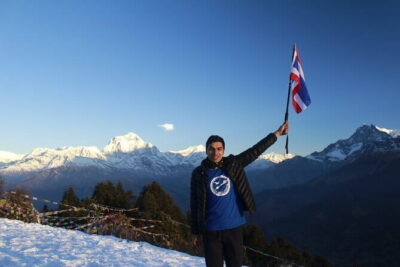
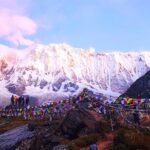
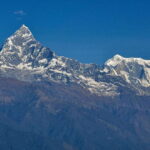
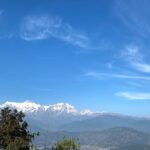
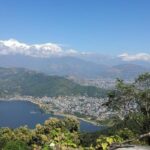
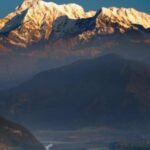
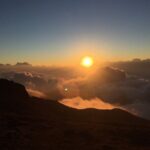
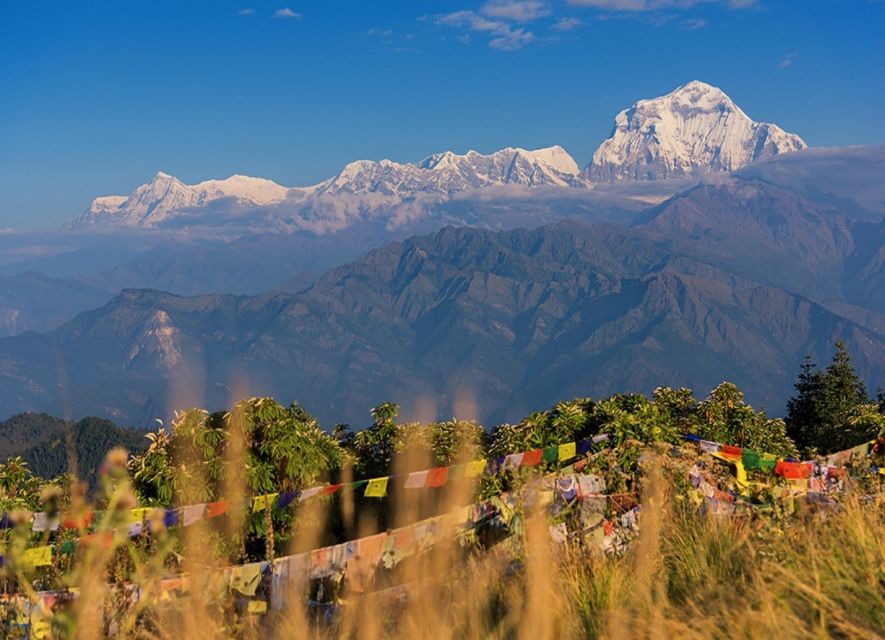
Hitting sunrise altitude without the big commitment. This Ghorepani and Poon Hill trek gives you Himalayan drama on a manageable 4-day schedule, plus the classic village feel at Ghandruk. I especially like the early-morning payoff—when the weather cooperates, the panorama from the viewpoint is the kind of moment you remember for years.
I also really appreciated the guidance and pacing. With guides such as Prakash and Ghanshyam, the focus feels practical: slow when you need to, keep moving, and understand what to expect up high. That matters a lot on this route, where you’ll mix river trails, forest steps, and some steep terrain.
One thing to consider: the main climb is serious. Day 2 includes a steep ascent with over 3,000 steps to Ulleri, and mountain views can be iffy around Poon Hill depending on cloud cover.
In This Review
- Key highlights worth planning for
- Pokhara to Nayapul: a smooth start before the first uphill
- Day 1: Nayapul to Tikhedhunga along Modi Khola
- Day 2: Tikhedhunga to Ghorepani via Ulleri’s 3,000-step ascent
- Day 3: Ghorepani to Ghandruk through Tadapani and the steep descent
- Day 4: Ghandruk sunrise timing and heading back to Pokhara
- Altitude reality check: 3,210m and how to pace smart
- Guides, permits, and the small things that make it run
- Price and value at around $153 per person
- What to pack for Ghorepani, Poon Hill, and Ghandruk
- Who this trek suits best (and who should skip it)
- Should you book this 4-day Ghorepani and Poon Hill trek?
- FAQ
- Where does the trek start after I arrive in Pokhara?
- What altitude does the trek reach and when do I see the big sunrise view?
- Is an English-speaking guide included?
- Are trekking permits and TIMS fees included?
- Are meals included during the trek?
- Can I hire a porter?
- What should I bring for this trek?
Key highlights worth planning for
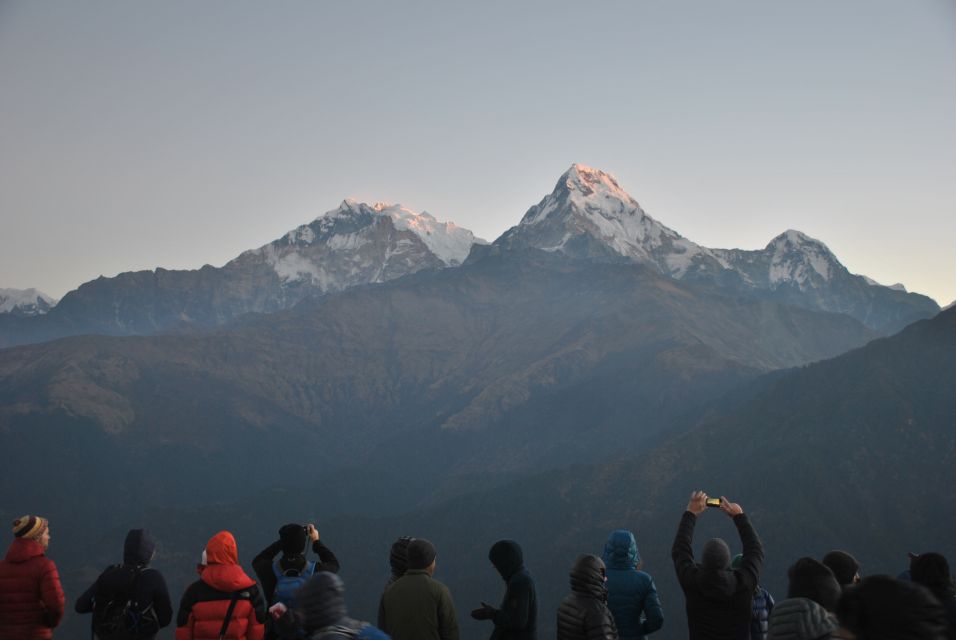
- 3,210m viewpoint time: you’ll reach the altitude associated with the big Poon Hill views
- Rhododendron forests + river walking: Modi Khola trail stretches through villages and greenery
- Day 2 step climb to Ulleri: expect a steep grind before Ghorepani
- Tadapani descent to Ghandruk: more downhill than you’d think, so pack for knees
- Practical guiding: English/Hindi support and guides who adjust to your pace
- All permits handled: trekking permits, paperwork, and TIMS fees are included
Pokhara to Nayapul: a smooth start before the first uphill
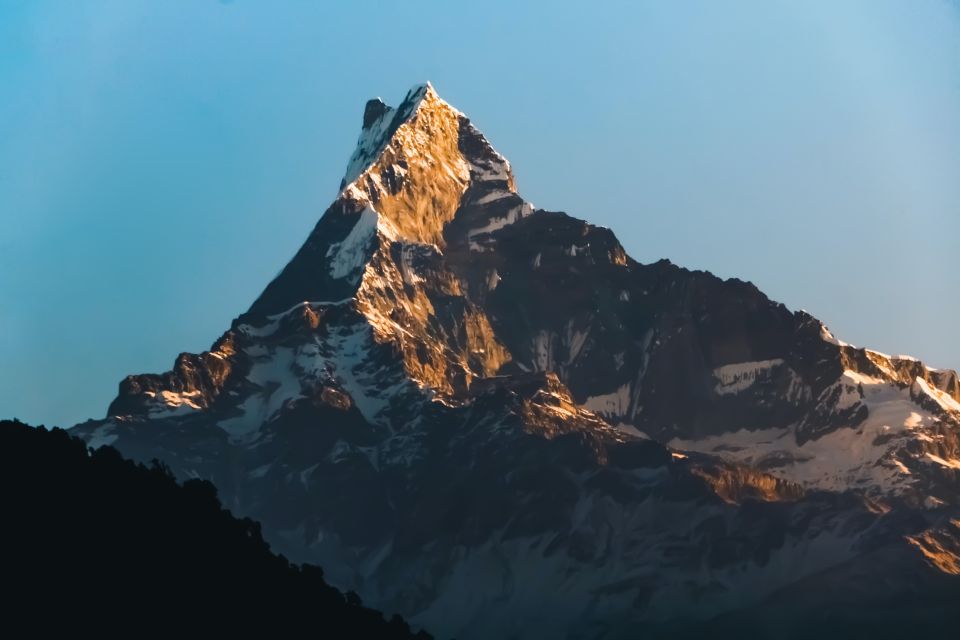
Your trip starts in Pokhara, either at the airport or bus stand. Pickup is included, and you’ll go straight to a hotel to rest, do some last shopping, and get your gear sorted. This little break isn’t just comfort—it’s smart. The next morning you’ll be walking, and you’ll feel better if you’re not still rushing around.
From Pokhara, you then transfer to Nayapul, the trekking starting point. This matters because it compresses the hassle. Rather than trying to figure out local logistics after a long journey, you focus on one thing: getting onto the trail with your body ready.
Transportation is included, and the details can vary based on whether your option is a full package or not (full package uses deluxe transportation per the itinerary; other options use shared transport). Either way, the key value is that you’re not left coordinating your own way between the city and trailhead.
You can also read our reviews of more guided tours in Pokhara

Day 1: Nayapul to Tikhedhunga along Modi Khola
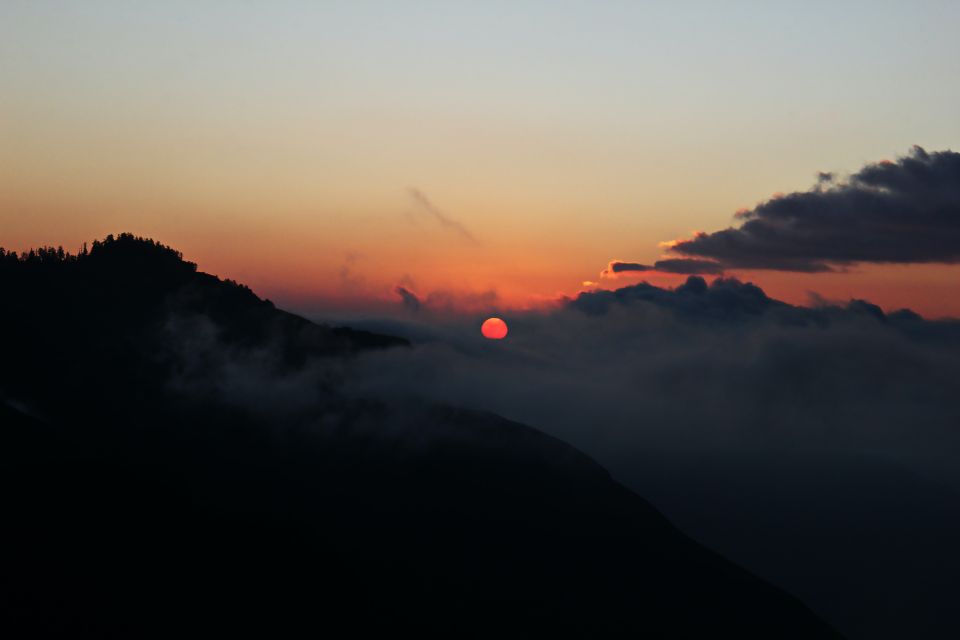
Day 1 is your “set the rhythm” day. After Nayapul, you trek alongside the Modi Khola River, passing through small villages and sections of rhododendron forest. This is the part of the trek where you learn the trail’s pace: not a race, but steady progress with frequent chances to pause, take photos, and drink something.
You’ll reach Tikhedhunga (about 1,570m) and overnight in a tea house. Tea houses are a big part of why this trek feels real. You’re not just sleeping in a place—you’re living briefly in the rhythm of mountain Nepal: simple rooms, warm meals, and the constant sound of other hikers passing through.
What I like about starting here is that it gives you time to notice what works for you. Your hiking shoes, your walking tempo, your water habits, and even your layer choices. By the end of Day 1, you’ll know how quickly you warm up on steep stretches and how often you’ll need to stop.
Day 2: Tikhedhunga to Ghorepani via Ulleri’s 3,000-step ascent
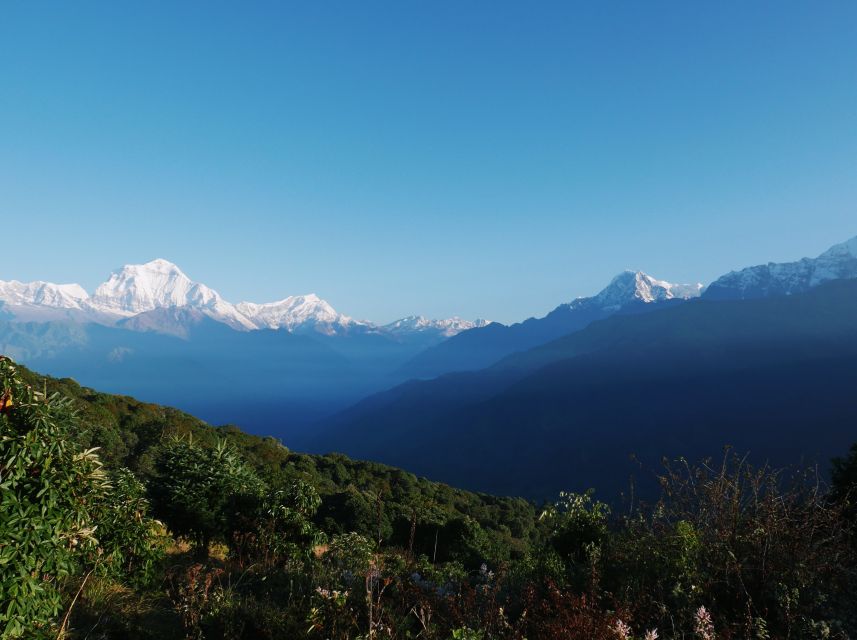
Day 2 is the day you earn the rest of the trip. It starts with a steep climb up toward Ulleri village, with over 3,000 steps along the way. This isn’t “light trekking.” It’s a classic mountain staircase push, and it tests stamina more than technique.
The good news: you’re not doing it alone. With an English-speaking guide (and Hindi support as well), you get pacing help that can be the difference between enjoying the climb and fighting it. In particular, guides such as Prakash were described as understanding with hikers who needed a slower rhythm, which is exactly what you want on a step-heavy day.
After Ulleri, the trail continues through rhododendron forests, and you head toward Ghorepani (around 2,840m). You’ll overnight in another tea house. Ghorepani is where you start feeling like the mountains are “near.” Nights get cooler, and you’ll likely spend more time planning your next day’s timing (because sunrise requires an early start).
Practical tip: Day 2 is where you should practice your own hydration and snack routine. Don’t wait until you feel crushed—small sips and a bit of food consistently keep the climb more comfortable.
Day 3: Ghorepani to Ghandruk through Tadapani and the steep descent
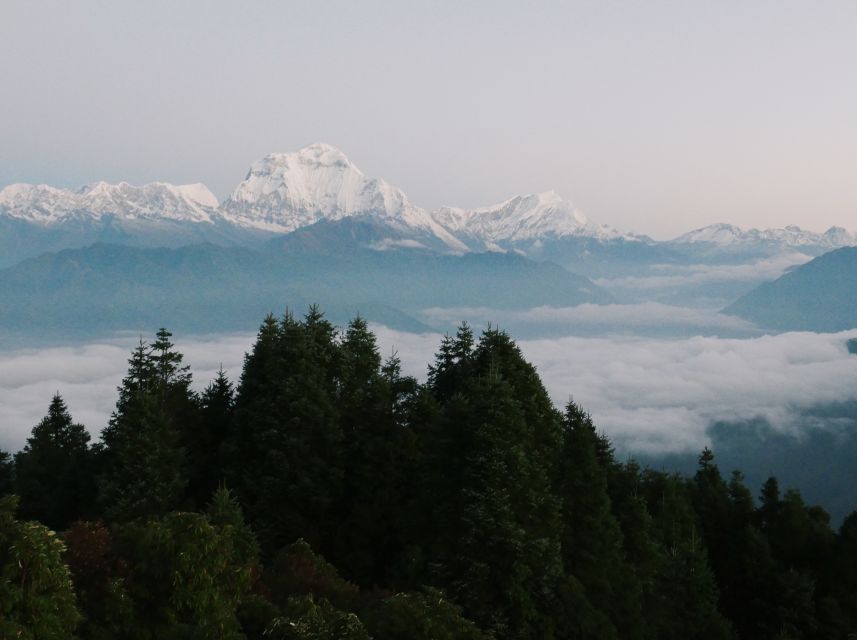
Day 3 switches the effort from “up” to “down.” You’ll descend via Tadapani toward Ghandruk (about 2,000m). Even though the altitude drops, don’t assume this will feel easy. Downhill trekking can be harder on your legs than uphill climbing because it loads your knees and quads differently.
The trail keeps things interesting with walking through jungle and forest sections, plus viewpoints where you get glimpses of the Modi River scenery. This day can feel like a “moving panorama,” because the forest cover alternates with openings where the air feels clearer.
You’ll stay in Ghandruk in a hotel (different from the tea house nights earlier). That’s a nice change of pace. A real bed and a proper room helps you reset for the final morning, especially if your calves and knees are a little tired.
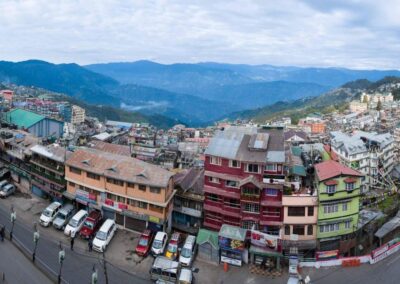
Ghandruk itself has that village energy you want on a trek: stone and local building styles, people moving around, and the sense that this isn’t just a hiking route—it’s someone’s home.
Day 4: Ghandruk sunrise timing and heading back to Pokhara
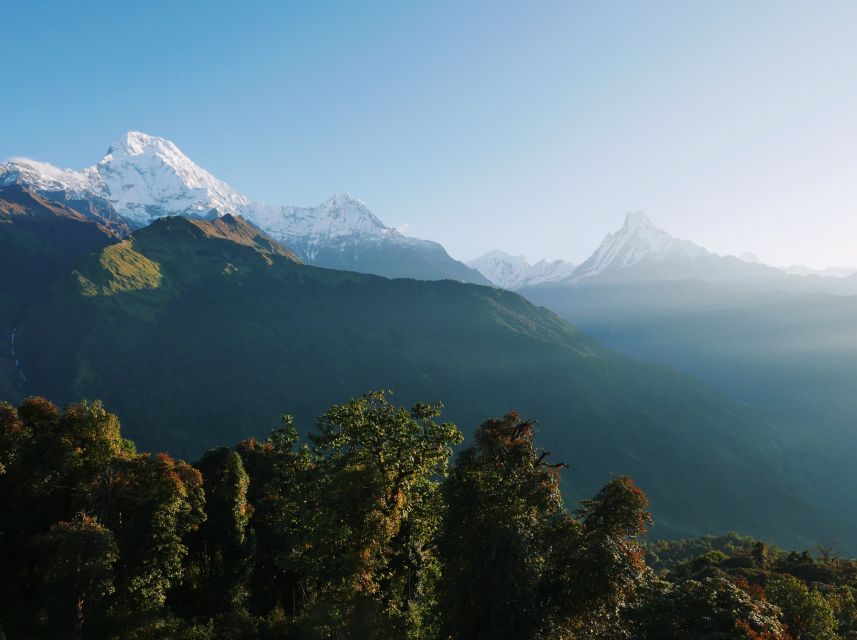
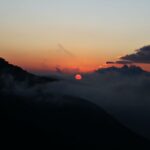
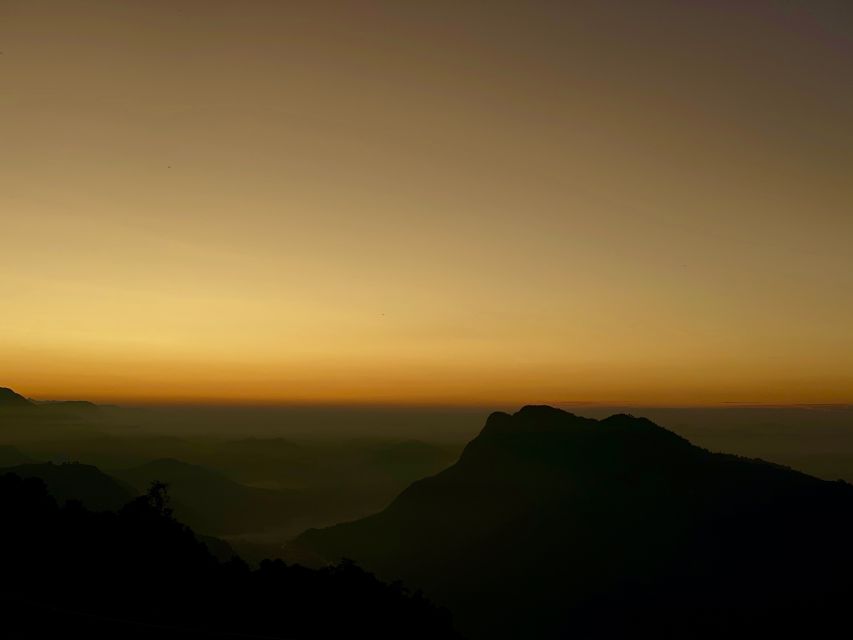
Your final day begins early. You hike up to the sunrise viewpoint associated with Poon Hill (the highlight that brings most people here), then you explore Ghandruk village. The sunrise timing is the big moment: cool air, headlamps for some hikers, and the hope that the clouds hold back just long enough for the mountain reveal.
Weather is the one wildcard. Even on a well-planned trek, clouds can soften the view. The good part is that the next day’s light often brings a second chance to enjoy the mountain angles, and you’re still going to have the experience of getting up there.
After breakfast back in town, you descend toward Nayapul and then drive back to Pokhara, where the trek ends.
Why I like how Day 4 is structured: it gives you both the big early payoff and the cultural/settlement feel of Ghandruk, without dragging the hiking too long after sunrise.
You can also read our reviews of more hiking tours in Pokhara
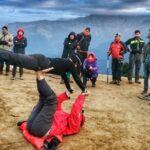
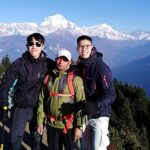
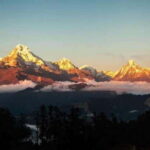
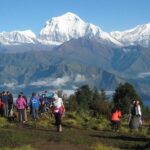
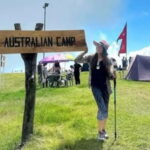
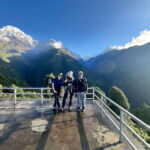
Altitude reality check: 3,210m and how to pace smart
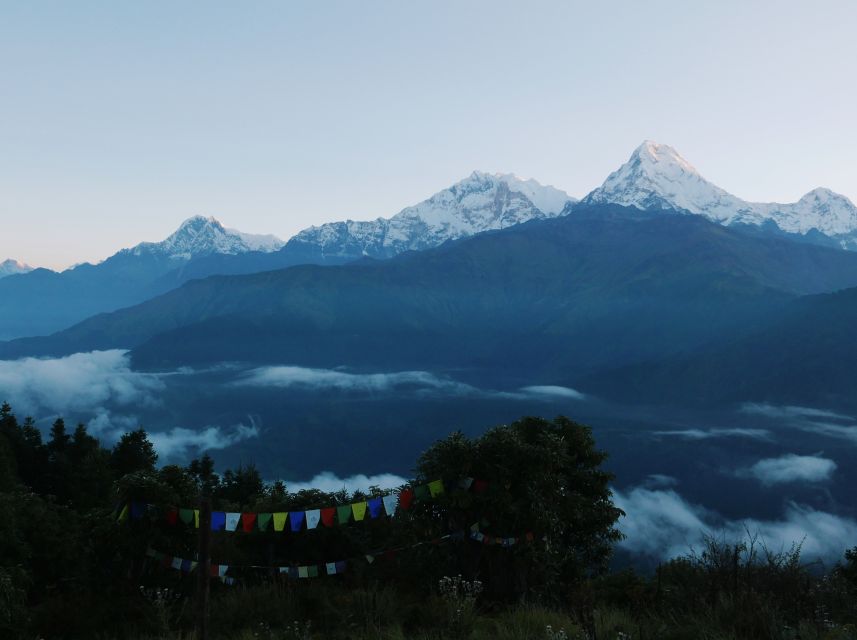
This trek is built around time in the Annapurna region, with viewpoint altitude tied to 3,210m. That’s high enough to change your breathing and sleep. You’re not chasing a summit—but you are going high.
How it tends to play out: on a route like this, most people feel altitude as breathlessness on steeper sections rather than extreme symptoms. Still, respect the climb. Walk slower than you think you need to. Take the breaks your guide suggests. If you feel unwell, communicate early rather than pushing through.
The route also helps you acclimatize step-by-step. Day 2 pushes you upward, Day 3 brings you down, and Day 4 is early and focused rather than a long grind.
Guides, permits, and the small things that make it run
This is a guided experience with an authorized English-speaking guide (English and Hindi support). You’re not handling paperwork or route confirmation. Trekking permits, necessary paperwork, and the TIMS fee are included, which saves you time and uncertainty.
A few other details matter more than they sound on paper:
- A medical kit is included.
- The guide includes insurance and their expenses (meals, accommodation, salary, equipment, transport).
- You also get help with route execution through a structured plan rather than improvising daily logistics.
The human side shows up in the guide stories. Prakash was described as friendly and understanding, especially with a slower fitness level. Ghanshyam was noted as patient and kind with a 60-year-old hiking pace, along with strong local knowledge. That kind of responsiveness is not “extra.” It’s what keeps a trek enjoyable when your body isn’t in the same shape as your ambition.
One more practical note: you can clarify questions using WhatsApp contact with the organizer before the trek. That reduces the usual stress of wondering if you’re missing something.
Price and value at around $153 per person
At about $153 per person for a 4-day guided trek, the question isn’t just cost—it’s what you get for it. Here’s the practical value breakdown:
You’re paying for:
- Hotel pickup/drop-off and transfers to the trail start and back
- Guide support (including guide insurance and their costs)
- Permits and TIMS paperwork
- Accommodation during the trek (tea houses for the first part, hotel later)
- The medical kit
Meals are included only for the Full Package option. If you’re choosing not to include trek meals, you’ll be buying along the way, and tea house food often costs more than what you’re used to in Pokhara. One traveler found the meals-on-route more expensive than meals in Pokhara, which is a useful reality check.
So what’s the value? If your goal is simple planning and fewer decisions each day, the Full Package structure can be worth it. If you’re budget-minded and comfortable buying food daily, you might prefer paying as you go—but be ready for a bit of price variation in mountain stops.
Also, remember: the big costs you’re likely to add yourself are travel/rescue insurance, drinks, and anything personal (like phone charging, laundry, and bottled water). Porter support is available for purchase if you want it.
What to pack for Ghorepani, Poon Hill, and Ghandruk
The packing list provided is exactly the kind you’ll want for this route. The biggest items aren’t “cute gear”—they’re comfort and safety.
Bring:
- Hiking shoes and long pants (sun and dust, plus scratchy trail edges)
- Jacket and hat (nights can be cold high up)
- Sunscreen and sunglasses (brightness ramps up on clear mornings)
- Water strategy (you’ll need enough between stops; refills vary by location)
- Sleeping bag and socks (even if tea houses provide basics, your comfort matters)
- Basic first aid kit and any personal meds
A common mistake is underestimating the cold for early mornings. Your early wake-up for sunrise means you’ll start before the sun warms things up. Layers beat one bulky piece because you’ll warm up while hiking and then chill again when you stop.
Also, if you have knee sensitivity, consider bringing trekking poles. Nothing in the provided info says poles are required, but they can be genuinely useful on steep descents like Day 3.
Who this trek suits best (and who should skip it)
This trek is a solid match for hikers who:
- Want the Poon Hill sunrise experience without a multi-week commitment
- Are comfortable on a steep step climb
- Can handle mixed terrain: forest paths, village walking, and downhill sections
It’s especially good if you like guided structure but still want to set your own pace. The guide stories make it clear that slower hikers can still have a great time when the guide adjusts.
It’s not suitable for pregnant women, based on the provided information.
If you’re nursing a serious injury, the best move is to check with a medical professional first. Even without “peak climbing,” you’ll have a lot of uneven steps and a meaningful downhill day.
Should you book this 4-day Ghorepani and Poon Hill trek?
If your priority is classic Annapurna views—plus sunrise energy—and you want a guided trek where permits, paperwork, and route planning are handled, then yes, this is a good booking. The value at around $153 comes from the practical package: guide, transfers, permits, and the accommodations that keep the days simple.
I’d think twice if:
- You’re very sensitive to steep stairs or knee strain (Day 2 and Day 3 both demand leg strength)
- You can’t handle weather uncertainty around the sunrise viewpoint
- You want a fully flexible, self-planned hike without any scheduled guide structure
If you do book, set expectations right: you’re buying effort, cold mornings, and a good chance at mountain views. The rest is in your mindset and your pace.
FAQ
Where does the trek start after I arrive in Pokhara?
You’ll be picked up from the Pokhara airport or bus stand and driven to a hotel first. The trek then starts with a drive to Nayapul, which is the trail starting point.
What altitude does the trek reach and when do I see the big sunrise view?
The route is centered on viewpoint experiences tied to about 3,210m. You’ll go out early on the final day to hike to the sunrise viewpoint area.
Is an English-speaking guide included?
Yes. The trek includes an authorized English-speaking guide, with English and Hindi support.
Are trekking permits and TIMS fees included?
Yes. The cost includes trekking permits, the required paperwork, and the TIMS fee(s).
Are meals included during the trek?
Meals are included only for the Full Package option (breakfast, lunch, and dinner during the trek). If you’re not on the full package, meals may need to be purchased during the trek.
Can I hire a porter?
A porter is available for purchase, but it is not included.
What should I bring for this trek?
Bring passport or ID, sunglasses, sunscreen, hiking shoes, long pants, a jacket, a hat, socks, a sleeping bag, a towel, water, and trekking gear. A first aid kit is also recommended.