REVIEW · KATHMANDU
From Kathmandu: Guided Everest Base Camp Trek
Book on GetYourGuide →Operated by Info Nepal Tours and Treks · Bookable on GetYourGuide
The Everest Base Camp views hit fast. What makes this trek special is the combo of big Himalayan scenery and solid day-to-day support from your guide, often Saran or Prayas. I like that you get the classic payoff—Everest Base Camp plus an early hike for Kala Patthar sunrise views—and I also like how carefully the days are paced with acclimatization stops. The main drawback to plan for is altitude: you’ll reach roughly 5,545m at Kala Patthar and stay working at high elevation.
This route also does culture in a practical way, not as a sidebar. You’ll pass through Namche Bazaar with its market energy, spend time around Tengboche’s monastery rituals, and connect with daily Sherpa life as you move village to village. And because this is a small-group trek with an English-speaking guide, the experience tends to feel more steady than chaotic.
At $408 per person, the value can be strong because key items are covered—guide, accommodations, the Sagarmatha National Park permit, and (if you choose it) roundtrip Lukla flights. Still, double-check what “full board” includes for meals, and remember travel insurance isn’t listed as included.
In This Review
- Key highlights worth your attention
- From Kathmandu to Lukla: the start that sets your pace
- Namche Bazaar at 3,440m: why the acclimatization day matters
- Tengboche monastery: prayers, views, and Sherpa daily life
- Dingboche rest day: how you protect your trip (and your legs)
- Lobuche to Gorak Shep: the long climb toward the endgame
- Kala Patthar and the Everest Icefall view moment
- Getting back down: Namche, Lukla, and the end of the trek
- Guides, English support, and why communication changes everything
- Price and value at $408: what’s really covered
- Who this trek fits best (and who should rethink it)
- Practical tips so you feel good on the trail
- Should you book this Everest Base Camp trek?
- FAQ
- How long is the Everest Base Camp trek?
- What elevation do you reach on this trek?
- Is the Lukla flight included?
- Is there an English-speaking guide?
- Does the trek include permits?
- What’s included in the price?
- Do I need travel insurance or pay a visa fee separately?
Key highlights worth your attention
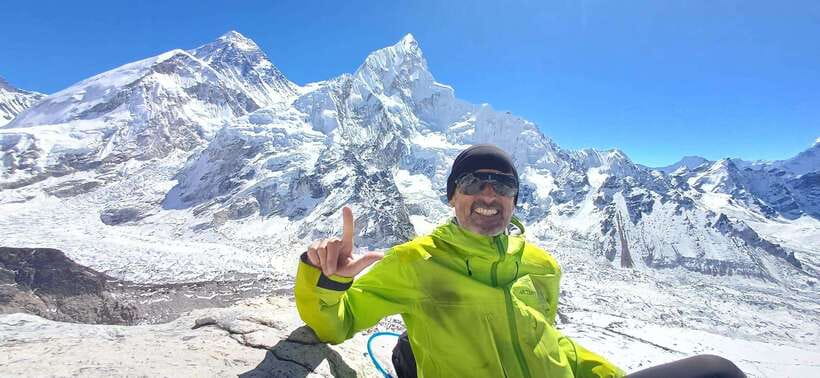
- Iconic Everest payoff: Everest Base Camp plus a Kala Patthar push for close-up views of the Everest area
- Real acclimatization built into the plan: Namche and Dingboche give you breathing room before higher days
- Tengboche monastery experience: You’ll be there for Buddhist prayer routines with panoramic views
- Sherpa culture, not just scenery: Village stops where you can actually watch daily life and customs
- Guides who handle the details: Saran and Prayas came up again and again for clear communication and extra support
- Small group feel: Less waiting around, more of the trek feeling like your own rhythm
From Kathmandu to Lukla: the start that sets your pace
Most EBC treks begin with a flight that feels almost too short to be real, but that quick hop gets you into the Khumbu much faster than a long road journey ever could. Here, you fly from Kathmandu to Lukla (roundtrip domestic flights are included if you pick that option), then start walking right away.
Day 1 takes you to Phakding (2,610m). This is a smart first day because it lets your body adjust to hiking in thin air without immediately going steep. I like having an early “warm-up” walk like this—it helps you settle into the rhythm of trekking: slow steps, steady breathing, and constant small changes in effort.
Also, even if you’re feeling great on day 1, plan your day like altitude is in charge. Hydrate early, don’t chase speed, and treat your pack like it matters. One of the nicest things in the reviews is how guides help with exactly that kind of pressure—Saran, for example, is noted for stepping in when trekkers were too tired to manage their heavier load.
You can also read our reviews of more guided tours in Kathmandu
Namche Bazaar at 3,440m: why the acclimatization day matters
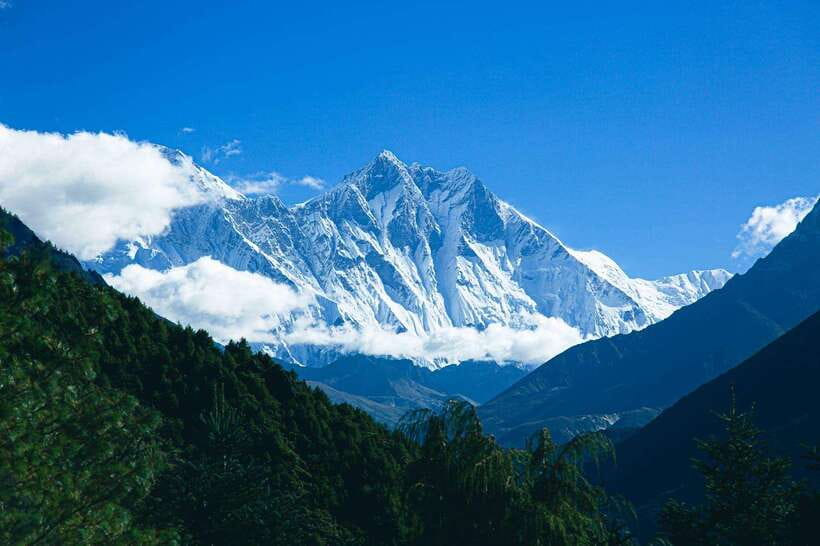
Namche Bazaar is the gateway town for a reason. It sits at 3,440m and acts like a launchpad for the higher parts of the trek, but it also gives you what you need first: a place to breathe, reset, and absorb the region.
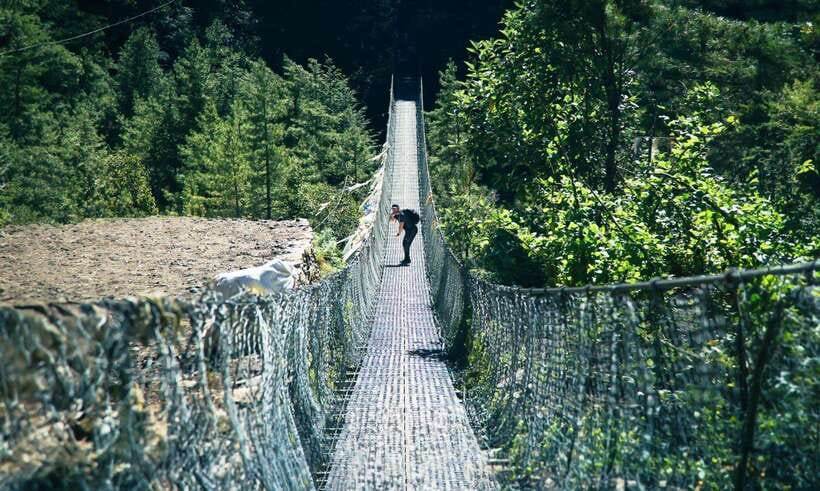
On Day 2 you hike to Namche (3,440m). The terrain is typical Khumbu trekking—up-and-down with suspension bridges and trails that can be rocky underfoot. Then Day 3 is an acclimatization day in Namche. You’re not wasting time; you’re buying safety and comfort for the weeks of high elevation that follow.
If you’ve ever felt the “I’m okay” moment on day 2, this is where you learn the lesson the hard way—or the smart way. Use that day to get your bearings, drink more water than you think you need, and stay active without overdoing it. The payoff is you’ll handle the next push higher with less struggle.
Tengboche monastery: prayers, views, and Sherpa daily life
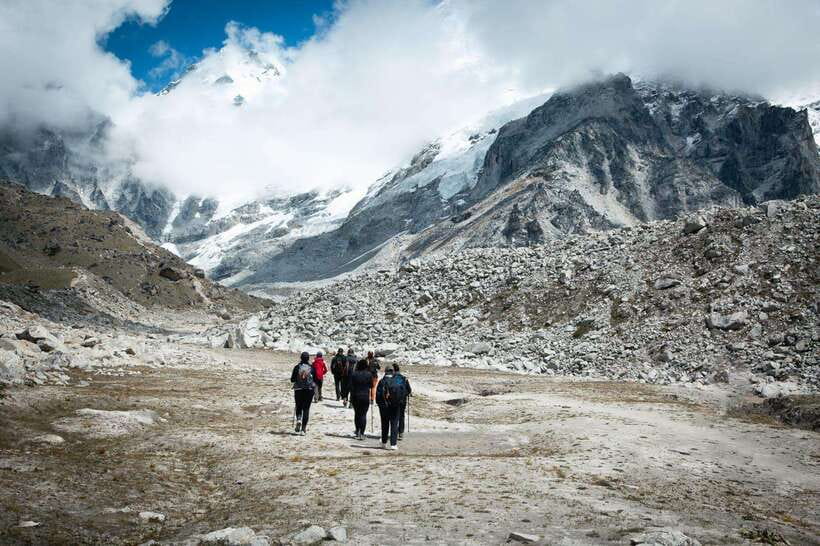
Tengboche is where the trek starts to feel more spiritual and dramatic at the same time. You go from Namche up toward Tengboche (about 3,800m) on Day 4. Even at that altitude, the day often feels like a turning point: you’re leaving the busier lower rhythm behind and moving deeper into the Everest view corridor.
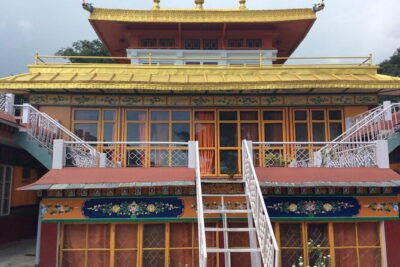
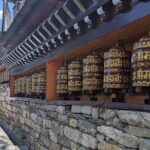
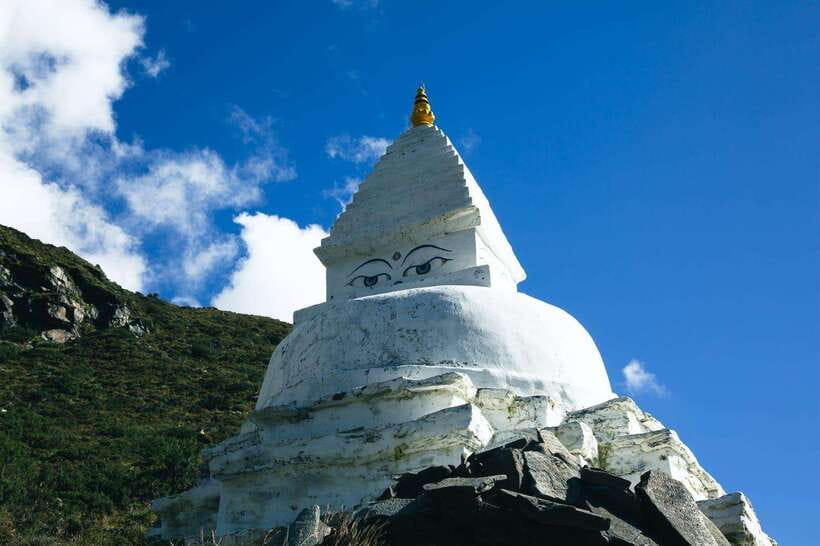
This stop is built around Tengboche Buddhist Monastery and the daily prayer routine. That’s not just “a photo stop.” You get to see how religious practice fits into mountain life. In a region where weather and elevation can change your day fast, routines like these bring structure.
It’s also a fantastic place for panoramic views when the weather cooperates. Just don’t treat the weather like a promise. If visibility is limited, focus on the atmosphere: the sound of prayers, the slow movement inside the monastery area, and how everyone’s pace adjusts to altitude.
Dingboche rest day: how you protect your trip (and your legs)
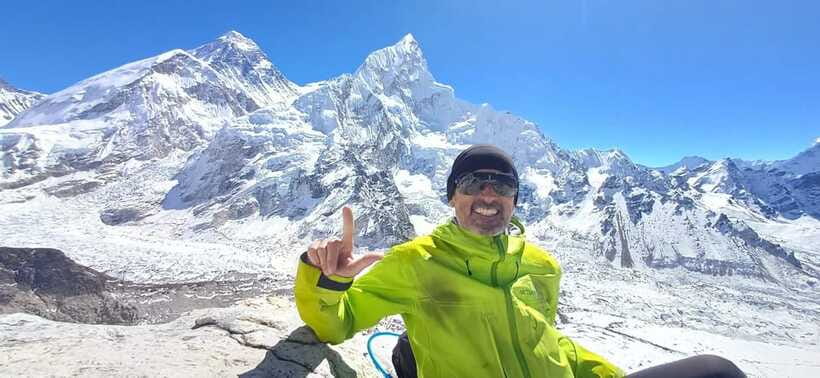
After Tengboche, Day 5 takes you up to Dingboche (about 4,400m). You’ll feel the altitude more strongly here, and the hiking can become more demanding simply because your body has less oxygen to work with.
Then comes Day 6: a rest day in Dingboche. That’s a key feature of this specific trek outline. Two rest days total—Namche and Dingboche—make a big difference in how the high route feels.
Here’s the practical logic I recommend: on a rest day, you should move, but you shouldn’t “train.” A short walk to feel your lungs work better is useful. But saving energy matters, especially because your next segment climbs to Lobuche (about 4,900m) on Day 7.
If you’re going to get altitude issues anywhere, it’s often when people skip the quiet work of recovery. This itinerary doesn’t skip it.
Lobuche to Gorak Shep: the long climb toward the endgame
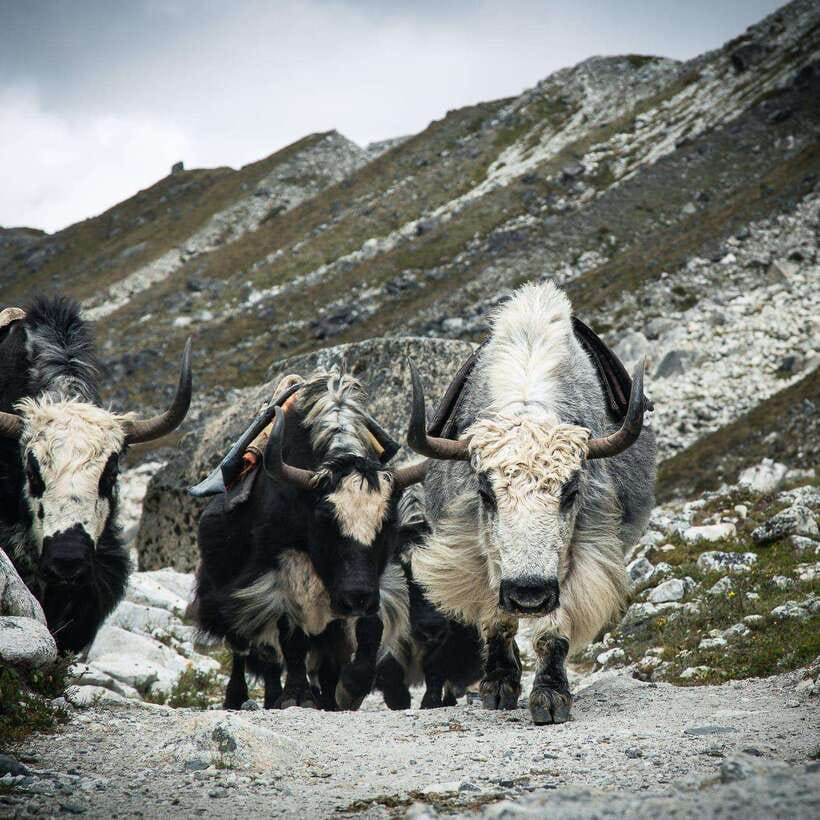
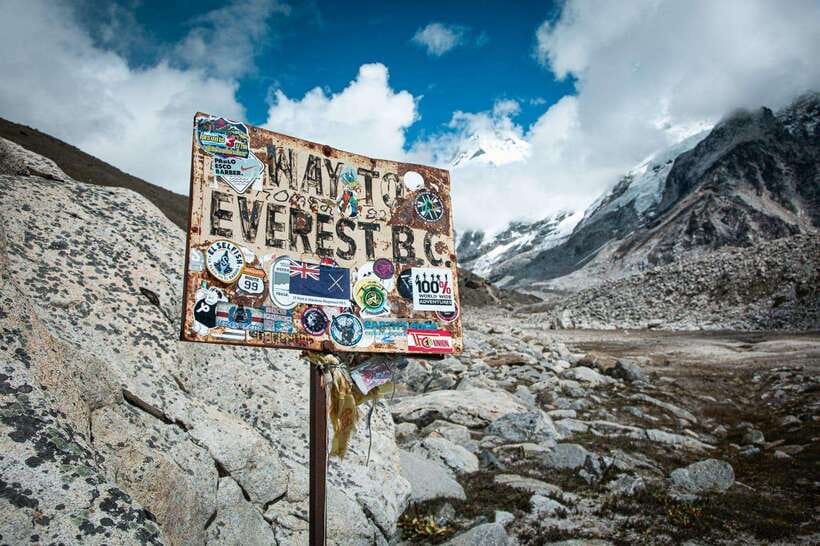
Day 7 to Lobuche (about 4,900m) pushes you higher into the zone where the air feels thin enough to notice in every step. Then Day 8 is a big one: you trek to Gorakshep (around 5,150m) and continue onward to Everest Base Camp (about 5,365m / 5,364m).
This is the part where you start feeling the difference between “walking” and “making progress.” Trails can be less forgiving—rocky footing and exposed sections can slow you down. The upside is that this is when the views start turning from impressive to unforgettable.
One thing I really like about how the trek is framed here is that you get your Base Camp moment without leaving it completely to luck. The plan is structured so that Day 8 reaches Everest Base Camp, so you’re not spending too long wondering if you’ll make it later.
You can also read our reviews of more hiking tours in Kathmandu
Kala Patthar and the Everest Icefall view moment
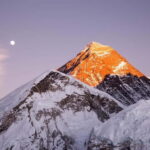
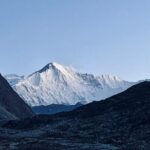
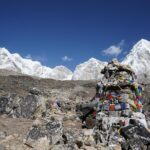
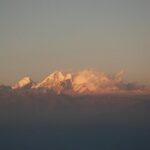
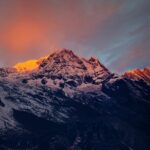
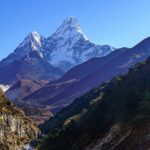
Day 9 is built around Kala Patthar (about 5,545m) and then down to Pheriche (about 4,200m). Kala Patthar is famous for giving you one of the closest looks you can get at the Everest area. The route data also flags the sunrise angle, which matters because early light can make the peaks look shockingly crisp.
If you’ve got the energy, treat the Kala Patthar hike like a mission with a simple goal: keep moving slowly, control breathing, and don’t waste strength on impatience. Thin air turns every steep part into a mental game. That’s also where having a guide who pays attention to your condition becomes huge.
In the reviews, Saran and Prayas both come up as guides who watch how you’re doing, help with communication (especially for non-native English speakers), and keep things calm when your body gets stubborn. That kind of guidance is not a luxury at this altitude—it’s practical.
The descent to Pheriche then helps your body recover. It’s not a “celebration day.” It’s recovery with views in the background.
Getting back down: Namche, Lukla, and the end of the trek
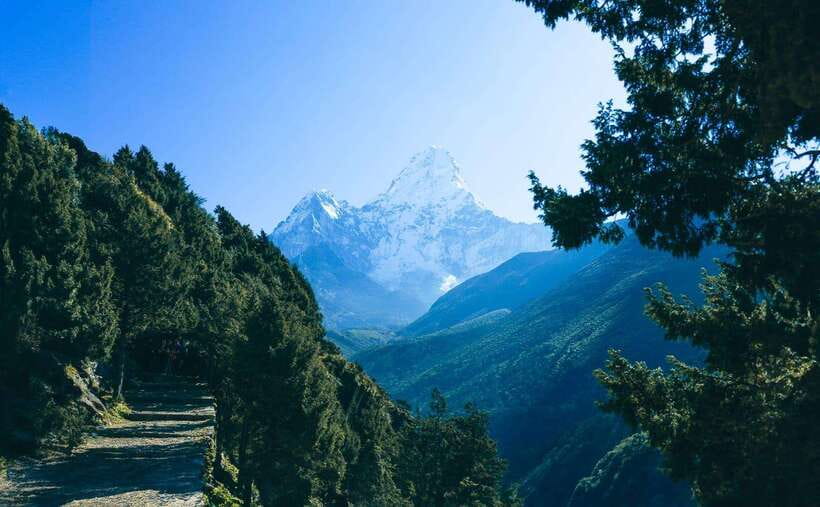
After the Kala Patthar and Pheriche combination, Day 10 takes you back to Namche (about 3,440m). Day 11 goes down again to Lukla (about 2,800m). This is the phase where your legs feel better than they did at the top, but trekking can still be hard because going downhill uses different muscles.
Then Day 12 is the flight back to Kathmandu. By this point, you’ve likely stopped thinking about the trek as a list of elevations and started thinking about it as the sequence of people and moments you kept meeting on the trail—guides who helped with fatigue, villagers who kept life moving, and the quiet feeling of standing somewhere few people ever reach.
If you’re a solo traveler, the “small group available” structure matters. You’re not alone in decision-making, yet you still get the personal space to move at your own pace.
Guides, English support, and why communication changes everything
This trek is guided, and the guide experience shows up strongly in the reviews. People praised Saran for being funny, supportive, and attentive to health. One traveler specifically noted that when they got too tired to move their heavy pack, Saran stepped in and shouldered the load. That’s the sort of help you don’t realize you’ll appreciate until you need it.
Another theme: clear communication. A Japanese solo traveler said they could get through each day even with limited English because the guide kept things understandable. That matters on EBC because you’re constantly making small choices—how fast to go, when to rest, how to manage how you feel.
Organizer Rajesh also came up for fast communication via chat/WhatsApp before departure, plus quick responses to questions. That kind of pre-trip clarity helps you arrive less stressed, which can only help on day 1 in Lukla.
And if you do run into trouble near the end, one review described medical assistance and even help arranging a porter for the last day. That tells you this isn’t just a “point me at the trail and good luck” setup.
Price and value at $408: what’s really covered
Let’s talk money in a way that helps you decide. At $408 per person for a 12-day guided trek, the value comes from what’s included:
- Hotel pickup and drop-off
- Roundtrip flights Kathmandu–Lukla if you select that option
- Accommodation during the trek
- Guide (English-speaking, live)
- Accommodation and food for the guide
- Sagarmatha National Park permit
- Trekking map
- First-aid kit
- Welcome and farewell coffee
Meals are where you need to be careful. The package notes that food and drinks are included if you choose the full board option. If you don’t choose full board, you may pay for some meals along the way.
So what you’re buying is not just “walking in the mountains.” You’re buying the parts that can otherwise derail a trip: permits, guide support, and the logistical anchor of Lukla flights (if selected). Then you’re paying for the human factor—guides who help with communication, pacing, and fatigue management.
Two things not included: Nepal visa fee and travel insurance. I’d treat those as budget lines you handle before you ever board the flight to Lukla.
Who this trek fits best (and who should rethink it)
This Everest Base Camp trek is a strong fit if you:
- Want the classic EBC goal plus the Kala Patthar view moment
- Like a route that respects acclimatization with scheduled stops
- Prefer a small group with an English-speaking guide
- Appreciate Sherpa culture and monastery time as real parts of the journey, not just background
It may be a tougher fit if you:
- Know you struggle at altitude or have a history of altitude problems
- Want a fully relaxed walking experience with no demanding high days
- Are very sensitive to long travel days like the Lukla flights
And because one review described help when a traveler fell ill late in the trek, it’s clear your provider should respond when things go wrong—but that doesn’t remove the basic reality: at this altitude, you still need to pace yourself.
Practical tips so you feel good on the trail
The itinerary’s elevations tell you most of what you need to plan for. You’ll go from 2,610m to 3,440m, then up to 3,800m, 4,400m, 4,900m, and finally the high point around 5,545m.
So I’d focus on basics that make a difference day after day:
- Go slow on uphill sections. Your pace matters more than your speed.
- Drink regularly. Dry air and exertion stack up.
- Pack for cold nights as you climb. Even when days feel manageable, nights can feel sharp at altitude.
- If you’re carrying extra stress (heavy bag, nervous energy), look to your guide early. Support is part of what you’re paying for.
Also, check what your guide can help with in terms of communication. Reviews highlight how guides kept communication smooth even for travelers who were not comfortable in English.
Should you book this Everest Base Camp trek?
If your goal is Everest Base Camp plus the closest common-view day at Kala Patthar, and you want a guided setup that includes key logistics, this one makes sense. The value is strongest when you choose the option with roundtrip Lukla flights and when you pick a meal plan that keeps you fed consistently on the higher days.
I’d book if you like:
- a structured route with acclimatization days
- real Sherpa culture and monastery time
- English support and a guide who takes your condition seriously
I’d pause if you’re unsure about altitude fitness or if you expect a light, casual hike. This is iconic, yes—but it’s also a real trekking challenge.
If you want flexibility, the option to reserve and pay later and the ability to cancel within a short window can help you plan with less stress.
FAQ
How long is the Everest Base Camp trek?
The trek runs for 12 days, from Kathmandu to Lukla and back, with guided walking throughout the Everest region.
What elevation do you reach on this trek?
The plan includes a high hike to Kala Patthar (around 5,545m) and reaching Everest Base Camp (about 5,364–5,365m).
Is the Lukla flight included?
Roundtrip domestic flights from Kathmandu to Lukla are included if you select the option.
Is there an English-speaking guide?
Yes. The tour includes a live guided experience with an English-speaking guide.
Does the trek include permits?
Yes. A Sagarmatha National Park permit is included.
What’s included in the price?
The package includes hotel pickup and drop-off, accommodations during the trek, the guide and guide meals, the national park permit, a trekking map, a first-aid kit, and welcome and farewell coffee. Food and drinks depend on whether you choose the full board option.
Do I need travel insurance or pay a visa fee separately?
Yes. The Nepal visa fee and travel insurance are listed as not included.