REVIEW · KATHMANDU
Kathmandu Heritage Day Tour with Guide.
Book on Viator →Operated by Eco Holidays Nepal · Bookable on Viator
Five temples, one packed day.
This Kathmandu Heritage Day Tour turns the Kathmandu Valley into a single, guided story. I like that you move through big, recognizable landmarks without wasting hours figuring out logistics, and you get in-depth commentary that’s built for real understanding, not just names on a sign. The mix of Kathmandu’s Durbar Square, the monkey-famous Swaymbhunath, and the calm reset of Boudhanath makes the day feel like faith and culture in full motion.
I also really like the comfort and pacing. You ride in a private, air-conditioned vehicle with hotel transfers, plus bottled water, so the day stays manageable even when the sights are intense. With guides (like Dhruba, Sankar, and Raju, plus drivers such as Manish) the vibe tends to be friendly and practical, and the explanation lands even if you are not a history nut.
One consideration: admission tickets aren’t included, and lunch isn’t included either. So budget some extra money for entry fees and a meal stop, and you’ll feel way less rushed.
In This Review
- Key highlights worth your attention
- The flow: how a 6–7 hour day stays readable
- Kathmandu Durbar Square and the Kumari Living Goddess
- Swaymbhunath Monkey Temple: 1 hour that’s about atmosphere
- Pashupatinath Temple: the longer 2-hour stop for Shiva worship
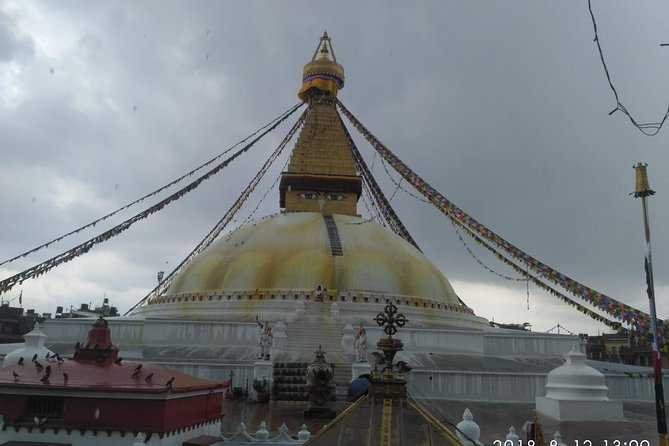
- Boudhanath Stupa: the peace stop that balances the day
- Patan in the mix: how the Newar focus shapes the day
- Price and logistics: is $70 a good deal?
- The guide factor: why “in-depth commentary” matters
- What to bring and what to plan
- Who this tour is best for
- Should you book this Kathmandu Heritage Day Tour?
- FAQ
- FAQ
- How long is the Kathmandu Heritage Day Tour?
- What stops are included in the tour?
- Is pickup included?
- Is a guide included, and what languages are available?
- Are admission tickets included?
- Is lunch included?
- What’s included with the tour price?
- How big is the group?
- What happens if the weather is poor?
- What is the cancellation policy?
Key highlights worth your attention
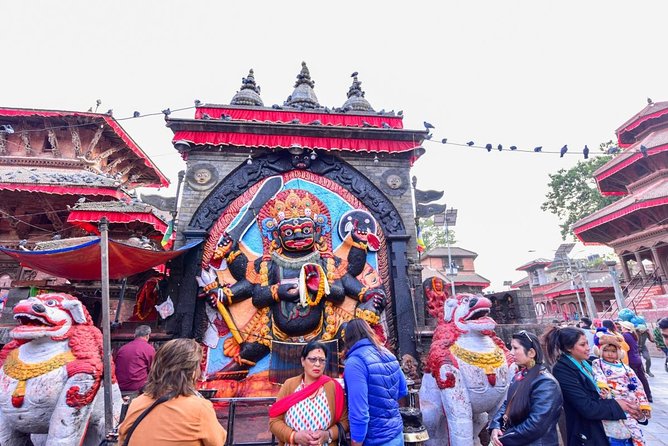
- Kumari at Kathmandu Durbar Square: a focused introduction to the living goddess at the heart of the city’s palace area
- Monkey Temple timing: Swaymbhunath gets a dedicated stop so you can take in the views and temple atmosphere
- Pashupatinath Temple with time: a longer 2-hour visit helps you slow down instead of power-walking
- Boudhanath Stupa as a calm counterpoint: a peace-focused stop that helps the day feel balanced
- Five-language guide commentary: the guide is part of the value, not just the transport
- Small group cap: a maximum of 30 people keeps the day from turning into a stampede
The flow: how a 6–7 hour day stays readable
This is not a slow museum day. It is a focused circuit designed to hit major monuments in a single stretch, roughly 6 to 7 hours. The secret is the structure: each stop has a set time window, and the guide keeps the transitions from feeling like chaos.
The day starts in central Kathmandu and builds outward through sites tied to different faith traditions—Hindu and Buddhist spaces side by side. That matters because it makes the tour feel like more than sightseeing. You’re walking through how people live their beliefs, what they maintain, and what they treat as sacred.
You’ll also get a real comfort advantage. The tour includes an air-conditioned vehicle and bottled water, which is a big deal in a city where you can easily overheat while waiting, walking, or climbing temple steps.
You can also read our reviews of more guided tours in Kathmandu
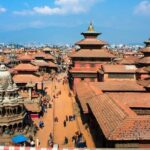
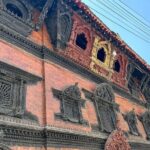
Kathmandu Durbar Square and the Kumari Living Goddess
Your first stop is Kathmandu Durbar Square, with about 1 hour allocated. This is the palace-square area where local tradition meets monumental architecture. The standout here is the Kumari, the Living Goddess, connected directly to this Durbar Square setting.
Even if you just think of the Kumari as an iconic Kathmandu symbol, the guide framing helps. You are not only looking at stone and carving—you’re learning why the site matters to the city’s identity and how the shrine and palace feel connected to the people’s daily sense of reverence.
One practical note: the tour says admission tickets are not included. For Durbar Square, plan on possible entry fees or ticket checks so you’re not scrambling for cash at the gate. If you like to travel light, keep a little buffer in your budget for those stops.
Swaymbhunath Monkey Temple: 1 hour that’s about atmosphere
Next comes Swaymbhunath, also known as the Monkey Temple. You get about 1 hour here, which is a good amount for first-timers. You can take in the main temple setting, walk the area at a comfortable pace, and still make it to the next stop without the day getting late.
Why this stop works in a guided circuit: the guide helps you read what you’re seeing. You’re not just chasing photos. You’re learning what makes Swaymbhunath meaningful to visitors and worshippers, and how the temple’s layout shapes the way you experience it.
Also, because the tour keeps moving, you avoid the common problem of over-staying at one monument and then arriving at the next one with tired legs. One hour is short enough to stay sharp.
Again, remember admission fees aren’t included, so keep that in mind if you see ticket counters or entry rules on arrival.
Pashupatinath Temple: the longer 2-hour stop for Shiva worship
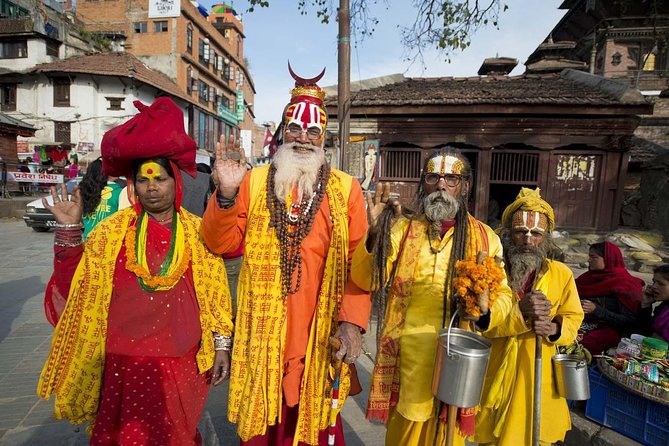
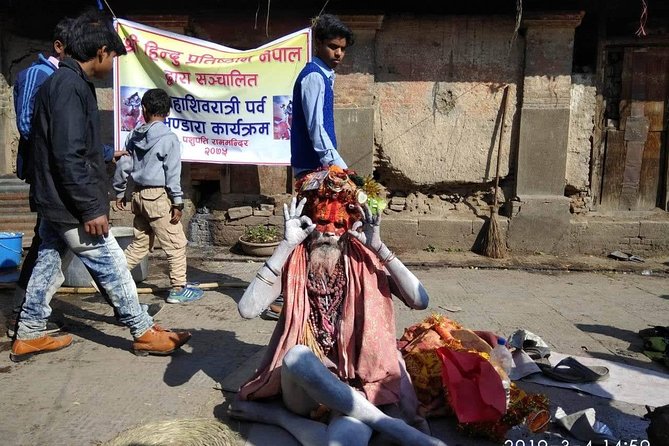
Then you get the big one: Pashupatinath Temple, a Hindu holy temple tied to Shiva. You spend about 2 hours here, which is noticeably longer than the other main stops. That extra time is useful because this kind of sacred site takes a little longer to absorb properly.
This is where the guide becomes extra important. A temple like Pashupatinath is not just a building. It’s a complex spiritual setting, and the commentary helps you understand what different areas represent and how visitors typically approach the space.
If you’re worried about the day feeling rushed, the 2-hour slot at Pashupatinath is a built-in cushion. You’ll have time to pause, re-orient, and still feel like you actually saw something, not just passed through.
One more practical consideration: since admission tickets aren’t included and lunch isn’t included, this stop can fall at a point when you might feel hunger creeping in. If you know you get cranky when hungry, plan to snack lightly if that’s an option for you, and keep your meal strategy flexible.
Boudhanath Stupa: the peace stop that balances the day
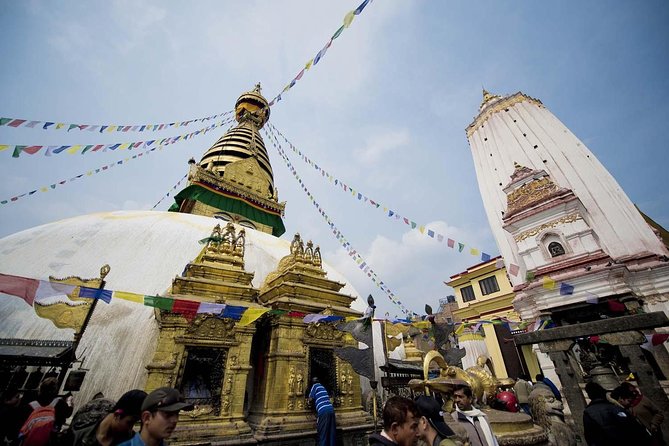
Finally, you visit Boudhanath Stupa, described as a peace stupa, for about 1 hour. This is a smart move near the end of the day. After Durbar Square and the intensity of major temple grounds, Boudhanath tends to feel like a reset.
Even with a tight schedule, the stupa setting gives you a natural rhythm: you slow down, you observe, and you let the calm take over. The guide’s role here is to keep the explanation grounded, so the stupa doesn’t become just another impressive monument. You understand why people come, why it’s considered a peace-focused place, and what makes it distinct within the Kathmandu Valley.
If you tend to remember one thing from a day trip, this is often the one that sticks. In the feedback I’ve seen for similar Kathmandu heritage days, Boudhanath commonly becomes the favorite stop because it feels calmer and easier to enjoy at a slower pace.
You can also read our reviews of more historical tours in Kathmandu


Patan in the mix: how the Newar focus shapes the day
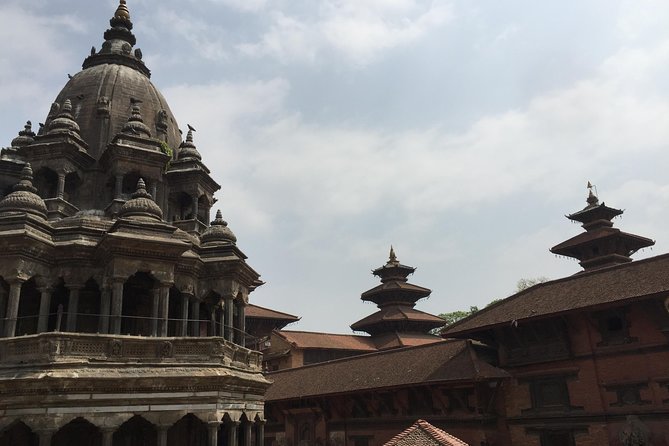
The tour description also places Patan into the Kathmandu Valley plan, along with Kathmandu and Boudha. The key thing for you to understand is the theme: these sites are tied to the capital valley’s Newar shrines and palaces.
So even if you’re only seeing a limited slice of the Patan story within the time frame, the guide should connect the dots. You’re basically learning how Newar culture and sacred architecture connect across towns—so the day feels coherent instead of random stop-hopping.
The big advantage here is value. In one day, you’re getting a coordinated introduction to several major UNESCO-listed landmarks in the valley region, instead of choosing one site and hoping it covers enough.
Price and logistics: is $70 a good deal?

At $70 per person, the value comes from what’s included versus what’s not.
Included:
- Air-conditioned vehicle
- Bottled water
- Guided commentary (available in five languages)
- Pickup offered and hotel transfers
- Mobile ticket
- Group discounts
Not included:
- All fees and taxes (so entry tickets can add up)
- Lunch
Here’s the practical math in plain terms: if you want a guide to explain Kumari, Shiva, and the Buddhist stupa setting—while you also want the comfort of AC transport—this pricing can make sense. You’re paying for time efficiency, guidance, and reduced hassle.
But if you already have your own driver and you’re comfortable sorting entrance fees and routing on your own, the base price may feel less attractive. In that case, you’d need to be confident you can fill the time well without guided interpretation.
Also, with a maximum group size of 30, you get the benefit of a guided day without it being a tiny private bubble. If you prefer quiet and zero waiting, private touring might suit you better, but for many people, this group cap keeps the experience friendly and manageable.
The guide factor: why “in-depth commentary” matters
You’re getting in-depth commentary in five languages, which is a major reason this type of tour works. Monuments in Kathmandu can be confusing if you only rely on signs. A good guide turns stonework into meaning.
Based on the names that have shown up with this operator (including guides like Sankar and Raju, plus attentive support from the team), the approach tends to be helpful and flexible. People repeatedly highlight how the guidance makes the day clearer—even for those who are not especially into history.
That practical translation is what you should look for. When the guide explains what you’re seeing in simple language, your brain stops feeling overwhelmed. You get to enjoy the places instead of just collecting photos.
What to bring and what to plan
Since admission tickets and lunch are not included, plan your spending and schedule accordingly. Bring what you need to handle a full sightseeing stretch:
- A little cash or payment method for site entry fees
- A plan for lunch (either bring a snack strategy or be ready to find food nearby on the route)
- Comfortable walking shoes for temple areas and stairs
Also, the experience notes that it requires good weather. Kathmandu can change fast, so if the forecast looks questionable, be ready for rescheduling or cancellation and don’t wait until the last minute to organize your day.
Who this tour is best for
This is a strong fit if you:
- Have a short holiday and want multiple major landmarks in one day
- Want a guide to explain Kumari, Hindu temple focus at Pashupatinath, and the calmer vibe of Boudhanath
- Prefer a structured timeline with AC transport and pickup support
It may be less ideal if you:
- Want a long, unhurried wander with no time limits
- Hate dealing with entrance fees and prefer fully packaged ticket costs
- Are traveling with very specific accessibility needs, since the tour involves walking in temple areas (even though public transportation is nearby)
Should you book this Kathmandu Heritage Day Tour?
Yes, consider booking if your priority is a guided, efficient overview of key Kathmandu Valley monuments. The combination of air-conditioned comfort, dedicated time at major sites, and commentary in five languages makes it a good value for people who want meaning, not just movement.
I’d especially book it if you want that balance: palace-square significance at Durbar Square, the monkey-temple energy of Swaymbhunath, the longer spiritual stop at Pashupatinath, and then the calmer peace-focused feeling at Boudhanath.
Skip it (or budget more carefully) if you hate unexpected costs, because admission fees and lunch aren’t included, and a full day can bring appetite fast. If you go in prepared, this tour can feel like Kathmandu’s best-known sights, connected by a guide who makes the day click.
FAQ
FAQ
How long is the Kathmandu Heritage Day Tour?
It runs about 6 to 7 hours.
What stops are included in the tour?
The tour includes Kathmandu Durbar Square, Swaymbhunath, Pashupatinath Temple, and Boudhanath Stupa. The overall description also includes Patan as part of the Kathmandu Valley focus.
Is pickup included?
Yes. The tour offers pickup and includes hotel transfers.
Is a guide included, and what languages are available?
Yes, it’s a guided tour, and the guide commentary is available in five languages.
Are admission tickets included?
No. Admission tickets are not included (the tour notes that all fees and taxes are not included).
Is lunch included?
No. Lunch is not included.
What’s included with the tour price?
You get an air-conditioned vehicle and bottled water.
How big is the group?
The tour has a maximum of 30 travelers.
What happens if the weather is poor?
The experience requires good weather. If it’s canceled due to poor weather, you’ll be offered a different date or a full refund.
What is the cancellation policy?
You can cancel for a full refund if you cancel at least 24 hours in advance. If you cancel less than 24 hours before the start time, the amount paid is not refunded.