REVIEW · KATHMANDU
Pashupatinath Temple, Hindu Crematorium and Aarati in-depth Tour
Book on Viator →Operated by Himalayan Adventure Therapy · Bookable on Viator
Pashupatinath is not a quick photo stop. In this 4–5 hour, PhD-led experience, I love how you get temple context as you walk the grounds, instead of just lining up with everyone else and hoping it all makes sense. You’ll see the main temple area, understand the religious logic behind daily rituals, and end with the Bagmati aarti energy that locals take seriously.
My favorite part is the crematoria section, where the explanations are tied to what you’re actually seeing on-site, with a live-style scenario led by experts connected to the Pashupati area. One thing to consider: the full block can feel long in the middle—there’s a lot of standing and watching, and even people who loved it noted that 5 hours can be a stretch.
In This Review
- Key highlights to expect
- Pashupatinath after 2 pm: what this tour is built for
- Inside Stop 1: Pashupatinath Temple grounds and the meaning behind rituals
- Stop 2: the crematoria visit and why the explanations change everything
- Stop 3: Sandhya Aarati on the Bagmati riverbank
- Price and logistics: is $90 good value?
- Who should book this (and who should pause)
- Should you book the Pashupatinath Hindu crematorium and Aarati in-depth tour?
- FAQ
- How long is the Pashupatinath Temple, crematorium, and Aarati tour?
- What time does the tour start in Kathmandu?
- Is pickup included?
- How much does the tour cost?
- What’s included in the price?
- Does the tour include Bagmati riverbank Aarati?
- Is this a private tour?
- Are tips and donations included?
- Can I cancel for a refund?
- Is this tour limited by mobility or accessibility?
Key highlights to expect
- PhD-led heritage focus: explanations connect tradition to tangible and intangible heritage at Pashupatinath
- Temple walkthrough with expert navigation: you’re taken through attractions you might miss on your own
- Crematoria visit with live scenario context: cultural and ritual meaning is explained as you observe
- Sandhya Aarati on the Bagmati riverbank: priests perform lamp and incense offering in precise rituals
- Built-in pacing for photos and questions: time to walk around and absorb without feeling rushed
Pashupatinath after 2 pm: what this tour is built for
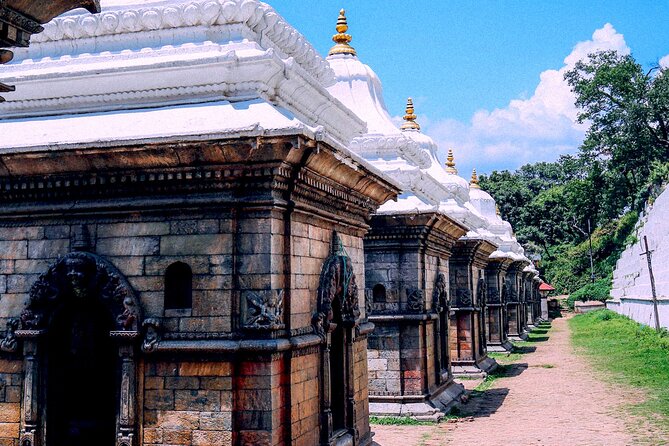
Start time is 2:00 pm, and that matters. You’ll get into the temple complex while the day still has enough light to take in carvings, steps, and the flow of pilgrims, and you’ll still reach the evening ritual (Sandhya Aarati) when the atmosphere ramps up.
This is also a practical format: pickup is offered, the transportation is private, and bottled water is included. That sounds small until you’re standing with incense smoke in the air and trying not to keep checking your phone battery like an anxious tourist. The tour includes all fees and taxes, so the only extra costs you might handle are personal tips and optional donations.
The biggest value is the way the tour translates religious practice into plain, usable understanding. That’s what turns Pashupatinath from an impressive sight into a place you can actually read. You’ll see the spiritual life on display—prayers, ceremonies, bells, incense, and the steady presence of people doing what their faith asks of them.
You can also read our reviews of more tours and experiences in Kathmandu.

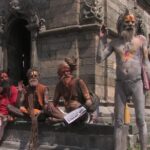

Inside Stop 1: Pashupatinath Temple grounds and the meaning behind rituals
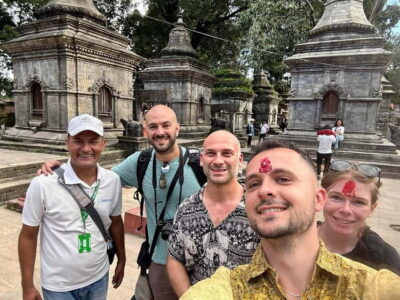
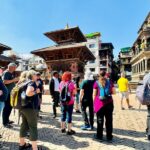
You begin with a guided walk through the Pashupatinath Temple area, which is widely regarded as one of Hinduism’s oldest and most sacred temple sites. The tour isn’t just a route. The guide focuses on how mythological values connect to present-day practice, and the whole point is to help you understand the logic of what you’re seeing.
A big plus here is pacing. You get about 2 hours in the temple area, which is enough time to look closely at details and still ask questions when something catches your attention. I like that the tour is built around explanations that match what’s in front of you—rather than generic temple facts you could read in a brochure.
You can also expect the sensory side of the place to show up early: incense in the air, temple sounds, and the constant rhythm of devotion. One traveler described the tour as running through the temple with the smell of incense and the soundscape of bells. Even if you’re not religious, those sensory cues do a lot to help you feel what “worship” means here—not just what it looks like on the outside.
Potential consideration: this stop is active. Plan for walking on temple-side surfaces and spending time outdoors. If you hate crowds, be aware that this is a living sacred site, so you’ll share space with local devotees.
Stop 2: the crematoria visit and why the explanations change everything
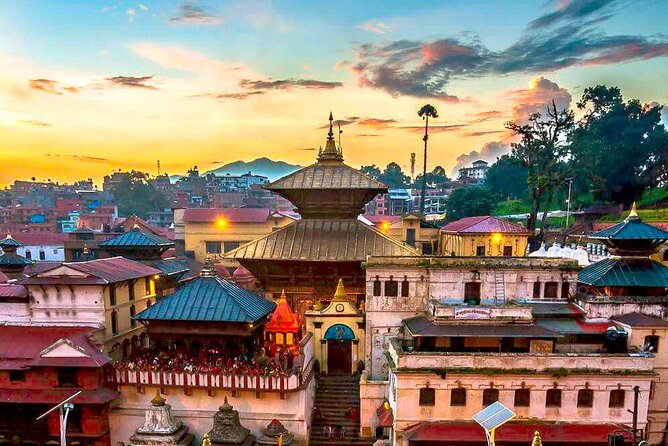
The crematoria portion is the reason this tour is memorable. Instead of treating cremation as a shock-value spectacle, the guide keeps it rooted in cultural process and meaning—explained with a live scenario approach by experts from the Pashupati Area Development Trust.
You’ll spend about 1 hour here, with admission ticket coverage included. That time is important. You’re not dropped off and left to interpret things on your own, which is how people end up missing the “why” behind the “what.” The tour’s framing focuses on the sanctity of life and how Hindu tradition understands death as part of a wider spiritual cycle.
This is also where you’ll feel the most contrast between a sacred temple atmosphere and the reality of human life. The tour walks you through what the process is and how people respond to it through ritual. In one account, the cremations were described against the backdrop of holy men, with a scene that felt both busy and solemn—something photos couldn’t fully carry. That’s exactly the point: a guided explanation helps you make sense of the emotions and behavior you see.
Possible drawback: this is emotionally heavy. Even with respectful explanations, you should mentally prepare for the topic. If you get overwhelmed easily by death-related imagery, this may be harder than a standard sightseeing tour.
Stop 3: Sandhya Aarati on the Bagmati riverbank
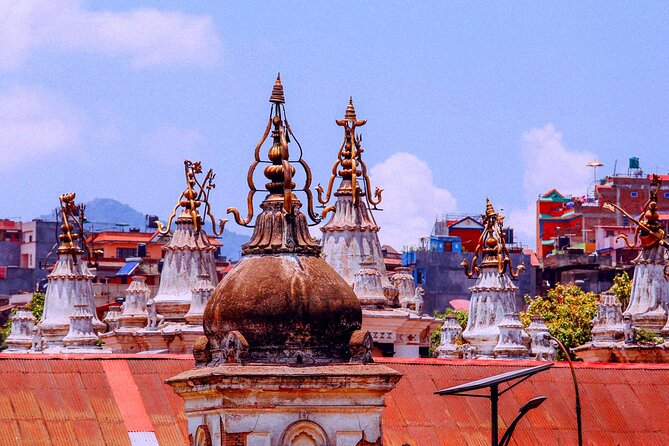
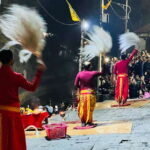
The tour ends with Sandhya Aarati, which is a ceremony of offering lamp and incense through precise priestly ritual. You’ll spend about 2 hours in this final segment, and it includes admission ticket coverage again.
This is where the “why” turns into “how people live their faith.” You’ll see the ceremony while local people watch from the riverbank. One review mentioned seeing hundreds of local attendees during the Aarati, which gives you a sense of scale: this isn’t a staged performance for visitors. It’s part of daily spiritual rhythm for the community.
The Bagmati riverbank setting also changes the whole feel of the ritual. Your brain connects the ceremony to the river’s cultural role, and you understand why the tour includes this specific location and not a random temple hall. The riverbank setting amplifies motion: people moving, priests working through steps, incense smoke drifting, and the steady sound cues that come with traditional worship.
If you’re big on photography, keep expectations grounded. One description said that photos can’t capture the business and solemnity of the place. So think of your camera as support, not the main event. The main event is watching the ritual unfold and letting the guide’s context help you read what’s happening.
Price and logistics: is $90 good value?
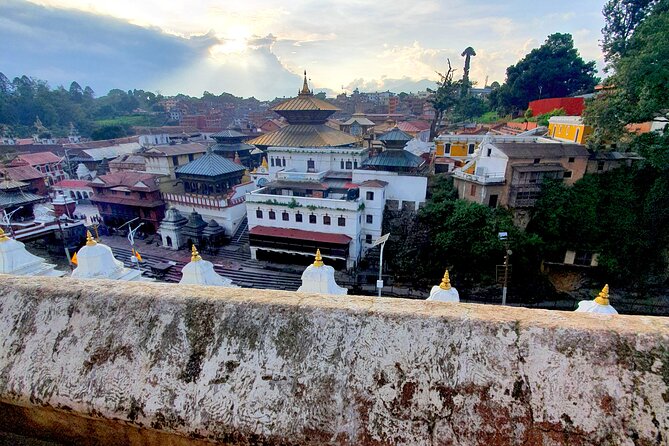
At $90 per person for a 4–5 hour in-depth tour, the price feels fair mainly because of what’s included. You’re getting:
- Expert guides (with deep specialization in Pashupatinath heritage and practice)
- Private transportation
- Bottled water
- All fees and taxes
- Admission ticket coverage for the stops
For Kathmandu, that matters. A temple-and-river-ritual itinerary typically costs more once you add guide time, entry fees, and transportation. Here, you’re paying for interpretation—someone who can guide you through what you’re likely to misunderstand without help.
The timing also adds value. Starting at 2:00 pm gets you both parts: the temple walkthrough and the evening Aarati. Most half-day tours either focus on the complex and miss the ritual, or they rush the temple to chase daylight. This one is structured to do both.
Two practical perks I appreciate from the tour info: mobile tickets, and free cancellation up to 24 hours before the start time (full refund). That makes it easier to plan when Kathmandu weather or your schedule shifts.
Small consideration: it’s a private tour, so group price flexibility may vary depending on whether you book solo or with friends. Still, the tour includes group discounts, which can help if you’re traveling with others.



Who should book this (and who should pause)
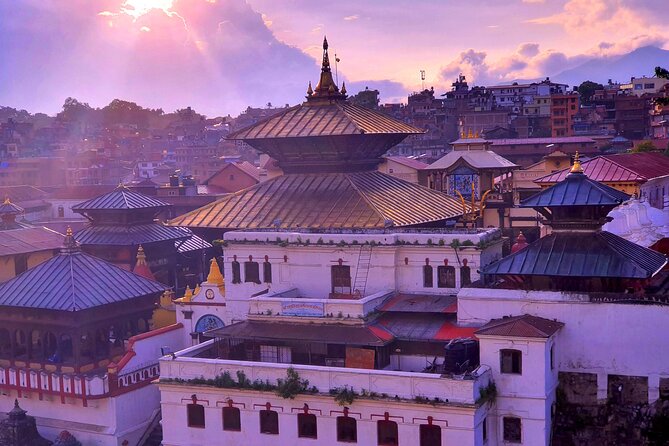
This tour fits best if you want meaning, not just sights. If you’re the type who asks questions about why people do things—like how rituals connect to faith, society, and life stages—this is a strong match.
I’d also say it’s ideal if you want help navigating the temple area efficiently. Several people described feeling guided through places they didn’t know existed in Pashupatinath. That’s a real value: temple complexes are easy to wander through blindly, but harder to “read” without local interpretation.
If you’re sensitive to death-related topics, take the crematoria visit seriously. Even with respectful, educational framing, this is still a cremation context in a sacred setting. You don’t need to be squeamish to find it intense.
Finally, it can be a good choice for people who enjoy ceremonies as living practice. Sandhya Aarati is the kind of ritual that either leaves you cold or hooks you. With the guide’s explanation, you’ll have more to hold onto than the visuals alone.
Should you book the Pashupatinath Hindu crematorium and Aarati in-depth tour?
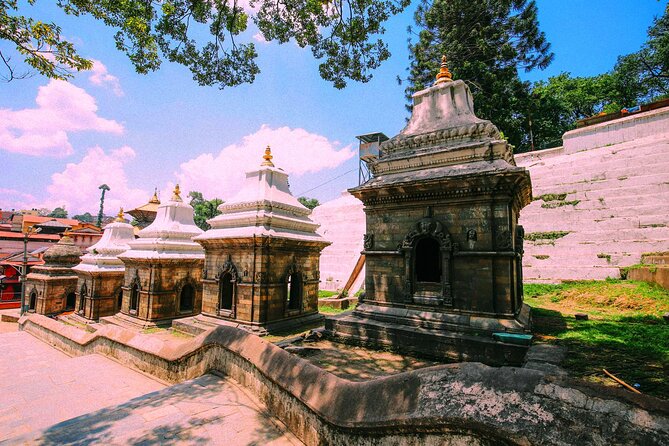
Yes—if your goal is to understand Pashupatinath, not just pass through it. The combination of temple context, crematoria cultural explanation with live scenario framing, and Sandhya Aarati on the Bagmati riverbank is exactly what makes this more than a standard temple visit.
I’d book it if you can handle a longer 4–5 hour outing and you’re comfortable with emotional weight at the crematoria. If you want a purely relaxing, low-stress sightseeing afternoon, choose something else. But if you’re ready to learn how faith works on the ground here, this tour is one of the best ways to do it with real context.
FAQ
How long is the Pashupatinath Temple, crematorium, and Aarati tour?
The tour lasts about 4 to 5 hours.
What time does the tour start in Kathmandu?
It starts at 2:00 pm.
Is pickup included?
Yes, pickup is offered.
How much does the tour cost?
It costs $90.00 per person.
What’s included in the price?
Included items are bottled water, private transportation, all fees and taxes, and expert guides. Admission tickets are included for the temple and crematoria stops listed in the itinerary.
Does the tour include Bagmati riverbank Aarati?
Yes. The tour ends with Sandhya Aarati at the Bagmati river bank.
Is this a private tour?
Yes. It’s private, and only your group will participate.
Are tips and donations included?
No. Tips for the guide and driver, and donations or offerings to sadhus or temples are not included.
Can I cancel for a refund?
You can cancel for a full refund up to 24 hours before the start time. If you cancel less than 24 hours before, the amount paid is not refunded.
Is this tour limited by mobility or accessibility?
The tour information says most travelers can participate, and a public toilet is available. Service animals are allowed.