REVIEW · KATHMANDU
Kathmandu: Guided Walking Tour with Monkey Temple
Book on GetYourGuide →Operated by Himkala Adventure Pvt.Ltd. · Bookable on GetYourGuide
Kathmandu reveals itself on foot, step by step. I love starting at the Garden of Dreams, where the noise drops and you feel the city’s softer side. My one main caution: there’s a lot of walking and a serious stair moment later, so plan for tired legs.
I also really enjoyed the Monkey Temple portion, especially with Shiva—an English-speaking guide who takes time to answer questions and connect what you see to how people live and worship.
In This Review
- Key moments that make this tour worth $15
- Meeting at the Garden of Dreams: a calm start before Kathmandu gets loud
- From Garden of Dreams into Newari streets: temples, stupas, and daily ritual
- Kathmandu’s market energy and Kathmandu Durbar Square in one sweep
- The Monkey Temple hill climb: 45 minutes up, then 365 steps down
- Stopping around the Monkey Temple: stupas, views, and a temple rhythm
- What Shiva adds: meaning, not just a checklist
- Price and logistics: why $15 can actually feel fair
- What to bring (and what to skip)
- Weather and pace: when to be flexible
- Who this Kathmandu Monkey Temple walk is for
- Should you book the Kathmandu guided walking tour with Monkey Temple?
- FAQ
- Where do I meet the guide?
- Does the tour end where it starts?
- What are the main places you visit?
- How much walking and stairs should I expect?
- What should I bring?
- Is smoking allowed?
- Is it suitable for children or wheelchair users?
- Can I cancel for a full refund?
Key moments that make this tour worth $15
- Garden of Dreams first: a quiet reset before you hit the streets
- Newari neighborhoods on real footpaths: temples, stupas, and ritual life you’d miss solo
- Market + Kathmandu Durbar Square: energy and heritage in the same day
- Monkey Temple hill climb: a 77m conical hill and plenty of stairs
- Shiva’s on-the-ground storytelling: history and meaning, not just names on signs
- Back to the start: you end at the same meeting point you began
Meeting at the Garden of Dreams: a calm start before Kathmandu gets loud
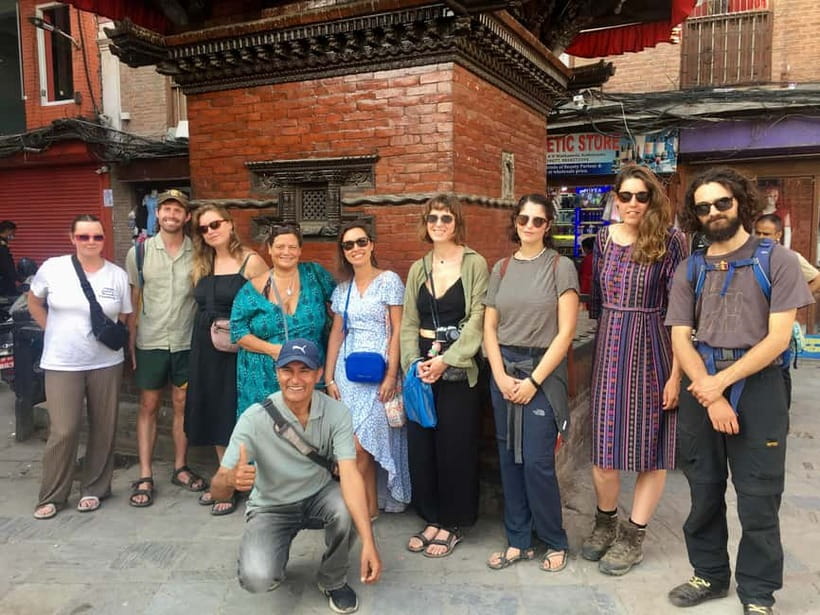
You start at the front gate of the Garden of Dreams. This matters more than it sounds. It’s a soft landing into Kathmandu—gardens, shaded paths, and that rare feeling that you’re not immediately fighting for space with the city.
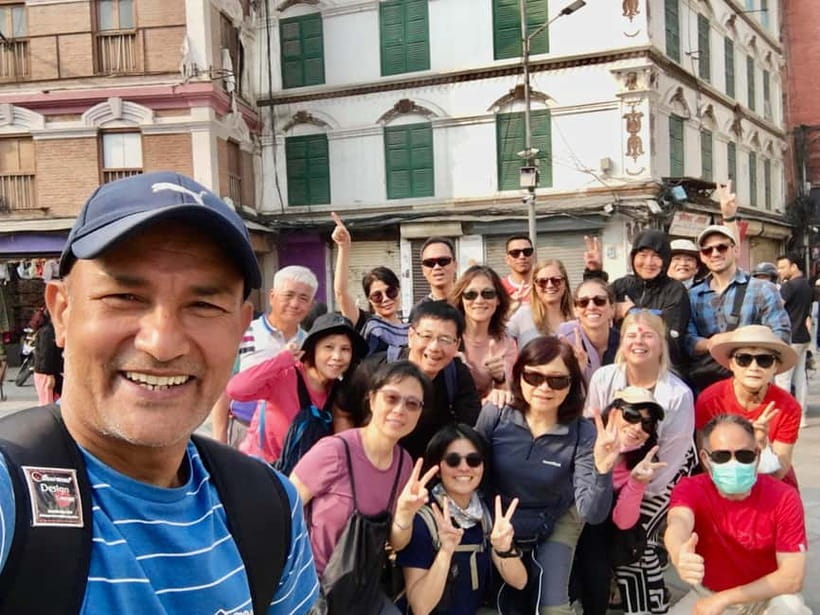
Look for your guide holding a placard that says Himkala Adventure. The meeting is straightforward, and there’s no hotel pickup. So I’d treat this like a self-guided pre-mission: get there early, take a minute to orient yourself, and then let the walk begin.
Even if you’re already staying in Thamel, you’ll still feel the shift as you leave the garden and start heading into more local areas. That transition is part of the value: you’re not just chasing photos—you’re learning how Kathmandu flows.
You can also read our reviews of more walking tours in Kathmandu

From Garden of Dreams into Newari streets: temples, stupas, and daily ritual
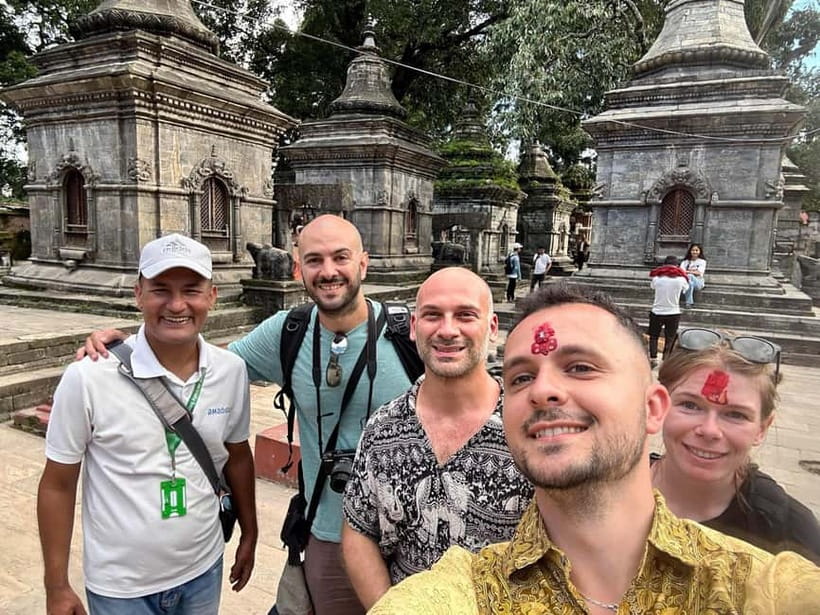
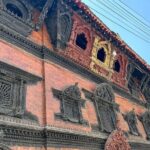
After meeting, the route moves toward local neighborhoods where you’ll see age-old stupas and temples up close. This is where a guided walk earns its keep. On your own, it’s easy to look and move on. With a guide, you start noticing what the symbols mean and how people use these spaces throughout the day.
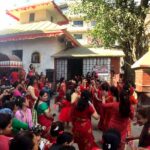
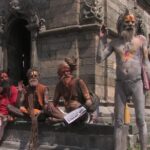
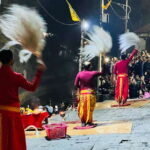
Expect to pass by places connected to everyday religious life—quiet corners, small shrines, and areas where you might see people performing ritual activities. The tour also includes a look at a cremation place along the way. That can feel intense if you’re not used to watching rituals tied to death, but it also gives real context for how religion sits inside ordinary Kathmandu life.
One practical note: this part is active. You’ll be walking through local streets, not touring museum rooms. Take your time, keep an eye on where you’re stepping, and don’t rush the moments your guide points out. The whole point is to slow down just enough to understand what you’re seeing.
Kathmandu’s market energy and Kathmandu Durbar Square in one sweep
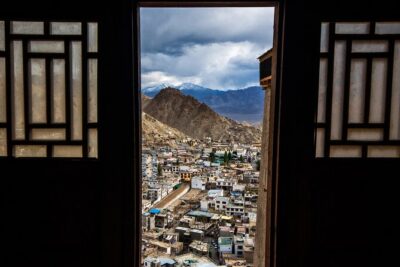
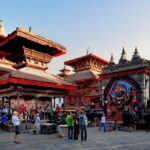
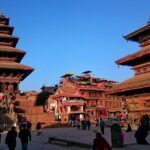
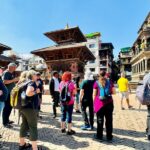
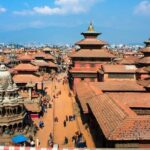
Next comes the shift into busier city scenes: the market and Kathmandu Durbar Square. This is the Kathmandu you probably pictured—crowds, movement, and layered architecture. Durbar Square-style heritage areas tend to be visually impressive, but what’s more useful is how your guide helps you read the place: what you’re looking at, why it matters, and how it fits into the city’s identity.
If you’ve ever visited a major sight and felt like you were just collecting landmarks, this is the fix. Shiva’s approach is question-friendly. You can stop, ask why something is arranged a certain way, or what a local practice signals. The goal isn’t a lecture. It’s getting your bearings fast so you understand the meaning behind the scenery.
A balanced expectation: yes, Durbar Square and market zones can feel crowded. But a guided route helps you navigate that without feeling lost, and you’ll know where to focus your attention so you don’t burn out too early.
The Monkey Temple hill climb: 45 minutes up, then 365 steps down
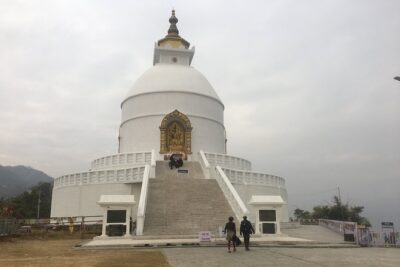
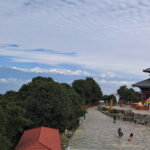
Then you reach the star of the day: the Monkey Temple area. It’s built on a conical-shaped hill that rises 77m from the ground level of Kathmandu, and it’s lovingly referred to as the Monkey Temple. This part is also tied to UNESCO World Heritage status, so you’re not only seeing a religious site—you’re seeing a site with global recognition.
Here’s what to plan for: the walk up to the hill takes about 45 minutes. After exploring the stupa and the surrounding area, you descend 365 steps. That’s not “easy sightseeing.” It’s a workout disguised as culture.
My advice is simple:
- Move at a steady pace on the way up. Don’t sprint to beat the crowd.
- Save your focus on the steps going down. That descent is where people forget to watch their footing.
- Bring water, and use small breaks if you need them.
Also, you’ll likely feel a temperature and light change compared to the lower streets. Even if Kathmandu looks sunny when you start, the hill area can feel different once you’re moving uphill. Bring sunscreen and a hat, and you’ll thank yourself later.
Stopping around the Monkey Temple: stupas, views, and a temple rhythm
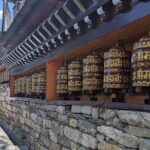
Once you reach the Monkey Temple stupa area, take time to look around. The tour doesn’t treat it like a quick photo stop. You’ll also see the surrounding area and the religious spaces that sit right in the flow of daily worship.
This is where the day clicks. Earlier, you’ve been seeing smaller temples and local rituals in neighborhood settings. Now you see a major stupa-focused site on a hill that’s literally part of the city’s skyline.
You’ll also see people interacting with the space in normal ways—pausing, praying, moving with purpose. It’s a reminder that this is not a staged attraction. It’s a living religious landscape, and that’s exactly why it’s worth the effort of the climb.
You can also read our reviews of more guided tours in Kathmandu

What Shiva adds: meaning, not just a checklist
I liked the way Shiva (your guide) shares context without making it feel like a history class. People describe him as calm and kind, but what matters for you is the way he answers questions and adjusts his pace to the group.
The tour is designed around seeing Kathmandu in layers: garden calm, neighborhood ritual, market energy, major heritage squares, then the hilltop stupa. With a good guide, those layers become connected. You start to understand why a temple or stupa is where it is, and why certain areas feel busier or quieter.
You’ll also likely learn city-specific details about the people and their traditions—enough to make your next conversations in Kathmandu feel less like you’re guessing. If you’ve ever left a day tour frustrated because you only got surface info, this is the opposite. Shiva’s strength is turning what could be a straight line of stops into a coherent story.
Price and logistics: why $15 can actually feel fair
At $15 per person, this walking tour is priced like a value option for getting a guided day in Kathmandu. You’re getting a professional guide included. You’re also getting a route that covers several top areas plus the Monkey Temple hill—so you’re not paying for just one big sight.
Where you should manage expectations:
- No hotel pickup/drop-off means you must get yourself to the Garden of Dreams meeting point.
- No meals or drinks means you’ll need to plan a snack stop or hydration before and after.
- There’s a lot of walking, including stairs, so it’s not the best deal if you’re trying to minimize physical effort.
I’d call it a good value if you want context and guidance more than you want luxury. If you want a comfortable, mostly-flat day with transportation included, you’ll probably feel the squeeze.
What to bring (and what to skip)
This is a walk you should dress for, not for style. The tour explicitly recommends:
- Comfortable shoes
- Hat
- Camera
- Sunscreen
- Water
I’d add two small practical thoughts. First: bring water even if you think you’ll find a shop right away—on a hill day, you don’t want to gamble. Second: if you’re bringing a camera, keep it accessible but don’t stop in awkward places on stair edges. Take the shot, then step aside.
And one clear rule: smoking isn’t allowed.
Weather and pace: when to be flexible
Kathmandu weather can change quickly, and the tour involves a significant amount of walking and stairs. So even if the morning looks great, pack for the possibility of heat or shifts in conditions.
The pacing is mostly on foot from stop to stop. You’re also looking at religious sites, so you’ll want to move respectfully and allow time for viewing. If you’re the type who rushes through sights, this tour will slow you down in a good way—just don’t force it.
As for group feel: it’s a guided walk in a busy city. It won’t feel like a private, quiet experience the whole time. But the structure helps you keep momentum while still stopping where it matters.
Who this Kathmandu Monkey Temple walk is for
This tour works best for you if:
- you like walking tours and want to see Kathmandu beyond one monument
- you enjoy asking questions and getting cultural context
- you’re comfortable with stairs and a climb
It’s not a great match if you have mobility impairments, wheelchair needs, or you’re traveling with young children. The tour isn’t suitable for children under 5, and it’s also not suitable for wheelchair users.
One more fit check: if you’re easily overwhelmed by religious rituals tied to death, the cremation-place stop may feel intense. It’s still part of the route for understanding the city, so decide based on your comfort level.
Should you book the Kathmandu guided walking tour with Monkey Temple?
Yes, if you want a guided day that connects multiple Kathmandu highlights into one understandable story. I think it’s a strong pick for value because $15 gets you a real guide and a route that goes beyond the obvious photo stops—especially with Shiva’s style of answering questions and slowing down at the right moments.
Book it if you can handle walking and the 365-step descent. Skip it if you want minimal effort, need frequent accessibility accommodations, or are traveling with very young kids.
If you’re ready for a full-on Kathmandu day—gardens, markets, heritage squares, and a hilltop stupa—the Monkey Temple walk is the kind of experience that makes the city feel personal, not just famous.
FAQ
Where do I meet the guide?
You meet at the front gate of the Garden of Dreams. The guide will be there holding a placard that says Himkala Adventure.
Does the tour end where it starts?
Yes. The activity ends back at the meeting point (the same place you started at the Garden of Dreams front gate).
What are the main places you visit?
You’ll see the Garden of Dreams, Kathmandu’s market, Kathmandu Durbar Square, the Newari residential area, and the Monkey Temple area and stupa.
How much walking and stairs should I expect?
Expect a significant amount of walking, including stairs. The walk to the hill takes about 45 minutes, and you descend 365 steps.
What should I bring?
Bring comfortable shoes, a hat, a camera, sunscreen, and water.
Is smoking allowed?
No. Smoking isn’t allowed during the tour.
Is it suitable for children or wheelchair users?
It’s not suitable for children under 5. It’s also not suitable for people with mobility impairments or for wheelchair users.
Can I cancel for a full refund?
Yes. You can cancel up to 24 hours in advance for a full refund.