REVIEW · KATHMANDU
15-Day Private Annapurna Circuit Trek from Kathmandu
Book on Viator →Operated by Himalaya Guide Nepal · Bookable on Viator
High passes start with smart planning. This private Annapurna Circuit trip strings together buses, cars, and trekking days so you spend more energy on the trail and less on logistics. I like that it’s built around real route moments—Marshyangdi River crossings, days in Manang for acclimatization, and the big push toward Thorong La (5416m)—instead of racing blindly.
I also like the human side: the company runs as a family team and uses WhatsApp-style coordination, plus guides named Pratap, Dinesh, Salman, and Bashudev have been praised for caring, humor, and safety focus. One consideration: lodging is described as normal on the trek, and the package does not include travel insurance or extra drinks—so you’ll want to budget for those basics.
In This Review
- Key highlights worth knowing
- A plan that reduces stress from Kathmandu onward
- Kathmandu to the Lamjung side: starting with a bus ride and river scenery
- Ghermu and Chamje: village walking, steep rhythm, and suspension bridge moments
- Chame to Manang: crossing to higher valleys and riding the forest-and-rock mix
- Manang acclimatization: the day that protects your Thorong La success
- The Thorong La build-up: last camp energy and starting early
- Jomsom and the Kaligandaki descent: optional routes and a hot spring reset
- Ghorepani and Poon Hill sunrise: short hike payoff with big mountain names
- Price and what you actually get for $995
- Guide support, safety focus, and the family-run touch
- Who this trek fits best (and who should think twice)
- Should you book this 15-day private Annapurna Circuit?
- FAQ
- What does the $995 price include?
- Are airport transfers included?
- How do you get to the trek start and then back to Kathmandu?
- Is this a private tour?
- What permits are covered?
- Is accommodation provided during the trek?
- Can I request a porter?
- Where is the meeting point and when does it start?
- What is the cancellation policy?
- What level of fitness is required?
Key highlights worth knowing
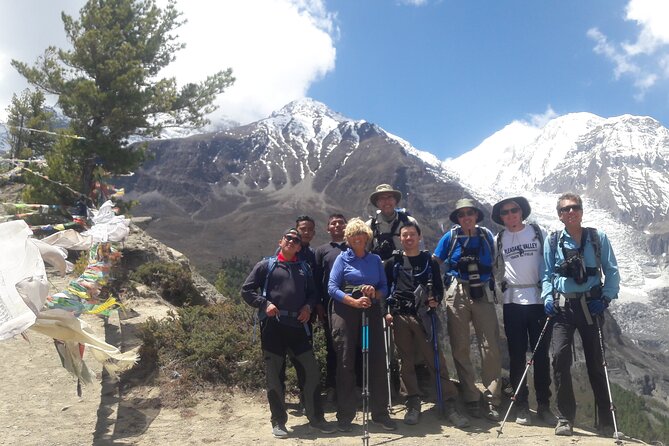
- Private group only: it’s just your group, not a mixed crowd.
- Permits included: ACAP permit and TIMS card are part of the legal package.
- Meals included daily: breakfast, lunch, and dinner throughout the trek days (15 each listed).
- Acclimatization day in Manang: an intentional pause before Thorong La.
- Route flexibility: there are optional ways to handle the Muktinath/Jomsom to Pokhara section.
- Sunrise views are built in: early hike to Poon Hill (3210m) for sunrise.
A plan that reduces stress from Kathmandu onward
The biggest win with this trek is how much it handles before you ever touch a trail. You get international airport pickup and drop, plus a chain of transport: a bus ride to the trek start area, car transfer near the end, and a deluxe tourist bus back to Kathmandu.
That matters because the Annapurna Circuit is famous for its long travel days. When those hours are pre-arranged, you can actually focus on what changes day to day: altitude, rivers, villages, and mountain views.
This package also signals a clear style: homely, family-run support with teaching of Nepali language during the trip. I’d treat that as a bonus, but also a practical advantage—learning a few basic phrases can make tea-house chats and trail questions easier.
You can also read our reviews of more private tours in Kathmandu
Kathmandu to the Lamjung side: starting with a bus ride and river scenery
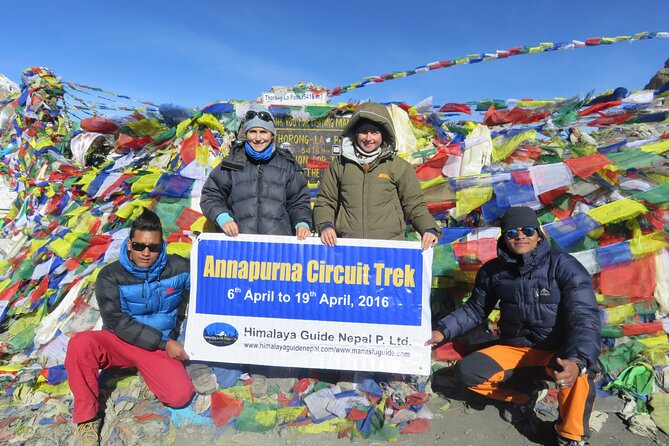
Day 1 is all about getting positioned for the trek. You take a local bus from Kathmandu toward the Besisahar-Bulbule area, with the drive passing key river scenery along the highway corridor near the Trisuli River before reaching the Muglin crossing point and continuing onward.
I like the pacing idea here. Instead of forcing a strenuous day immediately, you spend the day in transit and arrive with enough energy for the first proper walking days.
Also, this tour’s starting logistics are straightforward: the meeting point is Tribhuvan Airport in Kathmandu, and the listed start time is 10:15 am. If you prefer a clean start, that’s helpful.
Ghermu and Chamje: village walking, steep rhythm, and suspension bridge moments
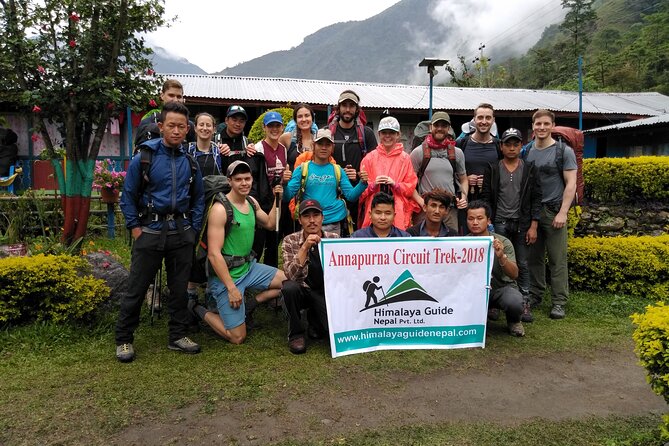
Days 2 and 3 focus on what makes early circuit trekking satisfying: small climbs, village paths, and river crossings that keep you alert.
On Day 2, you walk through villages and roads, then move along the east bank of the Marshyangdi River toward Ngadi. The route includes an uphill climb to Bahun danda at about 1270 meters, and you stop for lunch once you’re there. It’s a day that feels like you’re waking up to the corridor rather than grinding straight upward.
Day 3 pushes the feeling a bit more. After breakfast you head downhill to Syange, cross to the west bank of the Marshyangdi on a suspension bridge, then climb steeply again. The description also calls out a cliff-face crossing—exactly the kind of technical-feeling section that reminds you this is real mountain terrain, not a paved walkway.
Practical note: these early days can be deceptively tiring because you’re not at the highest altitude yet. You’re building stamina for later. That’s where a moderate fitness base matters.
Chame to Manang: crossing to higher valleys and riding the forest-and-rock mix
Day 4 leads to Chame and includes another suspension bridge moment back over the Marshyangdi. You cross to Karte and pass areas such as Dharapani and Bagarchhap (listed around 1960m) before reaching Danque around 2300m, marked by a stone entrance chorten.
I like this structure because Chame-to-Manang is where the circuit begins to feel like a long journey. You’re not just walking from lodge to lodge; you’re moving through distinct altitude bands and terrain styles.
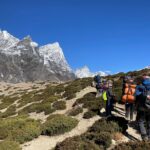
On Day 5, the trail runs through dense forest and a narrow valley, then crosses to the south bank of the Marshyangdi Khola at around 3038m. The route calls out a dramatic curved rock face rising about 1500m from the river—good to know because it’s the kind of visual that makes you stop without realizing you’re doing it.
Day 6 keeps the Manang approach flexible. If you stayed lower Pisang the night before, you can use two trail options: one follows the Marshyangdi Khola and another crosses the Khola, but they meet again at Mungji. The trail is described as passing through pine, which usually means a cooler, calmer-feeling walk compared with more exposed sections.
Manang acclimatization: the day that protects your Thorong La success
If you only remember one part of this trek, make it Day 7 in Manang. This is explicitly a rest/acclimatization day before pushing toward Thorong La at 5416m.
That’s not a luxury stop. It’s the practical reason many people make it comfortably into the highest segment. Even with guides, altitude works on your body, not on your schedule. A built-in pause is smart.
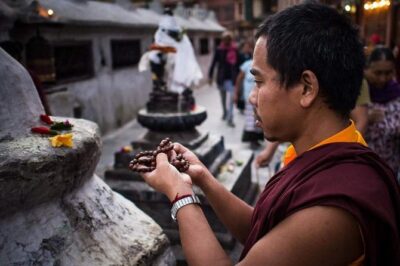
There’s also an optional explore element. You can visit a Lama (monk) area listed with a suggested 100 rupees donation. This kind of detail matters because it tells you the day isn’t only about resting in a bed; it can include a meaningful stop that also helps you understand local customs.
Day 8 continues the climb, moving from Manang toward Tanki village and up through Ghungsang. The route leaves the Marshyangdi valley and continues along the Jar Sang Khola valley northward, passing pastures. This is where you can start to feel the circuit turning more toward high-altitude grazing country.
You can also read our reviews of more hiking tours in Kathmandu
The Thorong La build-up: last camp energy and starting early
Days 9 and 10 cover the Thorong La Pass approach and the day that starts early for a long climb.
On Day 9, you reach the last camp before crossing the pass, following yak grazing grounds along what’s described as a Nepali flat before dropping to Jarsang Khola. There’s a crossing of Jarsang Khola (about 20 minutes described) and a move up to Durali Tea shop, which becomes a practical checkpoint.
Day 10 is about the final leg setup. The description notes Phedi means food of the hill and frames this as the last night of hard work and a long day. You start early because of the long climb.
Even without extra details about weather, the altitude alone should drive your expectations. Thorong La at 5416m is the kind of day where slow and steady usually wins, and where feeling rushed can backfire. The tour’s early-start structure is exactly what you want for this segment.
Jomsom and the Kaligandaki descent: optional routes and a hot spring reset
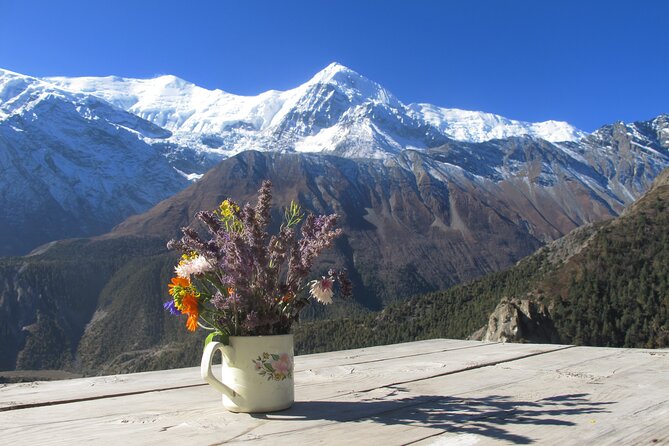
Day 11 is a pivot day. The plan includes optional routes from Muktinath to Tatopani or Pokhara, and it specifically mentions a shortcut option: a short flight from Jomsom to Pokhara, then walking through Tatopani over about 3 days with Marpha, Ghasa, and Tatopa.
I like having options here because this section is where fatigue can vary a lot between hikers. If you want more trekking, you can choose the longer walking route. If you want fewer long travel hours, the flight shortcut exists.
Day 12 is Shikha, starting with a wonderful day at hot springs, then trekking down. The route includes crossing a suspension bridge over the Kaligandaki River and then continuing by the Burung Khola for a while before reaching the junction area described in the itinerary.
Hot spring time is a smart recovery idea. When you’ve already crossed the pass, getting a chance to ease some soreness before pushing into the final trekking days can make the last stretch feel more manageable.
Ghorepani and Poon Hill sunrise: short hike payoff with big mountain names
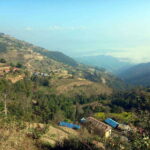
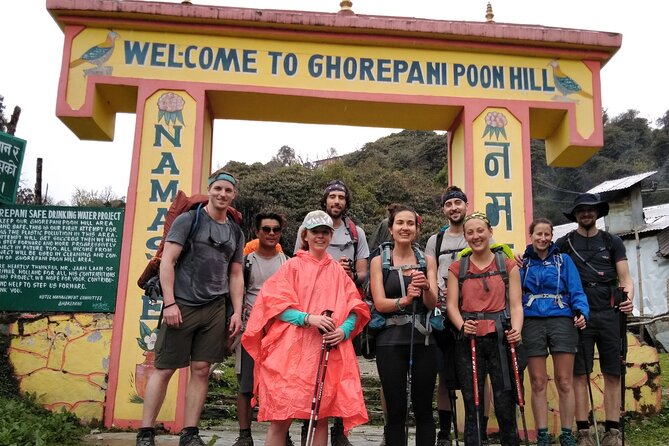
Day 13 takes you toward Ghorepani through Magar villages—Phalate and Chitre—plus terraced fields. The route runs through dense rhododendron and pine forest, which should feel like a switch from the drier, higher-grazing vibe toward a greener, more sheltered walk.
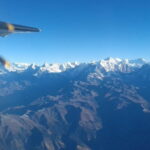
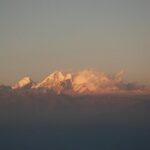
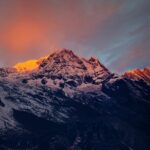
Day 14 is the classic sunrise payoff: an early hike up to Poon Hill at 3210m for sunrise views. The itinerary lists standout peaks visible in the view field, including Dhaulagiri, Tukuche Peak, Nilgiri, Annapurna South, and Himchuli.
One small practical detail I really appreciate: this day is timed for the sunrise moment, not an all-day sightseeing binge. It’s just long enough for the payoff and then you move onward toward Pokhara lakeside.
Day 15 brings you back to Kathmandu from Pokhara, with multiple service options like a tourist bus, plus a farewell dinner to close the loop.
Price and what you actually get for $995
At $995 per person, the big question is what’s bundled versus what you’d pay anyway on your own. Here, the package includes a lot of the hidden costs that usually sneak up on trekking budgets.
You get legal permits (ACAP permit and TIMS card), a guide with salary/equipment/insurance/transport and lodging, and trek lodging described as normal. You also get transport: airport pickup and drop, a bus to Bulbule (6–7 hours drive), public transportation on the Muktinath to Tatopani leg, car transfer from Nayapul to Pokhara, and a deluxe tourist bus back to Kathmandu.
Then there’s the daily food plan. The itinerary lists breakfast (15), lunch (15), and dinner (15). If you’ve ever trekked without a full meal plan, you know how expensive and annoying it can be to keep sourcing consistent food.
So the value angle is pretty clear: you’re paying for logistics, a guide’s full support, and the core “live on the trail” services, not just a route map.
What’s not included matters too. Extra nights and meals in Kathmandu and Pokhara are on you, and you’ll pay for travel insurance, plus hot/cold drinks and personal items like laundry, phone charging, shower extras, and boiled water. Porter service is not included, though the company is happy to organize one per request.
Guide support, safety focus, and the family-run touch
This company’s reputation in the information you provided is about more than technical competence. People highlight how responsible, friendly, and caring the support feels, with safety repeatedly mentioned as a priority. The most consistent theme is that guides don’t just lead; they manage the trip atmosphere.
Names that show up in the feedback include Bhai Pratap, Chandra (arrangements through WhatsApp), Dinesh, Binoot/Binute, Salman, and Bashu/Bashudev. I can’t promise which guide you’ll get on your exact dates, but the pattern suggests the company staffs with people who are comfortable with both mountain guidance and day-to-day reassurance.
I also like the idea of Nepali language teaching during the trek. It’s small, but it can change how connected you feel when you’re stopping for tea and listening to local conversation.
One more practical perk: this is a mobile ticket setup and pickup is offered. That usually cuts down last-minute confusion around transport and timing.
Who this trek fits best (and who should think twice)
This trek is listed for people with moderate physical fitness. That’s a fair match for the schedule because it includes varied walking days and a clear acclimatization day in Manang. It also includes the high point approach to Thorong La, so you shouldn’t treat this as an easy hike.
Private group format makes it a good fit for:
- couples or small groups who want control over daily pace
- hikers who prefer not to join a larger mixed group
- anyone who values clear support on route logistics
Think twice if you want a fully comfort-focused trip. Trek lodging is described as normal, and the plan does not include extra nights in Kathmandu or Pokhara. Also, you’ll need to handle your own travel insurance and pay for non-meal drinks and personal extras.
Should you book this 15-day private Annapurna Circuit?
I think this is a strong booking when you want the Annapurna Circuit experience with less administrative hassle. The permits + full meal plan + guide support + transport web are doing a lot of the heavy lifting for you, and the built-in Manang acclimatization day is exactly what you want before the Thorong La segment.
Book it if you:
- want a private group setup
- like having a guide who manages pace and safety
- want sunrise views at Poon Hill without turning the trip into a chaos calendar
I’d hold off if you:
- need lots of included comfort upgrades on lodging
- are not willing to budget for drinks, hot water/shower-related extras, and travel insurance
- prefer to design every transport leg yourself
If you’re the type of traveler who likes clear structure and real mountain walking, this one looks like a solid value.
FAQ
What does the $995 price include?
The price includes international airport pickup and drop (airport to hotel to airport), a bus ticket to Bulbule, public transportation on the Muktinath to Tatopani leg, car to Pokhara from Nayapul, and a deluxe tourist bus from Pokhara to Kathmandu. It also includes normal lodge accommodation on the trek, an experienced guide, legal documents (ACAP permit and TIMS card), government taxes, and breakfast, lunch, and dinner for 15 days, plus a token and farewell lunch or dinner.
Are airport transfers included?
Yes. The tour includes international airport pick up and drop service from the airport to your hotel and back to the airport.
How do you get to the trek start and then back to Kathmandu?
Day 1 includes a bus ride from Kathmandu to the Bulbule area (6–7 hours drive). Near the end, the trek ends at Nayapul and then you go to Pokhara by car, and from Pokhara to Kathmandu you take a deluxe tourist bus. From Pokhara to Kathmandu on the final day, the description also mentions options like a tourist bus.
Is this a private tour?
Yes. It is listed as a private tour/activity, and only your group will participate.
What permits are covered?
The tour includes legal documents: the ACAP permit and the TIMS card.
Is accommodation provided during the trek?
Yes. Lodge accommodation is included on the trek, described as normal.
Can I request a porter?
Porter service is not included in the base package, but the company says it can organize a porter per request.
Where is the meeting point and when does it start?
The meeting point is Tribhuvan Airport, Kathmandu, Nepal, with a listed start time of 10:15 am.
What is the cancellation policy?
Free cancellation is available. You can cancel up to 24 hours in advance for a full refund; if you cancel less than 24 hours before the start time, the amount paid will not be refunded.
What level of fitness is required?
The additional info says travelers should have a moderate physical fitness level. The schedule includes acclimatization and a high mountain pass approach, so you should be comfortable with multi-day trekking.