REVIEW · KATHMANDU
Langtang Valley Trek
Book on Viator →Operated by Nepal High Trek & Expedition Pvt. Ltd · Bookable on Viator
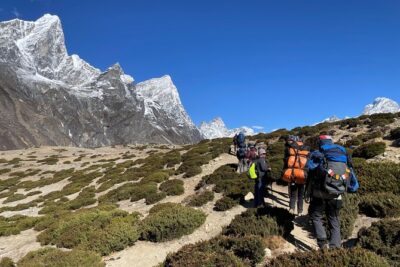
Snow peaks and slow paths in one week. Langtang Valley Trek is a Himalaya intro that keeps things manageable while still delivering real mountain drama and Tamang culture. I like how the program starts with an overland drive from Kathmandu, then moves into gradual trekking in and out of forests, river gorges, and small villages—ending at Kyanjin Gompa, a classic Langtang viewpoint area.
Two things I really like: first, the trek runs with a dedicated licensed mountain guide for 7 days, plus the required Langtang National Park permit and TIMS handled for you. Second, the day-to-day logistics feel covered, with private accommodation during the trek, planned meals (breakfast, lunch, dinner), and even hot drinks and seasonal fruit during the hike. One consideration: this is a full week with long travel days and walking hours, so it rewards people with moderate fitness who can handle uneven paths and some steep moments.
In This Review
- Key Things That Make This Trek Worth Your Time
- Why Langtang Fits So Well for First-Time Trekkers
- Price and Logistics: What Your $555 Actually Buys
- The Week at a Glance: How the Itinerary Feels Day by Day
- Day 1: Kathmandu to Syabrubesi via Early Overland Drive
- Day 2: Syabrubesi to the First Forest-and-River Trek Day
- Day 3: Lama Hotel to Langtang Village Through Gorges and Cooler Air
- Day 4: The Push to Kyanjin Gompa
- Day 5: Valley Time, Then Down to Lama Hotel
- Day 6: Lama Hotel to Syabrubesi, Finishing the Loop
- Day 7: Back to Kathmandu by Morning Drive
- The Guide Factor: What Makes This Trek Work Smoothly
- What You Eat and Drink Along the Trail
- What to Pack (Without Guessing the Impossible)
- Who This Trek Suits Best
- Should You Book the Langtang Valley Trek?
- FAQ
- What is the duration of the Langtang Valley Trek?
- What time does the trek start?
- Are pickup and transportation included?
- What permits are included in the trek price?
- What meals and drinks are included during the trek?
- Is the porter cost included?
- Is free cancellation available?
Key Things That Make This Trek Worth Your Time
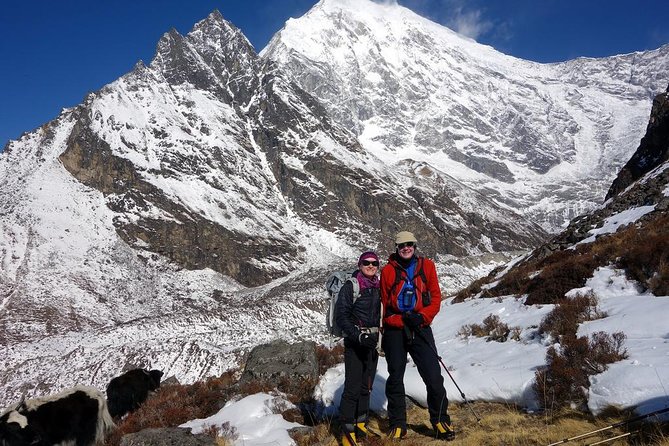
- Guide-led pacing with a government-licensed mountain guide for the full 7 days
- Permits handled: Langtang National Park permit plus TIMS card are included
- Private accommodation for 6 nights during the trek (not just simple lodge hopping)
- Kathmandu-to-trek flow with pickup offered and local sharing jeep transportation both ways
- Kyanjin Gompa as the payoff point, with a major climb from the forest edge
- Food support that matters at altitude, including 3 cups of hot beverages daily and included meals
Why Langtang Fits So Well for First-Time Trekkers
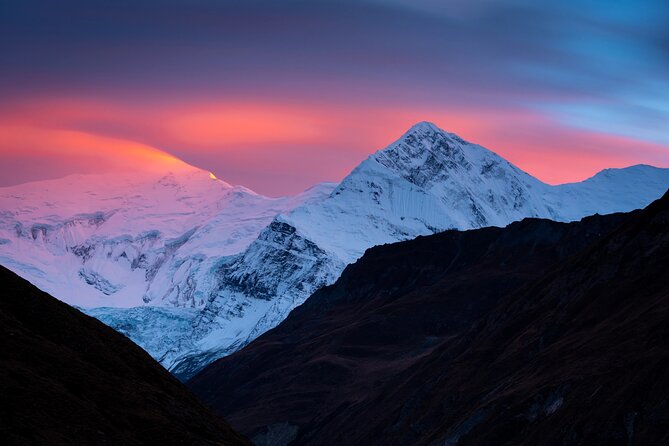
Langtang Valley is one of Nepal’s better “training wheels” treks because it’s built for steady progress. You get the rhythm of trekking—morning starts, walking through changing terrain, then time to recover at the next stop—without the kind of extreme altitude exposure some high-famous routes demand.
The big win is that you’re not just walking for photos. You’re moving through places where the mountains are part of daily life: river crossings, forest stretches, farm zones, and village stops where culture is close at hand. Even the way the itinerary is structured pushes you gently uphill for most of the trip, then brings you back down in stages, which keeps your legs from feeling like they’re being punished nonstop.
Also, the program is explicitly aimed at people with moderate physical fitness. That doesn’t mean it’s easy. It means the schedule is realistic, the terrain is gradual more often than not, and the guide is there to manage the pace.
You can also read our reviews of more hiking tours in Kathmandu
Price and Logistics: What Your $555 Actually Buys
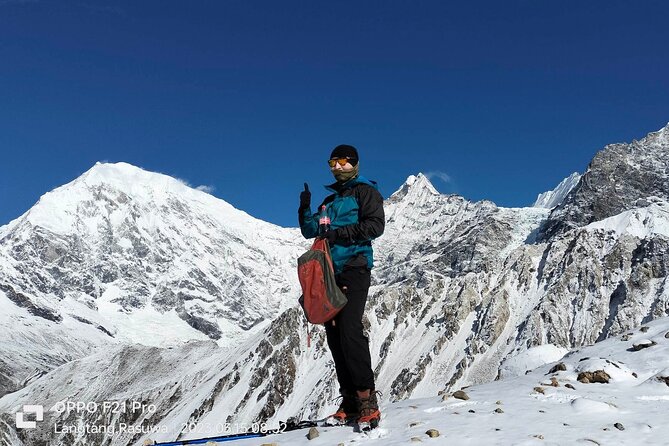
At $555 per person, this isn’t a “bare-bones” trek. The value comes from what’s included, especially if you’d otherwise be spending time (and stress) coordinating permits, transport, and basic services.
Here’s what you’re getting that normally costs time or money on your own:
- Government-licensed guide for 7 days
- Langtang National Park Permit + TIMS card
- Both-way transportation by local sharing jeep
- 6 nights private accommodation during the trek
- All meals listed for 7 days: breakfast (7), lunch (7), dinner (7)
- 3 hot beverage cups per day during the trek
- Seasonal fruits during the trek
- A medical kit bag
- Pickup offered, plus a mobile ticket
What isn’t included matters too:
- Your travel insurance
- City hotel in Kathmandu
- Tips for the trekking crew
- Optional porter cost and private jeep (listed as $190 per booking)
If you want a simple way to judge value: compare the included guide + permits + jeep transfers + private trek accommodation + full meals. That bundle is where your money goes. The optional porter/private jeep is there for comfort, not because the trek is otherwise unsupported.
One more practical note: the tour runs as a private tour/activity with only your group participating. That’s not just a comfort perk. It often means your pacing and stops can be handled more flexibly than with a mixed crowd.
The Week at a Glance: How the Itinerary Feels Day by Day
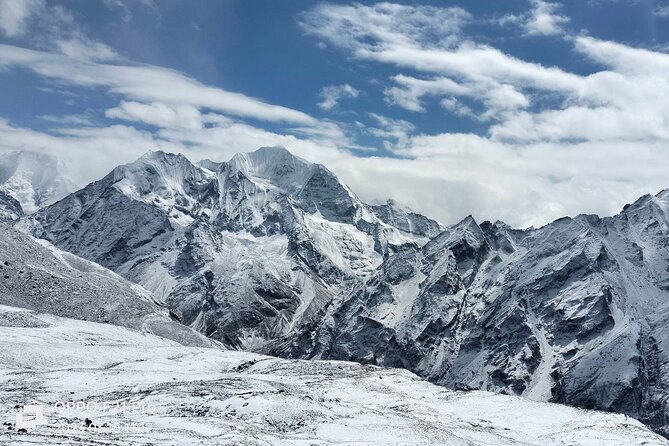
This trek is set up as a 7-day loop that starts in Kathmandu, moves north toward Langtang, and then returns you to Kathmandu by the end.
Day 1: Kathmandu to Syabrubesi via Early Overland Drive
You start with an early departure—around 6:45 am—with pickup from your hotel. Then it’s an overland drive north toward the Langtang Himalaya side. Expect long road time and plenty of roadside views of snow-capped peaks when the weather cooperates.
You end in Syabrubesi, which functions as your gateway village. This is usually the day your body wakes up to the idea of trekking. You’ll want to treat the evening like a warm-up session: hydrate, eat normally, and don’t plan anything too ambitious beyond getting ready.
Potential drawback: travel days are long. If you’re the type who gets restless sitting still for hours, plan something calming for the jeep ride (simple podcasts, music, a book).
Day 2: Syabrubesi to the First Forest-and-River Trek Day
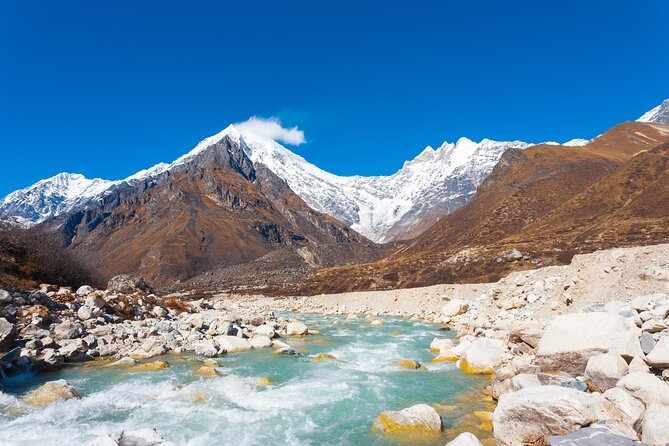
Your hiking begins in the morning trail from Syabrubesi. You cross a bridge over the Langtang River, then climb into farm areas and head into a green, dense forest.
This is a good day to get your trekking rhythm. The route pattern—bridge, then a gradual uphill push—tends to be friendly for first-timers because it helps you focus on consistent steps instead of sudden altitude battles. You finish at your first overnight stop (the trip then sets you up for a next morning departure from Lama Hotel).
What to watch: forest trails can feel uneven even when they’re not steep. If your feet aren’t used to trekking shoes, this is where you’ll notice it.
Day 3: Lama Hotel to Langtang Village Through Gorges and Cooler Air
Today starts with a morning walk upstream along the river. The trail moves through deeply forested areas and a gorge—terrain that feels more “moving through the mountain” than just hiking along a path.
You then head past places like Ghodetabla, and the description suggests a cooler shift as you approach Langtang village, where you overnight. This village stop matters. It’s where the trek stops feeling like a corridor and starts feeling like a place.
You’ll likely find that people here treat the mountain as a neighbor. Even without a formal cultural event, the setting makes it easier to understand why trekking through Langtang feels more personal than “just” a viewpoint hike.
Day 4: The Push to Kyanjin Gompa
This is the day with the biggest emotional payoff: a trek to Kyanjin Gompa, the final and major destination.
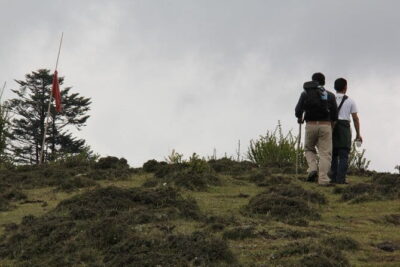
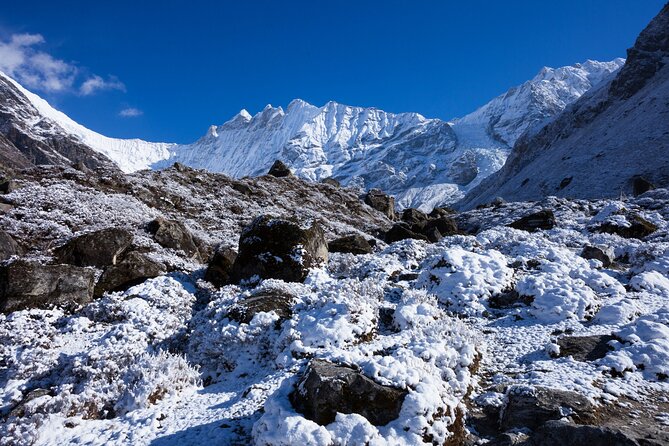
The walk includes a short steep climb as you leave the forested area and reach a ridge. From there, the trail leads toward the gompa region. This is the day your legs start bargaining with your brain, and your brain usually wins once you can see what you’re climbing toward.
Why this day matters: Kyanjin Gompa is a focal point of the route. Reaching it at the right time—after the gradual build of the previous days—turns the trek into something more than “five days of hiking.” It feels like arriving.
Day 5: Valley Time, Then Down to Lama Hotel
After a rewarding morning and time around Kyanjin and the Langtang Valley, the route turns downhill back toward Lama Hotel, with an overnight stop there.
Downhill days can be either relaxing or brutal, depending on your technique. If you take short steps, keep your balance, and use trekking poles (if you have them), downhill becomes a relief instead of a quad workout.
This day is also where your body starts to relax into the schedule. You’re not chasing a destination for the first time. You’re savoring the valley and then returning in a controlled way.
Day 6: Lama Hotel to Syabrubesi, Finishing the Loop
Today is a longer walking arc back through forested terrain toward Syabrubesi. The plan includes downhill travel, with a bridge crossing again along the way, then arriving for your last overnight halt around Langtang Himal.
This is one of those days where it helps to measure progress by energy, not by the clock. If you pace steadily, you’ll get to the village without feeling wrecked.
Also, it’s a good day for small resets: clean socks, dry your gear a bit, and get an early night, since tomorrow is the return push.
Day 7: Back to Kathmandu by Morning Drive
You finish with a drive back to Kathmandu. The morning trek described is followed by overland travel, giving you a transition day from mountain routine into city time.
After a week like this, Kathmandu feels loud and fast. But that’s also part of the satisfaction: you get real mountain time, then you’re back where you can shower, eat freely, and sleep horizontally.
The Guide Factor: What Makes This Trek Work Smoothly
When a trek is run well, you feel it in small moments: the pace makes sense, the permits are already squared away, and you’re not guessing what’s next. This program is built around that kind of structure.
One detail that really matters: you travel with a government license holder mountain guide for 7 days, and there’s a medical kit bag included. That doesn’t mean you’ll need it. It means the trip treats safety as a normal part of planning, not as an afterthought.
The guides’ names that show up often in feedback include Buddhi, Laku, Pawan, and Nabin. Porters also come into the story, like Tenjin. When you see that kind of consistency, it usually points to a team that can handle the practical side of trekking—keeping things efficient, adjusting plans when needed, and communicating clearly.
If you’re worried about your first trek being confusing, this is the upside. You’ll have someone who can translate the route rhythm into something you can manage.
What You Eat and Drink Along the Trail
Food isn’t glamorous, but it’s the engine of a good trek. This trek includes full meal coverage:
- Breakfast (7)
- Lunch (7)
- Dinner (7)
During trekking days, you also get 3 cups of hot beverages per day and seasonal fruits. That may not sound like a big deal on paper, but when you’re walking and your hands are cold or your appetite is off, hot drinks make the rest stop feel like a reset button.
Practical tip: treat the included fruit and hot drinks as part of your hydration plan. It’s easier to stay steady when you’re not relying only on water.
What to Pack (Without Guessing the Impossible)
The tour info confirms that you’ll get permits, meals, and a medical kit bag. It does not list a packing list for you, so you should still think like a responsible first-timer.
At minimum, plan for:
- trekking shoes that can handle uneven paths
- layers for morning starts and colder ridge moments
- a rain layer, because mountain weather can turn fast
- a daypack for water, snacks, and a layer you can grab instantly
- basic toiletries and blister prevention
And if you’re considering the optional porter cost and private jeep, think of it as comfort. The trek can be done with the standard setup, but extra help can reduce fatigue if you’re carrying more than you should.
Who This Trek Suits Best
This is a strong match if:
- you want a beginner-friendly Himalayan experience without an extreme, high-stress itinerary
- you prefer gradual terrain and clear stages (walk, overnight, next day)
- you like the idea of guided logistics—permits, meals, accommodation, and transportation organized for you
- you want a private group setup rather than joining a mixed crowd
It might not be ideal if:
- you hate long sitting time in a vehicle on day 1 and day 7
- you expect a short, light walk with minimal changes in trail grade
Should You Book the Langtang Valley Trek?
I’d book this trek if you want an honest first Himalaya step with real planning behind it. The biggest reasons are the included structure—licensed guide, permits, jeep transfers, private accommodation, and full meals—and the way the route hits a meaningful destination in Kyanjin Gompa after several days of steady trekking.
If you’re on the fence because you’re worried about difficulty, take comfort in the way the trek is built: gradual terrain, moderate difficulty, and a route that tends to move you forward without constant shock climbs. Just be sure you can handle long walking days and uneven footing. That’s the one area where your own preparation matters most.
FAQ
What is the duration of the Langtang Valley Trek?
The trek is listed as 7 days (approx.).
What time does the trek start?
The start time is 6:45 am.
Are pickup and transportation included?
Pickup is offered, and both-way transportation by local sharing jeep is included.
What permits are included in the trek price?
The Langtang National Park permit and the TIMS card are included.
What meals and drinks are included during the trek?
Breakfast, lunch, and dinner are included for 7 days. During the trek you also get 3 cups of hot beverages per day, plus seasonal fruits.
Is the porter cost included?
Porter cost is not included. An option for porter cost and private jeep is listed at $190 per booking.
Is free cancellation available?
Yes. Free cancellation is available if you cancel up to 24 hours in advance for a full refund.