REVIEW · KATHMANDU
Everest Base Camp Trek
Book on Viator →Operated by Outfitter Nepal · Bookable on Viator
Big mountain days start with a small plane. This Everest Base Camp trek turns a scary logistics puzzle into an organized route, with permits taken care of and daily running explained up front.
I really like that you’re not stuck arranging the big stuff yourself—guides and porters are part of the plan, plus you get accommodations during the trek and time in Kathmandu. Even in messy situations like a monsoon wrecking roads, the team handled changes openly and honestly, and guides like Kiran showed up as calm, patient leaders in the middle of chaos.
One thing to consider: this trek is still altitude and weather math. The itinerary expects solid hiking days—then adds the big effort day toward Kala Patthar at 5,545 m—so you’ll want real stamina and flexibility when conditions shift.
In This Review
- Key points that matter before you book
- Why guided Everest Base Camp makes life easier at altitude
- Price and logistics: what the $1,300 actually buys you
- Meeting in Kathmandu: the 6:15 am start at Tribhuvan
- Lukla and the first descent: Day 1’s 2886 m to 2610 m reality
- Namche Bazaar acclimatization: Day 2 plus the rest day on purpose
- Tengboche to Dingboche: the climb with big views and bigger breath
- Lobuche and Gorakshep: Day 7 builds strength, Day 8 earns the summit day
- Everest Base Camp plus Kala Patthar: the most intense day cluster
- The return loop: Pheriche to Namche to Lukla
- Guides and porters: what support looks like on the trail
- Gear, meals, and small costs you should plan for
- Weather, safety, and the non-optional part of altitude
- Who this trek suits best
- Should you book this Everest Base Camp trek?
- FAQ
- Where does the trek start in Kathmandu?
- How long is the Everest Base Camp trek?
- What transportation is included?
- Are guides and porters included?
- What does the itinerary include for lodging and meals during the trek?
- Are permits and paperwork handled for the trek?
- Do I need a visa for Nepal?
- Is travel insurance required?
- What’s not included in the cost?
- How many travelers are in a group?
- What happens if the trek can’t run due to weather?
Key points that matter before you book
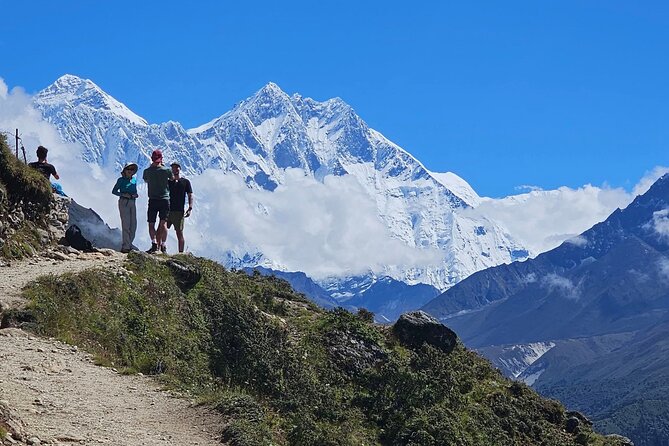
- Permits and paperwork handled so you don’t lose days to forms and rules
- Lodges/tea houses on the route with breakfast, lunch, and dinner included during the trek
- Acclimatization built in with rest days at Namche Bazaar and Dingboche
- Lukla flight, flight-out plan with Kathmandu–Lukla–Kathmandu included
- Small group size (up to 14) which keeps the trek from feeling like a traffic jam
- Guide-led attention on details with real examples of patient support, including guides like Arjun and Dinish going out of their way for comfort
Why guided Everest Base Camp makes life easier at altitude
Everest Base Camp is the kind of dream that tempts people to under-plan. That’s a mistake at altitude. A guided trek helps because it handles the stuff that can break your trip before you even start climbing: permits, route coordination, lodge planning, and emergency planning.
Here, the big advantage is that the trek comes packaged with the key infrastructure. You get an experienced guide, and the logistics are set so you can focus on the work that actually matters: walking steadily, adjusting to thinner air, and staying safe. On top of that, the tour includes sleeping bag and down jacket rental, plus a trekking map (returned after). That means fewer last-minute shopping sprees, and less hassle the night before your flight.
I also like the practical attitude toward the real world. One group dealt with major disruptions after monsoon conditions affected travel on the ground. The takeaway is simple: when Nepal throws weather at you, you want a team that responds instead of freezing. The presence of guides like Kiran, Dinish, and Arjun in past departures is a good sign that support is a core part of the program, not an afterthought.
You can also read our reviews of more hiking tours in Kathmandu
Price and logistics: what the $1,300 actually buys you
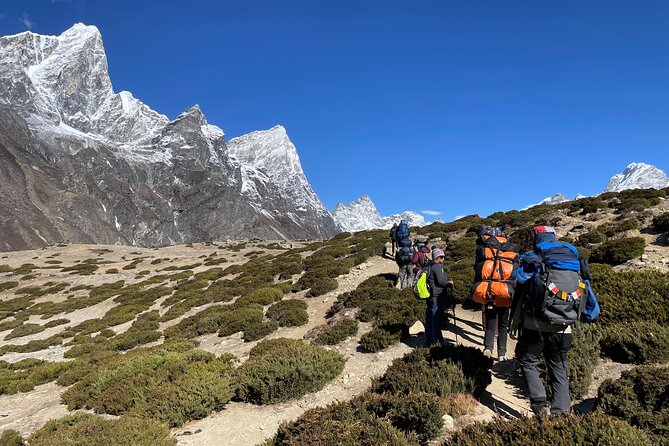
At $1,300 per person for about 12 days, you’re paying for a full package built around moving through the Khumbu efficiently. The “value” isn’t just the headline price—it’s what’s bundled.
Included in the package:
- Domestic flight fare Kathmandu–Lukla–Kathmandu, with domestic airport tax
- Private vehicle transfers for hotel/airport moves
- Lodges/tea houses during the trek, plus four nights in Kathmandu
- All government taxes/VAT/service charge
- Breakfast, lunch, dinner during the trek
- An emergency helicopter service arrangement, paid by your travel insurance company
- Guide support, including guide salary/food/accommodation/transport/insurance
Not included (plan for these):
- Nepal visa fee (you can get it on arrival; $40 USD for one month, plus 2 passport photos)
- Travel insurance (compulsory)
- Kathmandu hotel and food while you are there (despite trekking-side meals being included, the Kathmandu meals/hotel are listed as not included)
- Entrance fee for the Everest Base Camp trek: $40 per person
- Drinks, snacks, and extra comforts like hot shower and battery charge
- Tips for guide and staff
- If you want a porter: $20 per day (listed as $220 per person)
Here’s the honest value check: if you were trying to plan this on your own, you’d spend time and money on permits, lodging coordination, domestic flights, and safety planning. This package folds those costs into one price. You still have personal spending, plus visa/entrance fees, but the big logistical load is carried for you.
Meeting in Kathmandu: the 6:15 am start at Tribhuvan
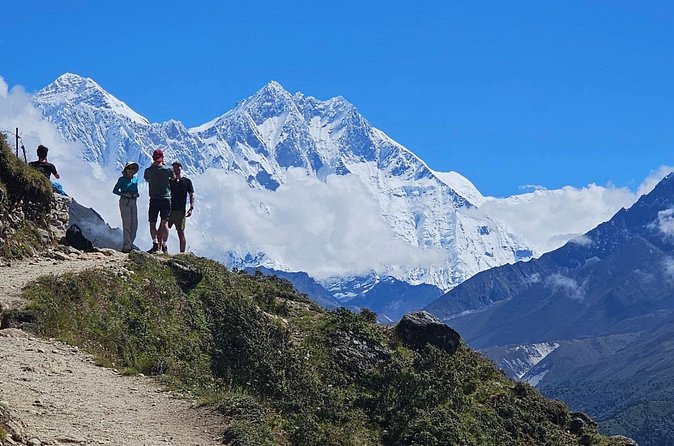
Your trip starts with an early move—6:15 am at Tribhuvan Airport in Kathmandu. If you’re coming from outside the city, factor in the “get there before dawn” pressure. The tour notes pickup offered, and it includes domestic transfers by private vehicle, which helps a lot with timing.
From a comfort standpoint, the early start matters. Lukla flights can be weather-dependent, and your day can shift. The more calmly you handle morning logistics, the less likely you are to turn a stressful day into an exhausting one.
Also, the trek is capped at 14 travelers. That’s a meaningful detail. Smaller groups tend to keep the flow smoother at checkpoints and on narrow paths. It’s still busy in peak seasons, but you’re not trapped in a huge herd.
Lukla and the first descent: Day 1’s 2886 m to 2610 m reality
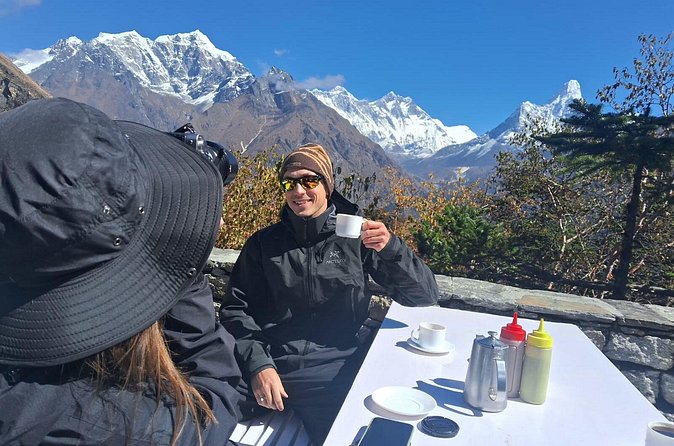
Day 1 is a jump-start: fly from Kathmandu to Lukla (2,886 m), then trek to Phakding (2,610 m) in about 4 hours.
Why it works: you land at height, but you’re not immediately doing a steep “up” day. Dropping to Phakding can feel odd—until you remember that your body needs time to settle. The goal is to get moving without burning yourself out.
Practical note: the flight is part of the magic and part of the risk. You want good sleep the night before, and you want to keep expectations realistic. Even when everything is planned, weather can shift schedules.
Namche Bazaar acclimatization: Day 2 plus the rest day on purpose
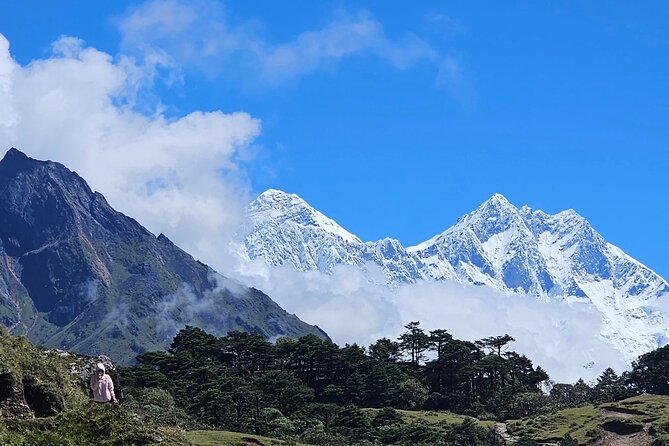
Day 2 trek: Phakding to Namche Bazaar (3,440 m), around 6 hours. Then Day 3 is a rest day at Namche Bazaar for acclimatization.
Namche isn’t just a town. It’s a rhythm-setter. You’ll feel the altitude more here, and you also get to observe how people manage the pace. That rest day is not a bonus; it’s a tool. The trek’s whole structure depends on your ability to acclimatize, and Namche is the first big checkpoint where the plan slows down on purpose.
What you should do on that rest day:
- Keep movement gentle (you’re learning your body’s limits)
- Drink water and eat what you can
- Save effort for the days that follow
One more thing: Namche is where you’ll likely start noticing how small choices affect comfort—walking too fast, eating too little, or skipping hydration can make later days feel harder than they need to.
Tengboche to Dingboche: the climb with big views and bigger breath
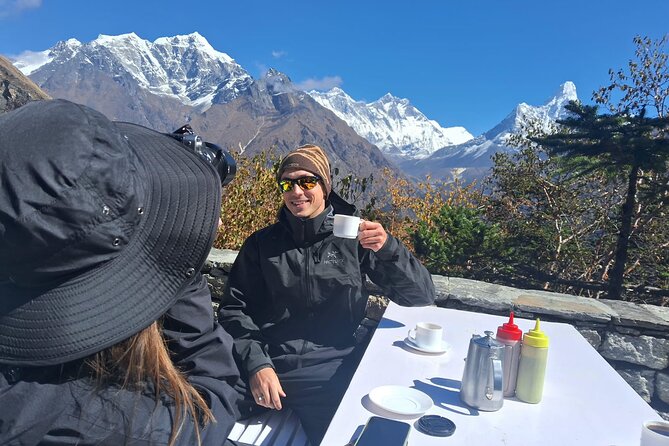
Day 4: Namche Bazaar to Tyangboche (3,867 m), about 5 hours.
Day 5: Tyangboche to Dingboche (4,260 m), about 5 hours.
Day 6: rest day at Dingboche (4,260 m).
This section is where the trek becomes unmistakably Himalayan. The days are long enough to feel like work, but they’re paced to keep acclimatization in the game.
Tyangboche to Dingboche especially can feel like it’s teaching you control. You don’t want to power-walk. You want smooth steps, steady breathing, and short stops when needed. That’s where a guide earns their keep—by helping you keep your pace realistic instead of pushing based on adrenaline.
The second rest day at Dingboche matters because you’re climbing toward higher zones next. It’s the kind of plan that reduces the risk of getting in over your head too quickly.
Lobuche and Gorakshep: Day 7 builds strength, Day 8 earns the summit day
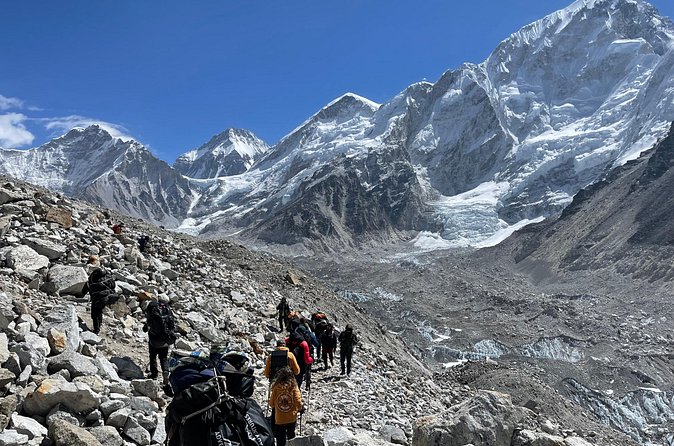
Day 7: Dingboche to Lobuche (4,930 m), about 5 hours.
Day 8: Lobuche to Everest Base Camp via Gorakshep, around 6–7 hours (with lunch and dinner included).
This is where mental stamina becomes as important as physical fitness. Your body is now working at thin air. Lodges exist at these heights, but comfort is limited by conditions—expect simple. Focus on eating, drinking, and taking rest breaks when your breath tells you to.
Gorakshep is essentially your staging point. Reaching Base Camp is the headline, but the real win on Day 8 is having enough gas left in your body to enjoy the place. Arriving exhausted reduces the reward.
Everest Base Camp plus Kala Patthar: the most intense day cluster
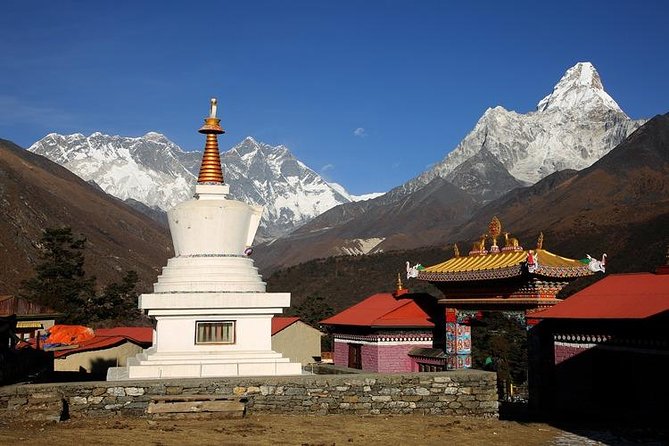
Day 8 includes the push to Everest Base Camp (via Gorakshep).
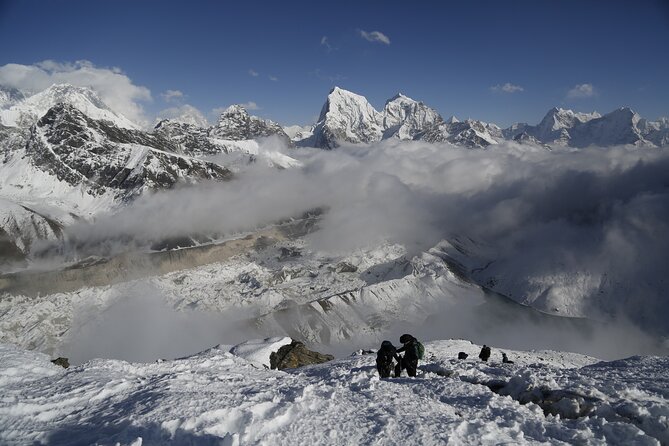
Day 9: Gorakshep to Kala Patthar (5,545 m), then trek to Pheriche (4,243 m), about 7 hours.
This is the make-or-break pair of days. Kala Patthar is high, and the effort is real. People do it for a reason: it’s one of the classic viewpoints in the region. But the climb demands respect. If you treat it like a casual hike, you’ll feel it hard.
A few things to keep in mind:
- Start early and keep effort steady
- Don’t chase speed; chase consistency
- Your guide will help you keep a pace that matches altitude
Also, this part of the trek is where good guide support shows up in small ways. In the experiences described with guides like Arjun, attention to comfort details was part of the support style—fresh fruit for dessert is the kind of small kindness that keeps morale up when you’re eating simple lodge meals at height.
The return loop: Pheriche to Namche to Lukla
Day 10: Pheriche to Namche Bazaar, about 6 hours.
Day 11: Namche Bazaar to Lukla, about 6 hours.
Day 12: Fly Lukla to Kathmandu and transfer to your hotel (with breakfast included).
On the way down, you might think the hardest part is over. It’s not. Going down can still stress knees and ankles, and you can still get hit by altitude effects, especially if you push too fast because you feel relief.
But descending often gives you a better chance to appreciate what you fought for. You’ll also start seeing the route “unspool” visually—paths you took earlier now become familiar landmarks.
Day 12 closes the loop with that flight back to Kathmandu. After days of stair-step altitude gains, a plane feels oddly normal.
Guides and porters: what support looks like on the trail
This trek includes an experienced guide, and it emphasizes that guides and porters are part of the trekking plan. The listing also notes an extra porter rate if you require one, so the smart move is to confirm exactly what luggage support you’ll receive as part of your booking.
Here’s what to pay attention to when you’re evaluating whether the support is real:
- Does your guide set expectations about the effort days?
- Do they help you manage pacing instead of pressuring you?
- Do they handle real-world disruptions calmly?
The examples you can find in past departures show a pattern. One group faced major monsoon disruptions when roads were destroyed. The team communicated openly and worked to recover lost time, with Kiran as guide. Other departures highlight guides like Dinish offering practical help, and Arjun showing extra thoughtfulness with comfort touches like dessert fruit.
That’s the difference between “a person who walks with you” and “a guide who understands the job.”
Gear, meals, and small costs you should plan for
The tour includes a lot of practical trekking gear: sleeping bag, down jacket, and trekking map (returned after), plus a duffle bag. That’s valuable if you don’t want to buy expensive winter-layer gear for a one-time trip.
You still need to think about what you carry:
- Your personal daypack and layers
- Sunglasses and sun protection
- Water habits (the listing calls out drink water as a personal item)
- Battery charging and snacks are not included
Meal support is good on paper: breakfast, lunch, and dinner during the trek. You won’t be hunting for food mid-hike. Still, extra items—drinks, chocolate, and the hot shower experience—are flagged as extra costs during the trek.
My practical advice: treat those small purchases as motivation, not budget killers. At height, it’s easy to overspend on convenience. Set a limit for snacks and charging so your spending doesn’t surprise you later.
Weather, safety, and the non-optional part of altitude
Everest Base Camp trekking requires good weather. If it gets canceled due to poor weather, you may be offered a different date or a full refund.
Even with good weather, altitude is non-negotiable. The itinerary uses acclimatization days at Namche Bazaar and Dingboche, and it structures hiking days around long, steady climbs. This is not a run-and-gun route.
The tour also requests moderate physical fitness. That’s a useful hint: you don’t need to be an ultramarathon athlete, but you do need to be comfortable hiking for 5–7 hours repeatedly, plus handling the rare “bigger day” toward the higher viewpoints.
Who this trek suits best
This is a strong fit if you want:
- A guided plan with permits handled
- Lodge-based comfort instead of camping logistics
- A structured acclimatization rhythm
- Flight-in, flight-out convenience (Kathmandu–Lukla–Kathmandu)
It may be less ideal if:
- You dislike early starts (6:15 am meeting time)
- You want full independence and custom routing every day
- You’re not prepared for long trekking days at height
Also, the non-included items add up: visa, entrance fee, tips, drinks, and charging are all real budget factors. The tour price is only part of your total.
Should you book this Everest Base Camp trek?
If your goal is Everest Base Camp with the main pressure points handled—permits, lodge planning, guide support, and domestic flights—this itinerary is built the right way. The acclimatization structure is a major reason to choose a guided package, and the included gear reduces pre-trip spending.
Before booking, do three checks:
- Confirm how porter support works for your luggage needs, since the pricing notes porter options too
- Budget for the visa ($40, two photos), the Base Camp entrance fee ($40), and extra on-trail costs
- Be honest about your ability to hike long days, especially the Kala Patthar effort at 5,545 m
If you match that, you’ll get a well-organized shot at one of Nepal’s most famous treks.
FAQ
Where does the trek start in Kathmandu?
The meeting point is Tribhuvan Airport in Kathmandu, with a start time of 6:15 am.
How long is the Everest Base Camp trek?
It’s listed as about 12 days.
What transportation is included?
Domestic flights are included: Kathmandu to Lukla and Lukla back to Kathmandu. Ground transfers in Nepal are also included by private vehicle.
Are guides and porters included?
An experienced guide is included, and the plan also states that guides and porters are included. The price also lists an additional porter rate if you need one, so it’s worth confirming your luggage support.
What does the itinerary include for lodging and meals during the trek?
You stay in lodges or tea houses during the trek, and breakfast, lunch, and dinner are included during the trekking days.
Are permits and paperwork handled for the trek?
Yes. The tour states that all paperwork and permits are taken care of.
Do I need a visa for Nepal?
The tour notes you will need a Nepal entry visa fee, and you can issue it upon arrival at Tribhuvan International Airport. It lists $40 USD for one month and requires two passport size photos.
Is travel insurance required?
Yes. Travel insurance is listed as compulsory, and the helicopter emergency service is arranged to be paid by your travel insurance company.
What’s not included in the cost?
Not included items include Kathmandu hotel and food while in Kathmandu, your travel insurance, tips, drinks and personal expenses, entrance fee for Everest Base Camp Trek ($40 per person), and optional porter cost if needed.
How many travelers are in a group?
The maximum group size is listed as 14 travelers.
What happens if the trek can’t run due to weather?
The experience requires good weather. If it’s canceled due to poor weather, you’ll be offered a different date or a full refund.