REVIEW · KATHMANDU
Everest Base Camp Trek
Book on Viator →Operated by Nepal High Trek & Expedition Pvt. Ltd · Bookable on Viator
Everest Base Camp delivers awe on foot. What makes this trek stand out is how it combines Lukla flights with a steady rhythm of acclimatization stops—so you get big Himalayan views without constant “all-out” days. I also like that the ground logistics feel taken care of, including permits and the main guiding support from Kathmandu.
The main drawback to plan for is altitude plus flight sensitivity: you’ll be at the mercy of weather and Lukla schedules, and the trip’s good days depend on clear conditions.
In This Review
- Key highlights I’d circle on your planning list
- Why the trek feels paced, not punishing for the sake of it
- Price and value: what $1,799.27 really covers (and what it doesn’t)
- Kathmandu landing day: what happens before the hiking starts
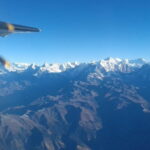
- Getting to Lukla by air: speed, stress, and why it’s worth it
- Phakding and Namche: suspension bridges and your first altitude rhythm
- Tengboche monasteries: first major Everest sightlines
- Dingboche acclimatization: the Chhukung day that earns your legs
- Khumbu Glacier and Gorak Shep: where the scenery turns stark
- Kalapatthar and Everest Base Camp: the payoff day(s)
- Pheriche, Orsho, and Pangboche: monasteries and a quieter return rhythm
- Lukla again, then Kathmandu Durbar Square
- What’s included on the ground, and what you’ll still need to plan
- Guides, safety, and the human side of Everest days
- Should you book this Everest Base Camp trek?
- FAQ
- What’s the meeting time for this Everest Base Camp trek?
- Does the price include flights to and from Lukla?
- What trekking gear is provided?
- Are permits and entrance fees included?
- Is emergency helicopter support included?
- What costs are not included that I should budget for?
Key highlights I’d circle on your planning list
- Round-trip flights Kathmandu–Lukla–Kathmandu to save days of overland travel
- Acclimatization built in with stops at Namche and Dingboche (not just hike-and-hope)
- Tengboche, Kalapatthar, and Everest Base Camp as the core view sequence
- Provided trekking gear: sleeping bag, down jacket, and duffel bag
- Permits handled with Sagarmatha National Park and Khumbu entrance fees included
- Emergency helicopter arrangement coordinated through your travel insurance
Why the trek feels paced, not punishing for the sake of it
Everest Base Camp is demanding by nature. What I appreciate about this version is that it treats your body like the main project. Instead of turning the whole schedule into one long grind, you get built-in days that help you adjust before the steeper stuff starts.
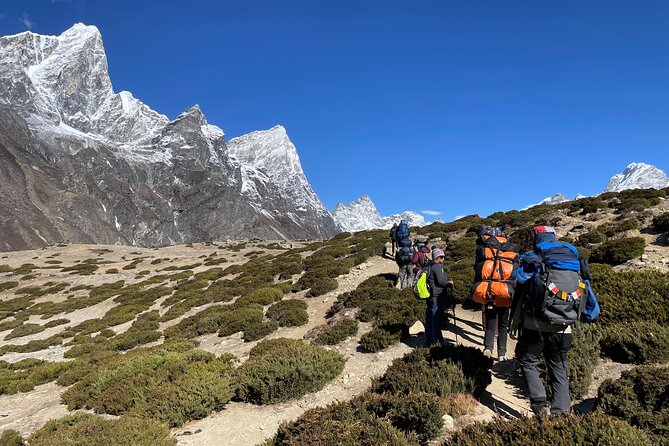
You’ll start with easier altitude gains through the Khumbu region (Phakding to Namche), then spend real time around Namche. After that, Tengboche adds classic Everest-region panoramas while still keeping your pace sensible. Dingboche is another checkpoint day—this is where you’ll likely feel the benefit of acclimatization planning before you push toward the highest-view viewpoints.
One more thing: you’re not just walking “to Everest.” The route gives you a sequence of highlights—suspension bridges over the Dudh Koshi, monasteries around Tengboche, viewpoint time, glacier-moraine walking, then the big payoff at Kalapatthar and Everest Base Camp.
You can also read our reviews of more hiking tours in Kathmandu
Price and value: what $1,799.27 really covers (and what it doesn’t)
At $1,799.27 per person for roughly 14 days, the value is in the big-ticket logistics and essentials being handled up front. This price includes:
- Both-way flights between Kathmandu and Lukla
- Meals during the trek (12 breakfasts, 12 lunches, 11 dinners listed)
- 11 nights accommodation on the trek
- A government-licensed mountain guide from Kathmandu
- Sagarmatha National Park permit and Khumbu entrance fee, plus Pasang Lhamu Rural municipality entrance fee
- Trekking gear: sleeping bag, down jacket, duffel bag
- Airport pickup/drop (domestic and international)
- Emergency helicopter arrangement that’s paid by your travel insurance company
- Small comforts like three cups of hot tea during the trek
- A medical kit box
What’s not included matters for budgeting. You’ll still need to cover:
- Travel and rescue insurance (this is crucial for the helicopter arrangement to make sense)
- Your Kathmandu hotel
- Porter cost
- Tipping for guide and porter
- Personal extras in the mountains (phone calls, laundry, battery recharge, bottle of water, hot water, shower)
- Any extra costs if conditions force changes due to things like strike, delays, or canceled flights
The practical takeaway: this is not a bargain if you plan to travel ultralight and self-manage permits and guide support. But it’s strong value if you want a guided, gear-supported trek with flights and key fees already covered.
Kathmandu landing day: what happens before the hiking starts
Your trip starts in Kathmandu with arrival support. After you land at TIA (Tribhuvan International Airport), a representative from Nepal High Trek & Expedition Team (Anjan) meets you and transfers you to your arranged hotel. You then have dinner with the team—useful if you want a smooth start instead of scrambling the first evening.
This matters more than it sounds. A lot of Everest trips fail on day one because people underestimate how tired they’ll feel after international travel. Having pickup and a first-night plan usually helps you focus on the next day’s flight to Lukla.
Getting to Lukla by air: speed, stress, and why it’s worth it
Day 2 takes you from Kathmandu to the domestic terminal for your flight to Lukla, the classic jump-off point for Everest Base Camp trekking.
Why this approach is valuable:
- It cuts out days of overland travel.
- You start trekking sooner, with less “wasted” fatigue.
- The whole plan lines up for the acclimatization structure later.
The stress point: Lukla flights can be weather-dependent. This trek does require good conditions to keep moving. Your best prep is a mindset for flexibility. If the weather turns, you might feel the delay more than on a road trip.
Phakding and Namche: suspension bridges and your first altitude rhythm
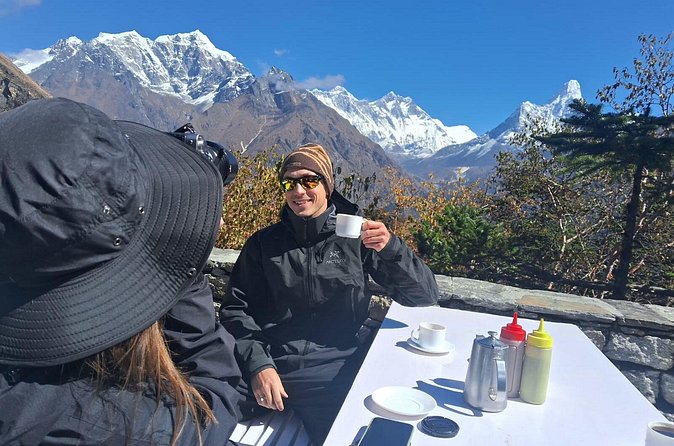
From Phakding, you walk upward, crossing multiple suspension bridges over the Dudh Koshi River. That’s not just scenic—it’s a good early-body test. The rhythm of short climbs plus pauses helps you find your pacing before the big-name villages.
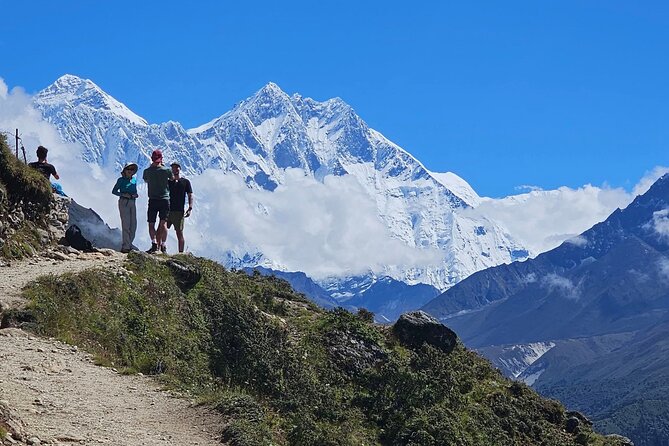
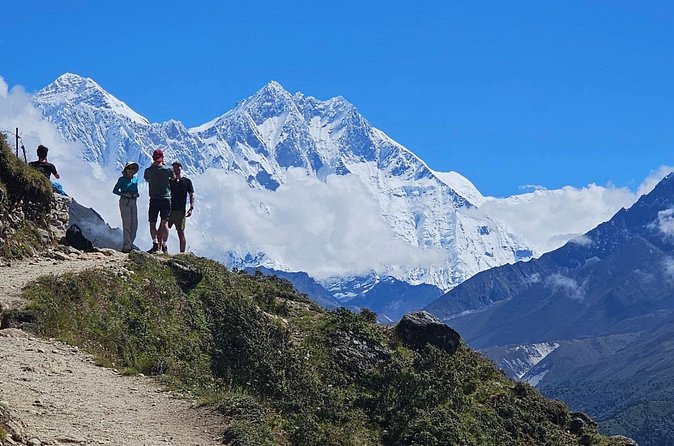
You’ll also get views along the way, with the route highlighting Mt. Thamserku (6618m) in the scenery loop. Early high-mountain views are motivating. They also help you understand how quickly the region changes from “hiking in hills” to “walking in real altitude.”
Then you arrive at Namche Bazaar. This is your main acclimatization and logistics hub day. You get time to explore, and the description notes practical comforts like ATMs, banks, and internet cafés. There’s also an “Irish Pub” stop listed—think of this as a reminder that Namche isn’t just a waypoint. It’s where hikers reset: recharge mentally, grab supplies, and adjust your layering before the higher villages.
Tengboche monasteries: first major Everest sightlines
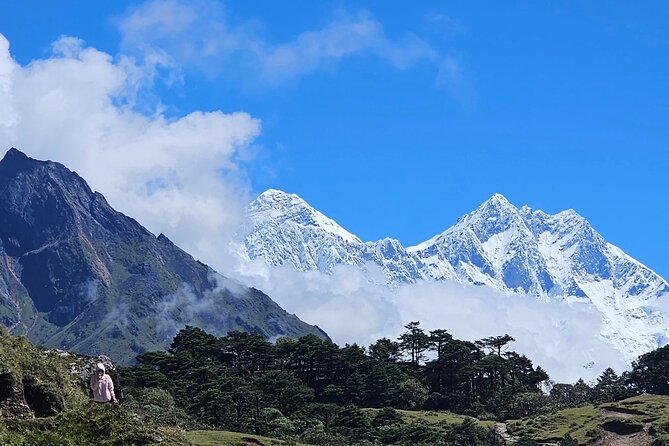
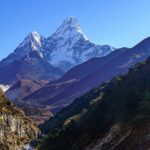
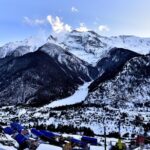
From Namche, the trek moves toward Tengboche with early-morning mountain views that include Mount Everest, Nuptse, Lhotse, and Amadablam (and other ranges noted). Even if you’ve seen photos before, this is where it gets real. The mountains don’t look like backgrounds here; they look like structures you’re walking toward.
You’ll also visit Tengboche Gompa and spend time around monasteries. This is one of the places where the journey feels cultural, not only physical. The monasteries give you a sense of how Sherpa communities live alongside the climbing world—ritual, hospitality, and daily life happening in the same valleys where expeditions plan their big attempts.
Day 6 adds another viewpoint-style moment: a short visit to Tengboche and monasteries early, then a trek onward to the Dingboche viewpoint, described as a backdrop of white peaks you’ll want to photograph.
Dingboche acclimatization: the Chhukung day that earns your legs
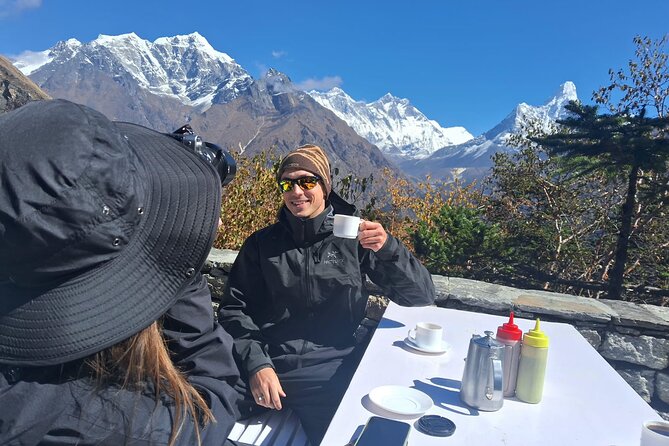
Dingboche is where the plan shifts from “walk higher” to “learn how your body responds.” You spend an acclimatization day, including a visit connected to the Dingboche stupa and a hike option described as to Chhukung through the Imja Khola valley.
Why this works:
- You get altitude exposure without forcing a maximum push every single day.
- You can keep your effort controlled while still doing something useful with your legs.
- The route emphasizes views—especially toward Lhotse—so you still feel the trip moving forward even on a slower day.
If you tend to push too hard early, use this as your reality check day. Save strength for what comes next.
Khumbu Glacier and Gorak Shep: where the scenery turns stark
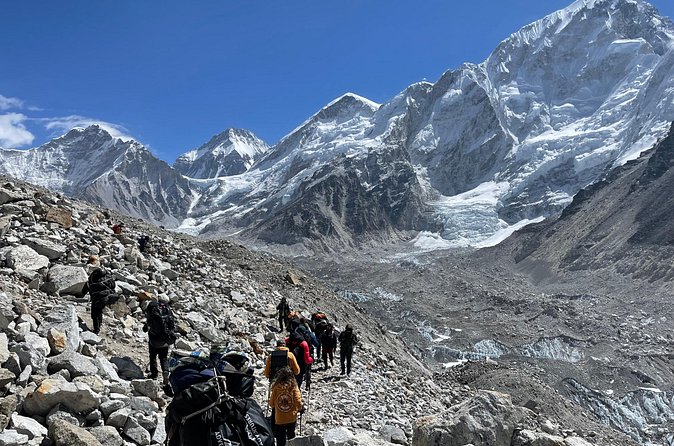
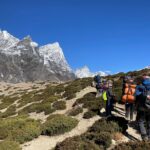
Day 8 brings you along the lateral moraine of the Khumbu Glacier, plus memorials for climbers who perished during summits nearby. That’s heavy, but it’s also part of being honest about Everest. This isn’t a theme-park hike. It’s a route with history, risk, and human stories.
From there, you head through the classic staging phase toward Gorak Shep. The plan frames Day 9 as a march to Gorak Shep where you’ll have sweeping views and continue onward toward the base camp area of Everest. Practically, this is where your focus tightens: pack management, foot care, and hydration start to matter more than sightseeing fantasies.
Kalapatthar and Everest Base Camp: the payoff day(s)
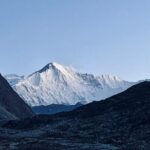
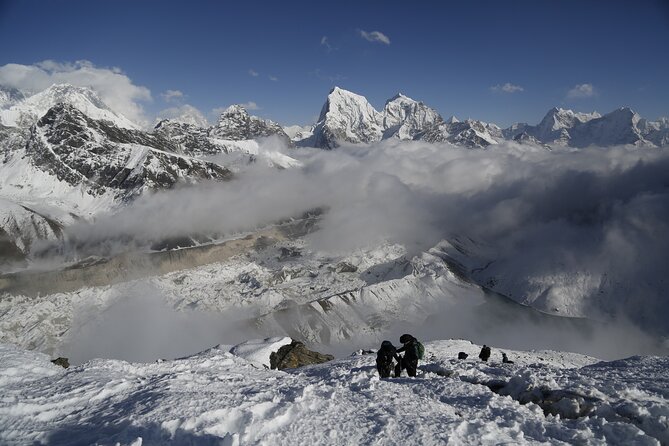
The schedule flags Day 10 as the gist day. You trek earlier to Kalapatthar, described with sun piercing the clouds reflecting on white snow. If you’ve heard people talk about Everest mornings, this is what they mean: you’re rewarded for getting moving early, with a view angle that feels grand even when you’re exhausted.
From Gorak Shep, you’re also positioned for the Everest Base Camp portion of the experience. Day 9 already sets you up for the base camp trail, so when Day 10 hits, you’re doing a two-part dream: high viewpoint effort plus the base camp “I’m here” feeling.
This is where good guiding matters. A skilled guide keeps you on the safest, smartest version of the route—especially when fatigue turns your judgment dull.
Pheriche, Orsho, and Pangboche: monasteries and a quieter return rhythm
After the high point experience, Day 11 shifts you down and sideways through the Pheriche area, with a route down to Orsho and a stop at Pangboche. You’ll explore the oldest monastery mentioned in the description, and it’s described as containing scalp and bones associated with the abominable snowman.
That blend of culture, legend, and lived local meaning is exactly what makes this trek feel more complete than just reaching a GPS spot.
Then you’re back on the return track.
Lukla again, then Kathmandu Durbar Square
Day 12 brings you back from the higher villages toward Namche, then down to Lukla. The description notes you’ll reach Lukla earlier than expected, giving you leisure time to explore the Lukla valley. You stay overnight at a guesthouse.
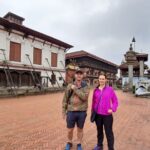
Day 13 adds Kathmandu culture after your flight back: you visit around Kathmandu Durbar Square, with an emphasis on panoramic views of the Kathmandu valley. Day 14 finishes with a Kathmandu rest night, then packing and heading to the airport with a small farewell program mentioned by the team.
This sequence is a nice balance: you don’t go from altitude stress straight into jet-lag chaos without a decompression day or two.
What’s included on the ground, and what you’ll still need to plan
I like that this trek includes serious cold-weather essentials: sleeping bag, down jacket, and a duffel bag. That means you’re less likely to show up with the wrong gear. It’s still your job to bring the rest of your system—hiking boots, base layers, socks, gloves, and a way to manage hydration and sun.
The trek also includes:
- Three cups of hot tea during the trekking days
- A medical kit box
- Meals across the trek with a clear breakdown of breakfasts, lunches, and dinners
- An emergency helicopter arrangement coordinated through your travel insurance company
But there are clear budget traps you should treat as expected costs:
- Phone calls, battery recharge, laundry
- Bottle of water and hot water
- Showers (where available)
Also, the trek notes porter cost is not included. That means if you want that extra ease, you’ll need to budget it—or negotiate based on your group setup.
Guides, safety, and the human side of Everest days
This is the part that shows up most in the feedback: guides and their attitude. In the reviews for this operator, names like Buddhi and Pawan come up with praise for care, positivity, and keeping the group going during tough moments. One direct tip echoed in the feedback is simple: use sunscreen every day, even when the sky looks calm.
That advice fits this region perfectly. At altitude, UV can be brutal, and forgetting sunscreen tends to hurt later. Another theme in the feedback is “pushing through tough days” with support and advice. That’s exactly what you want from a licensed guide: not bravado, but steady decision-making.
You also should be honest with yourself about fitness. The trip description calls for strong physical fitness. This isn’t a stroll. If you’re not sure, treat this trek as a training goal and build your base before you go.
Should you book this Everest Base Camp trek?
Book it if you want:
- Flights, permits, and guiding support handled in a structured way
- A realistic acclimatization plan with days like Namche and Dingboche
- Gear support (sleeping bag, down jacket, duffel bag)
- A private setup where it’s just your group
Skip it or think twice if:
- You’re not comfortable with altitude demands
- You can’t handle possible Lukla weather delays
- You’ll be surprised by costs not included in the trek price (insurance, Kathmandu hotel, porter, tips, and personal mountain expenses)
If you do book, plan like a pro: bring sun protection, pack for cold mornings, and show up ready for a challenge. Everest isn’t about speed. It’s about smart steps, day after day.
FAQ
What’s the meeting time for this Everest Base Camp trek?
The start time is listed as 8:15 am.
Does the price include flights to and from Lukla?
Yes. Both-way flight tickets (Ktm–Lukla–Ktm) are included.
What trekking gear is provided?
The tour provides a sleeping bag, down jacket, and a duffel bag.
Are permits and entrance fees included?
Yes. You get Sagarmatha National Park Permit & Khumbu Entrance Fee, plus Pasang Lhamu Rural municipality Entrance fee.
Is emergency helicopter support included?
There is an arrangement of Emergency Helicopter service, but it’s described as being paid by your travel insurance company.
What costs are not included that I should budget for?
Not included are travel and rescue insurance, hotel in Kathmandu, porter cost, tipping for guide and porter, and personal mountain expenses like phone calls, laundry, battery recharge, bottle of water, hot water, and shower.