REVIEW · POKHARA
Sarangkot Village Coffee Culture and Authentic Local Life Tour
Book on Viator →Operated by Sharing Seeds · Bookable on Viator
Sarangkot coffee starts with a climb. This 6-hour tour in Pokhara pairs Phewa Lake views with a hands-on walk through Sarangkot Pandeli village and nearby coffee farms run by the Sharing Seeds community. I like that you get the full story, from growing and processing organic Arabica to what lands in your cup. I also like the focus on real daily life: coffee plants, other crops, and how a local non-profit supports farmers and creates jobs for women.
The one thing to consider is the hiking component, including uphill sections, so plan for a moderate effort.
Because it’s capped at 10 travelers, the vibe stays small and human. You’ll also be in good hands with local guides (one review specifically called out Abby for explaining the coffee process clearly). The route is weather-dependent, so if clouds roll in, the day’s plan may shift or be rescheduled.
In This Review
- Key highlights I’d circle on your map
- Why Sarangkot and Pandeli Village Make the Coffee Story Real
- Getting the timing right: how the 6 hours tends to feel
- Stop-by-stop: from Phewa Lake shores to Sarangkot’s coffee farms
- Meet at SalesBerry and start with the lake approach
- Khapaudi Village to the uphill grind near Phewa Tal
- Pandeli Park and the view from about 1200 meters
- What you’ll see at the farm level
- Coffee processing: what changes from farm to cup
- Sharing Seeds: the local non-profit angle you can actually feel
- Lunch, honey, and what to expect from tastings
- Price and value: what $60 is really buying you
- Who this tour suits best (and who may want a gentler option)
- Practical notes before you go
- Should you book the Sarangkot Village Coffee Culture tour?
- FAQ
- How much does the Sarangkot Village Coffee Culture tour cost?
- How long is the tour in Pokhara?
- Where does the tour start and end?
- What fitness level do I need?
- What food and drink are included?
- How many people are in a group?
- What happens if weather is bad?
Key highlights I’d circle on your map
- Farm-to-cup coffee education focused on organic Arabica and practical processing methods
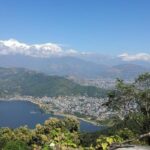
- Sarangkot viewpoints from about 1200 meters, with big Phewa Lake panorama time
- Community impact in the real world, including higher payments for cherries via Sharing Seeds
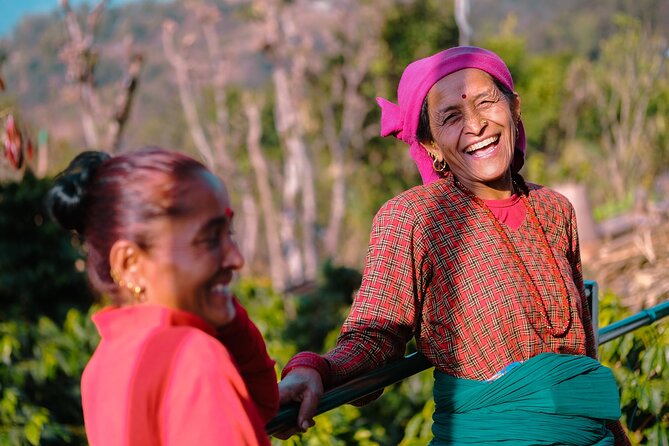
- Women-led lunch and local jobs, tied directly to the community tourism project
- Food and drink beyond coffee, including seasonal fruit and chocolate bars, plus honey/coffee tastings when available
Why Sarangkot and Pandeli Village Make the Coffee Story Real
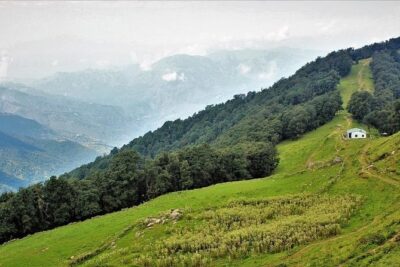
Pokhara has plenty of scenic viewpoints, but this experience hits something different: coffee farming as a local livelihood, not a souvenir. Sarangkot and the Pandeli area sit above Phewa Lake, so the scenery gives you a sense of where the coffee fits into the mountain rhythm. As you move uphill and through village paths, it becomes easier to understand why altitude, climate, and careful processing matter for quality.
What I like most is the way the tour connects three dots you don’t usually see connected in one afternoon. First, you learn how coffee is grown—especially organic Arabica. Second, you see how it’s processed before it becomes a drink. Third, you meet the people and the organization working to make the system more sustainable for farmers and fairer in the price they receive.
You can also read our reviews of more tours and experiences in Pokhara.
Getting the timing right: how the 6 hours tends to feel
This tour runs about 6 hours, starting at 11:15 am, and it loops back to the meeting point. The pace is active, because you’re walking from the lake side up toward the coffee areas. You’ll spend real time on an uphill hike, and there’s also a lower portion where you follow the lake area before you start climbing more seriously.
If you want a simple way to judge it: think moderate hiking with longish uphill stretches. One review even mentioned the option of taking a cable car to the top and hiking down instead, which can reduce the uphill demand. If you’re unsure about your endurance, ask up front what routing options are available for your exact day.
Good weather matters here. Since you’re outside for much of the experience, cloudy or rainy conditions can affect the route and timing. Build in flexibility—if it’s canceled due to poor weather, you’ll be offered another date or a full refund.
Stop-by-stop: from Phewa Lake shores to Sarangkot’s coffee farms
Meet at SalesBerry and start with the lake approach
You start at SalesBerry Department Store on Chiple Dhunga Rd (near public transport), and you’re met before the walking begins. From there, the early part of the tour is a lake-side transfer and walk that takes about 1 hour 30 minutes to reach Khapaudi Village. It’s a useful warm-up phase because it gets you away from traffic and into the village setting before the uphill climb.
This opening matters more than you might expect. You’re not just being dropped at a plantation gate. Instead, you gradually transition into rural life—walking while the lake and hills frame your surroundings.
Khapaudi Village to the uphill grind near Phewa Tal
Once you reach Khapaudi, the hike becomes more about effort than scenery for a while. The climb is roughly 2 hours 30 minutes, and you’ll walk side by side through village areas along the way. This stretch is where you get to experience daily life at a human scale—paths, homes, gardens, and the kind of community rhythm you usually miss when you only ride to viewpoints.
Also, you’re not walking in a total vacuum. The guide is actively guiding the story—how coffee farming connects to what people grow and how they manage the land. That makes the hike feel more purposeful than just exercise.

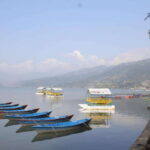
Pandeli Park and the view from about 1200 meters
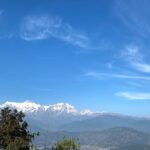
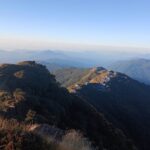
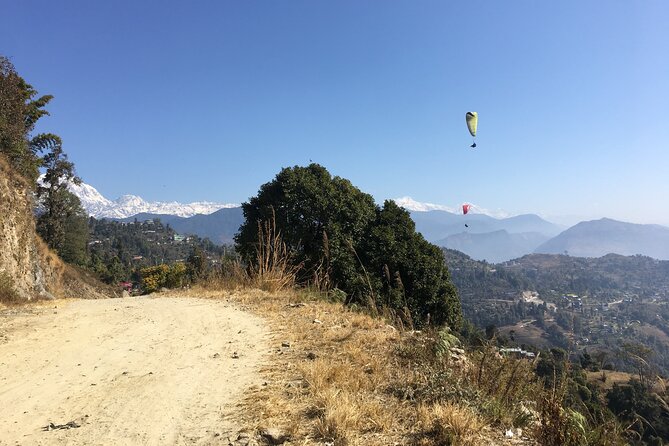
At the higher point—Pandeli Park in Sarangkot—you get a rest break with one of the area’s best viewpoints. From around 1200 meters altitude, you can see a wide view over Phewa Lake, and it’s a scenic pause that makes the uphill portion feel worth it.
Pandeli Park is also described as part of the oldest trek routes leading toward the Annapurna region. Even if you’re not trekking the whole classic circuit, the setting gives you that sense of history and movement across these hills.
After the pause, you head into the Pandeli village/farm area, where the practical part of the coffee experience starts to take over.
What you’ll see at the farm level
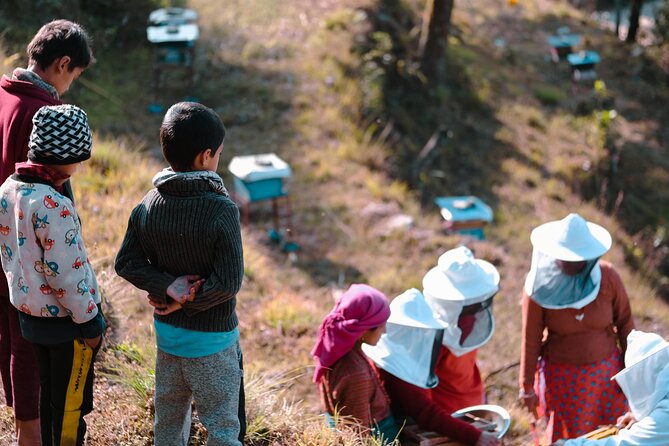
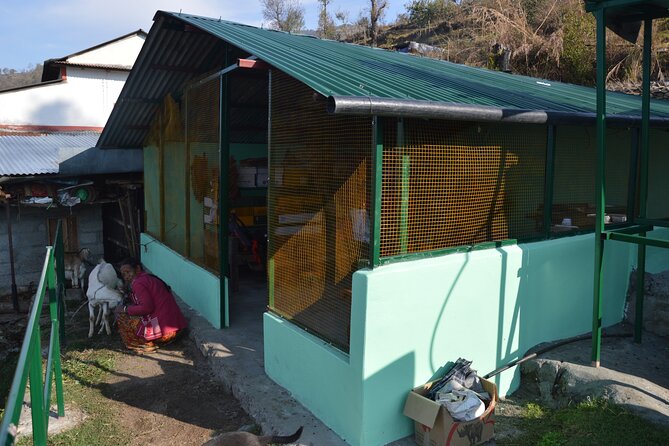
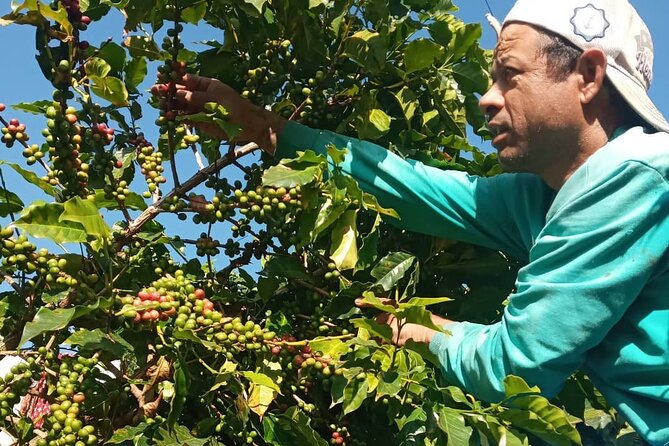
While details can vary by availability, the experience is built around understanding the organic coffee journey. You’ll tour coffee plants and farm operations, and you should expect to see additional crops and elements that support farming beyond coffee. One review specifically mentioned beehives and a vegetable garden, which fits the idea of a mixed, sustainable farm approach.
Coffee processing: what changes from farm to cup
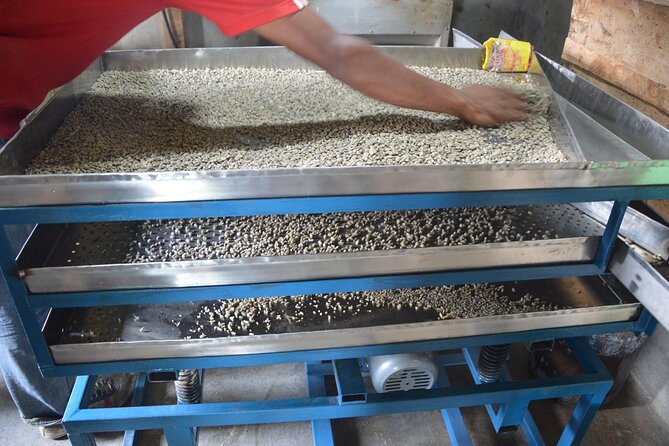
This is where the tour really earns its keep. The guide explains how coffee moves through the stages of farming and processing. It’s not just tasting; it’s understanding.
One standout point from a review: Abby was singled out for explaining the whole progress of coffee very well. That kind of clear explanation is what turns a casual drink into something you can actually describe—like what to look for in flavor, and why certain farming choices change the end result.
Sharing Seeds: the local non-profit angle you can actually feel
The tour doesn’t treat the community impact as a side note. Sharing Seeds is highlighted as a non-profit working directly with local organic Arabica farmers. A key detail is their approach to improving sustainability and livelihoods by paying farmers 30% more for coffee cherries than other collectors in the region.
That’s not just feel-good branding. You can connect it back to what you saw during the farm walk. When farmers get better and fairer pricing, they have more ability to follow consistent organic practices, invest in farming knowledge, and keep farming over the long term.
This is also where you get the idea of what community-based tourism can do beyond ticket sales. The women-focused tourism project is described as creating jobs locally, and that shows up in the lunch portion of the tour.
Lunch, honey, and what to expect from tastings
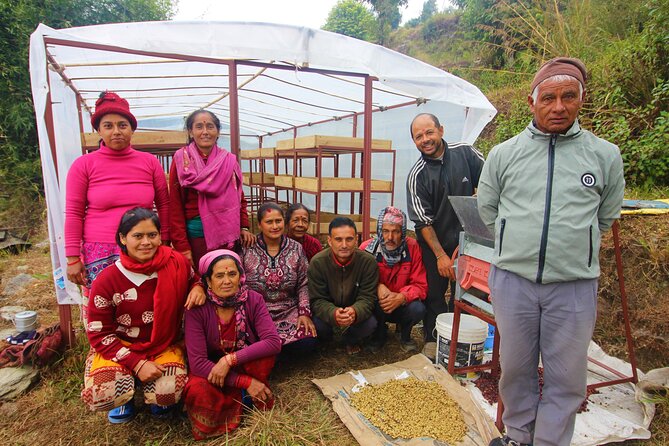
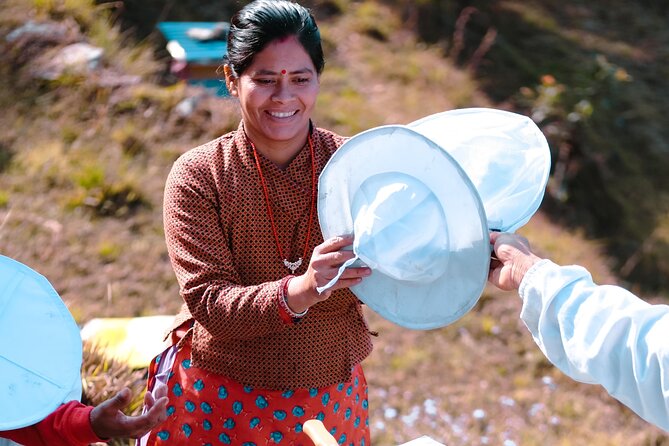
Food is a core part of this experience, and it’s not packaged as a generic lunch break. You’ll get an organic lunch prepared by a women group tied to the community tourism project. This is one of those practical details that matters: you’re eating while supporting the local model the tour is built on.
On top of the lunch, you should expect seasonal fruits and chocolate bars included in the tour. Coffee and honey tasting is also included, upon availability. That last part is important—sometimes honey or specific samples may depend on what’s ready that day, so keep a flexible mindset.
One review called out iced coffee as part of the day’s refreshment, and several reviews described breakfast or lunch as delicious. In practice, that means you’re likely to get more than one sweet moment—plan to slow down and savor the flavors, not just eat quickly and go.
Price and value: what $60 is really buying you
At $60 per person, the price is competitive for a full half-day that combines a guided hike, private transportation, and multiple included food elements. But the value isn’t only the meal and tasting.
You’re also paying for access and explanation: the farm visit, the step-by-step coffee processing education, and the connection to a specific local organization (Sharing Seeds) that supports farmers through higher payments for cherries and training for sustainable farming. If you care about ethical travel, this is one of the better structures because your money is tied to the community model described in the experience.
It also helps that the group size is limited to 10 travelers. Smaller groups usually mean better attention and more time for questions—especially on a topic like coffee processing, where you’ll want the guide to clarify what you’re seeing.
Who this tour suits best (and who may want a gentler option)
This works well if you want to mix exercise with learning and you enjoy village routes more than crowds. If you like coffee, you’ll get a real education that goes beyond taste. If you care about community travel, the women-led lunch and the farm support model give the trip a purpose you can explain afterward.
You should also be comfortable with walking. The tour is designed for moderate physical fitness, and the itinerary includes uphill hiking. If you have mobility limits, one review mentioned that the community accommodated somewhat limited mobility by arranging a taxi ride to the farm rather than doing the full hike. That suggests there may be ways to adjust based on needs—so it’s worth asking directly.
If you’re traveling with very young kids or you want a strictly easy stroll with no uphill time, this probably won’t match your ideal pace.
Practical notes before you go
Bring simple hiking basics: comfortable shoes you trust on uneven paths, plus a light layer for cooler breezes higher up. One review specifically mentioned enjoying a cool breeze, which is a good reminder that Sarangkot’s elevation can feel different than lake level.
Also, keep your day flexible in case weather affects the plan. This tour requires good weather, and if it can’t run as planned you’ll be offered another date or a full refund.
Finally, arrive at the meeting point a bit early. The start is 11:15 am, and the day starts with moving immediately toward the lake-side route.
Should you book the Sarangkot Village Coffee Culture tour?
Book it if you want a Pokhara afternoon that combines views, real farming, and community impact in one loop. This isn’t just coffee as a product—it’s coffee as a working landscape shaped by organic methods, fairer pricing, and local women-led tourism.
Skip it (or ask for modifications) if uphill walking is a deal-breaker for you. You can still enjoy Pokhara, but this specific experience is built around moving through the hills and seeing how coffee farming fits the local life above Phewa Lake.
If you’re on the fence, here’s the simple decision rule: if you’d rather learn something lasting than just take photos, this tour is a strong choice.
FAQ
How much does the Sarangkot Village Coffee Culture tour cost?
It costs $60.00 per person.
How long is the tour in Pokhara?
The tour lasts about 6 hours.
Where does the tour start and end?
It starts at SalesBerry Department Store on Chiple Dhunga Rd, Pokhara, and it ends back at the same meeting point.
What fitness level do I need?
The tour is suitable for travelers with a moderate physical fitness level because it includes uphill hiking.
What food and drink are included?
Organic lunch prepared by a women group is part of the experience, and seasonal fruits and chocolate bars are included. Coffee and honey tasting are included upon availability.
How many people are in a group?
The tour has a maximum of 10 travelers.
What happens if weather is bad?
This experience requires good weather. If it’s canceled due to poor weather, you’ll be offered a different date or a full refund.