REVIEW · LUKLA
Everest Base Camp Trek from Lukla
Book on GetYourGuide →Operated by Peregrine Treks and Expedition P Ltd · Bookable on GetYourGuide
Lukla to Everest is a real-life challenge. What I like most is how the route spotlights Namche Bazaar and Sherpa everyday life, then turns into a show-stopper at Kala Patthar for big Everest views. This isn’t just about getting to a point on a map; it’s about paced altitude, friendly tea houses, and a guide system that keeps you moving without chaos.
The trade-off is that your days are long and your body has to work—expect about 5–7 hours of walking and you’re managing altitude, even with built-in acclimatization days. If you’re hoping for an easy stroll with frequent rests, this trek will feel like a serious hike.
In This Review
- Key Things That Make This Everest Base Camp Trek Worth It
- Lukla-to-Everest Starts With One Big Day
- Day 1 to Day 2: Phakding and Namche Bazaar Give You the Real Khumbu Rhythm
- Namche Acclimatization Day: Markets Plus Mountain Views for Your Body
- Tengboche Monastery: A Quiet Pause With Serious Views
- Dingboche: The Higher Country Starts, and You Learn to Pace
- Lobuche: Barren Terrain, Bigger Feel of Adventure
- Gorakshep to Everest Base Camp: The Close-Up You Came For
- Kala Patthar Sunrise: The Best View Costs You Morning Effort
- Pheriche to Namche and Back to Lukla: Finishing Strong
- Tea Houses, Meals, and the Porter System: Why It Feels Manageable
- Price and Value: What $466 Covers (and What You Still Must Plan)
- Who This Trek Fits Best (and Who Should Skip It)
- Should You Book This Everest Base Camp Trek From Lukla?
- FAQ
- How long is the Everest Base Camp trek from Lukla?
- Where does the trek start and where do you meet the guide?
- What is included in the price?
- Are flights included?
- Are acclimatization days included?
- What altitude does the trek reach at the highest viewpoint?
- Is travel insurance required?
Key Things That Make This Everest Base Camp Trek Worth It
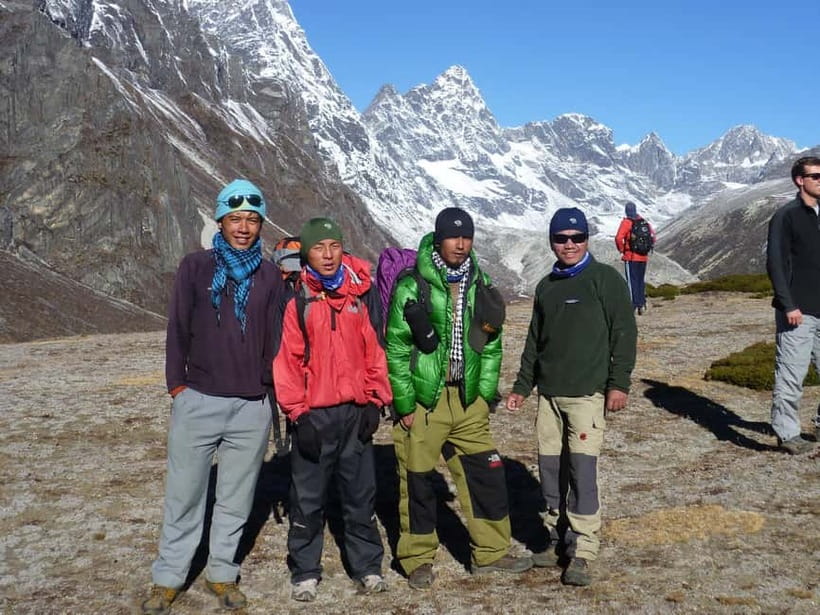
- Small-group feel (10 max) means you get more attention on route and at altitude check-ins
- Acclimatization built in at Namche and Dingboche, not just a suggested add-on
- Tengboche Monastery stop brings a spiritual pause with giant views of Ama Dablam, Everest, and Lhotse
- Kala Patthar sunrise is the payoff moment for most people chasing the classic Everest angle
- Tea houses plus porter service keep your energy focused on breathing and walking
- Everest Base Camp via Gorakshep gets you close to the scale of the Khumbu Icefall area
Lukla-to-Everest Starts With One Big Day
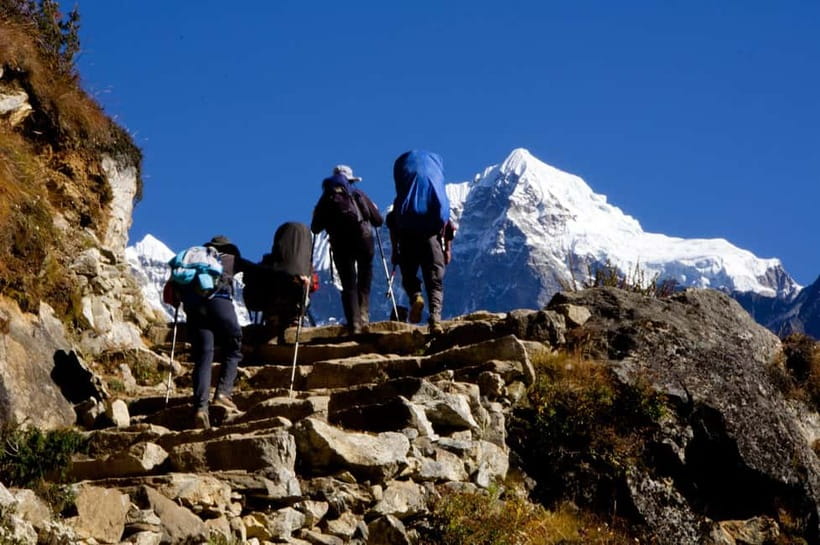
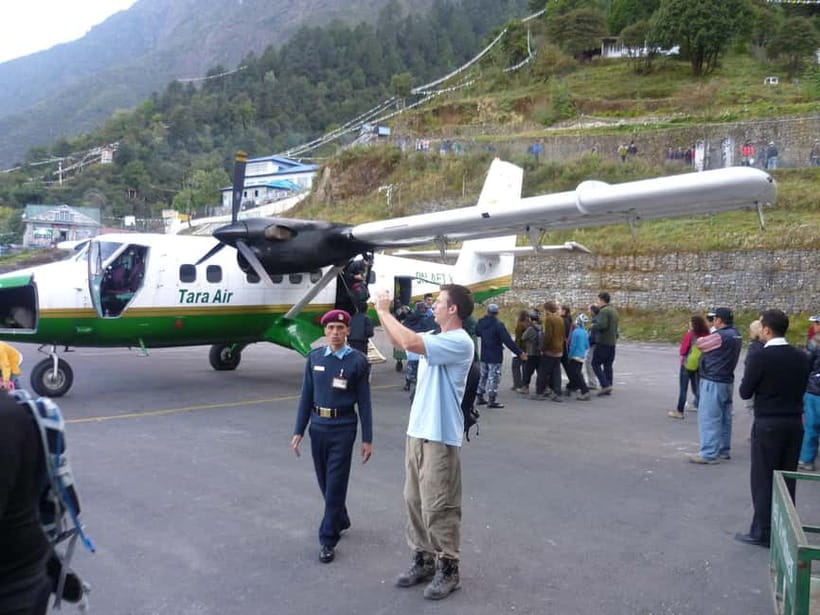
This trek begins at Tenzing-Hillary Airport, where you meet your English-speaking guide and then get organized for the Lukla flight. In one case described by the operator’s recent support, they also handled ground transport toward Ramechhap for the Lukla connection, which is useful to know because Nepal flight logistics can be part of the story.
Once you land at Lukla, the adventure doesn’t wait. The first day is your on-ramp: you start walking soon, you feel the trail underfoot, and you begin moving through the Khumbu Valley in a way that quickly turns your nervous energy into forward motion. It’s a great way to shake off travel fatigue and get your rhythm.
If you like structure, this itinerary has it. You’re not improvising every day, and that matters when the weather can shift fast and your altitude is climbing steadily.
Day 1 to Day 2: Phakding and Namche Bazaar Give You the Real Khumbu Rhythm
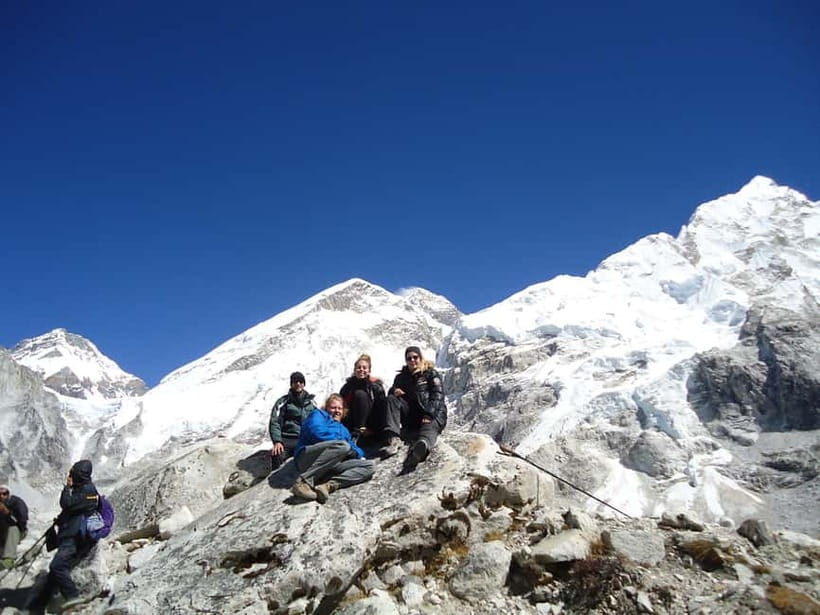
Day 1 is a trek from Lukla to Phakding, with about 8 hours on the trail. You’ll walk through lush forests, cross multiple suspension bridges, and follow the river corridor vibe of the Dudh Koshi area. It’s scenic walking early on, but also practical: bridges wake up your balance and the forest sections keep the temperature manageable for the start.
Day 2 pushes upward toward Namche Bazaar, again around 8 hours of trekking. This is where the experience starts to feel distinctly Sherpa-culture shaped—markets, signage, tea-house life, and daily chatter. Namche is also a key altitude node, which is why it works as a hub: you’re not just stopping for food; you’re arriving at a place designed for trekkers and locals to navigate altitude and errands at the same time.
I love that Namche isn’t treated like a generic rest town. You get practical recovery time plus viewpoints, including areas with views of Thamserku and Kongde Ri.
Namche Acclimatization Day: Markets Plus Mountain Views for Your Body
Day 3 is a built-in acclimatization day in Namche. That matters more than people think, because the goal isn’t to “push through.” It’s to help your body adjust while you keep your head in the game.
You’ll rest, explore the local markets, and use Namche’s position for mountain spotting. This day also gives you room to organize your trek gear properly—check your warm layers, make sure your water plan is realistic, and confirm how you’re handling sunscreen. At altitude, sunburn happens fast even when temperatures feel mild.
This is also the best moment to slow down mentally. If you’re prone to rushing, Namche helps you practice patience—because rushing is what makes altitude feel worse.
Tengboche Monastery: A Quiet Pause With Serious Views
Day 4 treks from Namche to Tengboche, around 8 hours. The route climbs through rhododendrons and pine forests, and then you reach Tengboche Monastery, one of the most famous spiritual stops in the region.
What makes this stop valuable is the mix: you’re getting a cultural visit that’s tied to trekkers and monks, not just a photo checkpoint. The monastery works as a calm moment before the higher, more barren terrain begins. And the backdrop is a big deal—Ama Dablam, Everest, and Lhotse can frame your break, depending on conditions.
A practical tip: treat your monastery visit like a breathing exercise. Don’t sprint from moment to moment. Sit, watch the view, and let your heart rate come down before you head back onto the trail.
Dingboche: The Higher Country Starts, and You Learn to Pace
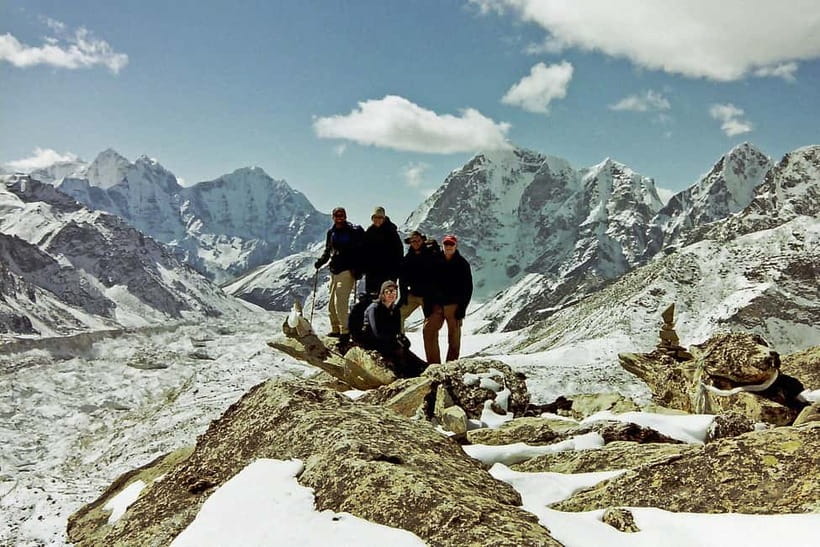
Day 5 heads from Tengboche to Dingboche (about 8 hours), where you’ll be around 4,410 meters. Dingboche feels different from the lower villages. Terrain gets more exposed, and the air starts to remind you that this is high-altitude trekking, not just a long walk.
This is the part of the trek where your hiking strategy becomes personal. Some people keep a steady pace; others do short, frequent resets. Either way, the route is working you toward the higher camps ahead.
Day 6 is another acclimatization day in Dingboche, also roughly built in rather than optional. You’ll take in views of the Himalayas and likely do short hikes to help your body adjust. This is the stage where you’ll feel the benefits of not skipping recovery days—your energy will last longer on the tougher climbs ahead.
Lobuche: Barren Terrain, Bigger Feel of Adventure
Day 7 treks to Lobuche (around 8 hours). The climb continues into a more remote-feeling zone where the scenery becomes more barren as altitude increases. That shift can feel dramatic: fewer trees, more open slopes, and a stronger sense that you’re nearing the “real” Everest area.
At this point, the sense of adventure grows because you can feel the finish line nearing. But it’s also a moment to stay disciplined. Keep your warm layers ready, manage hydration, and don’t let excitement override caution.
This is also a good day to check your gear for small issues—tight laces, thin gloves, a water bottle that’s hard to handle in cold. Fixing small comfort problems before they turn into big distractions is part of traveling well in the mountains.
Gorakshep to Everest Base Camp: The Close-Up You Came For
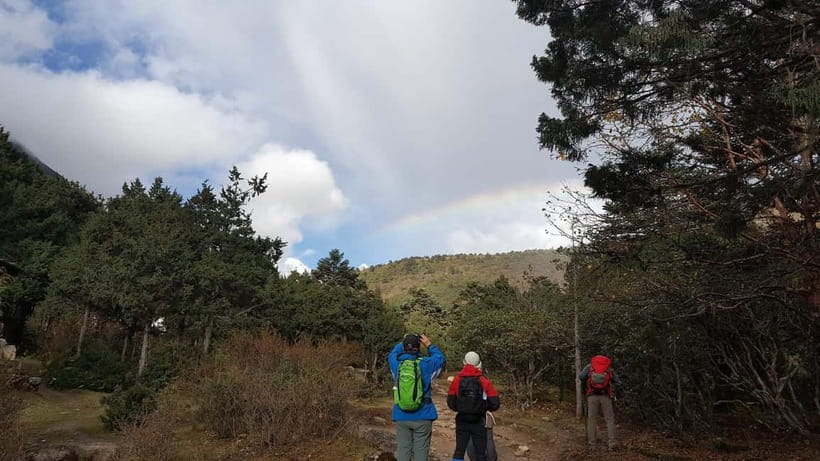
Day 8 takes you to Gorakshep and then on to Everest Base Camp (about 8 hours of hiking in the plan). Gorakshep is the staging point before the final surge, and from here the trek becomes more “goal-oriented.”
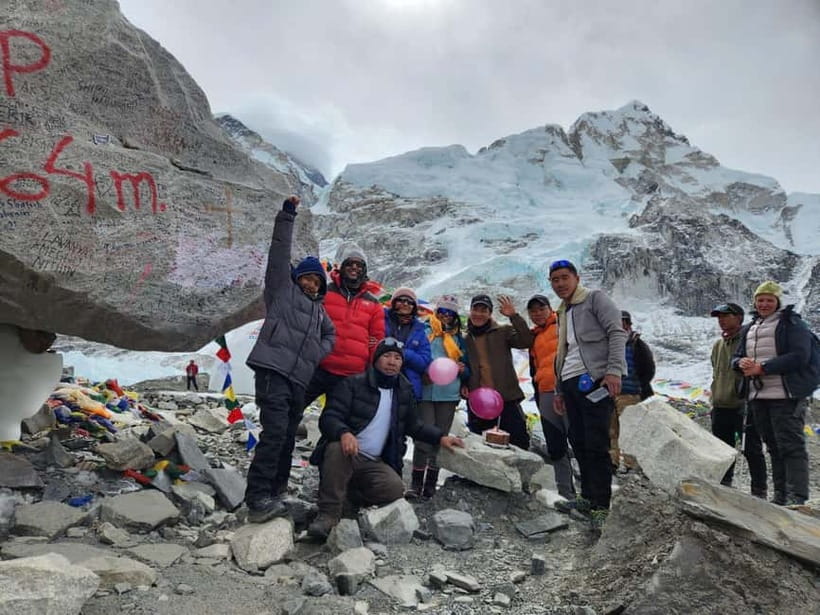
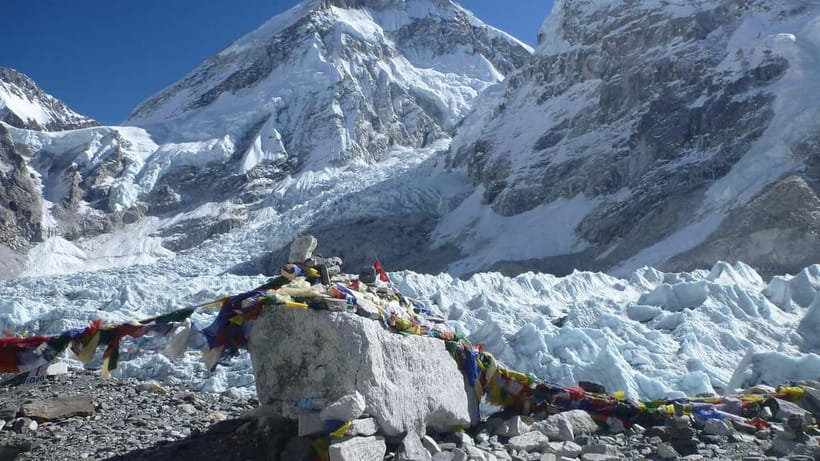
Reaching Everest Base Camp at 5,364 meters is the triumph moment. The rewarding part isn’t just altitude bragging—it’s the sense of scale around the Khumbu Icefall area. Even if the weather isn’t perfect, the reality of the mountain is hard to miss.
This day can also be mentally heavy in a good way. You’re there, you’re close, and you’ll likely feel a mix of awe and fatigue. The best way to enjoy it is to take your time at the viewpoint spots and don’t spend the whole day fighting cold hands or an aching chest.
If you’re traveling with a group, this is where the guide’s job gets important: pacing you, timing rest breaks, and making sure you’re safe.
Kala Patthar Sunrise: The Best View Costs You Morning Effort
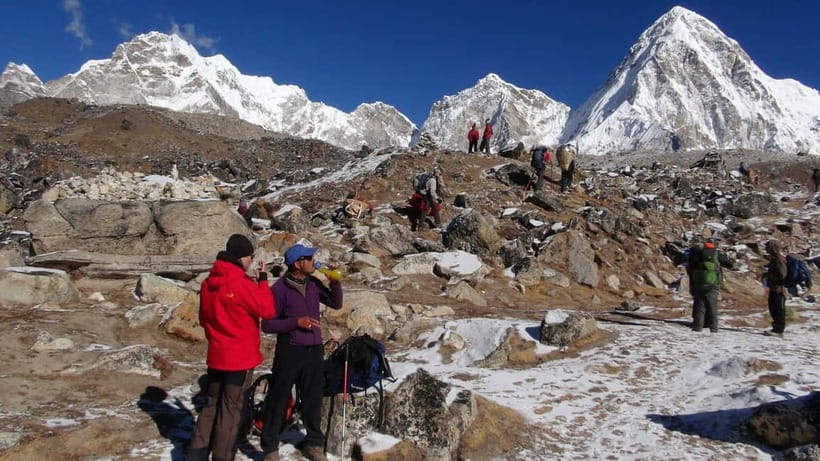
Day 9 is a morning trek to Kala Patthar (5,545 meters) and then you return toward Pheriche for the night (still around 8 hours). This is the classic high viewpoint for Everest angles, and sunrise is the big draw—golden light can turn the peaks into a surreal scene.
This day earns its reputation because it combines effort and payoff. You go higher than Base Camp, and you’re chasing visibility, not just height. When skies cooperate, the view can feel like you’re staring straight into the Everest story.
Practical note: Kala Patthar mornings can be cold. You’ll want your warm clothing ready and your hat positioned like it matters—because at these elevations, it does.
After the sunrise and viewpoints, the descent back toward Pheriche helps you recover. It’s not easy, but it’s a real reset compared with the high-stakes walking up to the viewpoint.
Pheriche to Namche and Back to Lukla: Finishing Strong
Day 10 retraces the route back toward Namche Bazaar. This is often a comforting day because you already know the terrain rhythm now. You can reflect on what you’ve done while still getting decent mountain views.
Then Day 11 brings you back to Lukla (around 8 hours). The last day can feel both satisfying and a little strange. You’ve walked through villages, changed altitude levels, and repeated the kind of careful steps that become almost automatic.
When you reach Lukla again, you’re not just finishing the trek—you’re returning to the part of Nepal where the trip began, with a sense that the mountain has changed you in small, physical ways: breathing, stamina, warmth tolerance, and patience.
Tea Houses, Meals, and the Porter System: Why It Feels Manageable
This package includes accommodation in tea houses, plus porter service. That combination is one of the practical value points here. Tea houses are basic, but you’re also not sleeping in chaos. You’ll have what you need for recovery nights after long hiking days.
Meals are included through the trek setup, and I like that the food is designed for energy: you’ll find hearty staples like dal bhat that keep you moving. The operator’s support team has also been praised for helping coordinate meals efficiently, which matters when hunger hits at altitude and you need predictable fuel.
Porters make a real difference. When someone else carries your main gear, you can hike more consistently with fewer shoulder problems. It also helps you travel smarter if you packed for warmth but underestimated how cold your hands get.
One more practical idea from the field: if you’re changing plans near the end, some people add an alternative like a helicopter from Lobuche back to Kathmandu to save days. That option isn’t guaranteed as part of the package, but it’s useful to know exists if time or energy becomes a bigger constraint.
Price and Value: What $466 Covers (and What You Still Must Plan)
At $466 per person for a 12-day Everest Base Camp trek from Lukla, the value is in what’s packaged. You’re not just paying for a leader with a map. You’re getting:
- a professional English-speaking guide
- tea house accommodation
- permits and entrance fees
- porter service
- a first aid kit
- applicable taxes
That’s a lot of the “trip admin” you’d otherwise scramble to arrange while also trying to keep your altitude plan intact.
What’s not included is also important:
- Flights (you can issue tickets online; the operator offers assistance by email)
- travel insurance
- visa fees
- personal expenses like laundry, beverages, and internet
My practical take: this price works best when you already have your flights and insurance situation sorted early. If you’re still unsure about logistics, that’s when the operator’s pre-trek support can be a lifesaver.
Who This Trek Fits Best (and Who Should Skip It)
This Everest Base Camp trek is built for people who can handle a real hiking routine: 5–7 hours walking daily and two acclimatization days that still keep you active. It’s also a good match if you enjoy Sherpa culture stops like Namche Bazaar and Tengboche Monastery, not just “reach point, take photo, leave.”
It’s not suitable for pregnant women, people with mobility impairments, people with heart problems, or anyone who’s prone to seasickness.
And yes, weather can change rapidly in the Himalayas. Your packing list needs to treat that as normal, not “bad luck.” Warm layers, sun protection, and comfortable shoes aren’t optional.
Should You Book This Everest Base Camp Trek From Lukla?
You should book if you want a structured 12-day route with real altitude planning, English guidance, and practical support that handles the big moving parts. The standout strengths here are the Namche and Tengboche cultural stops, the built-in acclimatization, and the big-view payoff from Kala Patthar.
You might want to think twice if you hate long walking days or you know you’re not comfortable with altitude. And don’t treat this as a flight-only adventure: you’ll carry your own comfort habits, warm clothing, and sunscreen habits every single day.
If you’re ready to work at the pace of the mountain, this trek is a strong value way to reach Everest Base Camp from Lukla—without turning your trip into a logistics headache.
FAQ
How long is the Everest Base Camp trek from Lukla?
The trek is scheduled for 12 days.
Where does the trek start and where do you meet the guide?
The meeting point is Tenzing-Hillary Airport. You share your flight details, and the guide picks you up from the airport.
What is included in the price?
Included are a professional English-speaking guide, tea house accommodation, permits and entrance fees, porter service, a first aid kit, and applicable taxes.
Are flights included?
No. Flights are not included.
Are acclimatization days included?
Yes. Acclimatization days are included, including time in Namche Bazaar and Dingboche.
What altitude does the trek reach at the highest viewpoint?
Kala Patthar is listed at 5,545 meters, and Everest Base Camp is listed at 5,364 meters.
Is travel insurance required?
Travel insurance is not included, and you should make sure you have coverage for high-altitude trekking.