REVIEW · KATHMANDU
Private Kathmandu UNESCO Heritage Sites with Narayanhiti Museum
Book on Viator →Operated by Himalayan Social Journey · Bookable on Viator
Kathmandu has a way of pulling you from one story to the next. This private UNESCO Heritage Sites tour stitches together major Hindu and Buddhist landmarks with a local stop at the Narayanhiti Palace Museum, all with English-speaking guidance and private transport. It is the kind of day that saves time, keeps logistics simple, and helps you understand what you are looking at.
What I like most is the way it groups iconic sites into one smooth loop, so you are not wasting half a day on haggling or guessing routes. The other big win is the human touch: guides like Dipendra (and Deependra) show up on time, explain clearly, and keep the pace friendly rather than rushed.
One consideration: entrance fees and lunch are not included, so you’ll need a bit of extra cash for tickets and food. Also, it is a long day (about 7–8 hours), so plan for some walking and uneven ground at the heritage sites.
In This Review
- Key Highlights You’ll Actually Feel During the Day
- A Private Kathmandu Heritage Route for One Fixed Day
- Two reasons this tour feels like good value
- One note on expectations
- Price and Logistics: What Your $75 Covers (and What It Doesn’t)
- Budget tip that keeps the day comfortable
- Entering Swayambhunath: The Viewpoint Stupa with 2600 Years of Weight
- What you’ll want to prepare
- Pashupatinath Temple: Hindu Devotion Right on the River
- A practical consideration
- Bouddhanath Buddha Stupa: Big Tibetan Presence and Those Watchful Eyes
- Best way to experience it
- Patan Durbar Square: A Living Blend of Faiths
- Why this stop works in the route
- Kathmandu Durbar Square: Old Kathmandu’s Palaces and Courtyards
- A small reality check
- Narayanhiti Palace Museum: Royal Past, Public Visit
- Why this ending feels smart
- Guides and Drivers: Where the Experience Gains Real Quality
- The taxi matters more than you think
- Payment convenience (a real-world plus)
- The Day Itself: Timing, Pace, and How to Avoid a Tired Finish
- What you can do to keep energy high
- Who This Tour Suits Best (and Who Might Want Another Style)
- Should You Book This Private Kathmandu Heritage Tour?
Key Highlights You’ll Actually Feel During the Day
- Private pickup and a hired taxi: less waiting, more time looking at temples and squares.
- Licensed English-speaking guide: useful context at each stop, not just a list of names.
- Six major stops in one route: Swayambhunath, Pashupatinath, Bouddhanath, Patan Durbar Square, Kathmandu Durbar Square, Narayanhiti Palace Museum.
- Mobile ticket included: helps reduce friction when you arrive.
- On-time execution: drivers and vehicles are reported to reach hotels punctually, even in tight lanes.
A Private Kathmandu Heritage Route for One Fixed Day
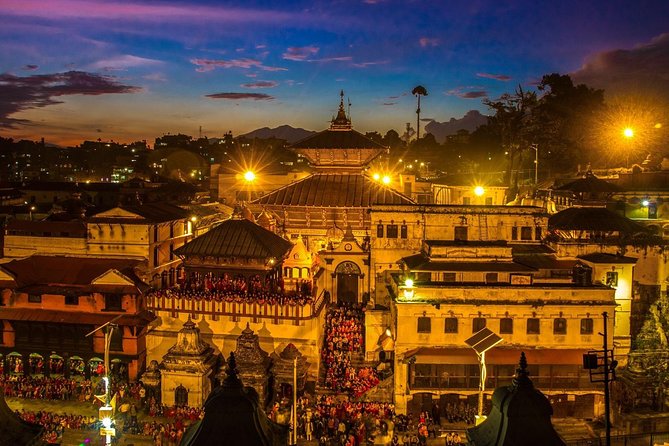
This is a straightforward way to do the big Kathmandu hits without turning your day into a puzzle. You get private transportation and an English-speaking, licensed guide, so you are not stuck translating signage while also trying to follow traffic, crowds, and construction detours.
The route is also smart because it mixes the “classic Kathmandu icons” with royal-era context. You start with Swayambhunath’s hilltop views, move to the riverbank world of Pashupatinath, then shift to the big Buddhist presence at Bouddhanath. After that, you get the city’s old power centers at both Durbar Squares, and end with Narayanhiti Palace Museum near Thamel.
You can also read our reviews of more private tours in Kathmandu

Two reasons this tour feels like good value
First, you are paying for time-saving convenience: private transport + guide + a set route. Second, you are not just visiting sites—you get explanations during the visit, which is where many sightseeing days fall apart.
One note on expectations
This is not a slow museum crawl. It is a working sightseeing day, where each stop gets roughly an hour (with Patan Durbar Square at about 1 hour 30 minutes). That can be perfect for first-time visitors, but if you like to linger, you might feel a gentle time squeeze.
Price and Logistics: What Your $75 Covers (and What It Doesn’t)
The price is $75 per person, and you are typically looking at a 7–8 hour day. Included are private transportation, an English-speaking driver, and an English-speaking licensed tour guide. Pickup is offered, and you’ll use a mobile ticket.
Not included are entrance fees, lunch, and any alcoholic and cold drinks. That matters because many heritage sites have ticket costs that add up. Still, this tour usually works out well if you want one organized day with a guide rather than piecing together tickets and transport on your own.
Budget tip that keeps the day comfortable
Set aside extra money for entrance fees plus at least one meal. Even though lunch is not included, you can still plan to grab food nearby—just avoid the stress of waiting until you’re hungry and everything looks expensive.
You can also read our reviews of more historical tours in Kathmandu
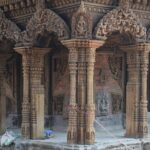

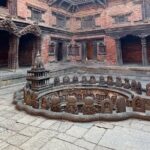
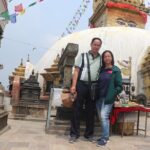

Entering Swayambhunath: The Viewpoint Stupa with 2600 Years of Weight
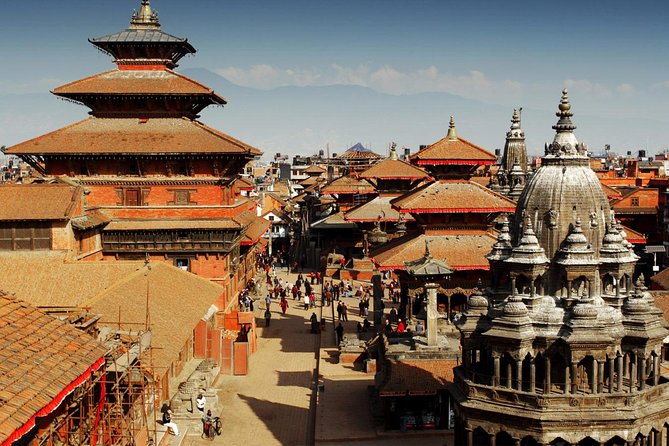
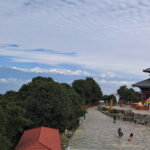
Swayambhunath (often called Monkey Temple) is the kind of place where your first look does most of the teaching. The stupa is said to be around 2,600 years old, and it sits high enough to give you a sense of the whole Kathmandu Valley.
Expect to spend about an hour here. That is usually enough time to walk the perimeter, take in the stupa from different angles, and notice how people approach the place—slow, steady, and purposeful. This stop sets the tone: you start with a monument, then you build your understanding of how Kathmandu blends religion, myth, and everyday life.
What you’ll want to prepare
Bring comfortable shoes. Places on hills and around religious structures often include steps and uneven surfaces, even when the route feels short.
Pashupatinath Temple: Hindu Devotion Right on the River
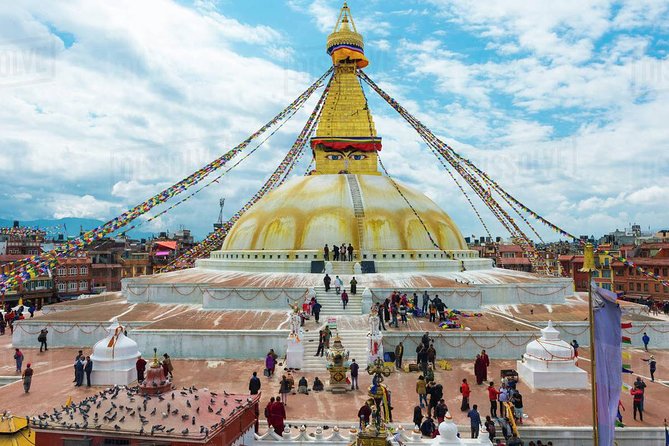
Next is Pashupatinath Temple, one of the subcontinent’s major Hindu sites. The name points to animal life in its meaning, and the temple draws millions of visitors each year. You’ll spend about an hour here.
This stop is different from the stupa sites because it is active and deeply connected to daily belief. You are not just observing an object—you are witnessing a religious center in use. The guide’s role is especially valuable here, since symbolism and traditions can be hard to decode quickly on your own.
A practical consideration
Photography and access rules can vary by area within temple complexes. You’ll have a better day if you follow your guide’s lead on what to approach and where to stand.
Bouddhanath Buddha Stupa: Big Tibetan Presence and Those Watchful Eyes
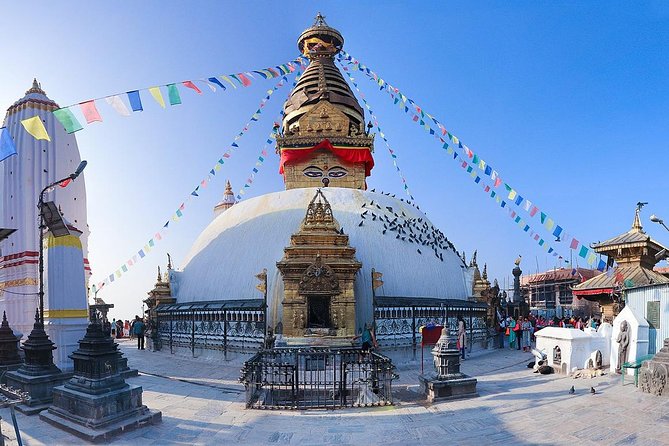
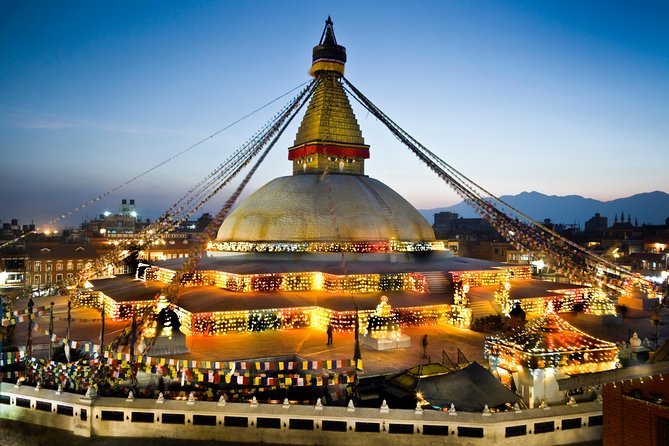
Then you shift to Bouddhanath, a Buddhist stupa commonly described as the god of wisdom. The complex is considered one of the largest stupas in the world, with construction dating back to the 4th century. It is also a major destination for Tibetans and Tibetan communities.
You’ll typically have about an hour here. That is enough time to walk around the stupa area, notice the prayer-style rhythms, and appreciate how the site functions as a cultural meeting point—not just a monument. The stupa is often described as having striking Buddha eyes, and once you spot them, it is hard not to feel like the place is paying attention.
Best way to experience it
Go slowly. At Bouddhanath, the details are part of the experience: movement, chanting, and the way people pause. Your guide can help connect what you see to why it matters.
Patan Durbar Square: A Living Blend of Faiths
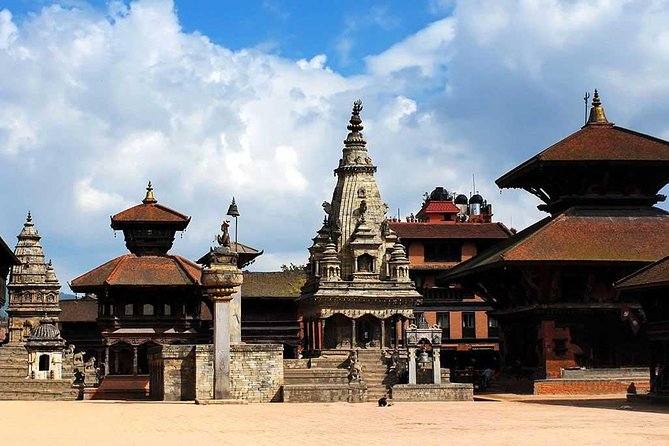
Patan Durbar Square is in Lalitpur, just outside central Kathmandu, and it adds a different flavor to the heritage day. Expect about 1 hour 30 minutes here, which is a little longer than most stops.
The square is tied to old royal architecture—palaces, courtyards, and temples—and it is often described as a fusion of Buddhism and Hinduism. Patan is also known for its art and craftsmanship, so if you like architecture that shows human hands at work, this is a good pause in the middle of the day.
Why this stop works in the route
By the time you reach Patan, you’ve already seen religious sites and viewpoints. Patan then broadens the story into how power and devotion shaped the city’s design.
Kathmandu Durbar Square: Old Kathmandu’s Palaces and Courtyards
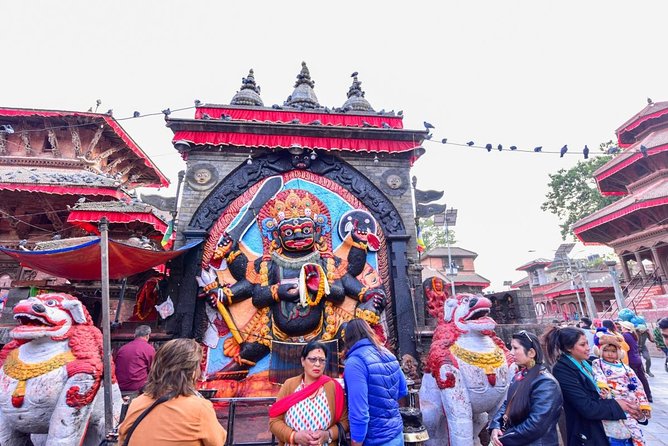
After Patan, you go to Kathmandu Durbar Square, located in the heart of old Kathmandu. This is another major cluster of palaces, courtyards, and temples, and it is one of the most atmospheric places to walk if you want to feel how the city used to be organized.
Plan on about an hour here. In that time, you’ll likely want to focus on a few main structures rather than try to scan everything. A good guide makes a difference because they can point out the stories behind key buildings so you are not simply looking at stone.
A small reality check
Durbar squares can feel crowded depending on the day and time. If the area gets busy, prioritize the architecture and ignore the urge to rush.
Narayanhiti Palace Museum: Royal Past, Public Visit
Finally, you end at Narayanhiti Palace Museum, a public museum east of Kaiser Mahal and next to Thamel. This is a useful closing stop because it shifts you from temples and squares into modern Kathmandu history and the royal storyline behind the city.
You’ll have about an hour here. That makes sense as a finale: you finish your heritage loop with a calmer, more interpretive setting, where you can take in context after the earlier outdoor sites.
Why this ending feels smart
Thamel is nearby, so if you want to wander for dinner afterward, you are not stuck far away from easy options. Even if you do not stay long, it helps you transition from tour mode to normal city life.
Guides and Drivers: Where the Experience Gains Real Quality
The service side matters here, because the route is only useful if you actually reach the sites on time. Reviews highlight friendly teams and seamless execution, with vehicles reaching hotels punctually.
English-speaking guidance seems to be a big part of the satisfaction too. Names that came up include Dipendra and Deependra, and the consistent theme is that the guide explains details without turning it into a lecture. People also praised attentive, patient guiding and clear explanations.
The taxi matters more than you think
Kathmandu has narrow lanes and constant movement. One review specifically mentioned smooth navigation in tight areas, plus a modern, clean, air-conditioned taxi. If you have long travel days, that comfort can be the difference between enjoying the last two stops or feeling done by stop four.
Payment convenience (a real-world plus)
One review noted online payment through GPay in INR accepted. That is handy if you prefer not to carry cash for every step.
The Day Itself: Timing, Pace, and How to Avoid a Tired Finish
This tour is built around short, focused visits: most stops get about an hour, with Patan Durbar Square getting more time. In practical terms, that means you should show up ready to move—water helps, and so do quick breaks when your guide suggests them.
If you are the type who loves to read every plaque, you might find the pace brisk. If you prefer to understand the main themes and then explore later on your own, this schedule is a good match.
What you can do to keep energy high
Wear shoes you can walk in all day. Bring sun protection. If lunch is not included, plan your food timing so you are not forced into a rushed meal that strains your budget.
Who This Tour Suits Best (and Who Might Want Another Style)
This is ideal if you:
- Want a private day with a guide rather than DIY planning.
- Are short on time and want the major Kathmandu Valley UNESCO highlights in one loop.
- Prefer clear explanations at each stop, especially around religious symbolism and architecture.
It might not be perfect if you:
- Want lots of free time at each site.
- Are hoping the price includes everything like entrance fees and lunch (it does not).
- Prefer a slow, reading-heavy pace over a structured itinerary.
Should You Book This Private Kathmandu Heritage Tour?
I think this is a solid choice if you value organization, language help, and efficient use of a limited day. The included private transport and English-speaking licensed guide do real work here, and the stops are arranged to build understanding as you go—from viewpoints to temples to palaces to museum context.
Book it if you want a well-paced UNESCO-style day with minimal logistics stress. If you hate time limits, treat this as a “core highlights” day and plan a second outing later to linger wherever you loved most.