REVIEW · KATHMANDU
200 Hours Yoga Teacher Training at Nepal Yoga Home (starts on 1st of everymonth)
Book on Viator →Operated by Nepal Yoga Home · Bookable on Viator
A 21-day reset in Kathmandu starts on cue. This 200-hour yoga teacher training at Nepal Yoga Home runs from the 1st of every month, with all yoga sessions at the school in the Kathmandu Valley, so you can plan around a real start date. You’ll also get accommodation and meals handled for the stay.
I like that the training isn’t just about performing postures. You’ll work through Hatha and Ashtanga traditions while learning the philosophy and the science behind yoga, plus meditation-based support that helps you teach with more confidence.
One thing to think through: this course is based at Nepal Yoga Home, and sightseeing/trekking isn’t included—so if your dream Kathmandu trip means daily excursions, you’ll need to plan that separately.
In This Review
- Key things I’d circle before booking
- Why the 1st-of-the-month schedule is a big deal in Kathmandu
- Price and value: what $2,000 covers (and what doesn’t)
- Getting to Nepal Yoga Home: location and the 7:15 am start
- Inside the 200-hour training: what your 21 days likely look like
- 1) Core yoga practice sessions (Hatha + Ashtanga)
- 2) Teaching skills and learning how to support students
- 3) Philosophy, science, and meditation-based elements
- 4) The end goal: leave with a teaching-ready foundation
- The school vibe: what “comfortable accommodation and organic food” really means
- Hatha vs. Ashtanga: why this combination can help your future classes
- Group size and the solo-traveler question
- Tradeoffs to plan for: what you’re not getting
- Who should book Nepal Yoga Home’s 21-day 200-hour YTT?
- Quick checklist before you choose your month
- Should you book this course?
- FAQ
- FAQ
- When does the 200-hour Yoga Teacher Training start?
- How long is the course in Kathmandu?
- Where is the training held?
- What time does the training start?
- What is the price per person?
- What’s included in the price?
- What isn’t included?
- How many people are in the group?
- Is there a weather or minimum-travelers condition?
Key things I’d circle before booking
- Monthly start date: course begins on the 1st, so you can match the training with your calendar
- Lodging + meals included: fewer daily logistics and easier budgeting while you focus on training
- 200 hours with teaching skills in mind: it’s built to help you guide students, not just practice for yourself
- Hatha and Ashtanga mix: you get grounded instruction in two major yoga streams
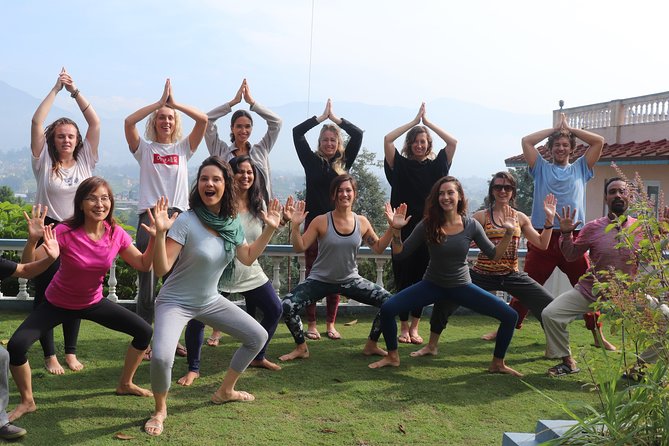
- Small group setting: max 25 participants, which tends to keep things more personal
- A calm, welcoming vibe: the school has a reputation for supportive teachers and a friendly environment
Why the 1st-of-the-month schedule is a big deal in Kathmandu

Kathmandu is not a place where you want to constantly “wait and see.” Weather, traffic, and booking changes can add stress fast. That’s why I appreciate that this program starts on a clear 1st-of-the-month schedule—pick a month, show up, and the rhythm is set.
The school also keeps the training centralized at Nepal Yoga Home. That sounds simple, but it matters. When your yoga days don’t involve constant transport, you’ll spend less energy getting to class and more on developing technique, learning the teaching structure, and building consistency.
You also know the duration is about 21 days, with a start time of 7:15 am. Early starts can be a shock if you’re used to sleeping in, but for many people they become part of the training culture. If mornings recharge you, you’ll likely feel at home here.
You can also read our reviews of more tours and experiences in Kathmandu.



Price and value: what $2,000 covers (and what doesn’t)
The listed price is $2,000.00 per person for a 21-day, 200-hour course. That sounds like a serious commitment, so I always try to translate it into what you’d otherwise pay while you live in Kathmandu and chase classes on your own.
Here’s what’s included in the program package:
- Accommodation
- All meals (breakfast, lunch, dinner)
- All fees and taxes
And here’s what’s not included:
- Private transportation
- Food of your personal interest
- Tour, sightseeing and trekking
- Laundry
That inclusion list is where the value usually shows up. You’re not piecing together lodging plus a daily class package plus meals, and then managing separate payments. Instead, you’re paying for a structured stay where food is part of the plan. Based on the school’s reputation for healthy, nourishing meals, this can also reduce the temptation to eat random convenience food between training sessions.
If you do plan to hire a private driver or take day trips, just remember that’s on you. And if you’re the type who wants to add cafés and treats to every day, you’ll want a little extra cash beyond the course cost because “personal interest” food isn’t covered.
Getting to Nepal Yoga Home: location and the 7:15 am start
Your meeting point is Nepal Yoga Home, Tarkeshwor-5, Kathmandu 44600, Nepal. The activity ends back at the meeting point, which again keeps your life simple.
Two practical perks here:
- It’s near public transportation, so you’re not locked into hiring private transport every day.
- Service animals are allowed, and “most people can participate,” so the basic setup is fairly accessible for a wide range of participants.
The day starts at 7:15 am. If you’re traveling from a very different time zone, you’ll want to plan for a brief adjustment period. Most people don’t love the first morning of any training course. The good news is that the structure—same school, same schedule, same meals—helps your body stop negotiating and start training.
Inside the 200-hour training: what your 21 days likely look like
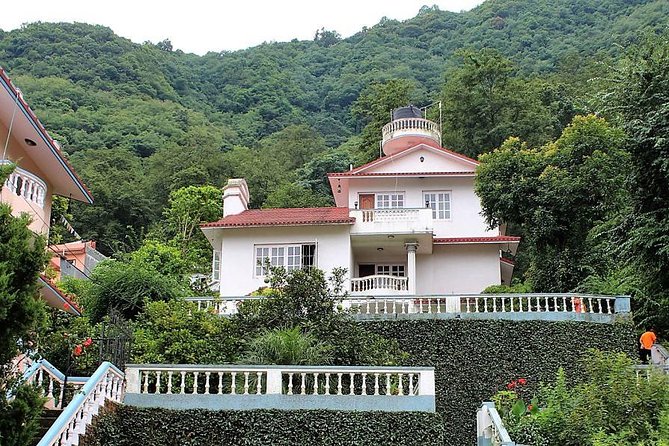
The course is described as a 200-hour yoga teacher training that stays entirely on-site at Nepal Yoga Home. While the exact daily timetable isn’t listed here, you can count on a full training schedule built around consistent yoga sessions, plus coursework designed to help you teach.
Here’s the big picture of what those 21 days are for:
1) Core yoga practice sessions (Hatha + Ashtanga)
This is where technique and stamina take center stage. You’ll study Hatha and Ashtanga traditions, which is a practical pairing. Hatha tends to build control and foundational alignment, while Ashtanga often helps with sequence awareness and steady progress.
Even if your personal practice already includes some of these styles, a teacher training is different because you’re also learning why you do things—how transitions work, how to cue safely, and how to spot common mistakes.


2) Teaching skills and learning how to support students
The course description highlights learning skills to support students through their practice. That means you’re not only practicing your own yoga—you’re learning how to guide someone else.
In a real teaching environment, this matters because students don’t all move the same way. Some are tight, some are new, some are emotionally stressed, and some just want clear instruction. The training is designed to help you respond with skill rather than guesswork.
3) Philosophy, science, and meditation-based elements
The program description emphasizes the philosophy and the science behind yoga. In plain terms, that’s the bridge between “I can do poses” and “I can teach yoga with understanding.”
Local school culture also leans into meditation. Multiple course experiences mention that meditation is part of the integrated training. That can help you teach presence and breath in addition to technique—especially if you want your classes to feel grounded, not just athletic.
4) The end goal: leave with a teaching-ready foundation
You’re in a 200-hour program for a reason: it’s meant to build a foundation strong enough for future teaching or serious side-hustle development. Even if you don’t plan to teach immediately, you’ll likely come away with a clearer practice philosophy and more tools for building classes responsibly.
The school vibe: what “comfortable accommodation and organic food” really means
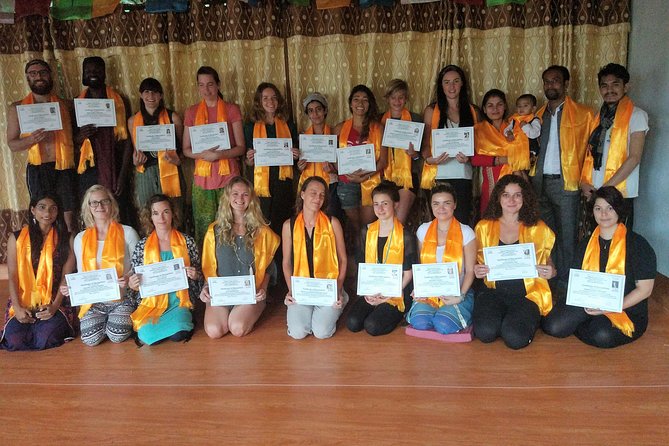
This training isn’t presented as a rough, back-to-basics retreat. It’s organized and consistent. You get:
- Comfortable accommodation (included)
- Organic food (mentioned in the overview)
- All meals: breakfast, lunch, dinner
Food inclusion sounds like a small detail until you try teacher training while traveling. When you don’t have meals planned, you spend your mental energy searching for something that agrees with you—then you’re hungry during sessions and distracted during coursework.
Here, food is part of the structure. And the school’s reputation for nourishing, healthy meals comes up again and again in the experiences people report. If you’re doing a physically demanding training, having predictable meals is a real quality-of-life factor.
Accommodation is also part of that equation. You’re on-site and you’ll be back between sessions. Comfortable lodging doesn’t just feel nice—it helps you recover. In a teacher training, recovery is part of your learning.
Hatha vs. Ashtanga: why this combination can help your future classes
You might come in with one style already. Still, mixing Hatha and Ashtanga can make you a more flexible teacher.
- Hatha work can strengthen your cueing around alignment, breath, and safe pacing.
- Ashtanga work can improve your sense of sequence flow and how to sustain effort with steady attention.
If you eventually teach classes, the best teachers aren’t only “pose techs.” They’re able to offer options, explain mechanics, and help students find stability. A course that covers two major traditions can give you language and structure for both beginners and experienced practitioners.
And because the program explicitly focuses on learning how to support students, you’re being trained to move beyond demo-ing and into guiding.
Group size and the solo-traveler question
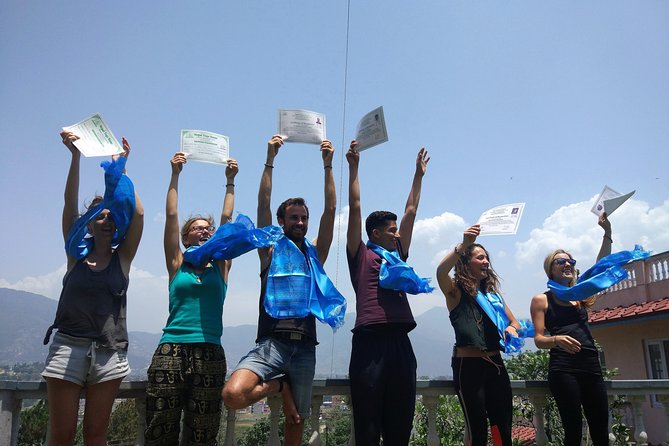
The maximum group size is 25 travelers. That’s not tiny, but it’s small enough that you can usually learn names, ask questions, and build rapport without feeling lost in a crowd.
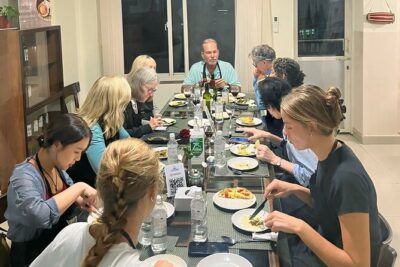
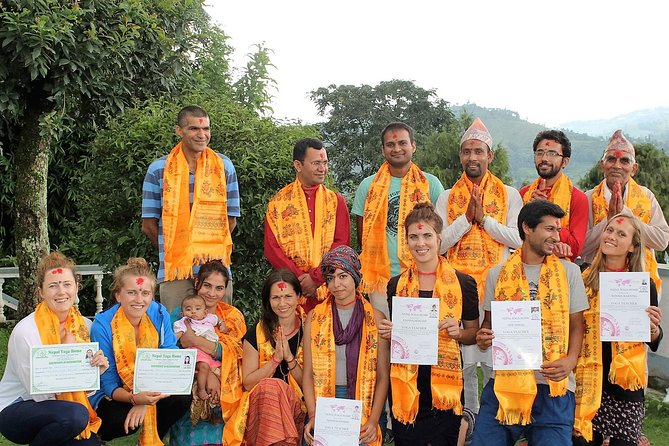
This matters especially if you’re traveling solo. One common hesitation solo participants have is whether they’ll feel awkward or disconnected. The school’s environment is repeatedly described as welcoming and supportive, with a sense of becoming part of a small community. That kind of social comfort can help you show up fully for your training instead of spending energy on logistics and loneliness.
Tradeoffs to plan for: what you’re not getting
Here’s where I want you to set expectations clearly.
- No sightseeing/trekking included. This course is built around yoga training at the home base. If you want temples, hiking, or guided tours, you’ll need to budget for that separately.
- Private transportation isn’t included. You can use public transportation, because the location is near it, but if you want comfort-level convenience you may pay extra.
- Laundry isn’t included. If you pack like a normal human, you’ll probably manage, but don’t expect the school to handle it.
Also, the experience has a weather dependence noted in the cancellation terms. That’s usually more relevant for outdoor plans than an indoor studio schedule, but it’s still worth keeping in mind if you’re booking close to big monsoon shifts or seasonal storms.
Finally, the training requires a minimum number of travelers. That’s fairly common for boutique programs, but it’s smart to double-check your month’s availability if your schedule is tight.
Who should book Nepal Yoga Home’s 21-day 200-hour YTT?
This program is a good match if you want:
- A structured, on-site yoga teacher training in Kathmandu
- A clear training block of about 21 days
- Instruction rooted in Hatha and Ashtanga
- A focus on teaching skills plus philosophy and the science behind yoga
- Meals and accommodation handled, so you can focus on training instead of constant logistics
You may enjoy it even more if you’re thinking about a future career step or a serious side-hustle. The course is explicitly framed as training to help you learn skills for teaching, not just personal growth.
It’s also a strong option if you like a calm atmosphere with supportive teachers. The vibe described around the school is one where people feel cared for from day one—which matters when you’re learning challenging things and your body is adjusting.
Quick checklist before you choose your month
Since the schedule starts on the 1st of every month, your month choice becomes part of your strategy. I’d consider:
- When you can handle a 7:15 am start without resenting your life
- Whether you want Kathmandu as a pure training base or as a mix of training plus separate day trips (because tours/trekking aren’t included)
- How much extra spending you want for personal food, transport, and activities outside the program
If you’re the kind of traveler who plans in detail and likes to know exactly what’s covered, this structure will feel refreshing.
Should you book this course?
If you want a serious 200-hour teacher training in a supportive setting where meals and lodging are included, I think this is a strong choice. The combination of Hatha + Ashtanga, a teaching-focused curriculum, and a meditation-based element fits well if you want to become a capable guide—not just a flexible student.
I’d hesitate only if your main goal is a full Kathmandu sightseeing itinerary. This isn’t designed as a tour-and-hike vacation package. It’s a yoga home base. If you accept that and plan your outside adventures separately, you’ll likely get the benefit: a consistent training environment that helps you actually move forward.
FAQ
FAQ
When does the 200-hour Yoga Teacher Training start?
Courses start on the 1st of every month.
How long is the course in Kathmandu?
The duration is listed as 21 days (approx.).
Where is the training held?
All yoga sessions are done at Nepal Yoga Home, in Kathmandu.
What time does the training start?
The start time is 7:15 am.
What is the price per person?
The price is $2,000.00 per person.
What’s included in the price?
Included are breakfast, lunch, dinner, accommodation, and all fees and taxes.
What isn’t included?
Not included are private transportation, food of your personal interest, tour/sightseeing/trekking, and laundry.
How many people are in the group?
The experience has a maximum of 25 travelers.
Is there a weather or minimum-travelers condition?
Yes. The experience requires good weather, and it also requires a minimum number of travelers. If it’s canceled for poor weather or minimum numbers, you’ll be offered a different date or a full refund.