REVIEW · POKHARA
Private Tour Local Culture and The View of Mohare Danda
Book on Viator →Operated by Nepal Nature Adventure Destination (P) Ltd · Bookable on Viator
Mohare Danda feels personal. This private 5-day trek from Pokhara pairs village-run lodges with high-mountain sunrise views over the Dhaulagiri, Annapurna, and Manaslu ranges, so the trip feels more like you’re visiting real communities than checking off viewpoints. You’ll also get a licensed guide plus porter help with luggage, which keeps the focus on walking, photos, and conversations.
I like that the route is intentionally off the beaten path, with stops that mix nature and day-to-day local life along the Kali Gandaki corridor. One consideration: this is a trek, and you should plan for moderate physical fitness, including the kind of steep, tiring hiking that can make the descent feel harder than it looks on a map.
In This Review
- Quick hits on this Mohare Danda style of trek
- Why this route feels more local than most Nepal trekking
- From Pokhara toward Beni: Kali Gandaki River and first village hiking
- Banskharka, local farms, and what you’ll notice on the trail
- Dhaulagiri lunch stop: outdoor comfort with a world-class view
- Sunrise-focused days: Annapurna, Dhaulagiri, and Manaslu in the same experience
- Kali Daha Lake reflections and the rhododendron corridor
- Kali Gandaki finish: the sacred river, deep gorge facts, and rituals
- Price and value: what $315 really buys you on this 5-day private trek
- Safety, guides, and the smart way to handle a tough descent
- What you should do before you go (packing and fitness reality check)
- Who this trek suits best (and who might want something else)
- Should you book this Mohare Danda local-culture trek?
- FAQ
- Is pickup offered?
- How much trekking fitness do I need?
- Are meals included in the price?
- Will there be mountain views each day?
- Is there hot shower access and internet during the trek?
- Is there an optional cultural program?
- What if the weather is poor or I need to cancel?
Quick hits on this Mohare Danda style of trek
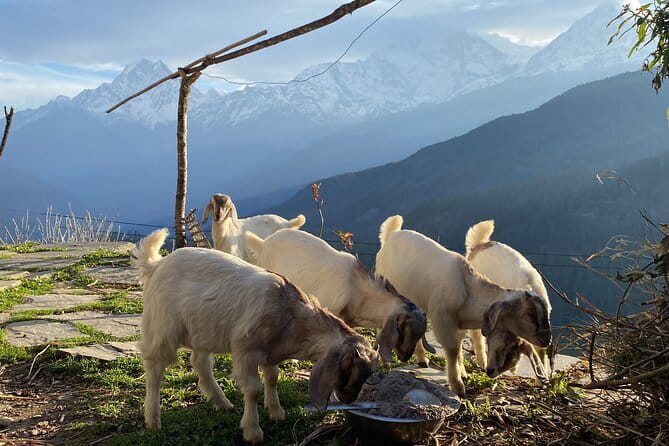
- Community-run stays that support local services: your money goes back into education, health, and infrastructure through local lodge operations.
- Sunrise viewing built around multiple peaks: Dhaulagiri, Annapurna, and Manaslu show up across the route, not just in one dramatic moment.
- Meals timed for comfort, not just calories: expect cozy dining with firewood chimney and warm hospitality during long view-waiting stretches.
- Kali Gandaki is both scenery and sacred space: the gorge is famously deep, and the river is tied to Hindu and Buddhist rituals.
- A tough downhill can be managed: if Mohare Danda descent feels too arduous, the guide network can sometimes arrange quicker help to reduce strain.
Why this route feels more local than most Nepal trekking
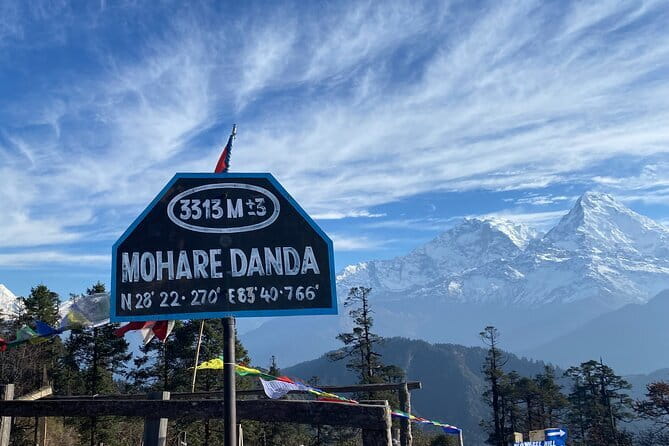
The big idea here is that the Annapurna-region communities are part of the experience, not just scenery. Local families run lodges along the way, and that matters because it keeps benefits in the villages—supporting things like education, health, and basic infrastructure. If you care about where your tour money goes, you’ll appreciate this more than a standard “bus to viewpoint” setup.
Another practical plus: you’re not just walking in a straight line toward one iconic summit shot. You’re moving through farmland, settlements, and working landscapes around the Kali Gandaki area, so the pace feels human. Even small stops like village views and souvenir shopping for Lokta paper connect you to local crafts, not just the photo wall.
There’s also a safety angle to the local approach. Trekking off the beaten path means conditions can change quickly, and a guide team that knows the people and the logistics around these communities is a real advantage.
You can also read our reviews of more private tours in Pokhara
From Pokhara toward Beni: Kali Gandaki River and first village hiking
Your trek starts with a drive from Pokhara to Beni, where you’ll pass the Kali Gandaki River. This river is a signature of western Nepal, and seeing it early helps you understand the geography you’ll be walking through—gorge country, not flat valley strolls.
After lunch in Beni, you begin hiking toward Banskharka village. Along the way, you get glimpses of settlements and farming land, including a Brahman settlement area and agriculture in Mallaj village. This is the kind of “slow reveal” day that’s worth it, because it makes the route feel lived-in rather than scenic-without-context.
If you want a smooth start, this is one of the better ways to do it. You’re not thrown into a long climb immediately, and the morning-to-afternoon flow helps you get your bearings fast. Still, pack for practical trekking needs—comfortable boots and layers—since river corridors in Nepal can feel cool or changeable.
Banskharka, local farms, and what you’ll notice on the trail
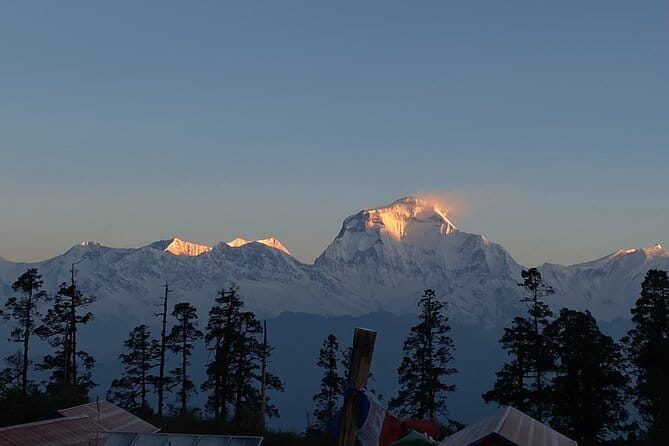
Once you’re close to Banskharka village, the vibe shifts from transport-day movement into community rhythm. You’re walking through areas where people farm, settle, and run lodges, so you’ll likely notice more daily routines than you’d see on a trail designed only for tourists.
This is also where porters make a difference. The tour includes local professional porters to transport your luggage between destinations, so you can keep your daypack lighter. That matters on a multi-day walk because tired legs don’t just affect your pace; they affect how careful you are on uneven ground.
Expect a route that invites conversation. Even when you’re focused on views, you’ll have chances to learn how people in these villages live with the mountains nearby. The goal here is connection, not just extraction of photos.
Dhaulagiri lunch stop: outdoor comfort with a world-class view
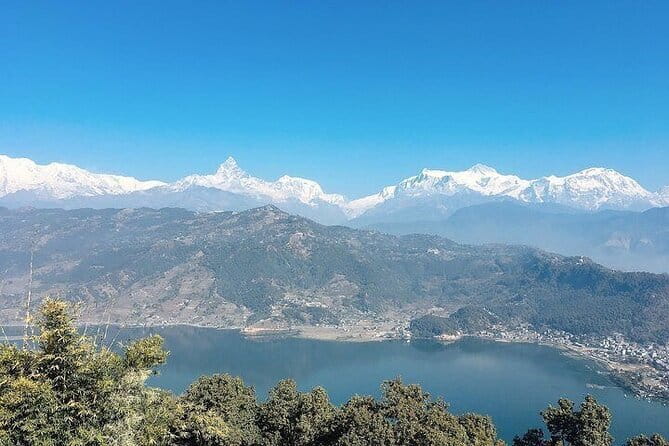
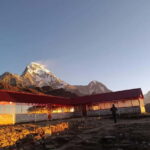
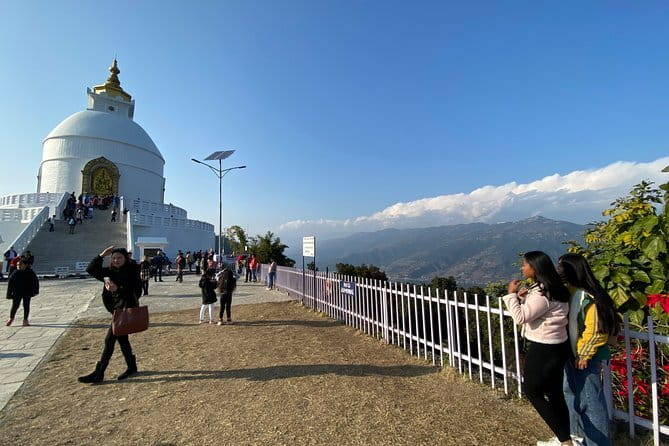
One of the highlights is stopping for lunch with a view of Dhaulagiri, one of the highest mountains on Earth. This isn’t just “eat while you look”; it’s set up to make the view part of the meal experience. You get time to sit, breathe, and take in a long mountain wall instead of chasing a single cliffside photo angle.
This is also a good moment to pick up small Nepali crafts. There’s mention of Lokta paper and handmade handicrafts available for purchase, which is the kind of souvenir that feels tied to real local production. If you plan to buy something, midday is often easier than last-minute bargaining on a tight schedule.
Practical tip: bring a light jacket even if it’s warm earlier in the day. Dhaulagiri-area air can cool quickly, especially as the day shifts from sun to shade. A warm meal helps, but layers help more.
Sunrise-focused days: Annapurna, Dhaulagiri, and Manaslu in the same experience
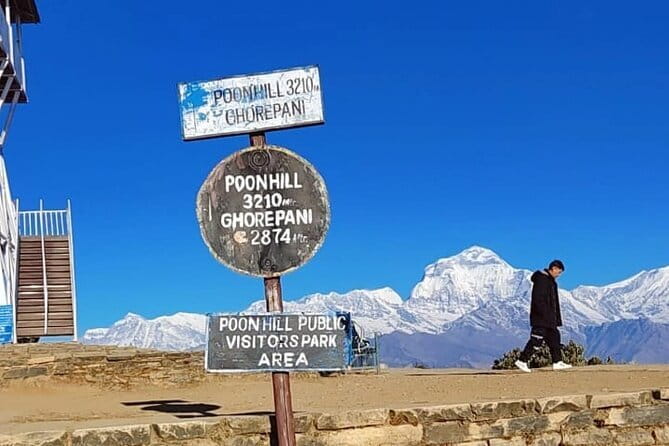
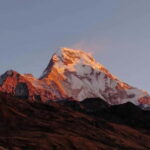
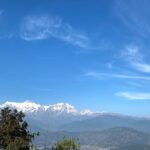
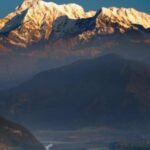
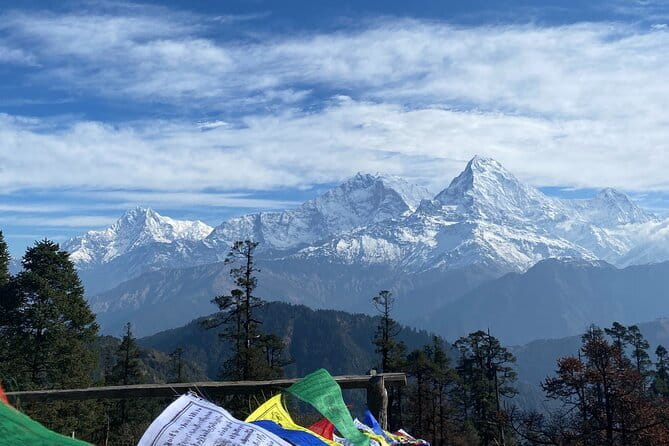
Sunrise is a core theme, and you’ll see why quickly. One morning is built around watching the Annapurna, Dhaulagiri, and Manaslu ranges open up as the sky brightens. The setting includes cozy dining with a firewood chimney, so you’re not just standing around freezing while waiting for a glow.
This part of the trek also includes a real-world comfort detail: free internet facility is available during the sunrise stop. That won’t replace the view, but it’s genuinely useful if you want to message home, check plans, or just take a breather between long waiting moments.
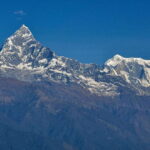
You’ll also have another sunrise-focused viewing moment, with Dhaulagiri again emphasized. Then you get a separate stop where Mount Manaslu appears—at 8,163 meters, it’s one of the tallest mountains in the world. Having Manaslu in the picture matters because it broadens the sense of scale beyond the Annapurna brand most people know.
In a practical sense, sunrise treks reward patience. The best way to enjoy them is to treat the waiting time as part of the experience—stay warm, hydrate, and let your senses adjust to the changing light instead of rushing your photos.
Kali Daha Lake reflections and the rhododendron corridor
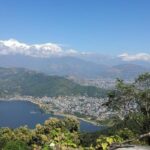
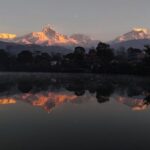
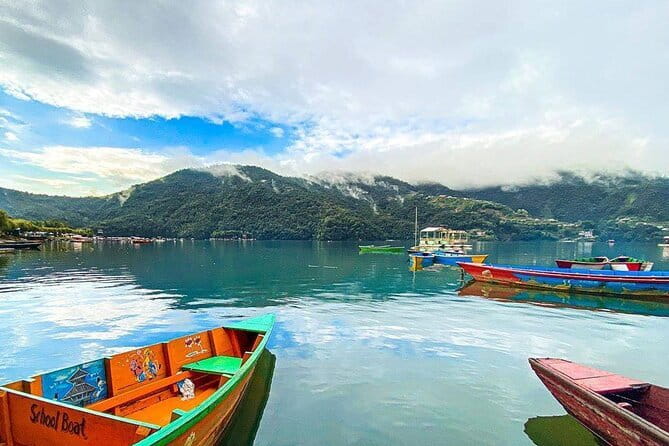
Another memorable stop is Kali Daha Lake, described as mirror-like, reflecting the Annapurna mountain range as the sun rises. If you like nature photography but also like quiet moments, this is the kind of place where you can slow down. The lake’s calm surface gives you a different angle on the Himalaya compared with higher viewpoints.
Right after that, you’ll walk through areas marked by rhododendron bushes. Rhododendron holds cultural significance in Nepali culture, and the trail is presented as meaningful, not just pretty. This is a good day for people who enjoy plant life and seasonal colors, especially because it breaks up the “stone-and-sky” feel with living detail.
If you get motion sickness, take it easy on the transitions. Hikes near water and forested corridors can involve gradual ups and downs, and you’ll want steady hydration. If you get cold easily, keep a warm layer accessible—lake air can feel different from sunlit paths.
Kali Gandaki finish: the sacred river, deep gorge facts, and rituals
The trek closes near the Kali Gandaki River. This river is sacred in Hindu and Buddhist beliefs, and the banks are associated with rituals and ceremonies. Pilgrims often take dips in the holy waters as a form of purification, so the river has a spiritual “here and now” feeling rather than being only an impressive natural feature.
You also get some strong geography context here. The Kali Gandaki separates two of the world’s top mountains, and when measured from Dhaulagiri’s peak down to the riverbed, it’s considered the deepest gorge in the world, about 5.5 kilometers of vertical drop. That kind of fact makes the scale click when you’re standing nearby.
This ending works well emotionally. After days of sunrise viewing and village walks, finishing with a river that people treat with respect gives the trip a grounded tone. It’s not just the mountains you remember; it’s how humans live beside them.
Price and value: what $315 really buys you on this 5-day private trek
At $315 for a private 5-day experience, the value mainly comes from what’s included. You’re getting private transportation (including an air-conditioned vehicle), a licensed or certified in-person guide, and local porters to move your luggage between destinations. On many treks, these pieces cost extra when booked separately.
Meals are also part of the deal: lunch is included for five days, breakfast for four, dinner for four, plus tea/coffee. There’s a hot shower included, which is not a small comfort thing on multi-day trekking routes. You’re also covered for dietary requirements as long as you note them when booking.
What’s not included is also clear. Alcohol, wine, soft drinks are excluded, and there’s an optional fee of USD 48 if you request the Pun Magar Traditional Cultural Program. If you’re the type who loves a cultural performance, decide early so you don’t run out of time or budget at the last moment.
One more value piece: the route is designed around local lodges and community development. That’s harder to price than a vehicle seat, but it’s often the difference between a trek that feels transactional and one that feels connected.
Safety, guides, and the smart way to handle a tough descent
Safety here isn’t just a slogan. The trip is run by a licensed or certified guide and uses a team approach that’s meant to handle changing conditions. In real trekking life, rain, hail, and tricky downhill sections happen, and having a guide who can solve problems matters more than having perfect weather on paper.
There’s also a notable practical win mentioned in guide stories: when the Mohare Danda descent looks especially arduous, the guide network can arrange cars down the mountain to save time and reduce unnecessary injury risk. That doesn’t mean you skip responsibility for your own fitness, but it does mean there’s a plan if your body isn’t matching your ambition on a given day.
This is where guide personalities help too. Chitra and Lukesh are highlighted for their connection with people along the way and their ability to make the journey feel more personal. When someone knows how to talk with lodge owners, farmers, and community members, the trek becomes richer without forcing it.
What you should do before you go (packing and fitness reality check)
You’ll want moderate physical fitness for this route. That phrasing is important because it doesn’t mean couch-to-summit. It means you should be comfortable walking hours a day on uneven terrain, and you should be ready for at least one day that feels hard, especially around descent.
Pack for temperature swings. Sunrise days and lake areas can feel cooler than you expect, and firewood-chimney dining helps, but clothing does the heavy lifting. Bring a warm layer, a rain layer, and trekking shoes you trust.
If you’re sensitive to wet weather, plan to stay dry where you can. In trekking country, small dampness can become big discomfort fast. Keep spare socks, and treat your feet like they’re the main character of this story. They basically are.
Lastly, bring a flexible mindset. Off-the-beaten-path trekking can mean slower pacing, more local interactions, and fewer “instant fixes” than big-name routes. If you like spontaneity and can roll with it, this trek will reward you.
Who this trek suits best (and who might want something else)
This is a great match if you want:
- Big mountain views without only doing a single viewpoint loop
- A trek that’s tied to local communities through lodge operations
- A private setup with a guide, porters, and included meals
It’s not the best fit if:
- You’re looking for a totally easy walk with no real hiking effort
- You travel only when weather is guaranteed (this experience requires good weather)
- You want a nightlife-heavy trip. This is a mountain-and-river focus, with cozy meals, early starts, and long view windows.
If you’re a first-time trekker, this kind of structure can help because the day-to-day rhythm is supported by guide coordination and porter help.
Should you book this Mohare Danda local-culture trek?
I think you should book if you care about two things at the same time: Himalaya sunrise views and a route that supports the people living in the trekking corridors. The included meals, hot shower, air-conditioned transport, and porter support make the logistics easier, and the Kali Gandaki and Kali Daha Lake stops add variety beyond just “walk up, take photo, walk down.”
Skip it or consider another option if you’re not comfortable with moderate trekking fitness, or if you can’t handle the reality that weather matters. Also, decide ahead of time whether you want the optional Pun Magar Traditional Cultural Program, since it adds cost.
If you want a trip that feels like you’re moving through Nepal with purpose—views, culture, and community benefits—this route is built for that.
FAQ
Is pickup offered?
Yes. The tour includes pickup offered, along with private transportation and an air-conditioned vehicle.
How much trekking fitness do I need?
The tour recommends travelers have moderate physical fitness. The route includes hiking days and can feel especially tough on downhills.
Are meals included in the price?
Yes. Tea/coffee are included. You’ll get lunch for five days, breakfast for four days, and dinner for four days.
Will there be mountain views each day?
You’ll have major view moments across the trip, including sunrise viewing connected to the Annapurna, Dhaulagiri, and Manaslu ranges, plus Dhaulagiri and Manaslu-focused stops.
Is there hot shower access and internet during the trek?
Hot shower is included. Free internet facility is available during the sunrise portion of the route.
Is there an optional cultural program?
Yes. The Pun Magar Traditional Cultural Program costs USD 48 in total if you request it, and it is not included in the base price.
What if the weather is poor or I need to cancel?
The experience requires good weather. If it’s canceled due to poor weather, you’ll be offered a different date or a full refund. Free cancellation is available up to 24 hours in advance for a full refund.