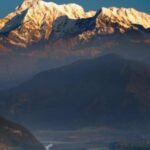
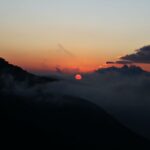
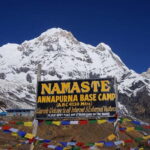
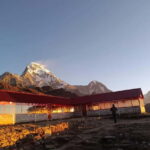
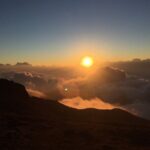
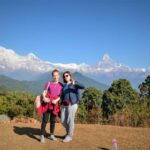
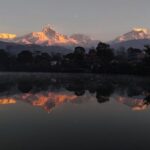
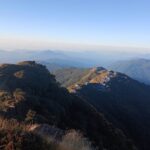
Short trek, serious mountain views. The Mardi Himal Trek is a great-value way to get deep into the Annapurna region without burning a whole week, starting with a drive to Dhampus and ending back at your Pokhara hotel. You’ll spend days hiking from camp to camp, with big sightlines toward Fishtail, Annapurna, and Hiunchuli.
I especially like the way this trip handles people logistics. It’s private, so your pace and route choices stay in your hands, not in a big group shuffle.
My second favorite is the support: you travel with an experienced, government-licensed guide and a porter setup of 2 guests = 1 porter, plus a full meal plan that keeps you fueled (including seasonal fruits after dinner). The main trade-off to plan for is that you bring your own personal trekking equipment, and meals/accommodation in Kathmandu or Pokhara outside the trek are not included.
In This Review
- Key highlights at a glance
- Mardi Himal Trek: the short route to big Annapurna views
- Pokhara start at 10:45: Dhampus, private transport, and getting moving
- Forest Camp to High Camp: the camp-to-camp day that builds momentum
- Day 3 choice: Mardi Himal Base Camp vs View Point
- Day 4 down to Landruk: village life and Annapurna South in the frame
- Day 5: the short Landruk to Siwai walk and back to Pokhara
- What’s included (and what that means for your real comfort)
- Guide and porter support
- Private transportation
- Accommodation during the trek
- Meals, plus seasonal fruits after dinner
- Price and value: what $399 buys you on a 5-day private trek
- Who should book this Mardi Himal Trek (and who might skip)
- Should you book this Mardi Himal Trek?
- FAQ
- How long is the Mardi Himal Trek?
- Where does the trek start and end?
- What time does the trek start?
- Is this a private trek?
- Who provides the guide and porter support?
- What meals are included during the trek?
- What accommodation is included during the trek?
- What is not included in the price?
- Can I choose between Mardi Himal Base Camp and the View Point?
- What if I need to cancel, or weather is bad?
Key highlights at a glance
- Private trek with hotel-to-trail transfers that start from Lakeside Pokhara at 10:45am
- Camp-to-camp hiking: Forest Camp, Low Camp, High Camp, then onward to Mardi Himal Base Camp or View Point
- Day 3 view choice: Base Camp or View Point, depending on what you want most that day
- Village descent into Landruk, with views over local houses, farmlands, and daily life
- Meals built in every trekking day, plus seasonal fruit after dinner
- Porter support (2:1) that helps keep your load realistic and your hiking more comfortable
Mardi Himal Trek: the short route to big Annapurna views
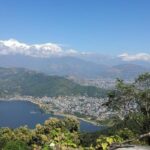
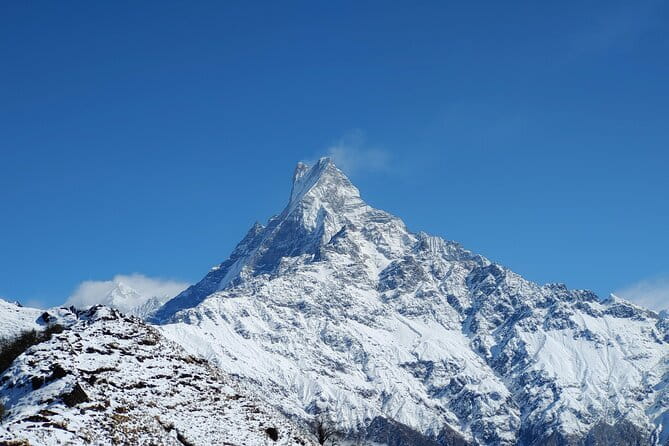
Mardi Himal is one of those treks where the time you spend walking feels like it adds up fast. You’re near Pokhara, so you get a practical start and end to a Himalayan adventure. Over about 5 days you’ll move through forest paths, camp areas, and viewpoint moments, with sightlines tied directly to the Annapurna range.
What makes this trek appealing is the balance: it’s not trying to be a long expedition, but it still gives you that “I’m actually in the mountains” feeling. You’re hiking between places like Forest Camp, Low Camp, and High Camp, then pushing toward either Mardi Himal Base Camp or the View Point. That structure matters because it turns the whole journey into a sequence of goals, not just one long grind.
I also like how the experience stays grounded in real trekking rhythm. Your days are measured in hours of walking, then you settle into accommodation at camp villages/areas and eat well enough to keep moving the next morning. It’s the kind of setup that’s friendly for travelers who want mountains, but don’t want to turn the whole trip into a survival course.
You can also read our reviews of more hiking tours in Pokhara
Pokhara start at 10:45: Dhampus, private transport, and getting moving
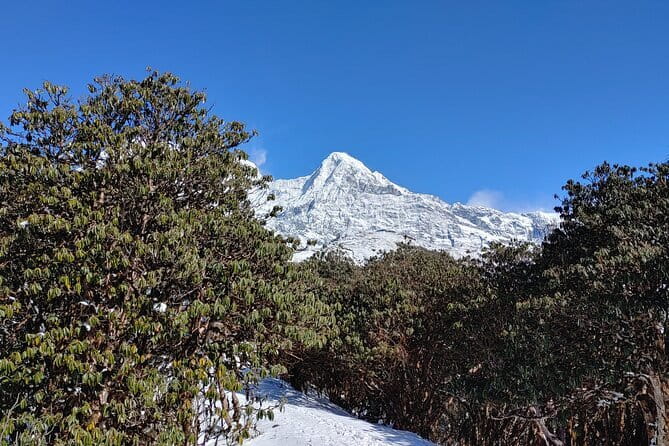
Your day begins at Lakeside Pokhara at 10:45am. From there, you get private transportation and a drive to Dhampus that takes about one hour. That first transfer is more than convenience. It helps you avoid the stress of figuring out transport when you’re already tired from travel days.
Once you reach Dhampus, the trek kicks off for about 7 hours on Day 1. You’re not just “stretching your legs.” This is a real first hiking day that sets the stage for the next leg. If you’ve ever shown up to a trek thinking it’ll start slow, this is the opposite. It’s still manageable for moderate fitness, but you’ll feel like you’re doing the trek, not just walking to get warmed up.
Because it’s private, you’re not stuck waiting for slower hikers or sprinting to keep up with faster ones. Your guide can keep you on a pace that makes sense for you and your day-to-day energy.
Forest Camp to High Camp: the camp-to-camp day that builds momentum
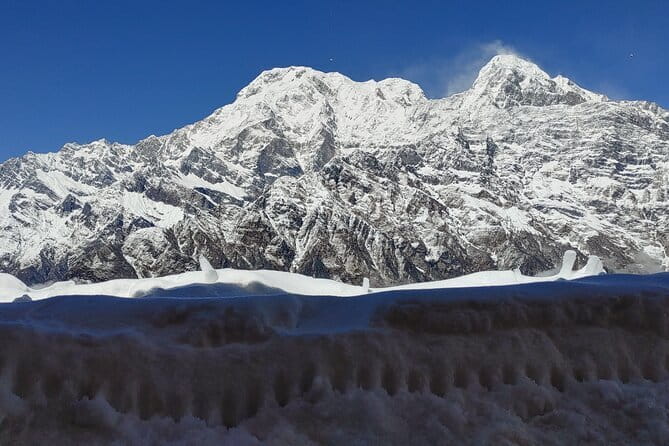
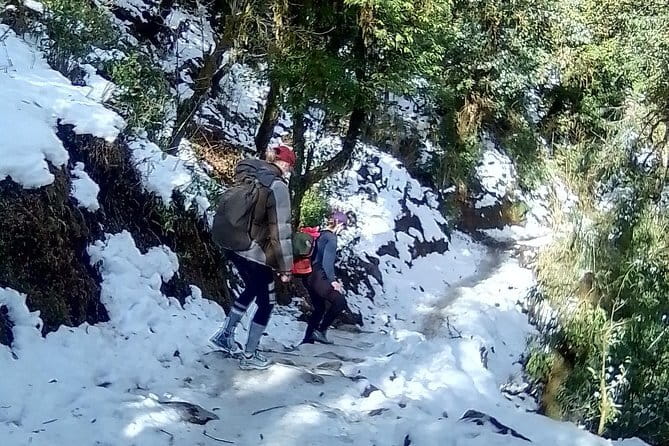
Day 2 is the bridge between the lower trail feel and the higher camp feeling. You trek from Forest Camp to High Camp, and you get a stop at Low Camp where you can enjoy views.
This is one of my favorite parts of the itinerary style, because it turns “the hike” into something with intermediate rewards. You’re not just hiking for hours with nothing to focus on. The Low Camp break gives you a chance to pause, look around, and reset before continuing up toward High Camp.
Day 2 also runs about 7 hours, which means you’ll likely settle into a steady effort. It’s the kind of day where preparation pays off: eat well before you start, keep your rhythm, and take breaks when your body asks for them. With the 2 guests = 1 porter plan, you’re also less likely to be distracted by an overloaded daypack.
By the time you reach High Camp, you’ll feel like you’ve earned the next day’s choice. You’ll be ready to aim for the view goals that make Mardi Himal Trek the trek people talk about.
Day 3 choice: Mardi Himal Base Camp vs View Point
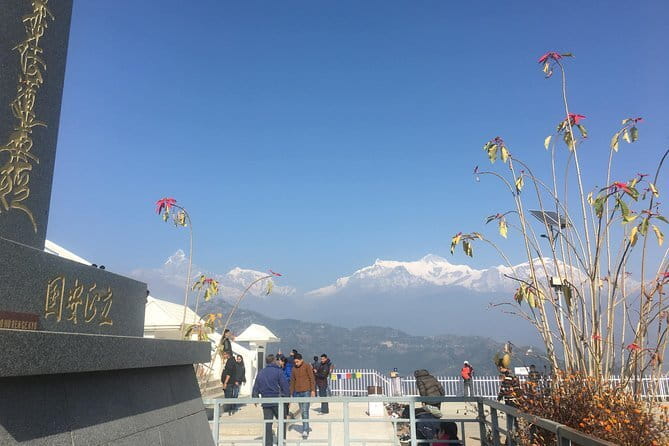
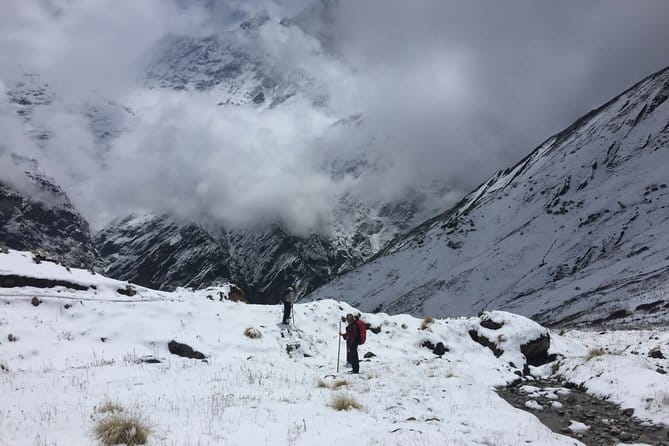
On Day 3, you hike toward either Mardi Himal Base Camp or Mardi Himal View Point, depending on what you prefer. This matters because the “right” option is different for different travelers.
If you want the feeling of pushing all the way to the base area, pick the Base Camp. If you want a strong payoff without stretching your effort too far, the View Point can be the sweet spot. Both options are built into the day, so you aren’t locked into one style of achievement.
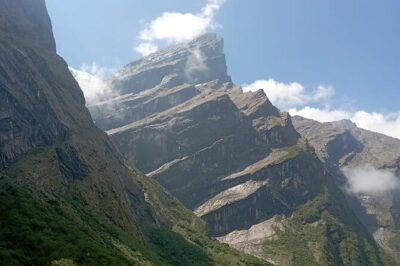
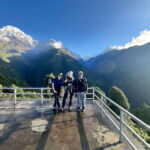
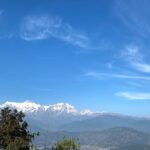
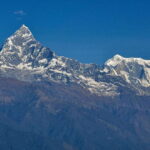
Along the way, you’ll enjoy views of Fishtail, Annapurna, and Hiunchuli. Fishtail is the famous jagged profile people associate with the area, and it’s a big part of why this trek feels special even when your walking hours aren’t extreme.
There’s another reason this day works well in practice: it’s a decision day. Your guide can help you judge what makes sense that morning, based on how the day feels and how you want to spend your energy. That flexibility shows up again in other guide praise, including accounts of guides like Lama and Navaraj Nepal being comfortable, supportive, and focused on keeping things smooth for the people in front of them.
Day 4 down to Landruk: village life and Annapurna South in the frame
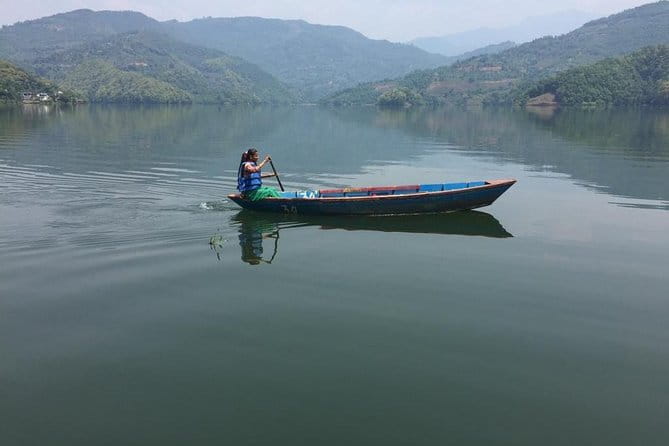
Day 4 is where the trek shifts character. You descend to Landruk, a mountain village, and the experience turns from “camp-to-camp” into “people and place.”
From Landruk, you get views of local houses and farmlands, plus a look at everyday lifestyle. It’s not only about looking at peaks. It’s also about stepping into the rhythm of the communities you pass through.
You’ll also get strong mountain views here—especially Annapurna South and Hiunchuli. And you’ll walk roughly 7 hours to get there, which gives you time to enjoy the descent without rushing.
This is the day I’d recommend for slower travel style. You’re already tired. Use that to your advantage. Let your pace be calmer. Take breaks to look at the village patterns and the surrounding views. Landruk turns the trek into more than photos. It reminds you you’re in a working region, not a staged viewpoint platform.


Day 5: the short Landruk to Siwai walk and back to Pokhara
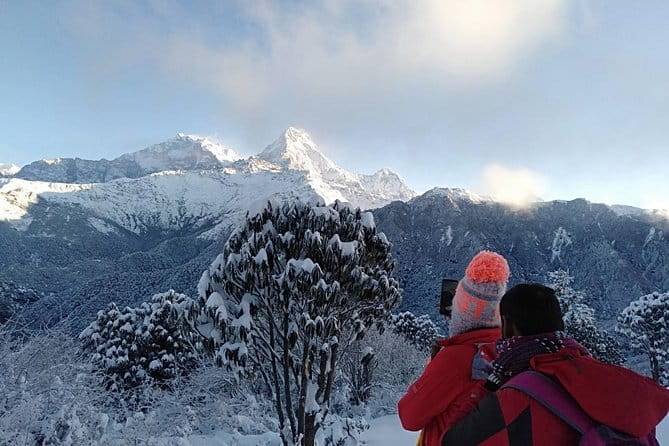
Your final day is shorter, with a trek from Landruk to Siwai that takes about one and a half hours. It’s a nice landing. After days of longer walking, having a shorter finish helps you keep the trip feeling positive rather than exhausting at the end.
Once you reach Siwai, the trek ends and you return toward your hotel in Pokhara. Since the meeting point and ending point are both Lakeside Pokhara, it’s easier to plan your last hours in town without complicated transfers.
If you’re the kind of traveler who likes a smooth finish—shower, recharge, dinner by the lake—this structure works.
What’s included (and what that means for your real comfort)
Here’s what you’re getting for the trek, and why it matters.
Guide and porter support
You travel with a government-licensed experienced guide. You also get porter support with the specific ratio of 2 guests = 1 porter. That ratio is important because it keeps your load realistic and reduces the risk that your day becomes “pack management” instead of hiking.
From the experiences shared by travelers who used this service on Mardi Himal treks, guides such as Lama, Navaraj Nepal, and Nabaraj are described as professional, communicative, and genuinely supportive. That’s exactly what you want on a short trek, where small frustrations can easily steal enjoyment.
Private transportation
You get private transportation. The key practical detail is that the drive to Dhampus takes about one hour, and you’re not left trying to solve transport on your own.
Accommodation during the trek
Accommodation during trekking is double occupancy. That means you’ll share a room setup. If you’re traveling solo, you may still be paired depending on the logistics of rooming, so be mentally ready for sharing unless your trip details specify otherwise.
Meals, plus seasonal fruits after dinner
Meals are included during the trek: 5 breakfasts, 4 lunches, and 4 dinners. Every trekking day also includes seasonal fruits after dinner. Even if you’re not a huge foodie, this matters because it reduces the “hunt for food” stress on the days you’ll be tired.
Also, the meal count is a clue to how the days are paced. You’re not skipping key eating windows, which helps on a trek with multiple long walking days.
Price and value: what $399 buys you on a 5-day private trek
At $399 for about 5 days, you’re paying for more than walking. You’re paying for someone to line up transport, guide time, porter support, trekking-day meals, and trekking-day accommodation with the built-in rhythm of a short trek plan.
This price can feel like a good value if you:
- want a private experience (not a group herd),
- want porter help (2 guests = 1 porter),
- value that meals are handled so you spend your limited energy on hiking.
Where you’ll feel less good value is if you already have all your own trekking setup and you want to travel fully independent. This kind of package is designed for travelers who want structure.
Also, remember what’s not included: personal trekking equipment, plus meals and accommodation in Kathmandu and Pokhara outside the trek. If you’re adding extra nights before or after the hike, plan a separate budget.
Who should book this Mardi Himal Trek (and who might skip)
This trek fits travelers with moderate physical fitness. That phrasing is your clue: you shouldn’t treat it like a beginner stroll, but it also isn’t pitched as a crazy-hard challenge.
You’ll probably love it if:
- you want a short trek near Pokhara,
- you care about Annapurna-range views like Fishtail and Hiunchuli,
- you want a guide who makes the experience feel comfortable and safe,
- you prefer private pacing.
You might consider another option if:
- you dislike shared rooms (double occupancy during trekking),
- you don’t want to pay for organization and support,
- you’d rather handle your own transport and meals without a packaged plan.
Should you book this Mardi Himal Trek?
If you want mountain views with a clear structure, this is a strong choice. The big wins are the private setup, the guide + porter support, and the fact that your trekking-day meals are covered. The Day 3 base-vs-view choice also helps you match the trek to your energy, which is rare for short itineraries.
My practical advice: book it if your trip window and weather are likely to cooperate, and if you’re okay bringing your own trekking equipment. If you hate travel planning stress, or you want answers fast before you go, the company behind the experience has earned praise for responsive support from Jayaram during trip planning.
If your main goal is to treat this as a fully independent adventure, you may feel limited by the package. But if your goal is a smooth, well-fed trek with great sightlines, I’d say book it.
FAQ
How long is the Mardi Himal Trek?
The trek runs for about 5 days, described as 4-night, 5-day in the plan.
Where does the trek start and end?
It starts and ends at Lakeside Pokhara (33700, Nepal). Your Mardi Himal Trek ends back at your hotel in Pokhara.
What time does the trek start?
The start time is 10:45 am.
Is this a private trek?
Yes. It’s listed as a private tour/activity, so only your group participates.
Who provides the guide and porter support?
You get a government-licensed, experienced guide. Porter support is planned at 2 guest(s) = 1 porter.
What meals are included during the trek?
Meals are included during trekking: 5 breakfasts, 4 lunches, and 4 dinners, and there are seasonal fruits after dinner every trekking day.
What accommodation is included during the trek?
Accommodation during trekking is on a double occupancy basis.
What is not included in the price?
Not included: personal trekking equipment; meals and accommodation in Kathmandu and Pokhara; battery charges, laundry service, phone calls, and showers; and tips for the guide and porter (expected).
Can I choose between Mardi Himal Base Camp and the View Point?
Yes. On Day 3, you hike to either Mardi Himal Base Camp or Mardi Himal View Point, depending on your preference.
What if I need to cancel, or weather is bad?
Cancellation is free up to 24 hours in advance for a full refund. If the trek is canceled due to poor weather, you’ll be offered a different date or a full refund.