REVIEW · POKHARA
Beautiful Sarankot Sunrise with Full Day Sightseeing in Pokhara
Book on Viator →Operated by Welcome Nepal Treks P.ltd · Bookable on Viator
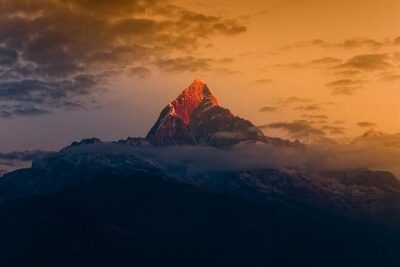
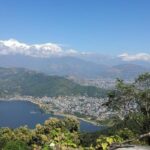
That 5:00 am sunrise is a head-turner. You start early from your hotel, drive up to Sarangkot, and watch snowcapped views open over Pokhara’s valley, then the day keeps moving with major sights. I also like how the route stacks big highlights in one go, including Devi’s Falls and the cave-and-temple stops that make Pokhara feel more than just lakes and hotels.
One thing to consider: the experience can feel like mostly transportation between sites, so if you want lots of step-by-step storytelling, plan to ask questions along the way and don’t expect heavy narration at every stop.
In This Review
- Key Points Before You Go
- 5:00 am Sarangkot Sunrise: the only plan that matters
- Seti River Gorge: the white river effect in 30 minutes
- Bindhya Basini Temple: a quick stop with local meaning
- Gupteswar Gupha cave: seeing Devi’s Falls from the inside
- Devi’s Falls: the lakeside waterfall you’ll keep thinking about
- Pumdikot Shiva Statue: tall, high, and built for atmosphere
- World Peace Pagoda: meditation-minded views to close the loop
- Transportation and timing: how this day actually feels
- Price and value: is $50 fair for this Pokhara circuit?
- Who should book this sunrise and full-day sightseeing?
- Should you book this sunrise and sightseeing tour?
- FAQ
- What time does the tour start?
- How long is the full-day tour?
- Do I get hotel pickup?
- Is the tour private?
- Is transportation included?
- Are entrance tickets included in the price?
- Does the itinerary include Sarangkot sunrise viewing?
- Is there a mobile ticket?
- What is the cancellation policy?
Key Points Before You Go
- Sarangkot at sunrise: a very early start, but that’s the whole point of the day
- Seti River Gorge’s white water: the river gets its look from Annapurna water mixed with limestone
- Gupteswar Gupha cave views: you can see Devi’s Falls from inside the cave area
- Two major religious stops with views: Pumdikot’s Shiva statue and the World Peace Pagoda
- All entry fees and taxes included: you pay once and move through the day without extra ticket math
5:00 am Sarangkot Sunrise: the only plan that matters
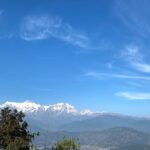
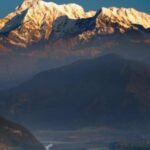
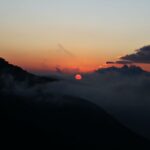
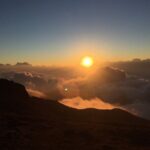
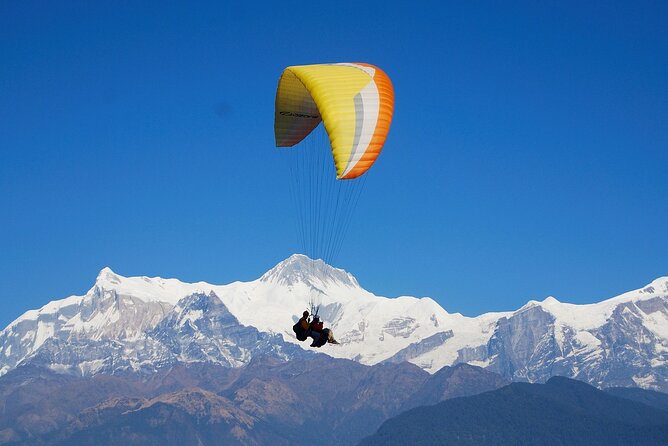
Your morning begins at 5:00 am with pickup from your hotel. You’ll head to Sarangkot first, because the views are time-sensitive and Pokhara’s best photo light comes early. Expect a short window where everything looks sharp: the sun catching the ridgelines and the wider valley spreading out below.
I love that this is not a slow “maybe we’ll see something” sunrise. You go with the schedule in mind, and the stop is set up for looking, photographing, and soaking in that first burst of mountain color. It’s the kind of start that makes the day feel like a real outing, not just errands in a taxi.
A practical note: mornings can be cool when you’re up on a hill, especially before the sun warms things up. Bring a layer you’re comfortable wearing early, and keep your camera ready as the sky changes fast.
You can also read our reviews of more tours and experiences in Pokhara
Seti River Gorge: the white river effect in 30 minutes
After sunrise viewing, the day shifts into quick sightseeing mode. Your second stop is the Seti River Gorge, sometimes called the white river. It earns that nickname because the water looks pale white—water that comes down from the Annapurna region and mixes with limestone.
This is one of those stops where the explanation helps you notice more. Instead of just taking a generic photo of a river, you’ll understand why it has that milky look. You also won’t waste half the day here; it’s a compact stop designed to give you the “what is this place?” moment and then move on.
If you’re sensitive to short walks on uneven ground, keep it in mind. The gorge areas can involve stepping around viewpoints, and your time window is tight, so you’ll want to move with purpose.
Bindhya Basini Temple: a quick stop with local meaning
Next comes Bindhya Basini Temple, a well-known temple in Pokhara for weddings. It’s not a stop where you should expect long wandering. It’s more like a cultural breather—an easy way to see how religious life is woven into daily expectations and celebrations.
In practice, this kind of short temple stop is good on a long day. You’re already up early and hopping between spots, and a compact visit keeps your energy from dropping. If you’re the type who likes to understand what people actually come for, this one has a clear purpose.
You’ll likely spend around half an hour here, enough time to take in the setting and observe the vibe without turning it into a time sink.
Gupteswar Gupha cave: seeing Devi’s Falls from the inside
One of Pokhara’s most interesting transitions is going from open view areas into caves. Your next stop is Gupteswar Gupha, a famous cave where you can see Devi’s Falls from inside the cave area.
That’s a fun, memorable detail because it changes how you experience Devi’s Falls. Instead of treating the waterfall like a standalone viewing spot, you get a built-in framing element—like the falls are revealed through the cave itself. It makes the day feel connected, not like separate checkboxes.
Your visit here is short, so keep your eyes open as you move into and out of viewpoints. Caves can require careful footing, so watch your step and don’t rush for photos. If you’re traveling with a camera bag, keep it secure—you don’t want to be juggling gear on tight paths.
Devi’s Falls: the lakeside waterfall you’ll keep thinking about
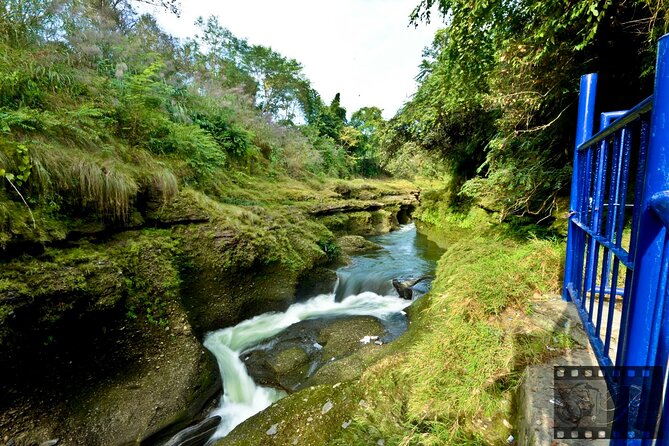
After the cave, you head to Devi’s Falls. This is a famous waterfall near the lakeside area of Pokhara, and the time you have is enough to get a sense of it without feeling stuck.
What I like about pairing Devi’s Falls with Gupteswar Gupha is that the falls stop lands with context. You’ve already seen an angled view from the cave area, so the lakeside viewing doesn’t feel repetitive. It becomes a second perspective on the same sight.
Since this is a waterfall stop, weather matters for what you’ll notice. If it’s raining or recently rained, you may see more force in the water. If it’s dry, the waterfall might feel gentler. Either way, take your photos, then give yourself a minute just to watch rather than always framing a shot.
You can also read our reviews of more tours and experiences in Pokhara
Pumdikot Shiva Statue: tall, high, and built for atmosphere
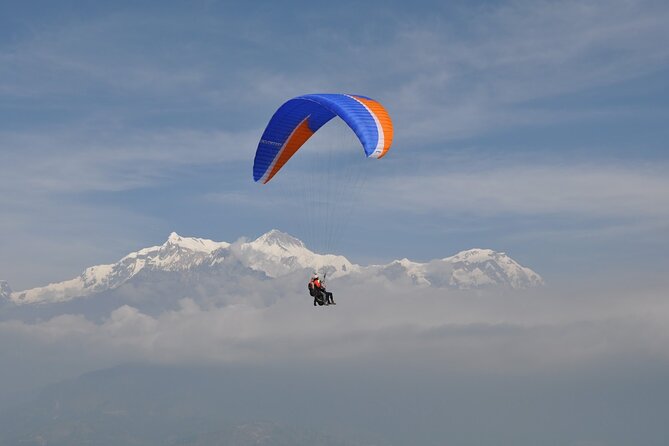
Now you’ll drive up the hill to Pumdikot Shiva Statue. The drive is about 15 minutes uphill, and the payoff is the chance to visit a major Shiva temple that’s described as the tallest Hindu Shiva temple in Pokhara.
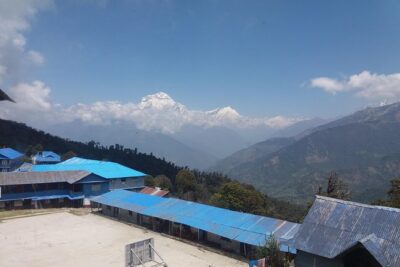
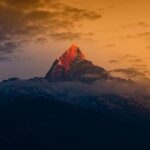
This isn’t just a religious stop—it’s a view stop, too. If the weather is clear, you can see beautiful Himalayan scenery from here. That makes Pumdikot a great bridge between “morning mountain drama” and “later day calm.” The day has already started with Himalayan views at Sarangkot, but this gives you another elevated angle.
Spend the time you have doing two things: look outward for the Himalayan outlook, and then look up and around at the temple setting. It’s the kind of place where photos are easy, but taking 10 quiet seconds helps you remember what you were actually there for.
World Peace Pagoda: meditation-minded views to close the loop
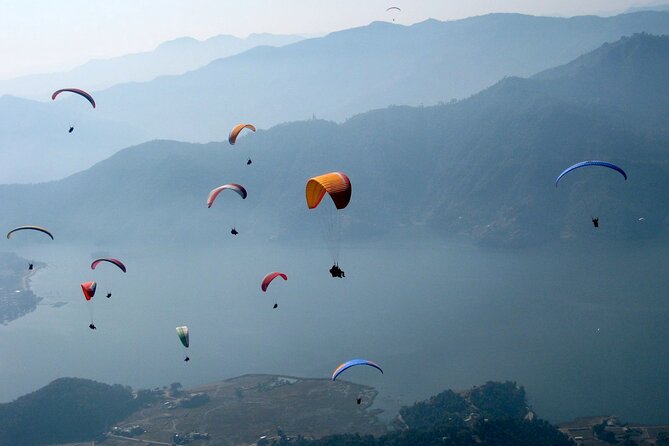
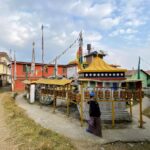
The day winds toward the Peace Temple, also called the World Peace Pagoda. It’s presented as a place for peace of mind and meditation, and it also offers Himalayan views when conditions allow.
This stop feels like a reset. By the time you arrive, you’ve done sunrise viewing, a gorge, temples, a cave, and a waterfall. The Peace Pagoda gives you a calmer pace, and the purpose is clear: slow down, be still for a bit, and let the scenery do less talking and more showing.
You’ll typically spend around two hours here, which is generous compared with many “quick hit” sightseeing routes. Use that extra time to step away from the crowd areas if you want a quieter feel, then come back to the viewpoints when the light changes.
Transportation and timing: how this day actually feels
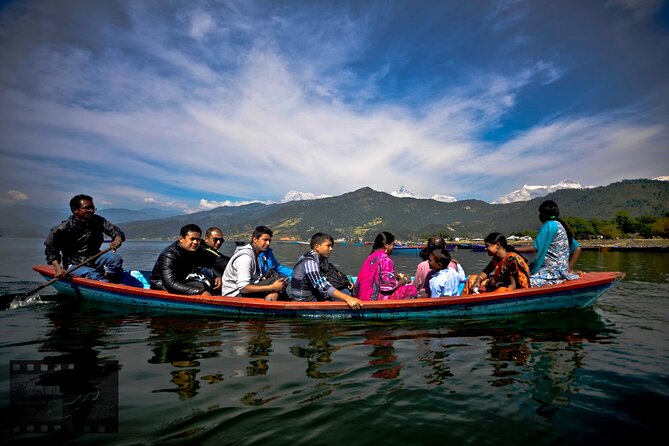
This tour runs about 6 to 8 hours, which is a long morning when you start at 5:00 am. The upside is that you cover a lot, and the flow makes sense: sunrise first, then nature and waterfall, then temples and high-view stops.
Comfort-wise, you’re in an air-conditioned vehicle, with parking fees and all taxes handled. You’re also provided all sightseeing entry/admission, so you don’t need to keep thinking about what tickets you’ll need next.
The style is private and purpose-built: it’s a private activity where only your group participates. That means you can move at a pace that works for your group, and pickup is designed to start from your hotel.
If you’re expecting a guide doing constant commentary, the experience may not match that wish. One review pointed out that it can feel like mostly taxi transfers, with less explanation than you might want. My advice: come ready to ask the driver questions, and don’t let that expectation surprise you.
Price and value: is $50 fair for this Pokhara circuit?
At $50.00 per person, this tour sits in a “reasonable for a full morning” zone. The main value isn’t just the vehicle. It’s that admission fees and taxes are included, and the route touches several paid attractions across nature and religious sites.
You should also factor in what you’d otherwise spend time coordinating. A sunrise hike to Sarangkot, then moving between multiple Pokhara highlights, is exactly the kind of day where getting transport right is half the battle. Here, that’s handled for you: pickup, AC rides, and the jump from one location to the next.
If you’re traveling with friends or family, the “private for your group” structure can boost value, because you’re not squeezing into a shared rhythm. The tour also notes group discounts, which can help if your group is large enough.
Bottom line: it’s good value if you’re happy with a sightseeing-focused day where the main deliverable is access plus key stops. If you want deep historical context at every stop, you may want to combine this with one slower activity later.
Who should book this sunrise and full-day sightseeing?
This tour fits best if you:
- Want the Sarangkot sunrise without planning transport or timing yourself
- Like a mix of mountain views, caves, temples, and waterfalls in one day
- Prefer an efficient route when you only have limited time in Pokhara
- Travel as a group that appreciates private pickup and an AC ride
It might not be your best match if you:
- Want constant, detailed narration throughout the day
- Prefer very slow travel with lots of unstructured wandering
- Are easily worn down by early mornings and a packed schedule
For most first-timers, it’s a smart way to get your bearings fast—then you can return later to the spots you liked most.
Should you book this sunrise and sightseeing tour?
If you’re in Pokhara and you can handle the early 5:00 am start, I’d book it. The sunrise at Sarangkot is the headline act, and the rest of the day is built to keep momentum with major sights like Seti River Gorge, Gupteswar Gupha, Devi’s Falls, Pumdikot Shiva Statue, and the World Peace Pagoda.
Choose it with one expectation set: think of it as a well-timed sightseeing circuit with comfortable transport and included entries, not a lecture with long storytelling at every stop. If you’re okay with that, you’ll likely feel like you used your time well.
FAQ
What time does the tour start?
The start time is 5:00 am.
How long is the full-day tour?
The duration is 6 to 8 hours (approx.).
Do I get hotel pickup?
Yes, pickup is offered and you start from your hotel.
Is the tour private?
Yes. It’s a private tour/activity, and only your group participates.
Is transportation included?
Yes. You travel in an air-conditioned vehicle.
Are entrance tickets included in the price?
Yes. All sightseeing entry/admission is included. Sarangkot is listed as free admission, and the other stops are listed as included.
Does the itinerary include Sarangkot sunrise viewing?
Yes. You drive to Sarangkot in the morning to see the sunrise view.
Is there a mobile ticket?
Yes. The experience includes a mobile ticket.
What is the cancellation policy?
You can cancel for a full refund if you cancel up to 24 hours in advance of the experience’s start time.