REVIEW · KATHMANDU
Spiritual Nepal: Expert insight into Multifaith Journey
Book on GetYourGuide →Operated by Intrepid Urban Adventures - Asia · Bookable on GetYourGuide
Faith comes fast in Kathmandu. This 4-hour Boudhanath to Pashupatinath loop is fascinating for how you rotate prayer wheels with locals and then catch the temple rituals on the Bagmati River. One possible catch: with real Kathmandu traffic, the day can feel a bit time-tight.
I like that the tour does not force religion on you. You get real-life glimpses into how Buddhism and Hinduism shape everyday choices, from stupa devotion to Pashupatinath’s Aarati. You do need to respect conservative dress and stay close to your guide, because the sites are busy and the crowd flow can be fast.
In This Review
- Key things to know before you go
- Boudhanath Stupa and the Kora: where you actually join in
- Pashupatinath Temple: sadhus, alms, and the Bagmati cremation banks
- How the palm reading and offerings work in real terms
- Timing and crowds: why this day can feel rushed
- Price value check: what $150 really covers
- The guide makes the difference at religious sites
- Who this tour suits best
- FAQ
- What UNESCO heritage sites does the tour include?
- How long is the Spiritual Nepal multifaith journey?
- What’s included in the $150 per person price?
- Are food and drinks included?
- Is there an option to get a palm reading or make offerings?
- What should kids expect?
- Should you book this tour?
Key things to know before you go
- Two UNESCO stops in one run: Boudhanath Stupa and Pashupatinath Temple, both central to Kathmandu’s religious life
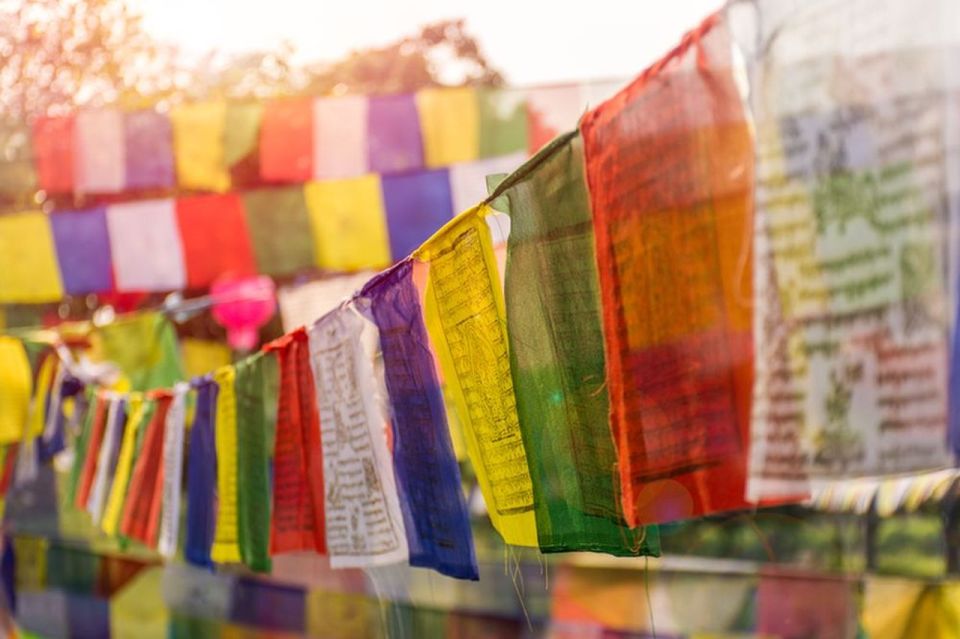
- Hands-on participation: rotate prayer wheels and join a Kora walk with local devotees
- Sadhus and Bagmati rituals: see sadhus up close and watch cremations along the river banks
- Aarati at Pashupatinath: witness the light offering ritual (with your guide keeping you oriented)
- Optional palm reading and offerings: you can add butter lamp offerings, alms, and palm reading for extra fees
Boudhanath Stupa and the Kora: where you actually join in
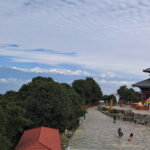
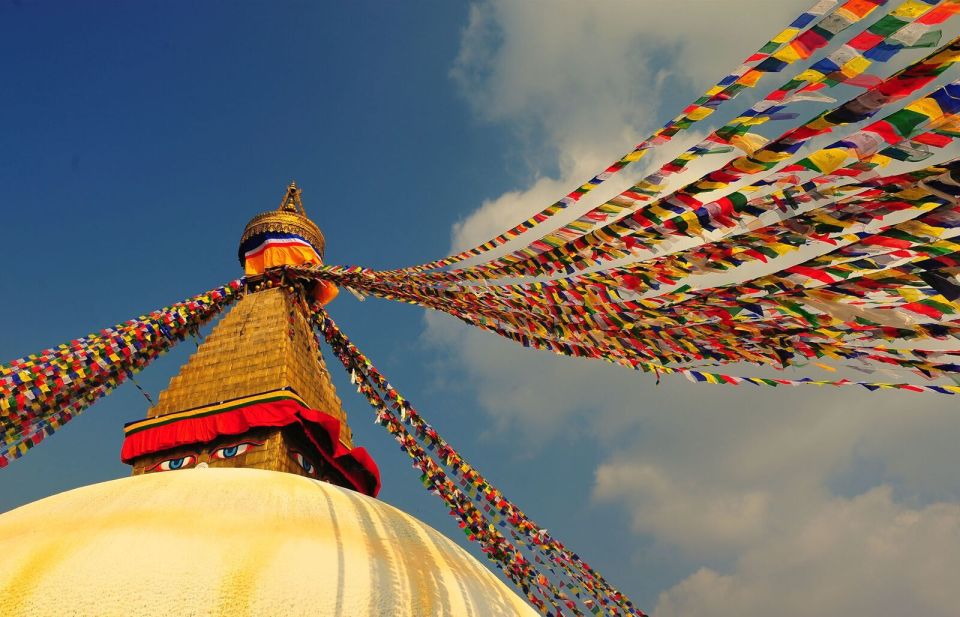
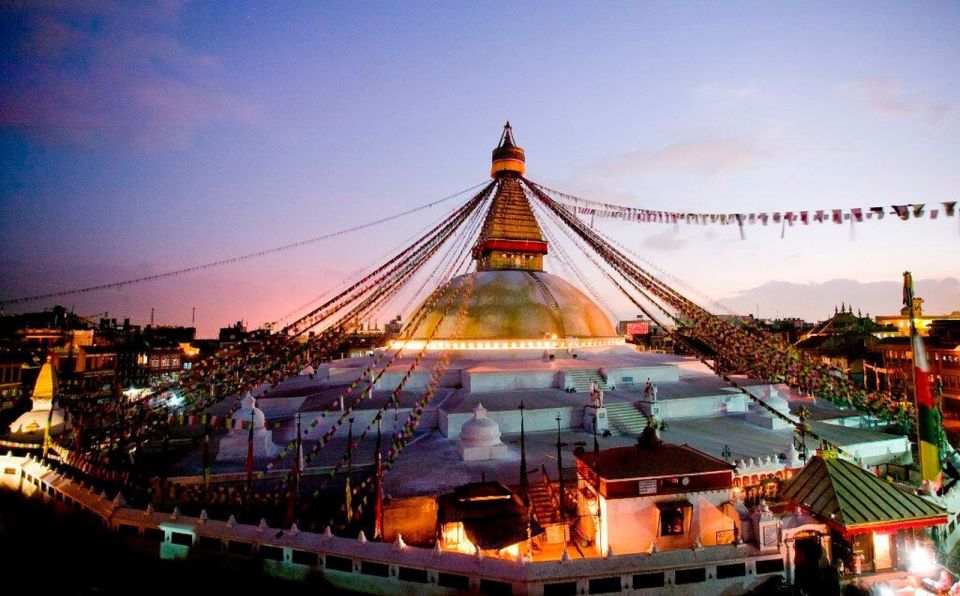
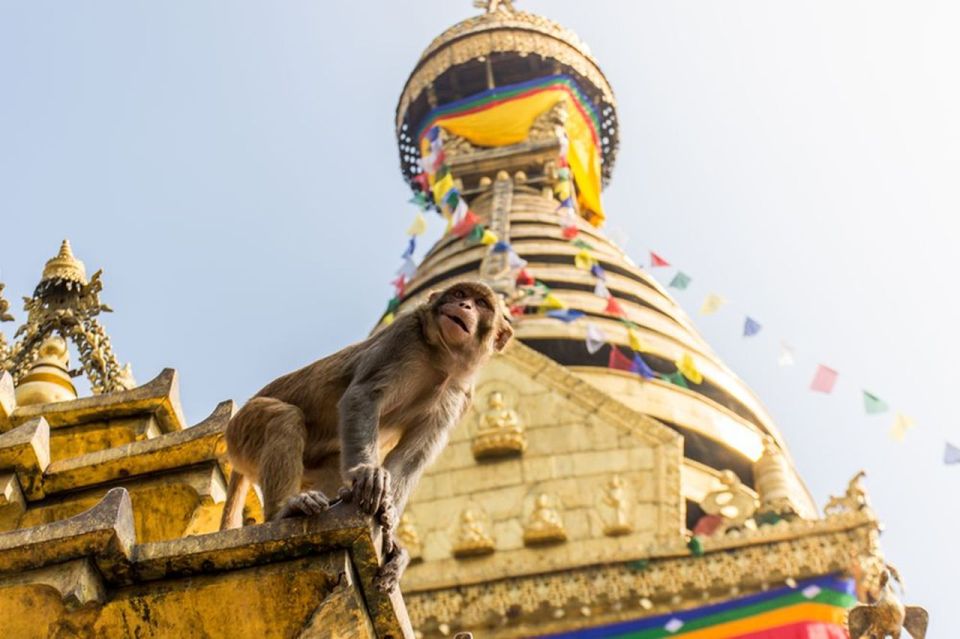
Your tour starts at Hotel Marshyangdi. From there, you head to Boudha Stupa, the largest Buddhist stupa in Nepal and a UNESCO Heritage sight. The guide-led rhythm matters here. You do not just look at the dome; you take part in what locals do with it—slow, steady devotion.
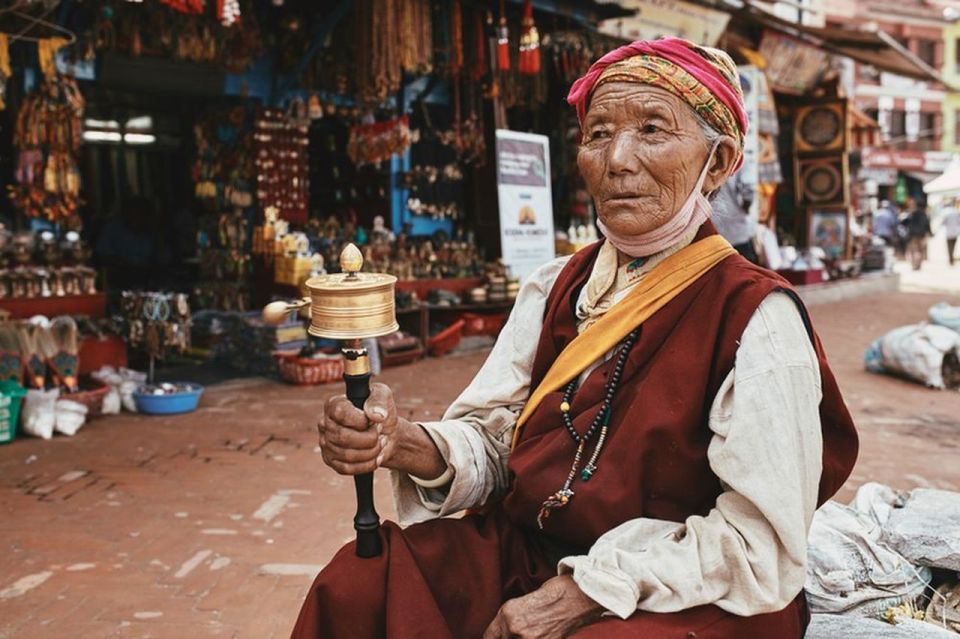
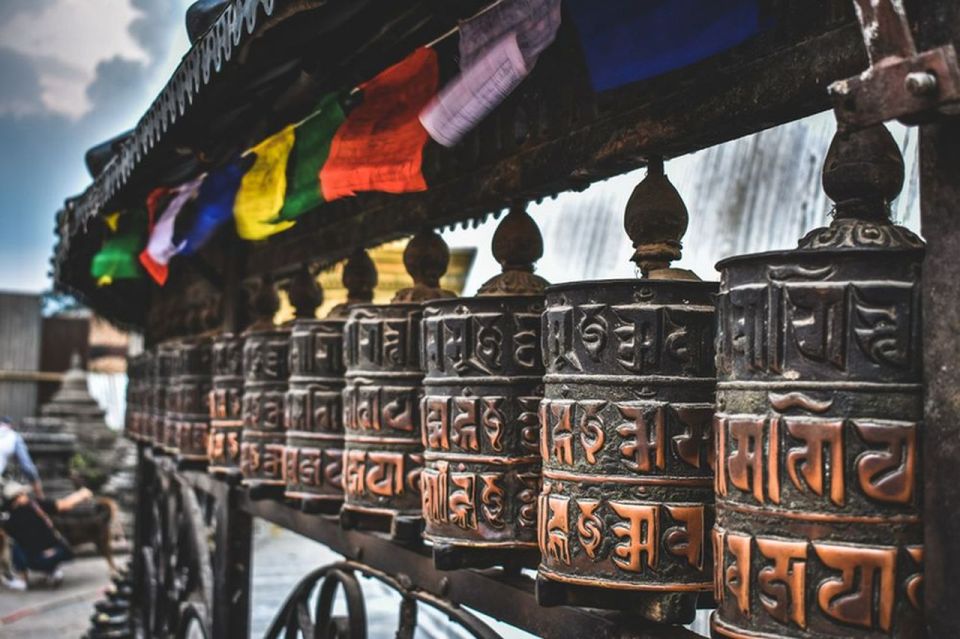
At Boudhanath, you’ll rotate the prayer wheels alongside Buddhists and join the Kora. That might sound like a simple activity, but it’s the point. A stupa is built for ongoing motion and ongoing attention. Standing still gives you photos. Walking the Kora, with the guide helping you stay in the right flow, gives you context for why people do this daily.
Plan for modest clothing right away. Conservative dress is expected at religious sites, and in practice that means shoulders and knees covered. Men typically need long trousers; women should wear a long skirt or sarong. If you show up in shorts and tank tops, you’ll spend time trying to fix it on the spot. Better to get it right before you leave.
One more practical thought: this is not a quiet museum visit. You’ll be around real worshippers, and the stupa area can get crowded. Keep your eyes on your guide and group so you don’t get swept away at prayer-wheel level, where people move in tight lanes.
You can also read our reviews of more tours and experiences in Kathmandu.
Pashupatinath Temple: sadhus, alms, and the Bagmati cremation banks
After Boudhanath, you’ll walk for about 15 minutes or take a short drive to Pashupatinath. This temple complex is Nepal’s largest Hindu pilgrimage site, and it feels different the moment you arrive. Hindu practice here includes both public devotion and very personal spiritual life, and you’ll see both.
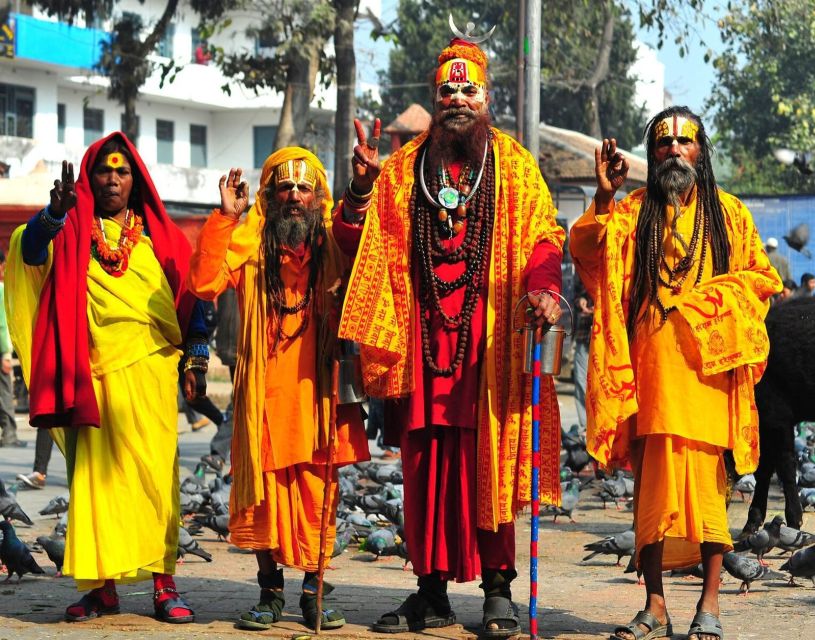
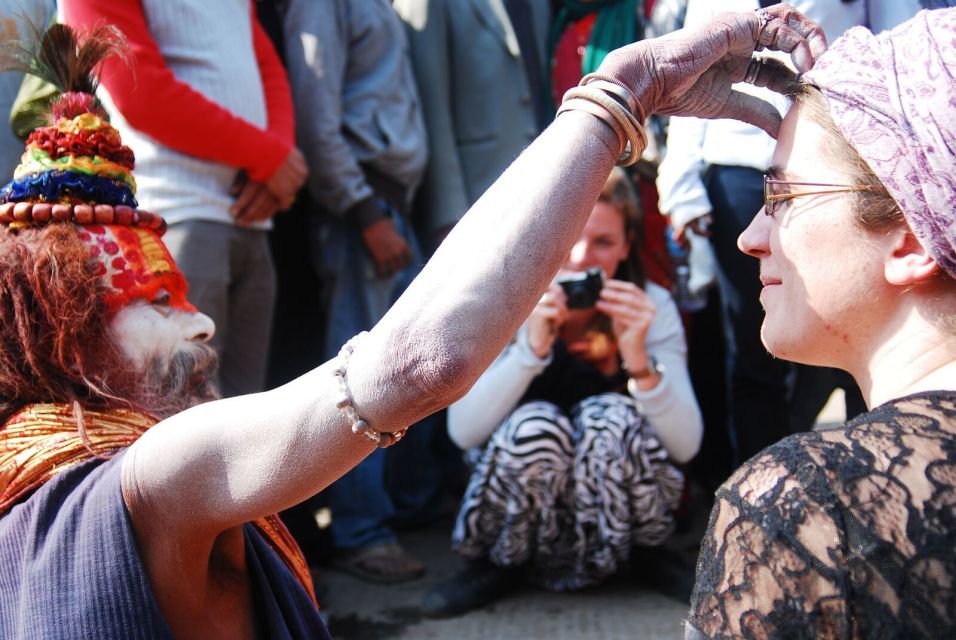
You’ll get glimpses of sadhus, plus the chance to offer alms if you want. The guide’s role is important because these interactions can be sensitive. In the tour setup, the guide can help you negotiate respectfully and understand what’s appropriate. Also, alms to sadhu and monks are not included in the tour price, so if you want to participate, budget extra.
The most solemn moment on the route is watching cremations along the banks of the Bagmati River. This isn’t staged. It’s part of everyday ritual life at Pashupatinath. If you’re expecting a light, feel-good sightseeing day, adjust your expectations before you go. If you can handle it, you’ll leave with a much more grounded sense of what religion means in this place: devotion is not only temples and songs; it’s also the rituals around death and return.
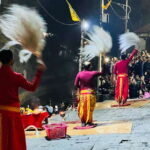
Then comes Aarati, the divine light offering at Pashupatinath. Seeing the lights offered to Lord Pashupatinath helps connect what you watched in Buddhist devotion at Boudhanath to what you’re seeing in Hindu practice here. Two religions, two styles, but both are about focus, repetition, and public meaning.
How the palm reading and offerings work in real terms
One reason people like this tour is that it gives you options without requiring you to buy into everything. You can skip the extras and still get the core experience: Boudhanath + Pashupatinath with real ritual participation.
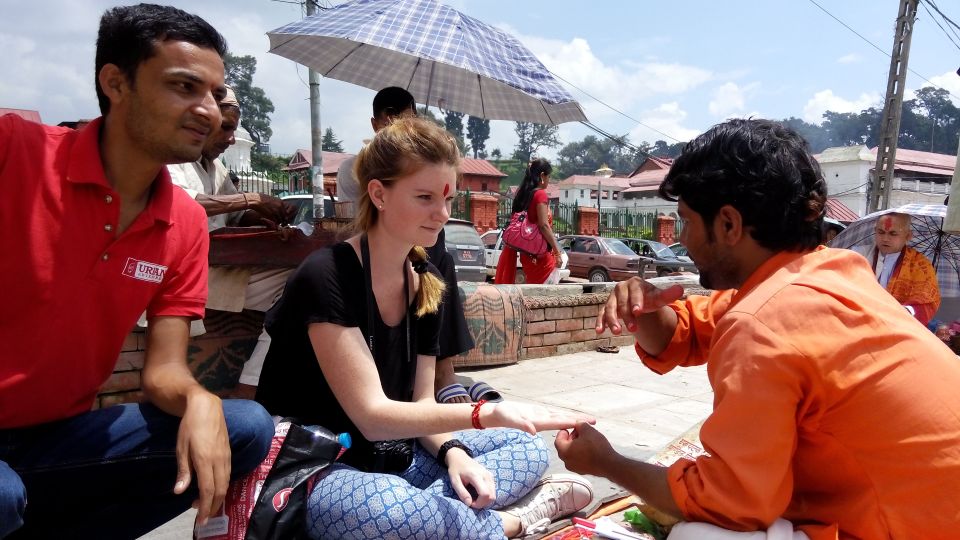
If you do want to add more, there are a couple choices. You can have your future read by a local palm reader. The palm reading cost is listed as about $7.5 to $9 per person, and it’s not included in the base price. If you want to offer butter lamps at Boudhanath, that also counts as an optional activity with extra cost.
There’s also an option to take pictures or interact with sadhus for a fee listed as about $7.5. The guide can assist with negotiation. I see this as a practical approach: it reduces awkwardness and helps you avoid acting like you’re entitled to access. The tour frames these payments as supporting local communities and sustaining the lives of sadhus who might not otherwise get tourist money.
So, yes, there’s a spending component if you choose the optional add-ons. The good news is they’re clearly presented as choices, not required add-ons. You stay in control of what you do.
Timing and crowds: why this day can feel rushed
This tour is only 4 hours, with two hours at Boudha Stupa and about two hours at Pashupatinath. With a schedule that tight, traffic and crowd flow matter. Kathmandu traffic can affect how quickly you move between sites, and a previous guest noted the experience felt a bit rushed because of traffic.
Here’s how to make that work in your favor:
- Keep your priorities simple. Decide in advance what you want most: prayer-wheel participation, Aarati, or extra interaction time with sadhus.
- Stay with the guide and group, especially at Pashupatinath, where the crowd movement can change quickly.
- Don’t plan a long sit-down meal immediately after. Food and drinks are not included, so you’ll want to eat before or after, not during the tour.
Also keep in mind that walking is limited but present. The approximate walking distance is about 2 km, plus the short stroll between sites (around 15 minutes) if you’re not driving.
Price value check: what $150 really covers
At $150 per person for a 4-hour small-group tour, you’re not just paying for entry tickets. The price includes an English-speaking Nepali guide, entrance fees to Boudhanath and Pashupatinath, and transportation between the meeting point (Hotel Marshyangdi) and the end point.
What’s not included is just as important: food and drinks, plus alms to sadhu and monks and palm reader fees. If you want to buy optional spiritual experiences like butter lamps, palm reading, or paid photo/interaction time with sadhus, that’s extra.
So where is the value? You’re paying for:
- Logistics done for you: transport and navigation between two major sites
- Cultural translation: the guide helps you understand what you’re seeing and how to behave
- Time-efficient routing: two UNESCO sights in one go, without you having to plan the day from scratch
If you already have a friend who can translate and handle temple etiquette, a DIY day might be cheaper. But most people don’t have that. For many visitors, the guide support is the real reason to book.
One more point on company values: this tour is described as carbon neutral and operated by a B Corp certified company committed to using travel as a force for good. That won’t change your itinerary, but it tells you the operator is trying to measure impact rather than just sell tickets.
The guide makes the difference at religious sites
This kind of tour lives or dies on communication. You’re dealing with two religions, serious rituals, and crowded places. The guide’s explanations help you avoid looking clueless or accidentally disrespectful.
In past experiences with guides tied to this tour, names like Rozit, Bini, Subash, and Bidhya come up for being helpful and respectful, with strong attention to questions and expectations. I’d take that as a sign that, when the guide is on, you come away feeling like you understood more than just the scenery.
That said, one specific concern did show up in a prior experience: a guest felt a guide’s coughing behavior was inconsiderate. I can’t guarantee how every guide will behave. But you can still use this as a practical filter—if you’re sensitive to health etiquette, pick a tour time when you can be flexible, and consider asking your guide early about any expected crowd spacing or pacing.
Who this tour suits best
This is a good fit if you:
- Want a short, structured day that covers Boudhanath and Pashupatinath without bouncing around the city
- Like learning how religions show up in everyday behavior, not just what they teach in books
- Are comfortable with religious ceremonies, including cremation viewing along the Bagmati River
This may not be your best fit if you:
- Prefer quiet, low-traffic sightseeing and get stressed by crowds
- Are looking for a purely celebratory day
- Don’t want any interaction with sadhus or optional paid activities. You can skip extras, but the tour includes moments that are inherently personal and human.
It’s also child-friendly. Children under 6 are permitted free of charge, and modest dress rules still apply.
FAQ
What UNESCO heritage sites does the tour include?
The tour visits Boudhanath Stupa and Pashupatinath Temple, both listed as UNESCO Heritage sights.
How long is the Spiritual Nepal multifaith journey?
It’s a 4-hour tour.
What’s included in the $150 per person price?
You get an English-speaking Nepali guide, entrance fees to Boudhanath and Pashupatinath, and transportation between the meeting point and the sites.
Are food and drinks included?
No. Food and drinks are not included.
Is there an option to get a palm reading or make offerings?
Yes. You can opt for a local palm reading (listed as about $7.5 to $9 per person) and you can also choose optional offerings such as butter lamps. Alms and palm reader fees are not included.
What should kids expect?
Children under 6 can join free of charge, and the tour is described as child-friendly. Modest clothing is still recommended for religious sites.
Should you book this tour?
If you want a focused, small-group introduction to Nepal’s Buddhist and Hindu worlds in one day, this is a strong pick. You get real participation at Boudhanath, plus the big-ticket rituals at Pashupatinath, with a guide to keep you oriented and help you handle optional interactions respectfully.
I’d book it if you’re curious and emotionally steady enough for the Bagmati cremation viewing. I’d reconsider if you hate timed schedules or want lots of free, unstructured wandering. For most first-time visitors who want meaning over checklists, this 4-hour loop is the kind of plan that pays off fast.