REVIEW · KATHMANDU
Luxury Everest Base Camp Trek – 11 Days
Book on Viator →Operated by Himalayan Trekking · Bookable on Viator
The Everest Base Camp dream gets easier when logistics are handled for you. This 11-day luxury trek in Nepal pairs helicopter transfers with guided days through the Khumbu—Lukla to Namche to Tengboche, then up toward Dingboche, Lobuche, Everest Base Camp, and the Kala Patthar viewpoint.
What I like most is the comfort level during the trek: you’re not just roughing it. The plan includes luxury accommodation in the Everest region, plus your guide and porters are set up with wages, insurance, and meals, so you focus on walking and breathing. I also like that the route is paced around acclimatization, with a dedicated “ease into altitude” day and side stops like Chukhung.
One consideration: this is still high-altitude trekking. If you have asthma or any breathing concerns, you’ll want to talk with a medical professional early, because the program itself flags asthma as a relevant issue.
In This Review
- Key highlights at a glance
- Luxury EBC: what makes it different from a standard trek
- The 11-day Khumbu route: a paced climb toward Everest
- Day 1 in Kathmandu (Thamel): get oriented before you leave town
- Helicopter to Lukla and the Phakding start (Day 2)
- Monjo to Namche and Everest View Point (Days 3–4)
- Namche rest and the Tengboche transition (Day 5)
- Dingboche and Chukhung: where acclimatization turns into progress (Days 6–7)
- Lobuche and the push to Everest Base Camp (Days 8–9)
- Gorak Shep, Kala Patthar, and the helicopter finish (Days 10–11)
- Price and value: what $4,070 buys you (and why it’s not just a number)
- Guides, safety, and the kind of organization that matters at altitude
- Who this trek suits best (and who should think twice)
- What to pack and how to make comfort actually work
- Should you book this luxury Everest Base Camp trek?
- FAQ
- What city do you start from?
- Do you include transfers to and from Lukla?
- How do you return to Kathmandu after the trek?
- How long is the trek?
- What’s the trek style and fitness level?
- What meals are included?
- What’s included in the price?
- What’s not included?
- How big are the groups?
- What happens if the trip is canceled?
Key highlights at a glance
- Kathmandu ↔ Lukla and Gorak Shep ↔ Kathmandu by helicopter to cut travel stress and flight risk on long legs
- Acclimatization built in around Namche and the Dingboche/Chukhung area
- Luxury mountain lodging paired with a full crew (guide + porters)
- Small group size (max 15 travelers) for a more controlled, personal feel
- Experienced on-the-ground staff: guides like Surya’s organizing team and guides such as Prakash, Babu, Keshab, and Ram show up in prior trip feedback
Luxury EBC: what makes it different from a standard trek
A normal Everest Base Camp trek is all about endurance—long days, basic lodges, and a lot of self-management. This one keeps the trekking spirit, but it adds comfort where it counts: the stays are described as luxury accommodation during the trek, and the crew is fully supported (guide and porters include daily wage, insurance, and meals).
That matters because EBC isn’t just “a walk.” You’re moving through a thin-air environment where small inconveniences add up—cold nights, hauling gear, late meals, and unclear plans. When the organization is tight, you spend less time reacting and more time adjusting. That’s where luxury becomes practical, not just fancy.
You’ll also notice the itinerary is structured to reduce chaos. Helicopter rides are used for the big transfer legs: Kathmandu to Lukla on day 2, and Gorak Shep back to Kathmandu after the late trek days. If you’re trying to see Everest without turning the trip into a logistics project, this style fits.
You can also read our reviews of more tours and experiences in Kathmandu
The 11-day Khumbu route: a paced climb toward Everest
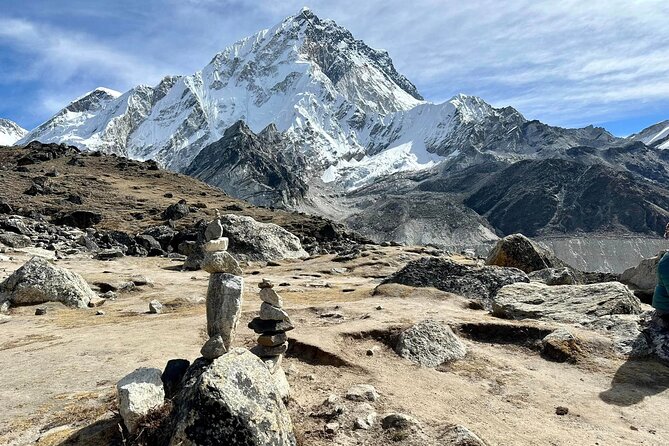
You’re traveling through classic Khumbu territory, but the “shape” of the days is the key. The trek gradually rises from the foothills into higher Sherpa towns and then continues upward with rest and acclimatization stops.
Here’s the general rhythm you can expect:
- Lower altitude trail days to get your legs used to climbing
- A Sherpa hub day around Namche Bazaar
- Higher-altitude staging in Dingboche and Chukhung to help your body adapt
- A final push toward Lobuche, then Everest Base Camp, and the sunrise viewpoint area around Kala Patthar
Even with luxury lodging, you still climb and sleep at altitude. So the pacing matters more than the bed quality. This route attempts to give you enough time to adjust before going higher.
Day 1 in Kathmandu (Thamel): get oriented before you leave town
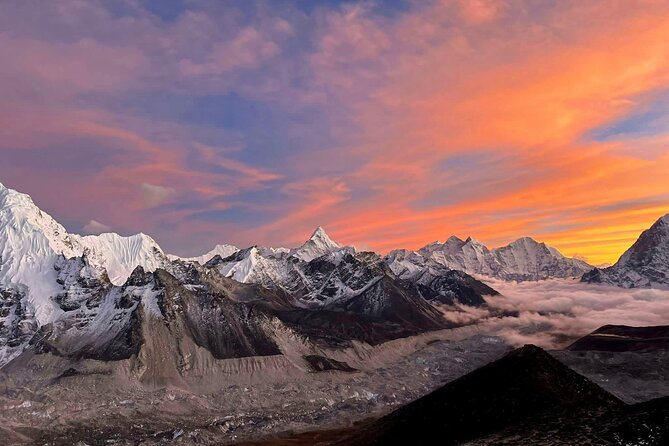
Day 1 starts easy: your guide meets you at the airport and transfers you to your booked hotel in Thamel. This is a smart place to start because you’re close to Nepal’s travel ecosystem—restaurants, shops, and the general hum of the city—so you can handle last-minute needs without scrambling.
The first night matters more than people think. You’re about to fly to Lukla and start trekking, which means you’ll benefit from an early, calm start and a good sleep. And with a guide greeting you immediately, you avoid that first-day uncertainty that can snowball into stress later.
You also want to take the day seriously for gear checks and mindset: you’ll be at altitude soon, and “I’ll buy it later” usually turns into “I should have packed better.”
Helicopter to Lukla and the Phakding start (Day 2)
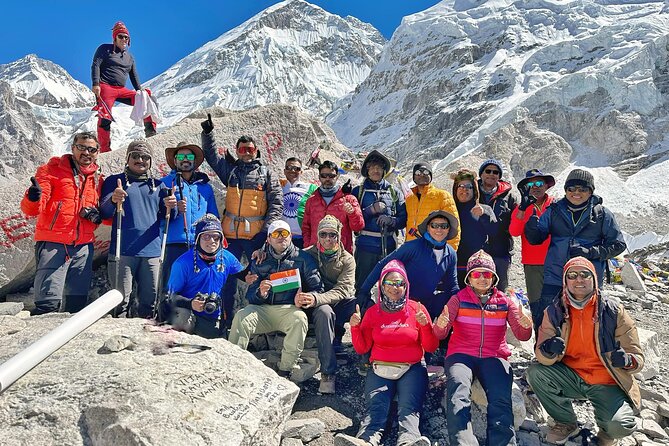
On day 2, you transfer to Kathmandu airport and fly by helicopter to Lukla. Then you meet your trekking crew and start walking toward Phakding, which the itinerary lists as about 4 hours.
Why helicopter here is a big deal: getting to Lukla by foot is a multi-day ordeal. By using a helicopter transfer, you cut through a chunk of travel fatigue and put your energy into the trek itself. If you’re paying for luxury, this is a place where the convenience is also tied to how your body feels.
At Lukla, your next step is straightforward: take it slow on the first day’s walk. Your first real goal is to find a comfortable pace and keep breathing smooth. The trail may feel “manageable” at the start—don’t let that trick you into sprinting.
Monjo to Namche and Everest View Point (Days 3–4)
Day 3 heads from the Monjo area toward Namche Bazaar. This is where the trek becomes more rewarding and more demanding at the same time: pine forests, a gradual climb, and that classic Khumbu feeling of moving from settlement into mountain.
Namche is your first major altitude milestone and a cultural one. It’s where you can understand the Sherpa economy—markets, cafes, and trail life. You’re also getting your first real taste of what life in this region looks like: busy enough to feel alive, but high enough that the air starts to remind you to slow down.
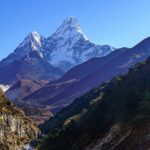
Day 4 includes the Everest View Point stop. Even if you don’t catch perfect weather, this viewpoint area is about perspective: you’re not yet at Everest Base Camp, but you can start connecting the geography in your head. It helps you feel like you’re moving through a real map, not just checking boxes.
One small drawback of this portion: Namche’s altitude can feel quick. Even if you’re walking “normally,” you might feel slower. The solution is simple: drink water, move gently, and give yourself time.
You can also read our reviews of more hiking tours in Kathmandu
Namche rest and the Tengboche transition (Day 5)
Day 5 is framed as a breather. The itinerary’s message is clear: no rush, no steep climbs—just settling into Namche and letting your body adapt to the altitude.
This is the smartest day for you to choose your own pace. You can wander, explore the Sherpa town, and take in views without trying to force a workout. The altitude acclimatization logic is real: if your body gets the chance to adapt at Namche, the later days tend to feel less punishing.
Then you continue toward Tengboche on the trek progression that leads into the next stages. Tengboche is also where spirituality enters your daily rhythm. Monasteries and prayer flags add a different texture to the walk—less like a “nature hike,” more like travel through a living culture.
Dingboche and Chukhung: where acclimatization turns into progress (Days 6–7)
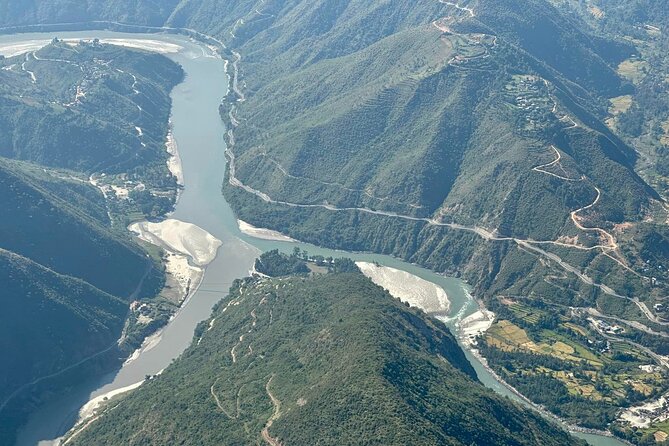
By day 6, the itinerary focuses on Dingboche at about 4,410 meters, typically a 5–6 hour trek from Tengboche. Dingboche sits in the Imja Valley area, which is usually where the scenery starts to feel more dramatic and more open. You’re higher now, so you’ll likely notice how your breathing behaves.
Day 7 includes Chukhung as an acclimatization component. This is a crucial shift. Rather than “keep climbing because you’re behind,” the plan builds in a reason to go higher while still managing the altitude stress.
If you’re the type who wants a clear strategy, this is it: you’ll be moving through the middle of the acclimatization band, giving your body a chance to adjust before the final push. This is also where your guide’s pacing decisions matter most—how long you stop, when you start, and whether you push for speed or comfort.
Lobuche and the push to Everest Base Camp (Days 8–9)
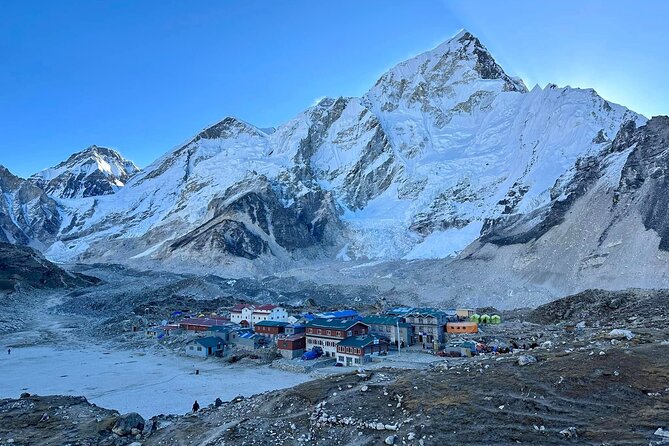
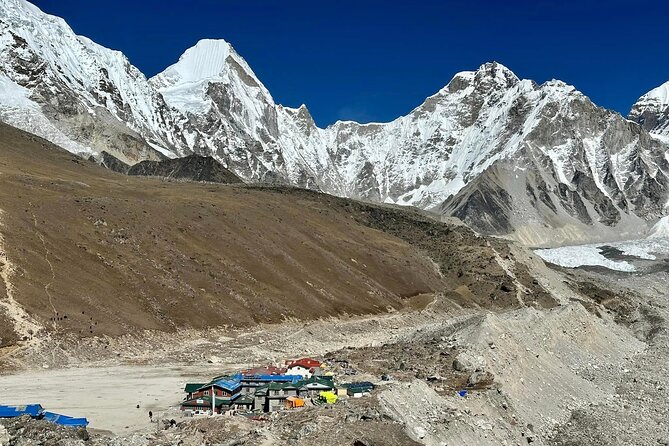
Day 8 leads toward Lobuche. The trail follows terminal moraine terrain of the Khumbu Glacier, and as you gain altitude, the air gets crisp. This day tends to feel like the “serious part” starts—less of the gentle walking and more of the focused effort.
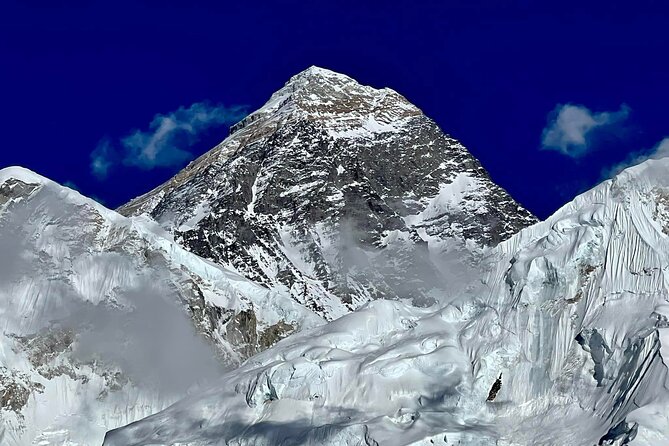
Day 9 is the highlight day: Everest Base Camp. You’re reaching the reason most people choose this trek in the first place, but the magic isn’t just the signpost. It’s what it feels like to arrive after days of slow climbing and altitude management.
Practically, you’ll want to treat Base Camp like a moment, not a marathon. Take your photos, soak in the scene, and eat something warm. Then be ready for the next phase—because the trip doesn’t end at Base Camp. You still need to work your way toward Gorak Shep and the departure logistics.
Gorak Shep, Kala Patthar, and the helicopter finish (Days 10–11)
Day 10 transitions you to Gorak Shep, described as a small village in the Khumbu region at about 5,164 meters. This is not the place for rushing. You’re already high, and the next morning includes an early climb.
The plan sets up an early wake-up for Kala Patthar, with the itinerary noting sunrise timing for the hike. Kala Patthar is a famous landmark on the south ridge of Pumori above Gorak Shep, and it’s where many trekkers try to catch the best light and views of Everest’s surrounding peaks.
After that early morning experience, you’re set for the helicopter ride from Gorak Shep back to Kathmandu. That last transfer is one of the biggest reasons this trip feels “luxury.” You’re finishing with a comfort-first transport choice rather than a long descent day.
Price and value: what $4,070 buys you (and why it’s not just a number)
At $4,070 per person, this isn’t a budget trek. But value here isn’t only “price.” You’re paying for:
- Luxury accommodation during the trek
- A full guide + porter team, including daily wage, insurance, and meals
- Helicopter Kathmandu ↔ Lukla and Gorak Shep ↔ Kathmandu
- Meals included on the trail: breakfast (9), lunch (8), dinner (8), with Kathmandu meals limited to breakfast and a farewell dinner
- All fees and taxes (this helps avoid the common permit cost shock)
If you compare that to self-organized logistics, the helicopter pieces alone usually shift the math. You’re buying time, reducing friction, and likely reducing the number of stressful moments that can derail a high-altitude trip.
What you should watch: the excluded costs include travel insurance, international flights, and most Kathmandu meals. You’ll also want to budget for personal expenses like laundry, internet, phone use, shopping, cold drinks, drinking water, and tips.
So the “true cost” depends on your style. If you already plan to handle insurance and flights separately, this trek can feel like a clean package. If you need help with lots of extras, your final spend may climb.
Guides, safety, and the kind of organization that matters at altitude
Prior trip feedback highlights a consistent theme: the team runs a tight ship. Names that show up include organizers like Surya, guiding roles by people such as Prakash, Babu, Keshab, and Ram, plus porters including Govinda, Kumar, and Partap.
Why you should care: at altitude and in remote areas, the difference between a good trek and a great one is usually competence under pressure. Weather can interrupt flights and schedules. What you want is a plan for those moments—clear communication, quick adjustments, and crew that keeps you moving safely rather than leaving you stuck.
The best part of this type of operation is emotional, not just logistical. When you feel looked after—especially around transfers and timing—it’s easier to focus on your body and the trek.
Who this trek suits best (and who should think twice)
This program is listed for travelers with moderate physical fitness. That doesn’t mean easy. It means the trek is designed to be doable with steady walking and good pacing.
You should also take the altitude seriously. The itinerary climbs to very high points like Everest Base Camp and Kala Patthar area, and the tour notes asthma as a relevant consideration. If you have breathing issues, talk to a clinician and be honest with your guide about what you can safely handle.
Finally, this is a group experience with a maximum of 15 travelers. If you like a bit of structure and don’t want to manage every transition yourself, that’s a plus. If you want total independence and total control, you might prefer a more DIY approach.
What to pack and how to make comfort actually work
The tour includes luxury lodging, but you’ll still sleep cold at altitude sometimes. Pack for the mountain, not the city. Bring layers you can adjust, warm socks, gloves, and a hat for early starts—especially for the dawn timing tied to Kala Patthar.
Also think about hydration and breathing. At altitude, you’ll feel better when you drink consistently and move slowly. If you tend to get chilled easily, prioritize warmth around meals and breaks, not just on the trail.
One practical move: keep your day bag simple. You want easy access to essentials without rummaging every hour. That’s how you stay calm, and calm helps at altitude.
Should you book this luxury Everest Base Camp trek?
You should book if you want the Everest story with fewer headaches: helicopter transfers, luxury mountain stays, and a guided route that’s built around acclimatization. It’s a strong choice if you’d rather pay for organization than spend your trip solving logistics.
Skip it or pause if you have serious breathing concerns and haven’t cleared high altitude with a medical professional. Also, if you’re chasing the cheapest possible EBC experience, this one won’t fit your budget.
My take: this is the Everest Base Camp trek for people who want the mountain experience, but don’t want the trip to feel like a test of logistics. With the crew approach and small group size, it’s likely to feel smoother—and at 5,000+ meters, smoother is a big deal.
FAQ
What city do you start from?
The trip starts in Kathmandu, Nepal, with a guide meeting you at the airport and taking you to your hotel in Thamel.
Do you include transfers to and from Lukla?
Yes. You travel from Kathmandu to Lukla by helicopter on day 2.
How do you return to Kathmandu after the trek?
You return from Gorak Shep to Kathmandu by helicopter.
How long is the trek?
The itinerary is listed as about 11 days.
What’s the trek style and fitness level?
The tour notes travelers should have a moderate physical fitness level.
What meals are included?
Meals on the trail are included as listed: breakfast (9), lunch (8), and dinner (8). In Kathmandu, meals are not included except breakfast and a farewell dinner.
What’s included in the price?
The package includes all fees and taxes, luxury accommodation during the trek, guide and porters with daily wage, insurance, and meals, the helicopter transfers, and the included meals.
What’s not included?
Not included are extra nights in Kathmandu, travel insurance, international flights to and from Nepal, most meals in Kathmandu (beyond breakfast and farewell dinner), and personal expenses like laundry, internet, phone calls, shopping, cold drinks, drinking water, and tips.
How big are the groups?
This experience has a maximum of 15 travelers.
What happens if the trip is canceled?
The experience notes free cancellation up to 24 hours in advance for a full refund, and it may be offered a different date or a full refund if canceled due to poor weather or if a minimum number of travelers isn’t met.