REVIEW · KATHMANDU
Full Day Private Kathmandu City Tour
Book on Viator →Operated by Dream Heaven Adventure Pvt. Ltd. · Bookable on Viator
Four big sacred stops, one smooth plan.
This full-day private Kathmandu tour strings together Swayambhunath and Boudhanath with Pashupatinath and Patan’s historic squares, all explained by a private art historian guide. I like that you get door-to-door pickup and an air-conditioned car, so you’re not burning your day figuring out logistics. One thing to note: entry permits (tickets) and your food are not included, so budget a bit beyond the tour price.
I also like the way this tour balances the spiritual side with practical context. You’re not just looking at temples and stupas—you’re learning why these places matter in Nepal’s Hindu and Buddhist life, including the idea of impermanence tied to the Bagmati river area. At $95 per person for about 7 to 8 hours, it can feel like good value when you factor in the guide and transport.
And the guide experience seems to land well. One standout review praised Saraswati Ghimire as a friendly, funny, very knowledgeable female guide—especially appreciated by a solo female traveler. That kind of match matters, because when the explanation clicks, the whole day feels easier.
In This Review
- Key highlights to look forward to
- Why this Kathmandu private city tour works when your time is tight
- Price and logistics: what you’re actually paying for
- Pashupatinath Temple and the Bagmati burning ghats: what to watch and why
- Boudhanath Stupa: UNESCO scale and the feel of Buddhist devotion
- Swayambhunath hilltop complex: views plus the story behind the pilgrimage
- Patan Durbar Square: crafts, architecture, and an older city mindset
- Your private art historian guide: how explanation changes the day
- Timing, comfort, and respectful visits (so your day stays enjoyable)
- Who this private Kathmandu city tour is best for
- Should you book this full day private Kathmandu city tour?
- FAQ
- How long is the full day private Kathmandu city tour?
- What time does the tour start?
- Does the tour include hotel pickup and drop-off?
- Is this a private tour or a shared group tour?
- What are the main sites visited?
- What’s included in the $95 per person price?
- Are entry tickets and meals included?
Key highlights to look forward to
- Door-to-door pickup and hotel drop-off make a long day feel manageable
- Professional art historian guide turns temples and courtyards into something you can actually read
- UNESCO-listed Boudhanath Stupa gives you a major pilgrimage site with context
- Pashupatinath’s Bagmati riverside burning ghats area connects Hindu ideas to what you see
- Swayambhunath hilltop complex adds views and Buddhist pilgrimage energy
- Patan Durbar Square brings in crafts and architecture beyond the main Kathmandu center
Why this Kathmandu private city tour works when your time is tight
If you’re in Kathmandu for a short stay, you’ll quickly realize the city is packed. Temples and heritage sites are everywhere, but that’s exactly why a private guide helps. This tour is built to hit the big-ticket religious landmarks—without you having to guess routes, manage timing, or translate what you’re seeing.
I like that it’s a true private setup, meaning it’s just your group. That matters for pace. Some people want photos nonstop; others want time to sit and watch rituals quietly. You can usually shape the rhythm more easily on a private tour than on a group bus.
Another reason it works: it pairs Buddhist sites with Hindu sites in one day. You see how the beliefs share space, vocabulary, and daily life, even when the rituals differ. The guide isn’t there to recite facts; they’re there to help you connect the place to Nepalese culture and history.
The day is still long—about 7 to 8 hours—so plan for comfort. Wear shoes you can walk in, and don’t schedule anything intense right after.
You can also read our reviews of more city tours in Kathmandu
Price and logistics: what you’re actually paying for
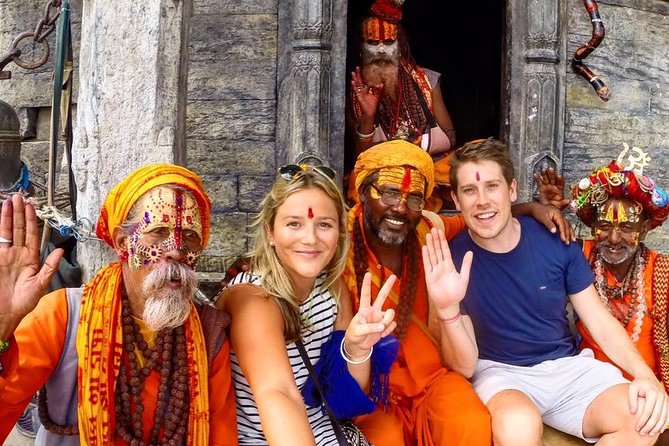
At $95 per person, the headline cost can look low or high depending on what you compare it to. Here’s what you’re really getting for the money: a private tour, a professional art historian guide, hotel pickup and drop-off, bottled water, and an air-conditioned vehicle.
That “vehicle + guide” combo is often where value shows up in Kathmandu. Sites are spread out, and traffic can be unpredictable. Door-to-door transport saves energy, and having a guide means you’re not paying with your attention trying to interpret alone.
What’s not included is also clear: food and drinks, plus the entry permit (ticket). So if you’re trying to estimate the real total, plan for at least a meal (or snack stops) and the permits. Since the tour is about 7 to 8 hours, you’ll want water and a light plan for eating so the spiritual and visual stops don’t turn into a cranky slog.
The start time is 9:15 am, with pickup in Kathmandu 44600, Nepal. Average booking is about 10 days in advance, so if you’re traveling in peak season, don’t wait until the last minute.
Pashupatinath Temple and the Bagmati burning ghats: what to watch and why
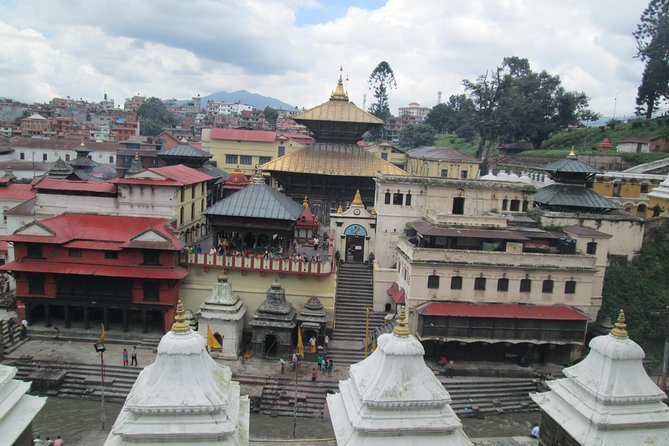
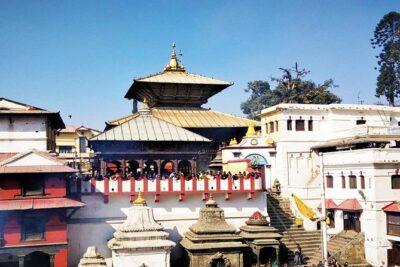
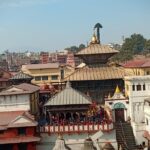
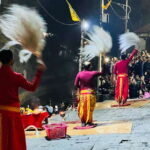
Pashupatinath is one of the most important Hindu pilgrimage sites in Kathmandu, and this tour frames it the right way: as a temple complex set by the holy stream at the edge of the Bagmati river.
You’ll be in the riverside burning ghats area, where cremation rituals take place. The tour notes this as a festival of impermanence, tied to a core Hindu idea: that nothing lasts forever. That context changes how you interpret what you see. Instead of treating it like just another dramatic tourist photo spot, you’ll understand the spiritual logic behind the rituals.
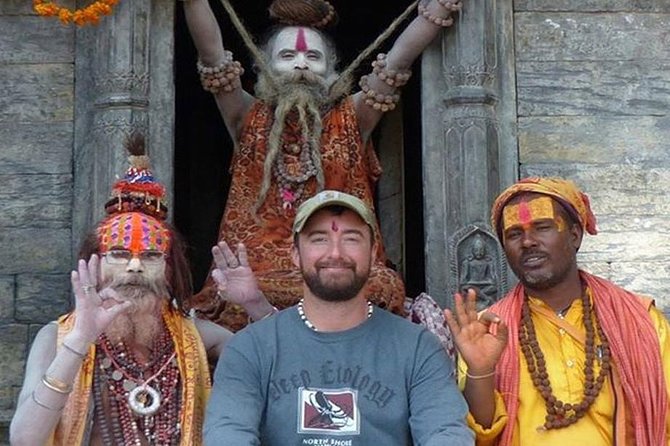
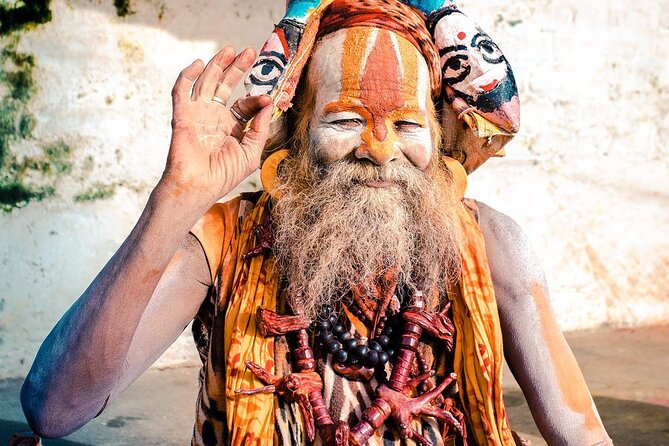
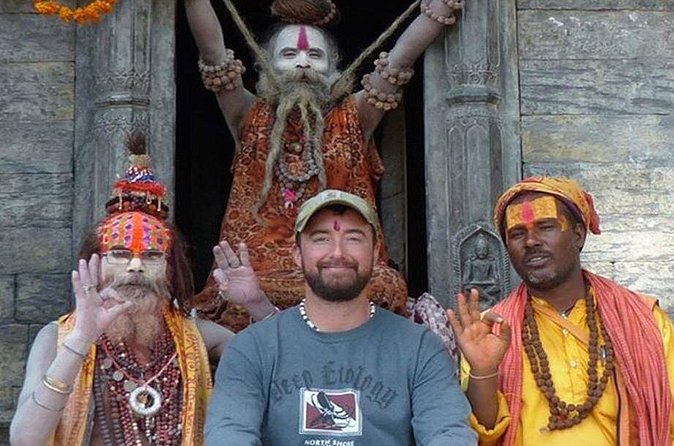
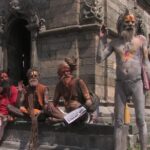
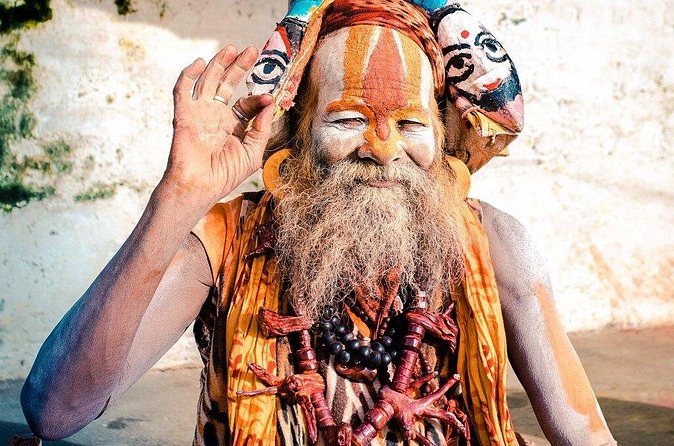
The tour also mentions you may meet Hindu holy men, and you might even have a chance to see cremation. That “perhaps” matters. Rituals depend on timing and circumstances, and you can’t force them to happen on your schedule. Still, even if you don’t witness a cremation, you’ll likely spend time absorbing the atmosphere and observing how worship and daily life blend here.
Practical note: this is a working religious place. Dress respectfully, keep your movements calm, and be mindful around people who are there for prayers. If you’re photographing, pause first and make sure you’re not blocking or distracting anyone.
Boudhanath Stupa: UNESCO scale and the feel of Buddhist devotion
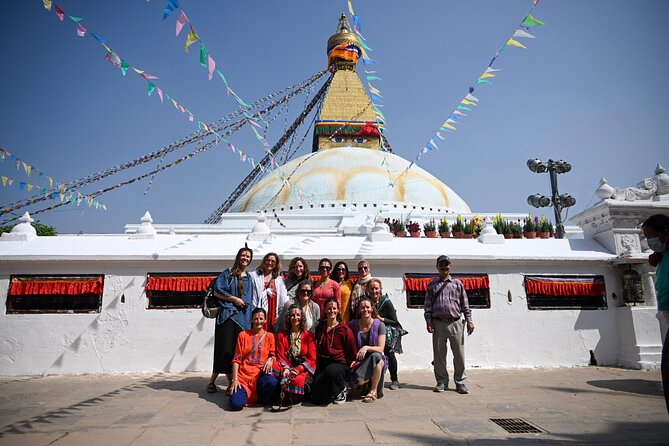
Boudhanath is a major stop for good reason. It’s described as the most excellent stupa in Nepal and sits about 7 km east of the capital. The big detail is that it’s a UNESCO World Heritage Cultural site, which is a useful clue: this isn’t just locally famous, it’s internationally recognized.
What makes it special is how the stupa works as a daily life landmark. You’re not just touring a monument—you’re stepping into a place where Buddhist devotion is visible and practiced. The stupa’s massive structure dominates your view, and you’ll have time to take in the details and the surrounding religious activity.
The guide’s job here is important. Without context, you might see people circling and chanting and assume it’s mostly aesthetic. With the right explanation, the movements and symbols start to make sense as part of a belief system that shapes how people spend their days.
If you’re sensitive to crowds, go with the expectation that Boudhanath is popular. This tour gives you a private guide and car, which helps you arrive in a controlled way. But the site itself draws visitors and worshippers, so a quieter experience isn’t guaranteed.
Swayambhunath hilltop complex: views plus the story behind the pilgrimage
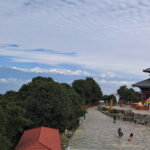
Swayambhunath is on a hilltop overlooking Kathmandu Valley, and this tour highlights it as one of the most seasoned and holy religious locations. It’s a pilgrimage destination for Buddhists worldwide, so you’ll feel that long-distance pull in how people behave and where they look.
What you can expect: a compact but layered religious complex up on the knoll. The location is part of the point. From hilltops, symbolism and visibility combine—this place is meant to be seen, and it’s meant to give you a different scale of the city below.
The guide matters most at Swayambhunath because hilltop sites can feel like “a lot of steps and temples.” With an art historian’s perspective, you’re more likely to notice patterns: how the site is organized, what certain elements are doing, and why it became essential for pilgrims.
Practical consideration: hilltop walking can be a deal-breaker if you’re not steady on your feet. Wear supportive shoes and plan for uneven paths. Also, keep an eye on the weather. Kathmandu mornings can be clear, but changes happen fast.
You can also read our reviews of more private tours in Kathmandu

Patan Durbar Square: crafts, architecture, and an older city mindset
This tour includes Patan Durbar Square, which is often overshadowed by Kathmandu’s central sights—but it’s a strong add-on for anyone who likes architecture and traditional craft.
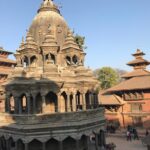
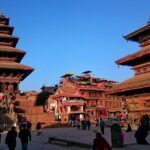
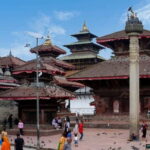
Here’s what the tour emphasizes: Patan is believed to be the oldest city among the three cities within the Kathmandu Valley. The square is described as a city of fine art and architecture, and Patan is known for traditional crafts and artistic heritage.
This stop is valuable because it shifts the tone from “religious pilgrimage” to “civic art.” At Durbar Square areas, you often see how power, community life, and faith share the same physical space. The carvings, courtyards, and design details start to feel like a visual language.
The drawback is that Durbar Square sites can be detail-heavy. If you only skim, you’ll miss why the architecture is interesting. The fix is simple: slow down for a few minutes and let your guide point out what you should be looking for. This is where a professional art historian becomes more than a “tour voice”—they become your shortcut to understanding.
If you’re someone who loves photos, Patan can be rewarding, but you’ll get more value by mixing photos with actual looking. Stop, turn around, and take in how the square opens and connects.
Your private art historian guide: how explanation changes the day
The tour’s biggest differentiator is the guide. This isn’t a casual sightseeing narration. You’re getting a professional art historian guide, which means the explanation should connect symbols, design choices, and the lived meaning of religious spaces.
From what’s been praised, the guide style can make a real difference. Saraswati Ghimire was highlighted for strong knowledge, being friendly, and genuinely enjoying the day—loved for laughing and keeping things light. That kind of energy helps when you’re moving through solemn places like Pashupatinath. You still act respectfully, but the day doesn’t feel heavy or awkward.
A good art historian guide also does something practical: they help you prioritize what matters. At sites with lots of buildings and details, you can get lost. With a guide, you learn the handful of elements that unlock the rest.
If you want the best experience, come in with one mindset: you’re there to learn. Ask small questions as you go, especially about symbolism, what different areas represent, and how Hindu and Buddhist traditions show up in the same neighborhood spaces.
Timing, comfort, and respectful visits (so your day stays enjoyable)
This is a full-day loop, so your comfort choices matter. You’ll be in an air-conditioned vehicle, and you’ll receive bottled water, but you still walk and spend time outside at multiple sacred sites.
Here are a few practical moves I recommend:
- Start the morning hydrated. You get bottled water, but Kathmandu weather and walking can add up.
- Dress for sacred spaces. Cover up appropriately and keep layers handy so you can adjust.
- Move slowly at holy areas. If it’s crowded, don’t push for shots.
- Plan for your meal. Food and drinks aren’t included, and the day is long enough that you’ll feel it.
Also, notice how the tour is built around religion and culture. Some stops can be intense emotionally because cremation rituals are part of the Hindu tradition. If you’re not sure how you’ll feel, tell your guide early. A good guide will help you find the right place to stand, watch, and understand without turning it into something uncomfortable.
Who this private Kathmandu city tour is best for
This tour suits you best if:
- You want a private day plan with door-to-door pickup in Kathmandu.
- You care about meaning, not just checklists of sights.
- You prefer an art-focused explanation, especially at temples and heritage architecture.
- You want to cover major Buddhist and Hindu sites in one day.
It may be less ideal if you want a slow, open-ended day with long breaks. Because it’s a full-day itinerary covering multiple major attractions, you’ll be moving at a steady pace.
If you’re traveling solo, it can also be a comfort choice. One review specifically praised a female guide (Saraswati Ghimire), and that kind of experience can matter for personal ease and communication.
Should you book this full day private Kathmandu city tour?
I’d book it if you want the big Kathmandu highlights with fewer headaches. The value is in the private art historian guide and the logistics: pickup, drop-off, and air-conditioned transport. For $95 per person, the price feels reasonable when you’d otherwise have to hire a guide yourself and handle transport and timing on your own.
Choose it confidently if learning the religious and cultural meaning is your priority. The stops are major—Swayambhunath, Boudhanath, Pashupatinath, and Patan Durbar Square—and the tour is designed to connect them, not just string them together.
I’d think twice only if you dislike intense religious environments or you truly need lots of downtime. And make sure you budget for the entry permit (ticket) and food and drinks so nothing surprises you mid-day.
If you want a day that feels organized, respectful, and genuinely educational, this is a strong pick.
FAQ
How long is the full day private Kathmandu city tour?
It runs for about 7 to 8 hours.
What time does the tour start?
The start time is 9:15 am.
Does the tour include hotel pickup and drop-off?
Yes. Hotel pickup and drop-off are included, with door-to-door private transport.
Is this a private tour or a shared group tour?
It’s a private tour/activity, so only your group participates.
What are the main sites visited?
You’ll explore Pashupatinath Temple, Boudhanath Stupa, Swayambhunath, and Patan Durbar Square.
What’s included in the $95 per person price?
Included items are all activities, a professional art historian guide, hotel pickup and drop-off, a private tour, bottled water, and an air-conditioned vehicle.
Are entry tickets and meals included?
Food and drinks are not included, and entry permits (tickets) are not included.