REVIEW · POKHARA
Private Mardi Himal Trek
Book on Viator →Operated by Nepal Wilderness Trekking · Bookable on Viator
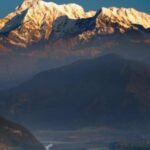
Mardi Himal feels like a secret balcony over Annapurna. What I like most is how this private trek keeps everything tight and paced for your group, with a real guide doing the thinking (and a porter system that keeps you comfortable). I also love the cold-weather support baked in: micro spikes, trekking poles, and a sleeping bag rated for minus-25°C, plus the permits and paperwork handled for you. One thing to weigh: the start time is listed as 11:45 pm, so plan for a late pickup and a long travel day before the first proper walking.
You’ll walk a classic ridge-and-camp style route through the Annapurna region, aiming for Mardi Himal Base Camp views and then dropping back down through Badal Danda toward Pokhara. Expect daily lodge stays along the route, hearty meals, and big photo stops where the mountains do most of the talking—especially when Machhapuchhre (Fishtail) and Annapurna South line up with your trail.
This is described as a trek with an expert female guide, and the guide teams associated with this experience have included leaders like Bhim, Yakob/Yacub, Jakub, and Saugat Tamang, with porters such as Menjom, Manjung, Kazoo, Tashi Tamang, Sabin, and Gobinda. If you prefer a low-stress plan with professional help and a dependable team, this fits. If you’re the type who wants to wing logistics or skip gear, you’ll feel the difference.
In This Review
- Key highlights you’ll actually care about
- Pokhara to Kande: the calm start before the climb
- Dhampus/Kande to Deurali: forest walking with early payoff
- Forest Camp and Low Camp: the “mid-trek” day where views build
- Low Camp (2600m+) to High Camp (3700m): where Machhapuchhre becomes personal
- Base Camp hike from High Camp: decide how far you want to go
- Badal Danda to Siding Village: finishing the loop back toward Pokhara
- What’s included: value goes beyond the price tag
- Permits and admin done
- Lodges, meals, and the “sleep problem” handled
- Gear designed for cold and traction needs
- Team support: guide plus porter ratio
- Your guide and porter team: where the experience gets human
- Pacing and fitness: moderate doesn’t mean push hard
- Logistics that can trip you up (so plan around them)
- Who this trek suits best
- Should you book this Private Mardi Himal Trek?
- FAQ
- How long is the Mardi Himal trek in this private package?
- Where does the trek start and how do you get there?
- Is pickup included?
- What permits are included?
- Are meals and lodge accommodations included?
- What trekking gear is provided?
- Do I need my own travel insurance?
- Is this a group trek?
- What is the cancellation policy?
Key highlights you’ll actually care about
- Private group comfort: Only your group participates, so your pace and questions stay yours.
- Gear included for winter conditions: micro spikes, trekking poles, and a sleeping bag rated to minus-25°C.
- Permits and paperwork handled: ACAP permit, TIMS card, and necessary taxes completed for you.
- Porter support built in: one porter for every two trekkers, plus a kitbag for storage.
- Big views at high camps: High Camp at 3700m is designed for the best look at Machhapuchhre and Annapurna South.
- Route options on summit day: Mardi Himal Base Camp hike (4–5 hours round trip) or a shorter halfway viewpoint.
Pokhara to Kande: the calm start before the climb
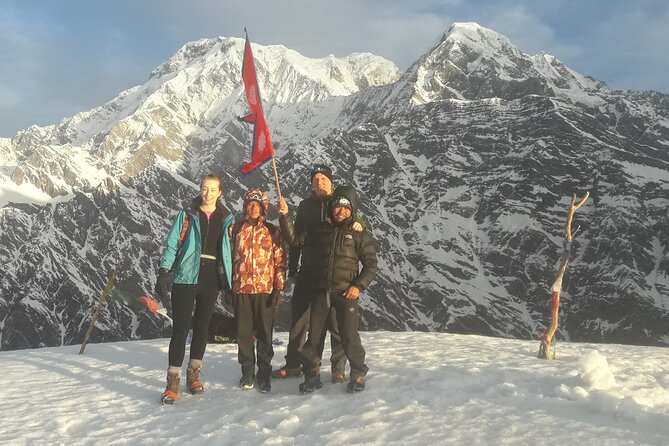
Most Mardi Himal trips begin with a drive out of Pokhara and then a gradual shift from city life into forest trails. On your first day, you’ll go from Pokhara to Kande by private car or van (about 1 to 1.5 hours). Then you start walking from Kande up toward Deurali.
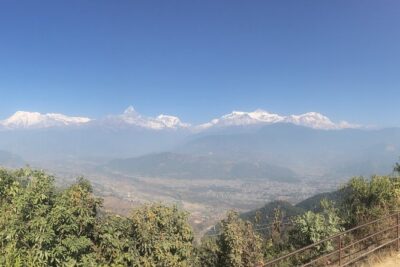
This day is a good “get your rhythm” stretch. The trail runs through lush forest, and even early on you get glimpses of Annapurna South and Hiunchuli, which helps you understand what you’re working toward. You hike for about 5 hours and sleep in Deurali.
Practical tip: your start time is listed as 11:45 pm. Translation: expect a late pickup and a night-to-morning travel rhythm. Pack so you can grab what you need fast (passport/ID, a headlamp, a light layer, and anything you hate digging for).
Why I like this start: it doesn’t throw you into the steepest parts right away. It helps you warm up, test your footwear, and settle into the “trek pace” before altitude ramps up.
You can also read our reviews of more private tours in Pokhara
Dhampus/Kande to Deurali: forest walking with early payoff
Deurali is where the trek starts to feel real. The forest sections give you shade and a cooler climb, and that’s useful because the Annapurna region can go from pleasant to chilly depending on weather.
You’ll spend the night in Deurali, which also means you’re not rushing straight into the higher camps. That matters for comfort. If you show up with moderate fitness, the structure here supports you with gradual steps instead of a sudden jump.
What could slow you down: forest trails can be slippery in some conditions, and your pace depends heavily on footing and weather. If you’re traveling in colder months (and this tour includes winter gear), plan for stiffer steps and colder mornings.
Forest Camp and Low Camp: the “mid-trek” day where views build
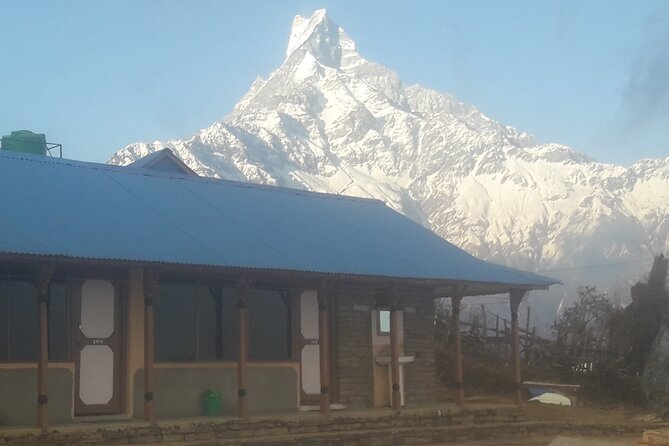
Day 2 is your first big transition toward the higher camps. You’ll trek from Pothana toward Forest Camp, reaching it after about 4 hours. Forest Camp sits around 2600m, and it’s where you stop for lunch. Then you continue on to Low Camp, with the total trekking time reaching about 6 hours.
Low Camp is a key staging point. You’re higher now, the air feels sharper, and panoramic views start to become a daily rhythm rather than a rare surprise. You sleep at a lodge in Low Camp.
I like that lunch is built into the schedule at Forest Camp. It prevents the common problem of arriving hungry and then dragging yourself forward. With a structured stop, you can focus on steady steps and save energy for the altitude push later.
One consideration: you’ll be moving for about 6 hours total. If you’re new to trekking or you tend to go out too fast early, use a “slow and consistent” style. At altitude, it’s not bravery that wins—it’s breathing and rhythm.
Low Camp (2600m+) to High Camp (3700m): where Machhapuchhre becomes personal
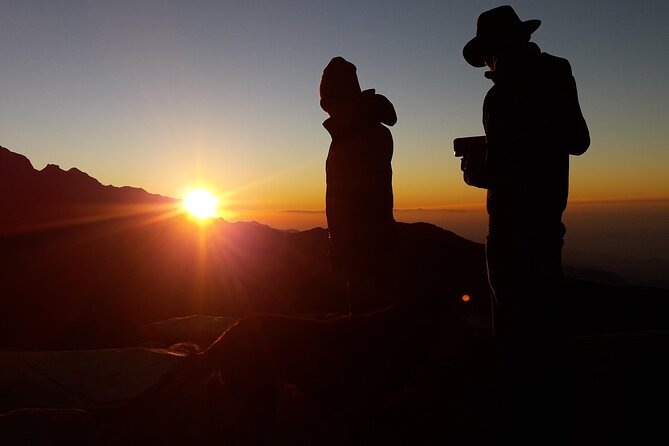
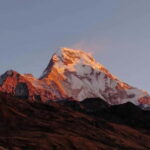
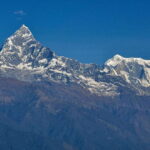
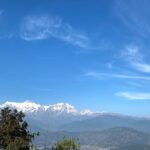
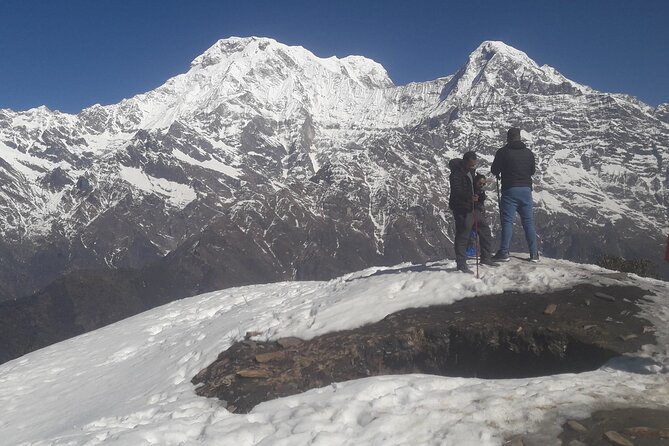
Day 3 is a highlight day. You trek from Low Camp up to High Camp at about 3700m in roughly 4 hours. The big draw here is the view: Machhapuchhre (also known as Fishtail) and Annapurna South are framed in a way that makes the effort feel worth it.
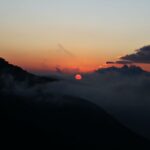
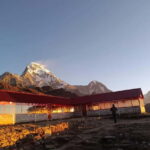
Then you sleep at a lodge in High Camp. This overnight matters. It gives you time to settle, feel the altitude, and enjoy the views when the light changes. High points like this can look different morning vs. late afternoon, and having you there overnight improves your chances of getting the clear look you want.
Your main challenge on this day is altitude management, not distance. Even with only about 4 hours of trekking, your body still has to adjust to thinner air. If you tend to get headaches or feel breathless quickly, tell your guide early and keep the pace conservative.
This is also where the human side of the trek matters. Several past groups praised guide leaders like Bhim and others for pacing trekkers thoughtfully, which is exactly what you want on a day that’s shorter but higher.
Base Camp hike from High Camp: decide how far you want to go
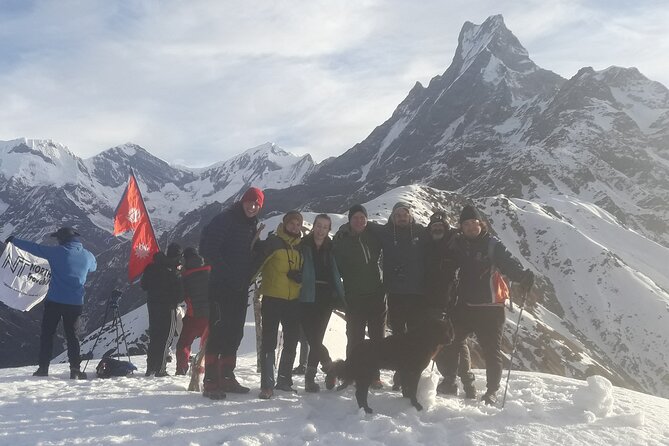
Day 4 builds on Day 3. From High Camp, you’ll do a hike toward Mardi Himal Base Camp—about 4 to 5 hours round trip. If you’d rather not go all the way that day, you can choose a shorter option: trek to a viewpoint halfway.
After that, you return to High Camp and descend to Badal Danda at about 3210m for your overnight lodge stay.
This is the day for personal choice. Base Camp is a commitment, but the halfway viewpoint option keeps the experience flexible. If you’re feeling strong, you’ll likely appreciate pushing farther. If you’re more focused on views than summit-style effort, the halfway option can be the smart move.
What to watch for: after a high hike and then returning, you still have a descent planned. Descent can be tougher on your knees than the climb feels on your lungs. Good trekking poles help a lot—and since poles are included here, you’re set.
If you’ve ever had a trek day feel uncomfortably long, this structure helps because you’re given a built-in dial: Base Camp or halfway viewpoint.
You can also read our reviews of more hiking tours in Pokhara
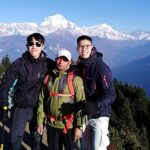
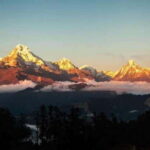
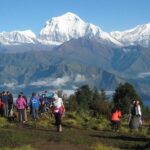
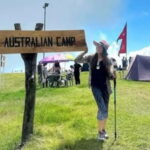
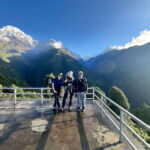
Badal Danda to Siding Village: finishing the loop back toward Pokhara
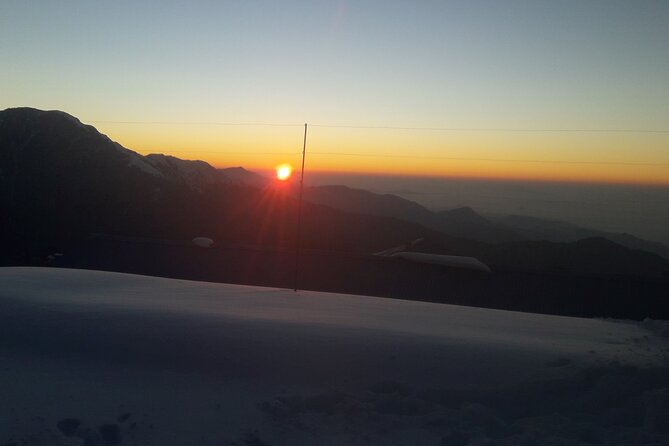
Day 5 is a descent-and-return day. You’ll trek for about 5 hours from Badal Danda to Siding Village, then drive back to Pokhara. The drive back is done via shared jeep.
There’s also an optional extension: if you want more time on foot, you can add an extra day that includes a trek from Siding to Lwang via Ghalel (about 5 to 6 hours). Then you return to Pokhara.
I like the way this ending feels “complete.” You get a proper trekking finish on Day 5 instead of the classic abrupt van ride right after High Camp. Walking to Siding Village gives you a gradual landing from high-altitude focus back into village life.
One note: water is not included, and that can become annoying at the end of a long day. A past trek experience flagged that buying water can be expensive. So if you like options, carry a plan for water and don’t assume you’ll always find prices you love.
What’s included: value goes beyond the price tag
The listed price is $399 for about 5 days. For many trekkers, the question isn’t only cost—it’s what you get for it when you’re tired, cold, and altitude-tested.
Here’s what stands out as real value:
Permits and admin done
You get the ACAP permit and TIMS card, plus necessary paperwork and local taxes handled. That removes a stressful burden and keeps your trip moving.
Lodges, meals, and the “sleep problem” handled
You’ll have clean lodge accommodations along the way during the Mardi Himal Base Camp trek. Meals are included for the trek days: lunch (5 times), breakfast (4 times), and dinner (4 times).
Most people underestimate how much the right meal rhythm matters on a cold mountain route. Consistent food reduces the temptation to skip steps when you feel low on energy.
Gear designed for cold and traction needs
This trek includes:
- micro spikes
- trekking poles
- a sleeping bag for minus-25 degrees
- a kitbag for storing your belongings
If you’re trekking in colder periods, micro spikes and the sleeping bag are the kind of inclusions that can make or break comfort. Even if the weather is good, nights can still feel sharp at altitude.
Team support: guide plus porter ratio
One porter for every two trekkers means you’re not carrying the entire load yourself. That changes how the trek feels. It’s the difference between finishing the day tired and finishing the day wrecked.
Past experiences with this operator praised porters like Menjom, Manjung, Kazoo, and others for caring support throughout the journey. The guide work also came through repeatedly—punctual starts, thoughtful pace, and friendly explanations.
Your guide and porter team: where the experience gets human
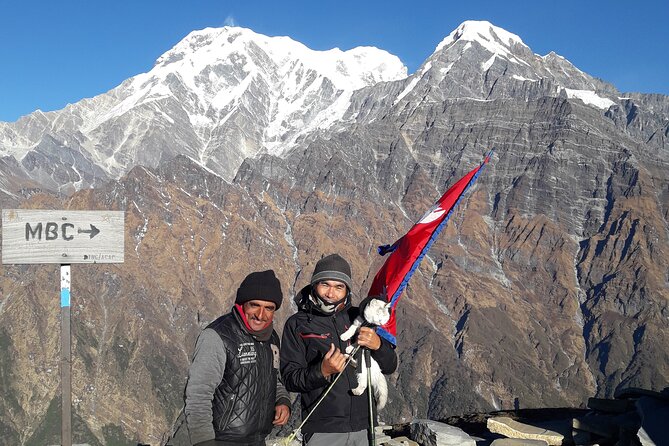
This trek is private, and only your group participates. That alone changes the vibe. Instead of sharing attention with a crowd, your guide can watch your pace, answer questions, and adjust stops.
The tour is described as having an expert female guide, which can be a big plus if you want a supportive leadership style and a comfortable, respectful atmosphere. In past journeys tied to this experience, guide names included Bhim, Yakub/Yacub, Jakub, and Saugat Tamang, with porters such as Menjom, Manjung, Kazoo, Tashi Tamang, Sabin, and Gobinda.
What these names point to is consistency: people got punctual arrivals, clear care, and help with the day-to-day details. If you like trekking with someone who explains what you’re seeing and keeps you moving safely, this is the right kind of setup.
Pacing and fitness: moderate doesn’t mean push hard
The requirement is moderate physical fitness. That’s believable for this route because days are structured around lodge stops and manageable hike blocks.
Still, “moderate” is not permission to ignore altitude. Even short days at 3700m can feel demanding if you rush. The best approach is to:
- take breaks before you feel awful
- walk slower than you think you need to
- drink steadily and eat at the scheduled stops
You’ll also be dealing with cold nights. With a minus-25°C sleeping bag included, you have a strong base. Your job is layering smart—warm socks, a hat, and a jacket you trust.
Logistics that can trip you up (so plan around them)
A few practical things can matter more than you’d expect:
- Water and drinks are not included. You’ll need your own plan for purchasing water and any beverages. One past experience specifically noted water can be expensive, so budget for that.
- Insurance isn’t included. If something goes wrong, your coverage is on you.
- Kathmandu and Pokhara stays/meals aren’t included. This trek handles the mountain section, not the whole Nepal trip.
- Tips aren’t included. Your guide and porter help a lot. Keep that in mind.
Also, the start time listing (11:45 pm) is a reminder to treat day one as a travel day. You may be setting off long before sunrise, so pack with comfort in mind.
Who this trek suits best
This is a strong match if:
- you want a private trek with your own guide and porter support
- you care about comfort and cold-weather readiness
- you prefer steady pacing and clear structure instead of improvising logistics
- you want standout Annapurna-region views with Machhapuchhre and Annapurna South as major targets
It might be less ideal if:
- you hate scheduled days and want maximum freedom to change plans every hour
- you’re trying to keep costs ultra-tight without budgeting for water
- you don’t plan to use the included traction/comfort gear in colder periods
Should you book this Private Mardi Himal Trek?
If you want Mardi Himal with fewer headaches and more support, I’d book it. The value isn’t only the trek itself—it’s the package: permits, lodge nights, meals during the trekking days, and gear that supports cold and traction needs. Add in the private setup and the porter system, and you get a trek that feels built for real humans, not just fit endurance athletes.
My “yes, book it” logic is simple: you’re paying for the work you’d rather not do—paperwork, logistics, cold-weather gear, and the daily pace plan. If you handle water budgeting and you’re ready for a late start time, you’re set up for a memorable Annapurna detour with big views and a team that keeps things moving.
FAQ
How long is the Mardi Himal trek in this private package?
It’s listed as 5 days (approximately), with day-by-day trekking and lodge nights along the Mardi Himal route.
Where does the trek start and how do you get there?
You’ll be driven from Pokhara to Kande on the first day (about 1 to 1.5 hours). You then start trekking from Kande.
Is pickup included?
Yes. Pickup is offered, and a start time is listed as 11:45 pm.
What permits are included?
The tour includes an ACAP permit and a TIMS card permit, with necessary paperwork and local taxes handled.
Are meals and lodge accommodations included?
Yes. You’ll have clean lodge accommodations along the trek, with meals included during the trekking days (lunches, breakfasts, and dinners as specified).
What trekking gear is provided?
Included gear covers micro spikes, trekking poles, a sleeping bag rated for minus-25 degrees, plus a kitbag for storing your belongings.
Do I need my own travel insurance?
Yes. Personal insurance is not included.
Is this a group trek?
No. This is a private tour/activity, so only your group participates.
What is the cancellation policy?
Free cancellation is available if you cancel at least 24 hours in advance for a full refund. If you cancel less than 24 hours before the experience starts, the amount paid is not refunded.