REVIEW · KATHMANDU
10 Days Nepal Adventure Tour from Kathmandu
Book on GetYourGuide →Operated by Himalayan Smile Treks and Adventures Pvt. Ltd. · Bookable on GetYourGuide
Ten days, four moods of Nepal. I like how this trip links Kathmandu UNESCO sites with big outdoor time, so you get culture, river action, and mountain walking instead of choosing just one. Two standouts for me are the packed valley day—Bhaktapur Durbar Square, Pashupatinath Temple, Boudhanath Stupa, and Swoyambhunath—and the built-in thrill of Trishuli River rafting before you head into Chitwan.
One thing to consider: the quality of site commentary can vary. One verified booking flagged that some guides were not very proactive with extra context and that there can be pressure around stops for shopping items, so if you hate that style, set expectations early.
In This Review
- Key Points at a Glance
- First Stop: Kathmandu Valley Heritage That Sets the Tone
- Trishuli River Rafting and the Ride to Chitwan
- Chitwan National Park: Wildlife Time With Canoes, Birds, and Elephants
- Pokhara Interlude: Waterfalls, Caves, Refugee Camp, and Lakeside Breathing Space
- Ghandruk Trek Inside the Annapurna Conservation Area: Mountain Views and a Real Village Feel
- Pothana Day: Forest Paths and Slower, Steadier Effort
- Dhampus to Phedi: A Finish-Line Walk With Phewa Lake Waiting
- Kathmandu Return and a Folk Farewell Dinner in Thamel
- Guide Quality Can Make or Break the Trip
- Price and What You’re Actually Getting for $1,080
- Timing, Transport, and Road Reality You Should Plan For
- Who This Nepal Adventure Tour Suits Best
- Should You Book This Tour?
- FAQ
- Is trekking experience required for the Annapurna part?
- What does the tour include for meals?
- What activities are included in Chitwan National Park?
- What trekking permits are covered?
- What language are the guides?
- Can I cancel for a full refund?
Key Points at a Glance
- Small group limit (up to 12) with an English live guide
- Kathmandu Valley UNESCO circuit with Hindu and Buddhist cultural focus
- Trishuli whitewater rafting staged as a full adventure day
- Chitwan National Park full-day activities including canoeing, birding, and elephant bathing
- Annapurna Conservation Area trek to Ghandruk, then onward toward Pothana and Phedi
- Well-timed transport: private hops for key segments and bus on the long Pokhara-to-Kathmandu leg
First Stop: Kathmandu Valley Heritage That Sets the Tone
Kathmandu is not just a place to sleep before the outdoors. This tour starts the way it should: with heritage and daily-life context, then you build toward wildlife and trekking.
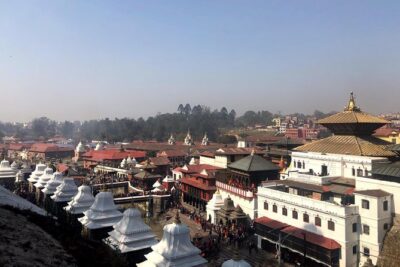
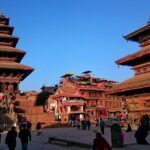
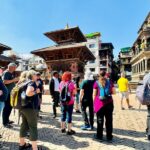
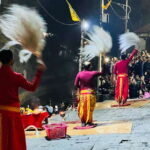
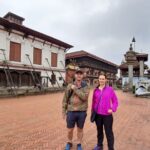
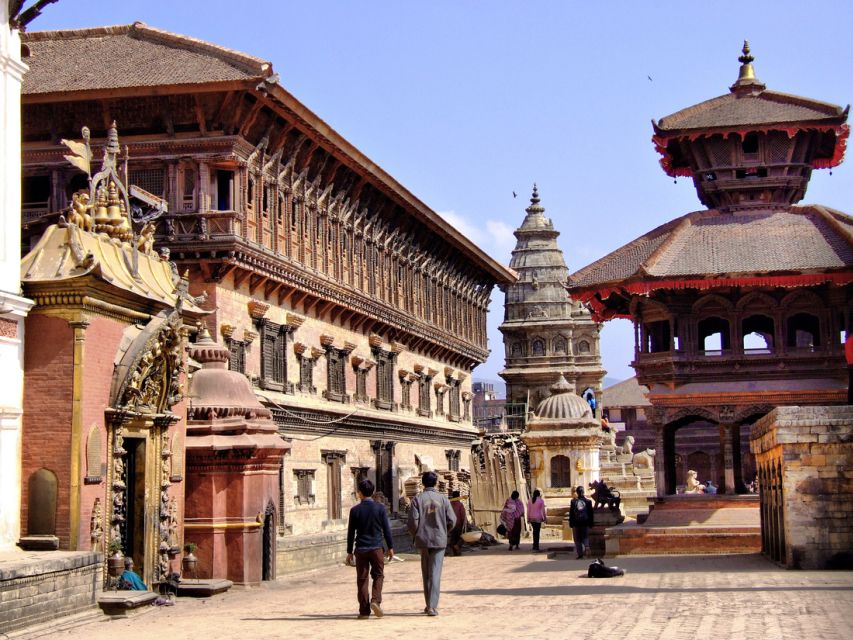
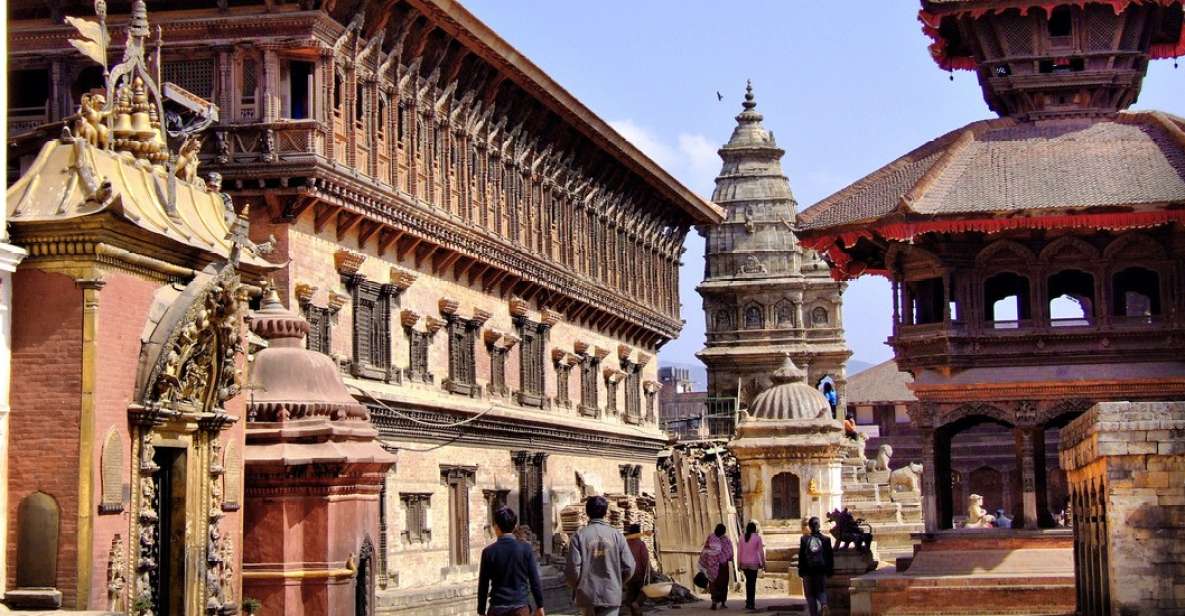
On your second day, you cover major UNESCO World Heritage highlights in a logical circuit: Bhaktapur Durbar Square, Pashupatinath Temple, Boudhanath Stupa, and Swoyambhunath. You also get guided explanation of both Hindu and Buddhist traditions, which matters because many of the rituals and symbols you’ll see later in Nepal won’t make sense on instinct alone.
Practical note: these sites are spread out, so expect a full day of walking and looking up. If you’re a “quick photos and move on” person, you might feel it’s a lot. If you like to understand what you’re seeing, this day is the right foundation.
You can also read our reviews of more tours and experiences in Kathmandu.
Trishuli River Rafting and the Ride to Chitwan
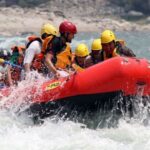
After Kathmandu culture, the energy shifts fast. The next day is built around a driving transfer toward Chitwan, with whitewater rafting on the Trishuli River as the adventure anchor.
Why this works: rafting on Day 3 is early enough that you still feel excited and fresh, but late enough that you’ve already had a sense of Nepal beyond scenery. It also breaks up your travel rhythm. Rather than one long, tired road day, you get an actual activity packed into it.
In the evening, you transition smoothly into Chitwan with a Tharu cultural display. That’s a smart pairing. The Trishuli day is loud and physical; the Tharu performance brings you into the local culture connected to the lowlands. It’s also the kind of evening that helps jet-lag or travel fatigue feel less heavy.
Chitwan National Park: Wildlife Time With Canoes, Birds, and Elephants
This is the part of the trip that most clearly feels like a “Nepal adventure,” not just a sightseeing route. You get a full day in Chitwan National Park with a mix of activities, which is great because you’re not depending on just one animal encounter.
Your day includes:
- Jungle safari time inside the park
- Canoeing
- Birding
- Bathing with elephants
That blend is valuable. Canoes and safari drives keep your chances broad—birds and sightings can happen in different ways than large mammals do. And elephant bathing is a big, memorable experience if you’re comfortable with the activity format. (Just remember it’s listed as part of the included program, so you should be mentally ready for it rather than treating it as optional.)
Where this day can feel intense: it’s full-day, outdoors, and active. Even if you’re not trekking, you’ll likely spend a lot of time on vehicles and in the heat. Bring a steady hydration mindset and expect it to be more physical than a normal city day.
Pokhara Interlude: Waterfalls, Caves, Refugee Camp, and Lakeside Breathing Space
After Chitwan’s lowland wildlife energy, the route moves west to Pokhara, and Day 5 is a classic “reset day” that still keeps variety.
You visit:
- Davis Falls
- Gupteshwor Caves
- Tibetan Refugee Camp
Then you get evening time to relax by the lake. That lakeside downtime is not fluff on this kind of itinerary. It helps you recover before trekking starts in earnest.
Why these stops are worth it:
- Davis Falls gives you a dramatic natural feature without requiring a long hike.
- Gupteshwor Caves are a change of pace—cooler, enclosed, and atmospheric.
- The Tibetan Refugee Camp visit adds a human layer to the travel story, connecting Nepal’s geography to wider regional history.
One logistics detail to keep in mind is the road reality. The tour notes mixed conditions on routes between cities, with construction bumps around Malekhu/Benighat and some dusty/narrow sections near Kathmandu. Nothing sounds impossible, but you’ll want to be comfortable with a bumpy, time-variable ride.
Ghandruk Trek Inside the Annapurna Conservation Area: Mountain Views and a Real Village Feel
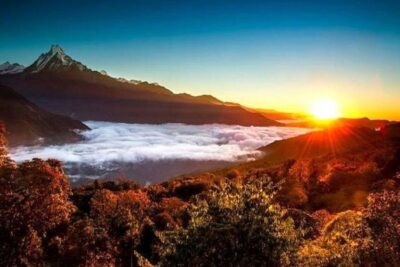
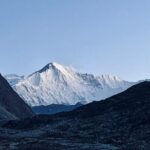
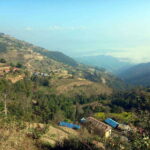
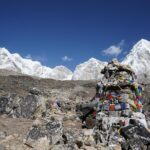
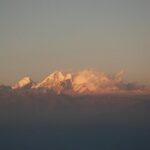
Trekking starts on Day 6. You drive to Nayapul, then walk to Ghandruk, staying in a lodge overnight. Ghandruk is a Gurung village, and the big promise is a mix of mountain views plus local lifestyle.
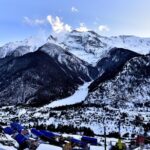
This is not a technical mountain climb—good news if you’re not a mountaineer. The tour states you do not need “rippling muscles,” and if you’re reasonably fit and like walking, you qualify. Still, this is hiking. You’ll want enough stamina for repeated uphill and downhill days.
What makes Ghandruk special in a trip like this:
- It’s a named village stop, so you get more than scenery. You get people, homes, and everyday rhythm.
- It’s placed at the start of the trekking portion, so you build confidence quickly—your first day isn’t just a random uphill grind.
If you’re traveling with a tight schedule or you’re nervous about trekking, this part is usually the psychological win: you can see what the effort buys you. And one verified booking highlighted the Ghandruk trek experience with guide Dharma, who was described as kind and energetic and even helped carry a backpack at times. That kind of support can make a difference when your legs start to protest.
Pothana Day: Forest Paths and Slower, Steadier Effort
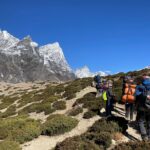
Day 7 moves from Ghandruk to Pothana. The trek route is described as passing through forest and local villages with continued mountain views.
This day matters because it’s not just about reaching a place; it’s about how you travel there. A trek like this usually teaches you to pace. If you rush early, you pay later. If you go steady, you actually enjoy the quiet between viewpoints.
Overnight stays happen at the lodge in this section. A practical catch: the tour lists trekking nights as part of the plan, but it also lists mountain lodge and all meals while you’re trekking as not included. So you should plan a budget for lodge meals or at least the costs during the trekking days.
Dhampus to Phedi: A Finish-Line Walk With Phewa Lake Waiting
Day 8 is the “wrap the trek” day. You trek from Ghandruk to Phedi via Dhampus, then drive back to Pokhara.
You’ll also get an evening walk around Phewa Lake. That part is surprisingly useful. After walking days, lake-level time lets your body cool down and helps you reset your energy for the drive back to Kathmandu.
Also, Dhampus is a named waypoint on the way down. The itinerary implies scenery and viewpoints along the descent, which is typical for this kind of route: mornings can be about views; afternoons can be about balance and footing.
Kathmandu Return and a Folk Farewell Dinner in Thamel
By Day 9 you’re heading back to Kathmandu by bus, with time for shopping in Thamel. Then you finish with a farewell dinner featuring Nepalese folk dances and music.
This is a nice ending for a multi-activity itinerary. The river and wildlife days are memorable, but the final night gives you cultural closure. It’s also the right moment to mentally sort what you learned and saw—because you’re no longer carrying the day’s schedule pressure.
A small logistics note: the tour includes a guided experience and transport, and the long drive segments can vary due to road work. You’ll want to keep your evening flexible in Kathmandu so you don’t feel rushed after a travel day.
Guide Quality Can Make or Break the Trip
This tour leans hard on local guides, and the reviews reflect that in a big way. One verified booking praised guide Pramod Pangeni for being professional and attentive throughout the itinerary. Another singled out how the guides helped them learn about life in Nepal and highlighted the caring, organized feel of the trip.
That said, one rating lower on the scale flagged that some guides were less proactive and that they would have wanted more detail on sites. There was also mention that one guide’s English was limited.
What you should do with that: if you want deeper explanations, ask direct questions on Day 2 during the UNESCO sites. If you’re not into shopping detours, be clear about boundaries. A good guide will work with your preferences even if the default style is more structured.
Price and What You’re Actually Getting for $1,080
At $1,080 per person for 10 days, the value is strongest if you count what’s included that usually costs extra when you book pieces separately: airport pickup and drop-off, multiple hotel nights with breakfasts, a trained guide team, trekking permits, Trishuli rafting, and the Chitwan National Park activity day.
But you should also budget for the items listed as not included:
- Meals beyond what’s specified (the tour includes breakfasts in Kathmandu and Pokhara, and 3 meals in Chitwan)
- Lunch and dinner in Kathmandu and Pokhara
- Mountain lodge and all meals while you’re trekking
- Trekking porter (not included)
- Travel insurance
- Entrance fees for Kathmandu and Pokhara sightseeing
- Drinks and personal medical kits
So the real comparison is not just the sticker price. It’s: do you want a ready-made package that handles route order, guides, permits, and major activities? If yes, this price can make sense. If you plan to DIY most logistics, you might find cheaper, but you’d sacrifice the convenience and guidance that keep Nepal smooth for first-timers.
Timing, Transport, and Road Reality You Should Plan For
One detail the tour provides that you should take seriously is the state of roads and drive times.
- Kathmandu to Chitwan: about 5–7 hours
- There are bumps around Malekhu/Benighat due to construction, but the rest of the route is described as smooth blacktop.
- Pokhara to Kathmandu: about 6–8 hours, with an early smooth section, then dusty/narrow areas not shown clearly on maps, and near Kathmandu road widening work.
This matters because it impacts comfort and how tired you feel before activities. The good news is that all routes are described as passable, with stunning mountains. The better news is that the itinerary builds in active stops and evenings, so you’re not only “trapped in a seat” for days.
Who This Nepal Adventure Tour Suits Best
This is a solid fit if you want a balanced mix of:
- Cultural sightseeing in Kathmandu Valley
- Adventure (rafting on Trishuli)
- Wildlife and nature time in Chitwan
- A short trek inside the Annapurna Conservation Area, focused on villages like Ghandruk
It’s especially good if you’re reasonably fit and comfortable with hiking days but you don’t want a full-on high-altitude expedition.
It’s not a match if you need wheelchair access, and it’s stated as not suitable for people over 95 years.
Should You Book This Tour?
If you want a single trip that covers Kathmandu heritage, rafting, Chitwan wildlife, and a village-based trek without you managing permits and day-to-day logistics, I think this is a strong choice. The standout value is the way it combines activities with trained guiding and a clear day-by-day flow.
I’d only think twice if you dislike shopping-pressure-style stops or you need very consistent, in-depth explanations in English every step of the way. Still, you can handle that by asking for context early and setting boundaries politely.
If your ideal Nepal includes both river thrills and mountain walking—and you’re ready for some travel-road bumps—this 10-day route is built for you.
FAQ
Is trekking experience required for the Annapurna part?
The tour says you do not need to be a mountaineer or have previous trekking experience. If you are reasonably fit and like walking, you should be qualified.
What does the tour include for meals?
Breakfast is included in Kathmandu (3 nights) and Pokhara (2 nights). In Chitwan, you get 3 meals for 2 nights. Lunch and dinner in Kathmandu and Pokhara are not included, and mountain lodge and all meals while you’re trekking are also not included.
What activities are included in Chitwan National Park?
Chitwan includes jungle safari, canoeing, birding, and bathing with elephants as part of the included program.
What trekking permits are covered?
Trekking permits are listed as included.
What language are the guides?
The live tour guide is listed as English, and an English audio guide is also included.
Can I cancel for a full refund?
Yes. The tour offers free cancellation up to 24 hours in advance for a full refund.